

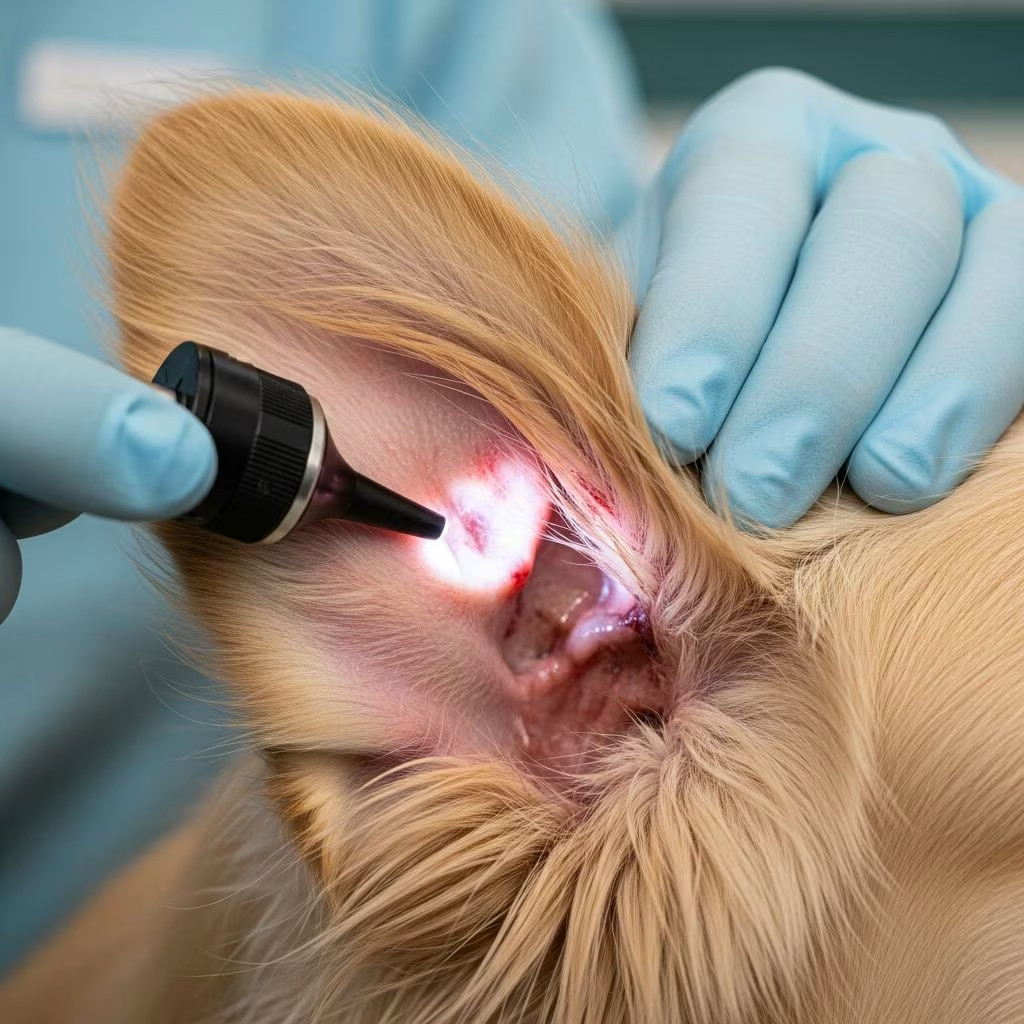
Ear infections represent one of the most frequent health concerns affecting dogs across all breeds and age groups. These infections cause considerable discomfort and, if left unaddressed, can progress to more serious complications affecting the dog’s hearing and balance. Understanding the underlying mechanisms of canine ear infections enables pet owners to recognize warning signs early, seek appropriate veterinary intervention, and implement preventive measures that maintain long-term auricular health.
The Nature of Canine Ear Infections
Canine ear infections, medically referred to as otitis, manifest in three distinct categories based on the affected region of the ear structure. Otitis externa represents the most prevalent form, affecting the external ear canal’s cellular lining. Otitis media involves the middle ear region, while otitis interna affects the inner ear structures. The progression from external to middle and inner ear infections occurs when untreated inflammation allows pathogens to spread deeper into the auditory system. Infections in the middle and inner ear carry particular concern, as they may result in permanent hearing loss, facial nerve paralysis, and balance disturbances.
The inflammatory response itself plays a central role in infection development. When the ear’s protective barriers become compromised, the environment becomes conducive to pathogenic colonization and rapid multiplication. This cascade of inflammation and infection creates a self-perpetuating cycle that intensifies without intervention.
Primary Contributors to Ear Infection Development
Moisture and Environmental Factors
Excessive moisture within the ear canal creates optimal conditions for bacterial and fungal proliferation. Dogs exposed to frequent swimming or bathing without thorough ear drying face elevated infection risk. Breeds predisposed to moisture retention—including those with narrow ear canals, floppy ear structures, or dense hair growth within the canal—require special attention to moisture management. Even normal bathing can introduce water into the ear canal; inadequate drying transforms this moisture into a breeding ground for microorganisms.
Allergic Responses
Allergies emerge as among the most significant underlying factors contributing to canine ear infections. When dogs experience allergic reactions, the resulting inflammation compromises the ear’s protective skin barrier, allowing opportunistic pathogens to invade. Two primary allergy categories affect canine ears: food allergies and environmental allergies. Food sensitivities, even when not classified as true allergies, can trigger ear-specific inflammation. Environmental allergens including pollen, dust, and mold similarly predispose dogs to secondary ear infections. Many dogs experience mixed infections combining both bacterial and yeast components triggered by allergic inflammation.
Microbial Overgrowth
Bacteria naturally inhabit the canine skin surface without causing harm under normal conditions. However, when skin barriers become compromised through inflammation or injury, these resident bacteria multiply excessively, transforming into pathogens. Yeast, particularly in moisture-rich environments, proliferates rapidly once moisture barriers form. Dogs with specific breed characteristics predisposing them to moisture accumulation—such as bulldogs and certain hound breeds—face heightened vulnerability to yeast-mediated infections.
Parasitic Infestations and Foreign Material
Ear mites represent highly contagious parasites capable of establishing themselves within the ear canal. These microscopic organisms cause intense itching and inflammation, facilitating secondary bacterial infections. Foreign objects including grass seeds, dirt particles, and plant material can enter the ear canal, creating irritation that enables infection. Dogs with upright ear structures face lower foreign object risk compared to those with floppy ears that create enclosed environments.
Structural and Breed-Specific Predisposition
Certain dog breeds demonstrate inherent vulnerability to ear infections due to anatomical characteristics. Cocker Spaniels and Basset Hounds, among other breeds with narrow ear canals or extensive ear canal hair, experience reduced airflow that promotes moisture retention and infection development. This structural predisposition necessitates more vigilant preventive care and regular professional cleaning in susceptible breeds.
Recognition and Identification of Ear Infection Symptoms
Early symptom identification enables prompt veterinary intervention, preventing progression to more serious complications. Dog owners should remain vigilant for the following indicators:
- Excessive scratching, pawing, or rubbing of the affected ear or facial region
- Frequent head shaking or ear tilting
- Visible redness or swelling within and around the ear structures
- Discharge ranging from clear to yellow, brown, or black in coloration
- Distinctive odors, particularly yeasty or corn chip-like scents
- Crusting or scabbing around the ear flap
- Swelling of the ear flap itself, indicating aural hematoma development
- Signs of hearing impairment or balance disturbances in advanced cases
Excessive scratching and head shaking, while seemingly minor behaviors, can escalate into more serious complications. When dogs scratch intensely, ruptured blood vessels within the ear flap leak blood that clots, creating painful swelling known as aural hematoma. This secondary condition adds layers of complexity to the original infection.
Diagnostic Procedures and Veterinary Assessment
Veterinary professionals employ multiple diagnostic approaches to identify infection causes and determine appropriate treatment protocols. Initial examination involves visual inspection of the ear canal using an otoscope, allowing visualization of inflammation, discharge, and structural abnormalities. Many veterinarians collect discharge samples for microscopic analysis or bacterial/fungal culture. These diagnostic tests reveal the specific pathogens involved, enabling targeted medication selection rather than broad-spectrum approaches that may prove less effective or create resistance concerns.
Treatment Approaches for Established Infections
Topical and Medicinal Interventions
Medicated ear drops represent the primary treatment modality for most ear infections. These prescription formulations address multiple infection aspects simultaneously—reducing inflammation, managing pain, and eliminating bacterial or fungal pathogens. Proper application involves gentle massage of the affected ear to ensure medication penetration throughout the canal. Standard dosing typically involves administration twice daily, though veterinarian-specific instructions should always be followed.
Certain infections respond well to topical medications that maintain presence within the ear for extended periods, often 2-4 weeks following application. These longer-acting formulations reduce medication administration frequency, improving compliance and treatment outcomes.
Ear Canal Cleansing
Professional and home-based ear cleaning constitutes an essential treatment component. Veterinarians provide medicated cleansers specifically formulated to remove discharge, reduce bacterial and yeast populations, and restore healthy ear conditions. Critical guidance includes avoiding plain water for ear cleaning, as water introduction may worsen infections rather than improve them. Medicated cleansers possess antimicrobial properties and drying capabilities that plain water cannot replicate.
Systemic Medication Considerations
Severe or chronic infections frequently require oral antibiotics or antifungal medications to address systemic infection components. These systemic medications complement topical treatments, addressing pathogens throughout the ear system and preventing spread to middle and inner ear structures. Anti-inflammatory medications reduce pain and swelling, improving the dog’s comfort during treatment. Pain relief medications become necessary in acute infections causing significant discomfort; however, pain management typically becomes unnecessary within several days of consistent treatment if protocols are followed appropriately.
Surgical Intervention for Chronic Cases
Chronic or severe infections that resist conventional treatment may require surgical intervention. Surgical procedures address structural abnormalities or persistent infection sources that medical management cannot resolve. These interventions represent necessary options for dogs experiencing repeated infections despite appropriate medical therapy.
Prevention Strategies for Long-Term Ear Health
Proactive prevention proves far more effective and cost-efficient than treating established infections. Pet owners should implement the following preventive measures:
- Moisture management: Thoroughly dry ears following bathing or swimming, using soft towels or cotton to remove water without introducing trauma
- Allergen awareness: Work with veterinarians to identify and minimize exposure to food and environmental allergens triggering ear inflammation
- Regular cleaning: Establish routine ear cleaning schedules using vet-approved cleansers, particularly for breeds predisposed to moisture retention
- Foreign object prevention: Inspect ears regularly for debris, plant material, or parasites, removing visible foreign objects promptly
- Breed-specific care: Dogs with floppy ears or narrow canals require more frequent professional evaluation and cleaning
- Trauma prevention: Discourage excessive scratching through prompt allergy management and parasite prevention
Comparative Treatment Effectiveness
| Treatment Option | Infection Type | Application Frequency | Duration |
|---|---|---|---|
| Medicated Ear Drops | Bacterial/Fungal | Twice daily | 7-14 days typically |
| Long-Acting Topical | Bacterial/Fungal | Single application | 2-4 weeks |
| Oral Antibiotics | Severe/Systemic | Once or twice daily | 10-14 days |
| Medicated Cleansers | All types (adjunct) | 2-3 times weekly | As directed by vet |
| Surgical Intervention | Chronic/Structural | One-time procedure | N/A – permanent correction |
Contagiousness and Public Health Considerations
Ear infections in dogs are typically not contagious to other animals or humans. Most infections result from individual factors such as allergies, moisture, foreign bodies, or ear mites rather than communicable pathogens. However, ear mites represent a notable exception—these parasites spread readily between animals and require household-level treatment protocols. Pet owners with multiple animals experiencing ear mite infestations should treat all household pets simultaneously and thoroughly clean bedding and toys.
Frequently Asked Questions About Canine Ear Infections
How long does treatment typically require?
Most straightforward ear infections respond within 7-14 days of consistent treatment with medicated drops and cleansers. Chronic or complicated infections may require extended treatment periods or multiple medication adjustments based on response to initial therapy.
Can ear infections resolve without veterinary treatment?
While mild inflammation may occasionally self-resolve, true infections—bacterial, fungal, or parasitic—require veterinary intervention. Untreated infections progress to deeper ear structures, potentially causing permanent damage.
What distinguishes bacterial from fungal infections?
Microscopic examination and culture testing reveal the causative organism. Bacterial infections often produce yellowish discharge, while fungal infections typically create brown or black discharge with distinctive yeasty odors.
Are certain breeds more susceptible than others?
Yes, breeds with floppy ears, narrow canals, or excessive ear hair experience higher infection rates. Cocker Spaniels, Basset Hounds, and similar breeds require more vigilant preventive care.
How can I prevent recurrent infections?
Address underlying causes through allergen management, consistent moisture control, regular professional cleaning, and parasite prevention. Work with your veterinarian to identify and treat predisposing factors rather than treating infections only after they develop.
When to Seek Emergency Veterinary Care
While most ear infections respond well to prompt outpatient treatment, certain situations warrant emergency attention. Dogs displaying severe balance disturbances, facial drooping, or sudden hearing loss may have inner ear involvement requiring immediate intervention. Infections accompanied by fever, lethargy, or signs of systemic illness also necessitate urgent evaluation. Additionally, if an infection fails to improve within 7-10 days of appropriate treatment, re-evaluation becomes essential to identify treatment-resistant organisms or underlying complications.
Conclusion
Canine ear infections represent manageable health conditions when recognized early and treated appropriately. Pet owners who understand infection development, recognize warning symptoms, and implement preventive strategies significantly reduce the likelihood of serious complications. Working collaboratively with veterinary professionals to identify underlying causes—whether allergies, structural predispositions, or environmental factors—transforms treatment from reactive intervention to proactive health management. Through consistent application of preventive measures tailored to individual dog characteristics and risk factors, owners maintain their dogs’ auricular health and overall well-being.
References
- Dog Ear Infections: Causes, Symptoms, and Treatments — Coyne Veterinary Care. Accessed 2026. https://coynevetcare.com/blog/dog-ear-infections-crown-point-in/
- Signs of Ear Infections in Dogs — PetNest Animal Hospital. 2024-08-02. https://petnestanimalhospital.com/2024/08/02/signs-of-ear-infections-in-dogs/
- Ear Infection in Dogs: Symptoms and Treatment — GoodRx. Accessed 2026. https://www.goodrx.com/pet-health/dog/how-to-tell-if-dog-has-ear-infection
- Dog Ear Infections: Symptoms, Causes, Treatment, and Prevention — American Kennel Club. Accessed 2026. https://www.akc.org/expert-advice/health/dog-ear-infections/
- Understanding Dog Ear Infections: A Comprehensive Guide for Pet Owners — Metro Veterinary Care. Accessed 2026. https://metro-vet.com/understanding-dog-ear-infections/
- What You Need to Know About Ear Infections and Your Pet — MedVet. Accessed 2026. https://www.medvet.com/ear-infections-and-your-pet/
- Dog Ear Infections — PetMD. Accessed 2026. https://www.petmd.com/dog/conditions/dog-ear-infections



