

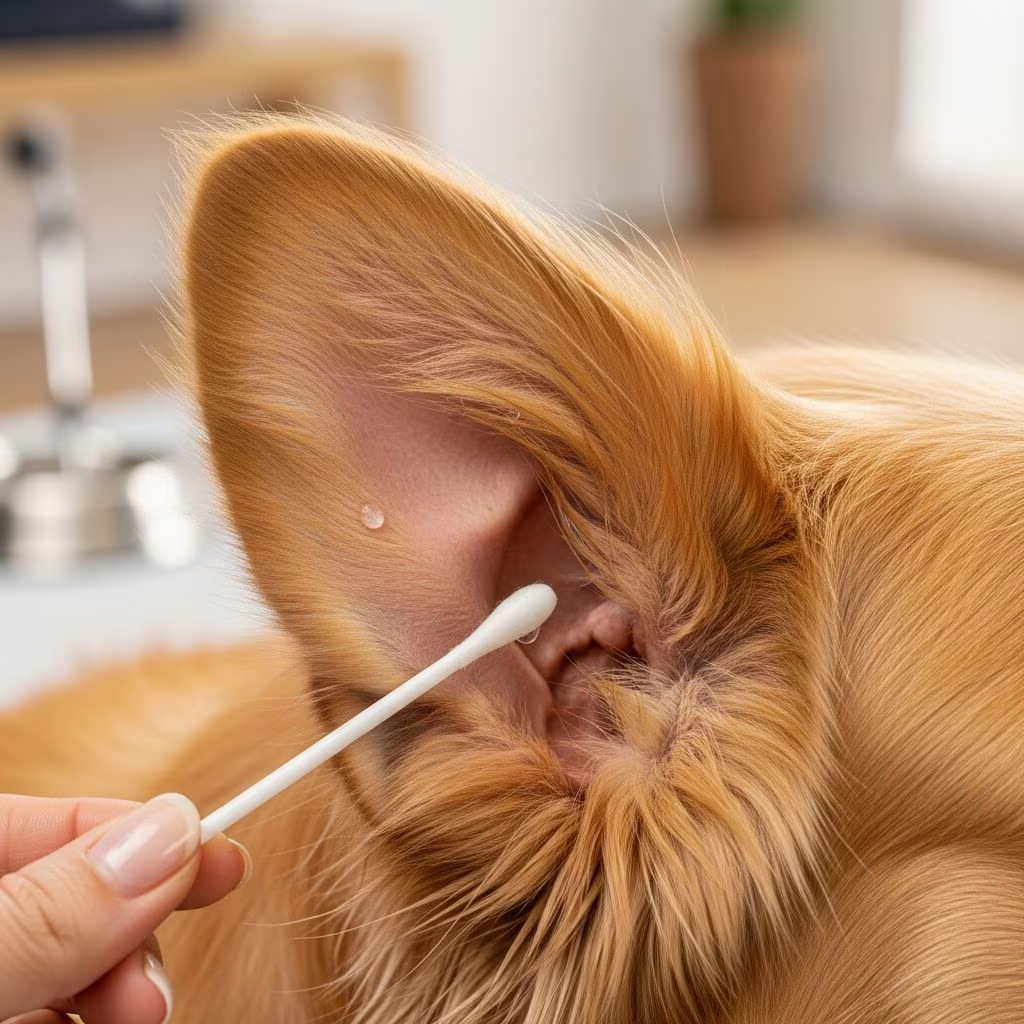
Dogs enjoy water activities, from swimming pools to backyard sprinklers, but these recreational moments can introduce unexpected health challenges. One frequently overlooked concern involves the accumulation of moisture within the ear canal, particularly in breeds with anatomical predispositions. Understanding how water exposure affects canine ear health and recognizing the distinction between simple moisture and problematic infections enables pet owners to take preventive action and seek timely veterinary intervention.
Understanding Canine Ear Anatomy and Moisture Challenges
The structure of a dog’s ear differs significantly from human ear anatomy. Dogs possess an L-shaped ear canal that creates a more complex pathway for water drainage. This anatomical configuration means that water entering the ear canal doesn’t naturally exit as readily as it does in humans. Instead, moisture becomes trapped within the canal, creating an environment that remains damp for extended periods.
This trapped moisture presents particular challenges because the ear canal provides optimal conditions for microbial growth. Warm, dark, and moist environments serve as ideal breeding grounds for bacteria and yeast organisms. When these microorganisms proliferate unchecked, they transition from being mere environmental residents to active pathogens causing infection and inflammation.
Identifying When Water Becomes a Concern
Not all water exposure results in ear problems. In many cases, water in a dog’s ear resolves without intervention. The ear’s natural defenses and drainage mechanisms handle modest amounts of moisture effectively. However, when water remains present in substantial quantities or persists for extended periods, complications can develop.
Several factors determine whether water exposure progresses from harmless to problematic:
- The volume of water that enters the ear canal
- The duration of moisture presence
- The individual dog’s ear canal structure and drainage capability
- Pre-existing ear conditions or susceptibilities
- The dog’s immune response to microbial colonization
Recognizing the Early Warning Signs
Pet owners should monitor for behavioral changes following water exposure. Frequent head shaking represents one of the most noticeable indicators. Dogs instinctively shake their heads vigorously when attempting to dislodge trapped water or address ear discomfort. Observing this behavior after swimming or bathing warrants attention and possible intervention.
Beyond head shaking, several other symptoms suggest water has accumulated in the ear:
- Head tilting toward the affected ear
- Scratching or pawing at the ear region
- Unusual odors emanating from the ear canal, often indicating early bacterial or yeast colonization
- Visible redness or swelling within the ear canal
- Ear discharge that may range from clear fluid to yellow or greenish pus
The presence of discharge warrants prompt veterinary consultation, as this symptom frequently indicates that initial infection has begun developing beyond simple moisture accumulation.
Breed-Specific Vulnerability to Ear Complications
Certain dog breeds face significantly elevated risks when water enters their ears. Dogs with floppy or long ears, such as Cocker Spaniels, Basset Hounds, and similar breeds, demonstrate particular susceptibility. Their pendulous ear flaps cover the ear canal opening, creating an enclosed microenvironment. This design prevents adequate air circulation, intensifying the warm and moist conditions that favor microbial proliferation.
Additionally, dogs with pre-existing allergies or skin conditions face higher infection risks. Allergic conditions compromise the ear’s natural defensive mechanisms, reducing the body’s ability to resist bacterial and yeast colonization. Dogs with food sensitivities, environmental allergies, or chronic skin issues require extra vigilance regarding ear health.
The Infection Development Process
Water-related ear infections typically progress through predictable stages. Initially, moisture creates an environment where bacteria and yeast thrive. As these organisms multiply, they generate inflammatory responses in the surrounding tissues. This inflammation further compromises the ear’s natural defenses, creating a self-perpetuating cycle.
Common infectious agents include bacteria such as Pseudomonas and Staphylococcus species, as well as yeast organisms like Malassezia. The specific pathogen depends on individual factors and the dog’s microbiome composition. Left untreated, external ear infections can escalate into more serious middle or inner ear infections, potentially causing hearing loss and chronic pain.
Contributing Factors Beyond Water Exposure
While water represents a significant infection risk factor, other conditions can independently cause or exacerbate ear infections. Allergic reactions to pollen, dust mites, or specific foods trigger inflammation and excess ear wax production. This accumulated wax combined with moisture creates an especially hospitable environment for infection.
Parasitic infestations, particularly ear mites, cause direct irritation and inflammation that can secondary bacterial or yeast infections. Foreign objects, such as grass seeds or plant material, introduce irritation and create infection-prone conditions, especially in dogs with outdoor lifestyles.
Immediate Response Strategies for Water in Ears
When you observe your dog shaking their head or tilting their head after water exposure, immediate action can prevent complications. Begin by thoroughly drying the external ear area with a towel. This prevents additional water from dripping into the canal.
Next, address the trapped moisture using absorbent materials:
- Place cotton balls inside the ear canal
- Gently squeeze the ear to encourage moisture absorption
- Repeat with fresh cotton balls until dryness is achieved
- Use gauze or clean towels if cotton balls are unavailable
Critical safety note: Never insert anything into the ear canal beyond what a veterinarian has specifically approved. If an ear drum has perforated due to infection or trauma, inserting certain substances can cause serious harm, including permanent hearing loss.
Home Care and Preventive Ear Washing
For dogs prone to water accumulation, periodic ear cleaning provides valuable maintenance. Home ear washes can be created by combining hydrogen peroxide or apple cider vinegar with equal parts purified water. This solution effectively cleanses the ear exterior and superficial areas.
Application involves using large cotton balls for external ear surfaces and cotton swabs for slightly deeper areas, always exercising caution near the drum. Routine ear cleaning following swimming or bathing represents a recommended preventive practice. However, home remedies should be applied carefully and never forced deep into the canal.
Prevention Through Environmental Management
Strategic prevention proves far more effective than treating established infections. Blocking external ear canals with large cotton balls before swimming or bathing provides a primary prevention method. Properly positioned cotton barriers prevent water from entering the canal while allowing normal ear function.
Beyond physical barriers, consider environmental factors:
- Limit water exposure duration, particularly for susceptible breeds
- Dry ears immediately and thoroughly after water activities
- Maintain regular grooming to prevent debris accumulation
- Monitor humid environmental conditions
- Address allergic conditions with appropriate management
Professional Treatment Options
When home care proves insufficient or infection has developed, professional veterinary treatment becomes necessary. Bacterial or fungal infections require medications that home cleaning cannot address. Treatment protocols typically include:
- Professional ear canal cleaning to remove accumulated wax and debris
- Microscopic examination to identify causative organisms
- Antibiotic medications for bacterial infections
- Antifungal lotions for yeast infections
- Oral medications for systemic infections
- Ear-drying solutions to maintain appropriate moisture levels
Untreated external ear infections can progress to middle or inner ear infections, which present more serious complications including balance problems, nausea, and reluctance to open the mouth. Chronic infections sometimes necessitate surgical intervention.
Complications of Neglected Ear Issues
Delaying treatment for water-related ear problems can result in escalating complications. Waterlogged ears may cause balance disturbances and head tilting, particularly with internal ear involvement. Inner ear infections present especially serious concerns, potentially resulting in nausea, deafness, and inability to blink.
Infected ears may trigger systemic responses including fever and appetite loss. These symptoms indicate infection progression beyond localized ear involvement, necessitating immediate veterinary attention. Extended recovery periods and more intensive treatment become necessary when conditions advance to this stage.
Long-Term Ear Health Management
Maintaining optimal ear health requires ongoing vigilance. Regular ear inspections allow early detection of problems before they become serious. Pet owners should familiarize themselves with their dog’s normal ear appearance and odor, making changes easier to recognize.
Establishing a routine ear care schedule provides consistency, particularly for breeds with predispositions to ear problems. This includes regular cleaning when recommended by your veterinarian, prompt attention to any behavioral changes suggesting ear discomfort, and consistent environmental management to minimize infection risk.
When to Consult Your Veterinarian
Professional guidance should be sought in several situations:
- Persistent head shaking or ear scratching lasting more than a few hours after water exposure
- Visible discharge from the ear canal
- Unusual odors suggesting bacterial or yeast growth
- Signs of pain or increased sensitivity around the ears
- Balance problems or head tilting
- Loss of appetite or other systemic symptoms
- Home cleaning methods failing to resolve symptoms
Early professional intervention prevents progression to more serious infections and chronic ear conditions that may require aggressive treatment or surgery.
Frequently Asked Questions
Can water in a dog’s ear cause permanent damage?
While simple water exposure typically resolves without lasting effects, untreated infections can cause permanent hearing loss and chronic pain. Prompt treatment of suspected infections minimizes this risk significantly.
How long does it take for an infection to develop after water exposure?
Infection development varies by individual circumstances. Some dogs may develop infections within 24-48 hours of water exposure, while others never develop problems. Factors including breed, immune function, and bacterial load influence timing.
Are certain dog breeds more prone to ear infections?
Yes, breeds with floppy ears and those with allergic predispositions face significantly elevated risks. However, any dog can develop ear infections with appropriate environmental conditions.
What’s the difference between regular ear cleaning and treatment for infection?
Regular cleaning maintains ear health and removes excess moisture. Infection treatment requires medications targeting specific bacterial or fungal organisms, which home cleaning alone cannot eliminate.
References
- Dog Swimmer’s Ear: How Water Can Cause Dog Ear Infections — Vetnique. Accessed January 29, 2026. https://vetnique.com/blogs/vets-corner/dog-swimmer-s-ear-how-water-can-cause-dog-ear-infections-vetnique
- Water in Dog Ear 101: Everything You Need to Know — Total.Vet. Accessed January 29, 2026. https://total.vet/water-in-dog-ear/
- Dog Ear Discharge: Causes and Treatments — WebMD Pets. Accessed January 29, 2026. https://www.webmd.com/pets/dogs/dog-discharge-ear
- Water in Dog’s Ear? No Problem — Whole Dog Journal. Accessed January 29, 2026. https://www.whole-dog-journal.com/care/water-in-dog-ear-no-problem/
- Water in Dogs’ Ears and How to Get It Out — Fetch Pet Insurance. Accessed January 29, 2026. https://www.fetchpet.com/the-dig/water-in-dogs-ear
- Causes and Treatments of Ear Infections in Dogs — Animal Friends Dermatology. Accessed January 29, 2026. https://www.animalfriendsdermatology.com/site/blog/2022/02/28/causes-treatments-ear-infections-dogs
- How to Clean Your Dog’s Ears — Cornell University College of Veterinary Medicine. Accessed January 29, 2026. https://www.vet.cornell.edu/departments-centers-and-institutes/riney-canine-health-center/canine-health-topics/how-clean-your-dogs-ears



