

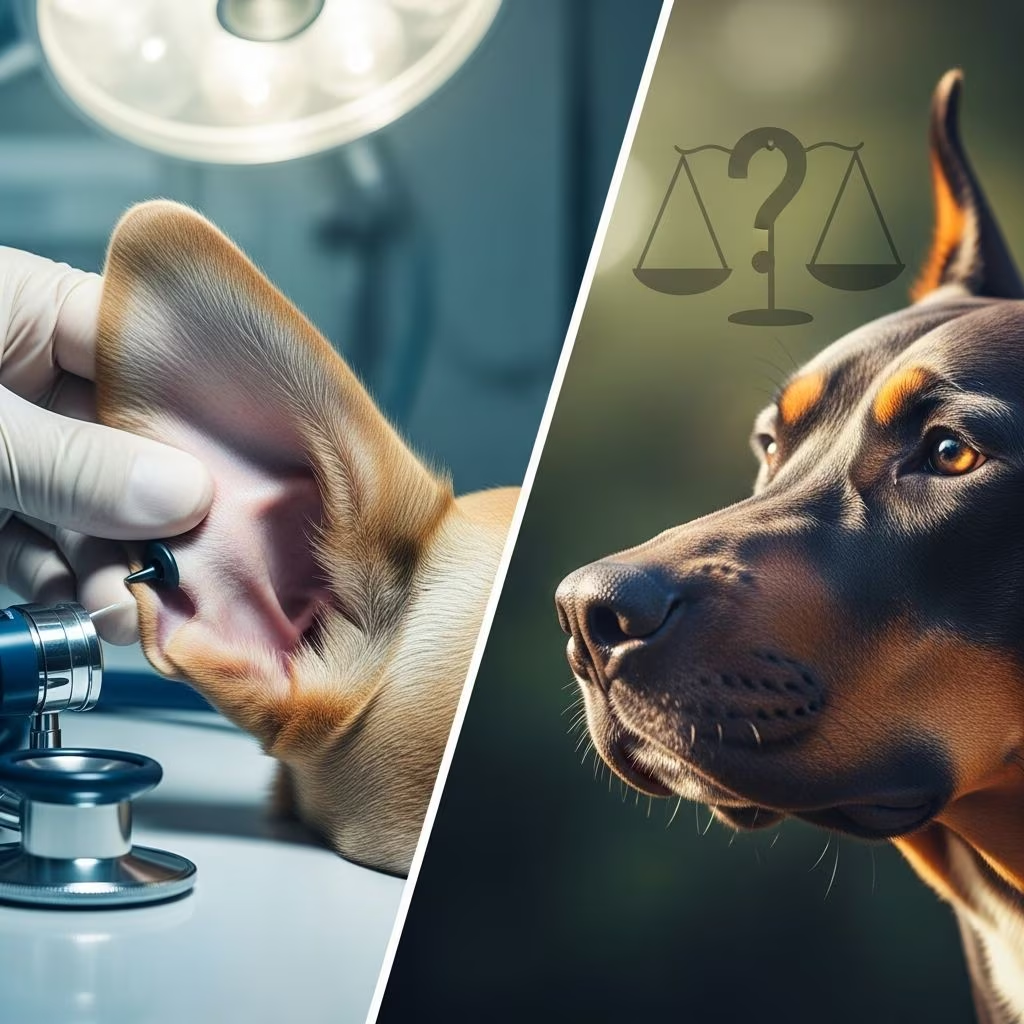
Ear cropping represents one of the most debated surgical procedures in modern veterinary medicine. This elective cosmetic surgery involves the surgical removal of portions of a dog’s external ear flaps to achieve a specific aesthetic appearance, typically resulting in pointed or erect ears. While some breeders and owners view the procedure as integral to maintaining breed standards, veterinary organizations worldwide increasingly question its medical necessity and ethical implications.
Understanding the Surgical Fundamentals
Ear cropping, formally known as cosmetic otoplasty, involves the removal of part or all of a puppy’s auricles or pinnae—the external visible portions of the ear structure. The procedure is performed using surgical instruments such as scissors or sharp blades to precisely cut away tissue that will then be shaped or removed entirely. Depending on the extent of the surgical intervention, the remaining tissue is typically closed using sutures or surgical adhesive. Following the initial surgery, many veterinarians employ taping and bandaging techniques to position the healing ear tissue in an upright stance, encouraging the development of the desired pointed appearance.
Modern surgical approaches increasingly utilize laser technology for the cropping procedure. Surgical lasers offer significant advantages over traditional cutting methods, including enhanced precision, reduced post-operative bleeding, decreased swelling, and minimized infection risks. Additionally, laser-assisted procedures typically result in faster healing times and reduced post-operative discomfort for the animal.
Timing Considerations in Surgical Planning
The age at which ear cropping is performed carries substantial importance for surgical success and animal welfare. Veterinarians typically perform this procedure on puppies between 6 and 12 weeks of age, with some practitioners preferring the earlier end of this spectrum. The optimal timing depends on several factors including breed size, individual development rate, and body condition.
Younger puppies generally present advantages for the procedure. The cartilage in younger animals remains softer and more pliable, making it easier to shape into the desired configuration. Additionally, performing the surgery at this developmental stage allows for continued ear development and positioning as the puppy matures. Most veterinarians decline to perform ear cropping on puppies exceeding five months of age, as delayed procedures significantly compromise the likelihood of achieving proper ear stance and may complicate the healing process.
The reasoning behind early intervention extends beyond surgical convenience. Anecdotal evidence suggests that older animals may experience greater pain from the procedure compared to younger puppies, though this remains an area of ongoing veterinary discussion.
Breed Predisposition and Traditional Applications
Certain dog breeds have become historically and visually associated with cropped ears, despite being born with naturally floppy or pendant ear structures. These breeds include:
- Doberman Pinschers
- Boxers
- Great Danes
- Miniature Pinschers
- Schnauzers
- American Pit Bulls and Staffordshire Terriers
- American Bullies
For many of these breeds, the pointed ear appearance has become so culturally embedded in breed recognition that owners and breeders seek ear cropping to maintain consistency with established aesthetic standards and breed conventions. However, it is important to recognize that these breeds’ natural ear structure differs significantly from their commonly recognized appearance in popular media and show circuits.
Historical Context and Evolution of Perspective
Historically, ear cropping originated from practical rather than purely aesthetic motivations. Working dogs, particularly those engaged in hunting or protection roles, had their ears cropped to reduce injury risk during confrontations with prey or adversaries. The removal of external ear flaps theoretically diminished the likelihood of traumatic ear injuries that could compromise hearing or cause infection.
Contemporary veterinary science has fundamentally challenged these historical justifications. Modern research demonstrates conclusively that ear cropping provides dogs no measurable physical, medical, or environmental advantage in today’s domestic context. The procedure is now recognized as entirely elective and cosmetic, performed exclusively to meet breed standards or satisfy owner preferences rather than to address any medical need or functional requirement.
Medical Risks and Surgical Complications
As with any surgical intervention involving general anesthesia, ear cropping carries inherent medical risks that prospective dog owners should thoroughly understand. These potential complications include:
- Adverse reactions to anesthetic medications
- Hemorrhage and blood loss
- Post-operative infection of the surgical wound
- Improper healing resulting in scarring or tissue damage
- Failure of the ears to achieve the desired upright position
- Chronic pain or sensitivity in the ear area
The severity of these complications can vary substantially depending on the surgical technique employed, the experience and qualifications of the veterinarian performing the procedure, and the quality of post-operative care provided. Ears cropped without proper veterinary oversight—particularly those cropped by unscrupulous breeders using home methods without anesthesia or pain control—face dramatically elevated complication rates.
Pain Management and Recovery Protocols
When performed by licensed veterinarians using appropriate pain management protocols, ear cropping is conducted under full general anesthesia, ensuring the puppy experiences no pain during the surgical intervention itself. However, the post-operative period represents a more challenging phase for the animal.
Proper pain management during the healing phase is crucial for minimizing the puppy’s suffering and supporting normal behavioral development. Puppies recovering from ear cropping are in their most impressionable developmental window, typically between 8 and 10 weeks of age. Inadequately managed post-operative pain during this critical period can produce lasting negative effects on how the puppy interacts with their environment and family members, potentially creating long-term behavioral and emotional consequences.
Modern protocols typically include prescription pain medications administered throughout the recovery period, alongside appropriate wound care and regular monitoring for infection or complications. Healing timelines vary but generally range from several weeks to several months, depending on the extent of tissue removal and the individual puppy’s healing capacity.
Veterinary Association Positions on Ear Cropping
Major veterinary organizations have increasingly expressed reservations about ear cropping as a routine practice. The American Veterinary Medical Association and comparable organizations in numerous countries have evaluated the available scientific evidence and determined that ear cropping lacks medical justification. These professional bodies recognize the procedure as medically unnecessary and purely cosmetic in nature.
The consensus position among leading veterinary organizations emphasizes that while the procedure can be performed safely by qualified practitioners using modern techniques and appropriate anesthesia, the absence of medical benefit combined with genuine surgical risks creates an ethical dilemma regarding routine performance of the procedure.
Ensuring Proper Surgical Execution
Should an owner decide to proceed with ear cropping, selecting an appropriate veterinary professional becomes absolutely critical. A qualified, licensed, and experienced veterinarian represents the only appropriate choice for performing this procedure. The following considerations should guide this selection:
- Verification of current veterinary licensure and board certification
- Inquiry into the veterinarian’s experience specifically with ear cropping procedures
- Discussion of the specific surgical techniques employed, including whether laser technology is available
- Comprehensive review of anesthesia protocols and pain management strategies
- Clear explanation of the post-operative care requirements and follow-up schedule
- Understanding of potential complications and the veterinarian’s approach to managing them
When performed by a qualified professional using modern techniques such as surgical lasers, ear cropping is considered relatively safe. The use of surgical lasers specifically enhances precision, reduces post-operative pain and swelling, and minimizes infection risks compared to traditional cutting methods.
Post-operative Care and Long-term Management
Successful ear cropping extends far beyond the surgical procedure itself. The quality of post-operative care directly determines whether even a technically excellent surgery will result in the desired aesthetic outcome. Without meticulous adherence to aftercare instructions, even a perfectly executed surgery can result in ears that fail to stand upright or develop properly.
Essential post-operative care components include:
- Maintaining strict wound hygiene to prevent infection
- Following the veterinarian’s specific taping and bandaging protocols
- Administering prescribed pain medications as directed
- Restricting physical activity to prevent complications
- Attending all scheduled follow-up appointments for progress assessment
- Monitoring for signs of infection, excessive swelling, or other complications
The healing timeline varies but typically extends several weeks to months. The veterinarian provides guidance throughout this period, making adjustments to taping and positioning as the ears heal and the puppy develops.
Frequently Asked Questions About Ear Cropping
Is ear cropping painful for dogs?
When performed under proper general anesthesia by a qualified veterinarian, the surgery itself is painless. However, the post-operative recovery period involves genuine pain and discomfort, though this can be managed effectively with prescribed pain medications similar to those used for other routine surgeries such as spaying or neutering.
What is the success rate for ear cropping procedures?
Success rates depend heavily on the veterinarian’s experience, the surgical technique employed, the puppy’s age and breed, and the quality of post-operative care. When all factors align optimally, success rates are high, but without proper aftercare, even excellent surgical technique can fail to produce the desired result.
Can cropped ears be corrected if the procedure fails?
Yes, corrective ear surgery is sometimes possible if the initial procedure fails to achieve the desired result or complications develop. However, corrective procedures carry their own risks and complications, making prevention of initial problems through careful surgeon selection and meticulous aftercare preferable.
At what age should ears be cropped?
The optimal age for ear cropping is typically between 6 and 12 weeks of age, with some veterinarians preferring the earlier portion of this range. Most veterinarians decline to perform the procedure on puppies older than five months.
Is ear cropping necessary for breed standards?
While many breed standards traditionally include specific ear descriptions and appearances, ear cropping is not medically necessary. Breed standards represent human aesthetic preferences rather than functional requirements for the dog’s health or wellbeing.
Conclusion: Making Informed Decisions
Ear cropping remains a controversial practice within modern veterinary medicine, reflecting genuine ethical tensions between traditional breed aesthetics and contemporary understanding of animal welfare and medical necessity. While the procedure can be performed safely by qualified professionals using modern techniques and appropriate pain management, the fundamental absence of medical benefit creates legitimate questions about the ethics of routine performance.
Owners considering ear cropping for their puppies should thoroughly research this decision, consult with qualified veterinarians, understand the risks and recovery requirements, and carefully consider whether the cosmetic benefits justify subjecting their animal to surgical risks and post-operative pain. Making this decision requires honest assessment of motivation, realistic understanding of potential complications, and commitment to providing exceptional post-operative care if the procedure is pursued.
References
- Ear Cropping in Dogs — PetMD. 2024. https://www.petmd.com/dog/general-health/ear-cropping-dogs
- Comprehensive Guide to Ear Cropping in Dogs: Pros and Cons — LuvnCare. 2024. https://luvncare.net/dog-ear-cropping/
- Ear Cropping — Brentwood Animal Hospital. 2024. https://metrodcvet.com/ear-cropping/
- Ear Cropping in Dogs: Literature Review — American Veterinary Medical Association. August 2024. https://www.avma.org/sites/default/files/2024-10/avma-lit-review-ear-cropping-0824.pdf
- What You Should Know About Ear Cropping — South Meadow Animal Clinic. 2024. https://southmeadowanimalclinic.com/ear-cropping/
- Cosmetic Ear Crops — Trico Veterinary Services. 2024. https://www.tricovet.net/cosmetic-ear-crops



