

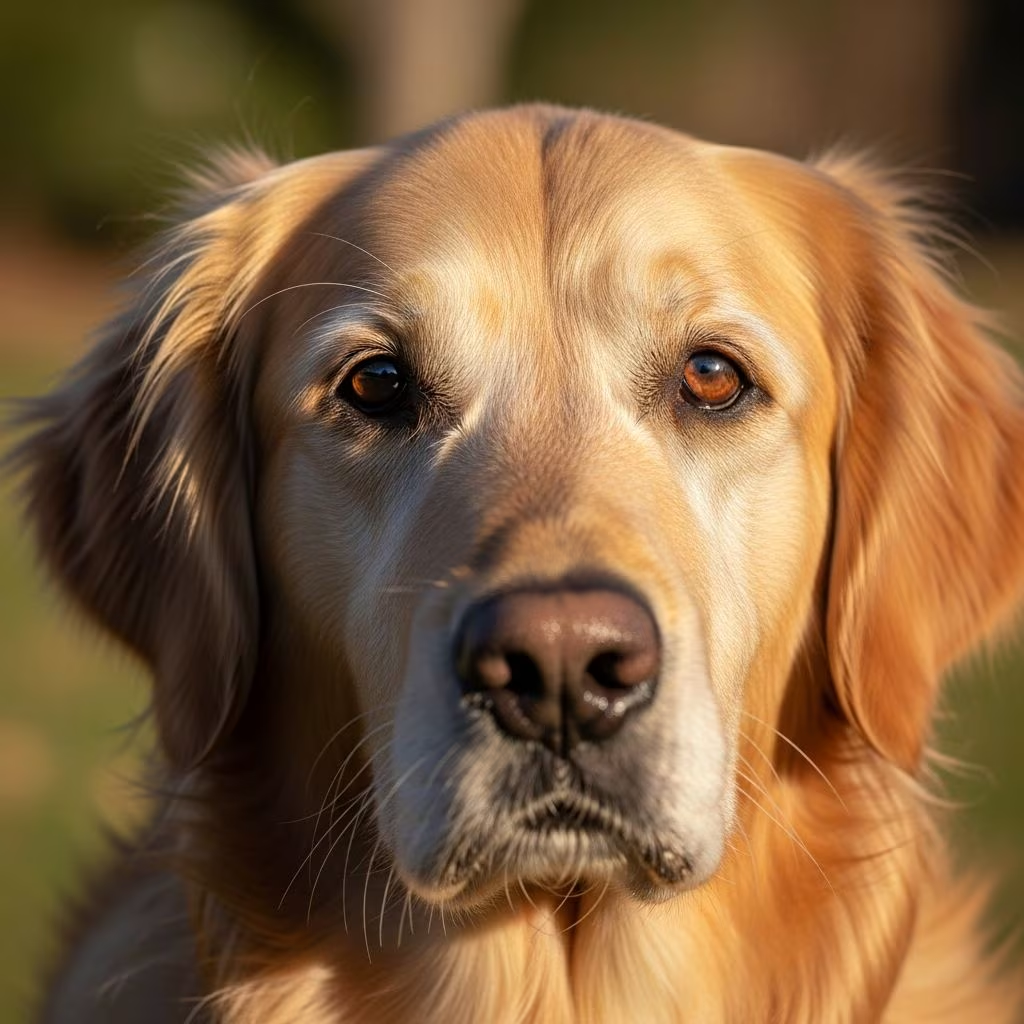
Canine dysautonomia, also known as Key-Gaskell syndrome, represents a rare and serious neurological disorder that targets the autonomic nervous system in dogs. This system governs vital involuntary processes such as heartbeat regulation, digestion, tear production, and bladder control. When it fails, dogs face a cascade of debilitating symptoms that can drastically reduce their quality of life. Although the precise origins remain elusive, recent investigations point toward environmental triggers like soil bacteria.
The Autonomic Nervous System and Its Critical Role
The autonomic nervous system operates behind the scenes, maintaining homeostasis without conscious effort. It splits into sympathetic and parasympathetic branches, balancing ‘fight or flight’ responses with ‘rest and digest’ functions. In dogs with dysautonomia, neurons in this system degenerate, leading to widespread dysfunction. This degeneration manifests progressively, often starting subtly before escalating into life-threatening complications.
Commonly affected breeds include those in rural Midwest areas, such as Missouri and Kansas, with outdoor lifestyles increasing exposure risks. Younger dogs under five years old appear more susceptible, particularly those frequenting damp, disturbed soil.
Recognizing Early Warning Signs
Early detection can make a significant difference in management. Initial symptoms often involve the eyes: pupils remain dilated (mydriasis) even in bright light, accompanied by a protruding third eyelid (nictitating membrane) and reduced tear production, causing dry eyes or keratoconjunctivitis sicca (KCS).
- Dilated pupils unresponsive to light
- Protruding third eyelid
- Decreased blinking and corneal sensitivity
Gastrointestinal disturbances follow closely, with vomiting, regurgitation, diarrhea, and severe constipation due to diminished gut motility. Dogs may exhibit a weak or absent anal tone, complicating defecation. Urinary issues like dysuria (painful urination) or retention arise from poor bladder control.
General signs include lethargy, dramatic weight loss, dehydration from reduced saliva, and in severe cases, inability to stand or exercise intolerance. Secondary complications such as aspiration pneumonia from regurgitation or heart rhythm irregularities worsen the outlook.
Factors Linked to Disease Onset
The etiology of canine dysautonomia puzzles veterinarians, with no single cause identified. Hypotheses center on environmental exposures, particularly in regions with recent upticks like the Midwest. Soil disturbed by digging may harbor spore-forming bacteria like Clostridia, known for producing neurotoxins akin to those in tetanus or botulism.
Other potential contributors include contaminated food, water, or plants, though definitive agents elude confirmation. Genetic predispositions seem unlikely given sporadic occurrences across breeds. Research at institutions like the University of Wisconsin continues to analyze soil, stool, and tissue samples for biomarkers and pathogens.
Diagnostic Approaches for Confirmation
Veterinarians rely on clinical history, physical exams, and specialized tests. Key ocular findings include absent pupillary light reflexes despite preserved vision. Pharmacologic testing with pilocarpine eye drops proves diagnostic: in affected dogs, pupils constrict within 45-60 minutes, unlike healthy ones.
| Test | Purpose | Expected Result in Dysautonomia |
|---|---|---|
| Pilocarpine Test | Assess iris control | Pupil constriction in 45-60 min |
| Tear Production (Schirmer Test) | Measure tears | Reduced or absent |
| Anal Tone Check | Evaluate sphincter | Decreased/absent |
| Bladder Expression | Check retention | Overflow incontinence |
Additional diagnostics rule out differentials like toxin exposure or infections via bloodwork, imaging, and cerebrospinal fluid analysis. Nerve biopsies, though invasive, confirm autonomic neuron loss.[10]
Supportive Treatment Strategies
No curative therapy exists; management focuses on symptom relief and preventing complications. Hospitalization often initiates intensive care.
Hydration and Fluid Management
Dehydration stems from xerostomia (dry mouth) and reduced tears. Intravenous or subcutaneous fluids restore balance, flush toxins, and support kidneys. Humidifiers aid nasal and ocular moisture.
Gastrointestinal and Nutritional Aid
Prokinetics like metoclopramide enhance motility, while antiemetics curb vomiting. Stool softeners combat constipation. Nasogastric tubes deliver nutrition if swallowing falters. Specialized diets rich in digestible nutrients and supplements bolster immunity.
Ocular and Respiratory Care
Artificial tears, lubricants like Optixcare, and cyclosporine drops (e.g., Optimmune) treat KCS. Nebulization prevents pneumonia.
Urinary and Infectious Control
Manual bladder expression or catheters manage retention. Antibiotics target secondary infections.
Vitamin therapies, including B-vitamins and antioxidants, support nerve health, administered orally, mixed in food, or via IV.
Prognosis and Long-Term Outlook
Prognosis remains grave, with survival varying by symptom severity. Dogs with manageable issues like KCS or constipation may endure months to years, while those with pneumonia or cardiac problems succumb quickly. Improvement, if any, appears within days to weeks post-treatment initiation.
Owners must commit to daily care: multiple medications, feeding tubes, and monitoring. Euthanasia considerations arise when quality of life declines.
Ongoing Research and Prevention Tips
Studies probe environmental triggers, with labs building sample banks for genetic and microbial analysis. Biomarkers like early tear reduction could enable presymptomatic detection.
Prevention involves minimizing soil exposure in high-risk areas, prompt vet visits for odd behaviors, and maintaining hygiene to avert secondary issues.
Frequently Asked Questions (FAQs)
Is canine dysautonomia contagious?
No, it does not spread between dogs or to humans.
Which breeds are most at risk?
No breed specificity, but rural, outdoor dogs in Midwest regions face higher incidence.
Can diet alone manage the condition?
Diet supports but must pair with fluids and meds; consult a holistic vet.
How quickly does the disease progress?
Variable; some stabilize with care, others deteriorate rapidly.
Are there home remedies?
Supportive only; professional veterinary intervention is essential.
References
- Dysautonomia in Dogs (Key-Gaskell Syndrome) – PetMD — PetMD. 2023. https://www.petmd.com/dog/conditions/neurological/key-gaskell-syndrome-dogs
- Canine Dysautonomia – Nervous System – Merck Veterinary Manual — Merck Veterinary Manual. 2023. https://www.merckvetmanual.com/nervous-system/dysautonomia/canine-dysautonomia
- 3 Reliable Ways to Ease Dysautonomia in Dogs — Franklin TN Vet (Marc Smith DVM). 2023. https://franklintnvet.com/dysautonomia-in-dogs/
- The Mystery of Canine Dysautonomia — AKC Canine Health Foundation. 2023. https://www.akcchf.org/educational-resources/library/articles/the-mystery-of-canine-dysautonomia/
- Dysautonomia in Dogs — WagWalking. 2023. https://wagwalking.com/condition/dysautonomia



