

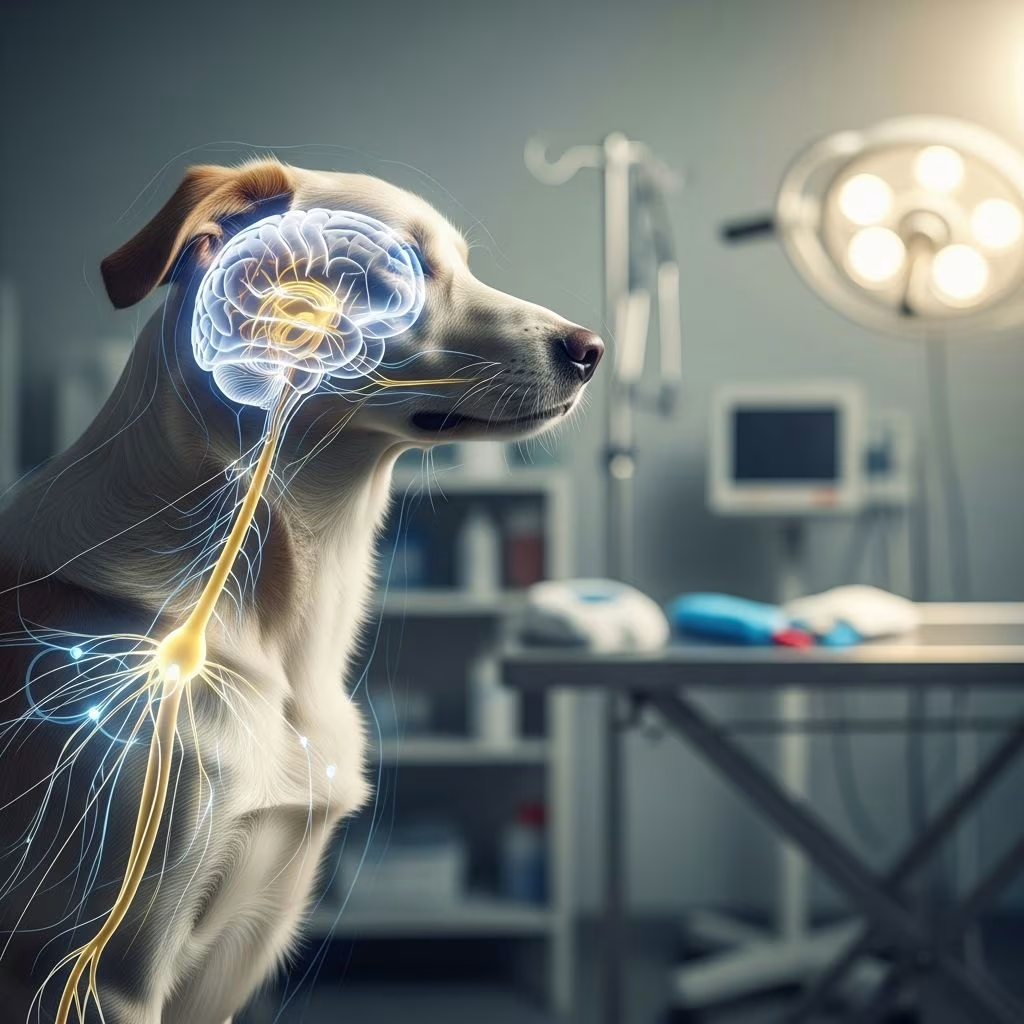
Canine dysautonomia, sometimes referred to as Key-Gaskell syndrome, represents a rare but serious neurological condition that disrupts the autonomic nervous system in dogs. This system governs vital involuntary processes such as heartbeat regulation, digestion, and tear production. When it fails, dogs face profound challenges that can drastically alter their quality of life. Although uncommon, awareness is crucial for early detection and intervention, potentially extending comfort despite the absence of a cure.
Understanding the Autonomic Nervous System in Dogs
The autonomic nervous system operates like an unseen conductor, managing functions dogs don’t consciously control. It splits into sympathetic and parasympathetic branches, balancing ‘fight or flight’ responses with ‘rest and digest’ states. In dysautonomia, nerve degeneration leads to imbalance, causing erratic signals to organs like the heart, gut, eyes, and bladder.
Picture a dog’s body as a finely tuned machine: dysautonomia throws off the wiring, resulting in symptoms from dry eyes to halted digestion. This degeneration primarily strikes postganglionic neurons, those final links transmitting signals to target tissues. Research points to widespread nerve damage in affected dogs, particularly in brainstem and gastrointestinal regions.
Recognizing Early Warning Signs
Spotting dysautonomia early hinges on observing subtle shifts in behavior and physiology. Initial signs often mimic milder ailments, delaying diagnosis. Common indicators include:
- Dry eyes and nose: Reduced tear and saliva production leads to corneal ulcers and sticky mucous membranes.
- Dilated pupils: Pupils fail to constrict in light, causing mydriasis and light sensitivity.
- Digestion woes: Constipation, vomiting, or megaesophagus (dilated esophagus preventing swallowing) emerge prominently.
- Urinary difficulties: Bladder retention or incontinence due to poor sphincter control.
- Weakness and lethargy: Dogs may appear uncoordinated, unable to stand, or unusually fatigued.
Secondary complications like pneumonia from aspirated food or severe weight loss compound issues. Owners report dogs seeming ‘spacey’ or bewildered, reflecting broader neurological impact.
Risk Factors and Geographic Patterns
Dysautonomia favors certain profiles: young dogs under five years, especially medium to large breeds, and those in rural Midwest U.S. areas like Missouri and Kansas. Outdoor dogs digging in damp, disturbed soil face heightened risk, possibly from environmental triggers like Clostridium bacteria spores.
| Risk Factor | Description | Prevalence Insight |
|---|---|---|
| Age | Median 14 months | Over 75% of cases |
| Breed/Size | Medium-large breeds | Common in studies |
| Location | Midwest U.S. | Clusters reported |
| Lifestyle | Outdoor/rural access | Linked to soil exposure |
No definitive genetic link exists, but environmental culprits like toxins or contaminated water are suspected. Recent upticks in cases prompt ongoing soil and tissue analyses.
Diagnostic Approaches for Confirmation
Veterinarians rely on clinical history, physical exams, and targeted tests. Key diagnostics include:
- Ocular tests: Pilocarpine drops constrict pupils in dysautonomia cases within 45-60 minutes, unlike healthy eyes.
- Tear production check: Schirmer tear tests reveal low values, confirming keratoconjunctivitis sicca.
- Imaging: Radiographs detect megaesophagus or diluted intestines; ultrasounds assess bladder status.
- Neurological eval: Absence of pupillary reflexes, decreased anal tone, and overall autonomic failure signs.
Definitive diagnosis may involve nerve biopsies showing degeneration, though often pursued post-mortem. Ruling out toxins or infections is essential.
Management Strategies: Supportive Care Essentials
With no cure, focus shifts to symptom palliation and complication prevention. Prognosis varies: mild cases may stabilize, but most prove fatal within weeks to months without aggressive care.
Hydration and Nutrition Support
Dehydration from dry mouth and poor intake demands fluid therapy. Intravenous or subcutaneous fluids restore balance, while nasogastric tubes deliver nutrition directly to the stomach.
Specialized diets emphasize digestible, nutrient-dense foods supplemented with vitamins to bolster immunity. Consult holistic vets for tailored plans countering malnutrition.
Medication and Symptom Relief
Drugs like bethanechol aid urinary function (1-2.5 mg PO, 2-3 times daily); antiemetics (e.g., Cerenia) curb vomiting. Artificial tears prevent eye damage; laxatives manage constipation.
Vitamin therapies, administered orally, mixed in food, or via IV, support nerve health and overall vitality.
Hospitalization and Monitoring
Severe cases require inpatient care for round-the-clock fluids, feeding, and pneumonia prevention via elevated feeding positions.
Prognosis and Long-Term Outlook
Survival hinges on symptom severity and response speed. Some dogs improve within 24 hours to 4 weeks, regaining partial function; others succumb rapidly. Fewer than 20% recover fully, with euthanasia common due to suffering.
Owners face tough decisions: quality of life assessments guide choices. Early intervention boosts odds of managing chronic symptoms at home.
Prevention Tips for At-Risk Dogs
Though unpreventable directly, minimize risks:
- Limit digging in disturbed Midwest soil.
- Ensure clean water sources, avoiding potential contaminants.
- Regular vet checkups for outdoor young dogs.
- Monitor for early dry eye or digestion changes.
Ongoing research into biomarkers and environmental triggers promises better detection.
Frequently Asked Questions (FAQs)
Is dysautonomia contagious?
No, it’s not transmitted dog-to-dog or to humans.
Can my dog fully recover from dysautonomia?
Full recovery is rare; management is key, with variable outcomes.
What breeds are most affected?
Medium to large breeds, especially in specific regions; no breed exclusivity.
How much does treatment cost?
Varies widely; hospitalization and ongoing care can exceed thousands.
Is there a vaccine or preventive drug?
None currently; research continues.
References
- Dysautonomia in Dogs (Key-Gaskell Syndrome) – PetMD — PetMD. 2023. https://www.petmd.com/dog/conditions/neurological/key-gaskell-syndrome-dogs
- 3 Reliable Ways to Ease Dysautonomia in Dogs — Franklin TN Vet (Marc Smith DVM). 2023. https://franklintnvet.com/dysautonomia-in-dogs/
- All About Dysautonomia: The Key-Gaskell Syndrome — PetCareRx. 2023. https://www.petcarerx.com/article/all-about-dysautonomia-the-key-gaskell-syndrome/6317
- The Mystery of Canine Dysautonomia — AKC Canine Health Foundation. 2023. https://www.akcchf.org/educational-resources/library/articles/the-mystery-of-canine-dysautonomia/
- Dysautonomia in dogs: a retrospective study — PubMed/NCBI (peer-reviewed). 1996-07-01. https://pubmed.ncbi.nlm.nih.gov/8743207/
- Dysautonomia in Dogs — WagWalking. 2023. https://wagwalking.com/condition/dysautonomia
- Dysautonomia in Dogs – Dog Owners – MSD Veterinary Manual — MSD Veterinary Manual. 2023. https://www.msdvetmanual.com/dog-owners/brain-spinal-cord-and-nerve-disorders-of-dogs/dysautonomia-in-dogs



