

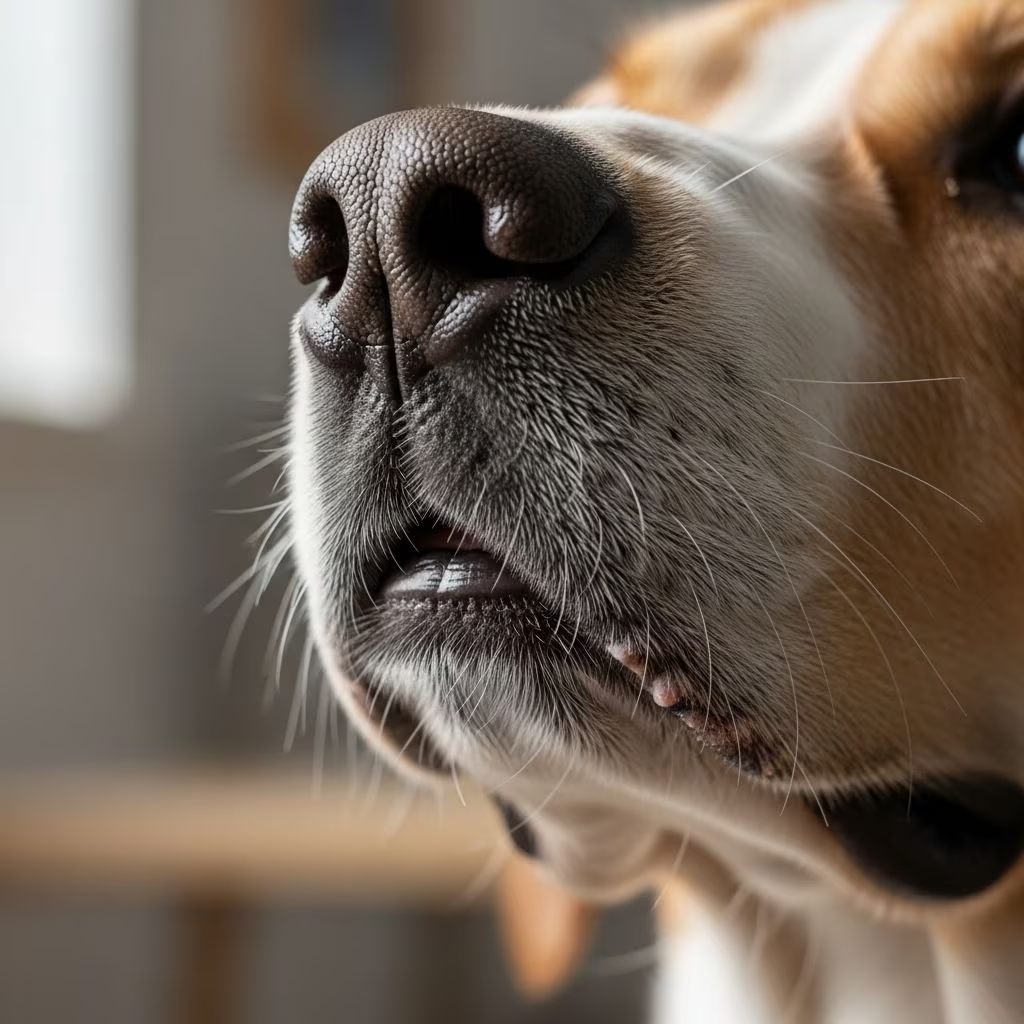
Dogs can indeed experience dry or chapped lips, similar to humans, though it’s less frequent. This condition manifests as flaky, red, or cracked skin around the mouth, often causing discomfort. Understanding the triggers and remedies helps pet owners address it promptly.
Recognizing Symptoms of Dry Lips in Dogs
Early detection is key to preventing escalation. Watch for these signs:
- Dry, flaky skin encircling the lips
- Redness or inflammation at lip edges
- Cracking or peeling in severe cases
- Excessive licking or pawing at the mouth
- Reluctance to eat due to soreness
These symptoms might appear suddenly or develop gradually, depending on the cause. Breeds with loose facial skin, like Bulldogs or Spaniels, show these more often due to moisture-trapped folds.
Common Triggers Behind Dry Canine Lips
Several factors contribute to this issue. Environmental changes play a big role, but underlying health problems can also be culprits.
Environmental Influences
Low humidity, especially in winter or arid regions, strips moisture from a dog’s skin. Cold winds and dry air exacerbate this, leading to rapid drying. Dehydration from insufficient water intake compounds the problem, as hydrated dogs maintain better skin integrity.
Allergies and Irritants
Exposure to pollen, dust, or chemicals irritates sensitive lip skin. Food allergies or reactions to chew toys made from rough materials like jute can provoke dryness. Dogs with atopic dermatitis often see lip involvement.
Breed-Specific Vulnerabilities
Flat-faced breeds such as Pugs, French Bulldogs, and Shar-Peis are prone due to lip folds that trap saliva and debris, fostering bacterial growth. This leads to fold dermatitis, a moist environment turning dry and cracked.
Health-Related Causes
Skin disorders like pyoderma or hyperkeratosis cause excessive scaling. Autoimmune issues or vitamin shortages, particularly in fatty acids, weaken skin barriers. Older dogs may face age-related dryness.
| Cause Category | Examples | Affected Breeds |
|---|---|---|
| Environmental | Low humidity, cold weather | All breeds |
| Allergies | Pollen, food irritants | Atopic-prone |
| Breed Traits | Lip folds | Bulldogs, Pugs |
| Health Issues | Dermatitis, dehydration | Senior dogs |
Safe At-Home Management Strategies
While professional advice is essential, some gentle interventions can provide relief. Always prioritize dog-specific products to avoid ingestion risks.
Moisturizing Balms for Dogs
Opt for vet-recommended balms with natural ingredients like coconut oil, hemp seed oil, or chamomile. These hydrate without toxicity if licked. Apply sparingly to outer lips, avoiding inner areas. Products like Snout Soother offer antifungal benefits for infected cases.
Dietary Supplements
Incorporate omega-3 rich oils such as salmon, krill, or flaxseed into meals. A teaspoon daily supports skin health from within, reducing inflammation. Consult a vet for dosage to match your dog’s size.
Warning: Avoid human products like Vaseline or Aquaphor near the mouth, as ingestion may cause digestive upset.
Veterinary Interventions for Persistent Cases
If home care fails, seek vet care. Diagnosis might involve skin scrapes or allergy tests to pinpoint causes.
- Topical Treatments: Medicated ointments for severe cracking.
- Antibiotics: For bacterial infections in folds.
- Antifungals: If yeast overgrowth is present.
For fold dermatitis, vets recommend cleaning routines with specialized wipes to dry out moist areas.
Proactive Prevention Measures
Stopping dry lips before they start involves lifestyle tweaks tailored to the cause.
- Ensure constant fresh water access, increasing during hot or dry spells.
- Limit outdoor time in harsh weather; use protective gear if needed.
- Maintain a balanced diet with skin-supporting nutrients.
- Regularly clean facial folds in wrinkly breeds with pet-safe solutions.
- Monitor for allergens and switch chews to softer options.
Daily Lip Care Routine for High-Risk Dogs
Implement this simple schedule:
- Morning: Wipe lip areas with a damp cloth.
- Meals: Add omega oil supplement.
- Evening: Apply balm if dryness appears.
- Weekly: Full fold cleaning and inspection.
Frequently Asked Questions
Do all dogs get chapped lips?
No, but brachycephalic breeds and those in dry climates are more susceptible.
Is coconut oil safe for dog lips?
Yes, in moderation as part of a balm or food additive, but pure application requires vet approval.
How long do treatments take to work?
Mild cases improve in days; infections may need weeks with meds.
Can dry lips signal serious disease?
Possibly; persistent issues warrant checks for autoimmune or nutritional deficits.
What’s the best balm ingredient list?
Look for organic oils like shea butter, jojoba, and anti-inflammatories without parabens.
Long-Term Skin Health for Your Dog
Beyond lips, holistic care bolsters resilience. Regular grooming, humidity-controlled environments, and annual vet skin exams prevent recurrence. Track changes in a journal to share with your vet for personalized plans.
By addressing dry lips proactively, you enhance your dog’s comfort and quality of life. Collaborate with professionals for optimal outcomes.
References
- Do Dogs Get Chapped Lips? Vet-Verified Health Facts — Dogster. 2023. https://www.dogster.com/dog-health-care/do-dogs-get-chapped-lips
- Can dogs get chapped lips? — BetterPet. 2023. https://www.betterpet.com/learn/dog-chapped-lips
- Dry Dog Lips Causes Of Dry Lips In Dogs And How To Naturally… — Natural Dog Company. 2023. https://naturaldog.com/blogs/whole-dog-health/dry-dog-lips-naturally-treat-dry-dog-lips
- How to Prevent Lip Fold Dermatitis in Your Pup — Squishface. 2023. https://squishface.com/blogs/blog/how-to-prevent-lip-fold-dermatitis-in-your-pup
- Fold Dermatitis in Dogs – Symptoms, Causes, Diagnosis, Treatment — WagWalking. 2023. https://wagwalking.com/condition/fold-dermatitis



