
Canine Dry Eye: Detection, Treatment, And Home Care Guide
Discover how to spot dry eye in dogs early, understand its roots, and apply effective treatments for lasting eye comfort and vision preservation.
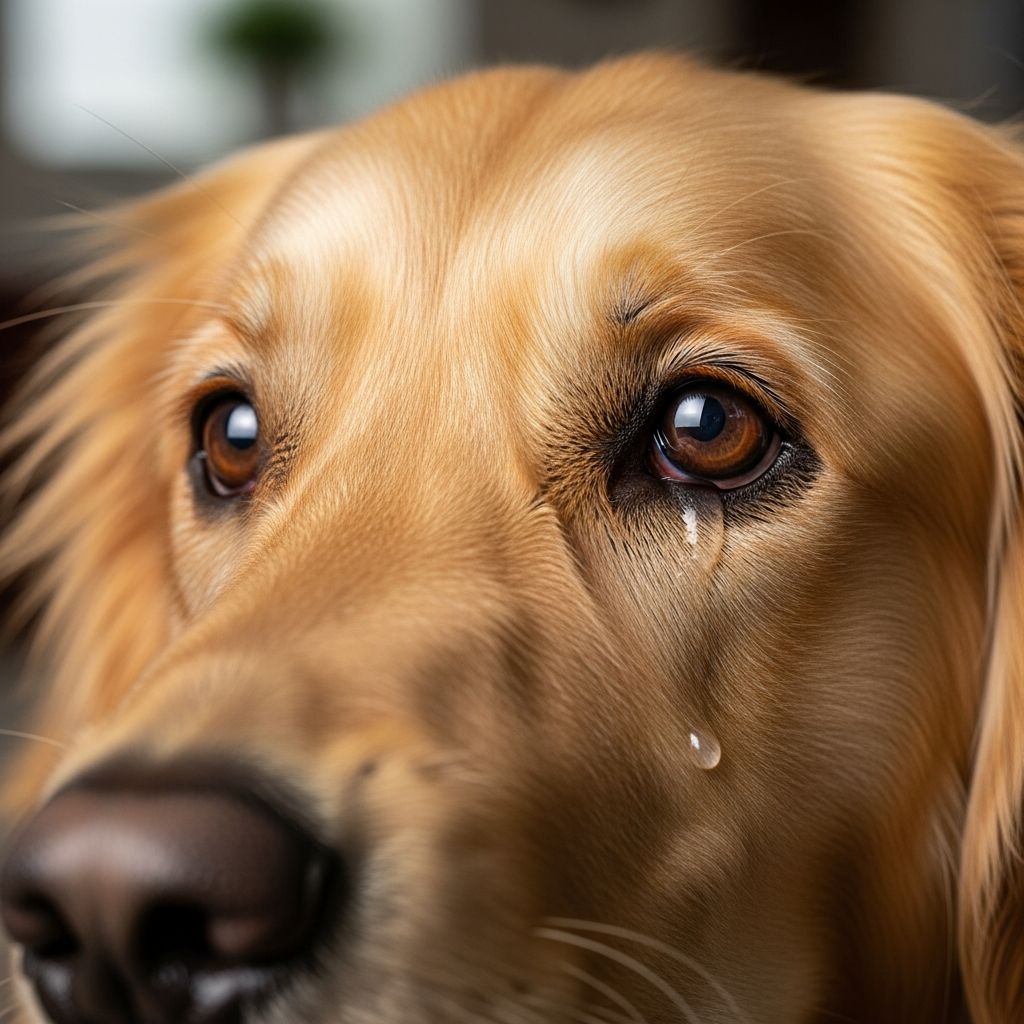
Dry eye syndrome, medically termed keratoconjunctivitis sicca (KCS), affects many dogs by diminishing tear production, leading to discomfort and potential vision loss if unmanaged. This condition disrupts the eye’s protective tear film, composed of mucin, aqueous, and lipid layers, primarily through reduced watery secretion that results in sticky, irritated eyes.
Recognizing the Warning Signs
Early identification of dry eye is crucial for preventing complications like corneal ulcers or scarring. Dogs with KCS often exhibit persistent redness, thick mucous discharge, and frequent blinking or squinting due to irritation. Affected pets may paw at their eyes excessively, showing signs of pain, and in advanced cases, the cornea clouds over from inflammation.
- Red, inflamed eyes that appear bloodshot.
- Thick, ropey discharge clinging to the eye corners.
- Constant squinting or holding eyes partially closed.
- Visible discomfort, such as rubbing against surfaces.
- Dull or hazy corneal surface in chronic instances.
These symptoms can mimic allergies or infections, so professional evaluation is essential to differentiate KCS from similar issues.
Primary Causes of Tear Deficiency
The most prevalent trigger for dry eye in dogs is an autoimmune response where the immune system targets the lacrimal glands, impairing their function. This immune-mediated destruction accounts for over 80% of cases, often linked to genetic predispositions. Other culprits include prolapsed third eyelid glands (cherry eye), where surgical removal without replacement heightens risk, and nerve damage from ear infections or trauma.
| Cause Category | Description | Prevalence |
|---|---|---|
| Autoimmune | Immune attack on tear glands | Most common (>80%) |
| Cherry Eye | Prolapsed gland leading to reduced tears | Common in young dogs |
| Medications | Sulfa drugs or anesthetics | Temporary or permanent |
| Neurogenic | Nerve damage from infections/trauma | Less frequent |
| Congenital | Missing or malformed glands | Often unilateral |
Breeds like Bulldogs, Shih Tzus, and West Highland White Terriers face higher risks due to brachycephalic features or hereditary factors.
Risk Factors That Heighten Susceptibility
While not direct causes, certain elements exacerbate dry eye development. Aging reduces natural tear output, mirroring human trends, and short-nosed breeds suffer more from exposed eyes prone to evaporation. Trauma, hypothyroidism, or infections like distemper further contribute by inflaming glands or ducts.
- Advanced age diminishing glandular efficiency.
- Brachycephalic anatomy increasing exposure.
- Endocrine imbalances such as hypothyroidism.
- Prior injuries or surgical interventions near the eye.
Accurate Diagnosis Through Veterinary Expertise
Veterinarians diagnose KCS using the Schirmer Tear Test (STT), measuring tear production in millimeters per minute—values below 15 indicate deficiency. Fluorescein staining reveals corneal abrasions, while ophthalmoscopy assesses overall eye health and nerve responses. Referral to a veterinary ophthalmologist may follow for specialized imaging or biopsies in complex cases.
Distinguishing types—aqueous deficiency, qualitative film issues, or neurogenic variants—guides tailored therapy.
Core Treatment Strategies for Relief
Management focuses on boosting tear production and safeguarding the cornea. Immunomodulators like cyclosporine (Optimmune®) or tacrolimus, applied 1-2 times daily, suppress immune attacks and restore gland function, often showing results in 4-12 weeks. Lifelong use is typical, as the condition lacks a cure.
- Cyclosporine or Tacrolimus: Primary stimulants, safe for long-term application.
- Artificial Lubricants: Gels or ointments for immediate hydration, used frequently.
- Anti-inflammatories/Antibiotics: Combat secondary infections or ulcers.
- Pilocarpine: For neurogenic cases to spur secretion.
Owners must commit to consistent dosing; non-compliance leads to relapse.
Advanced Surgical Interventions
When medications fail, parotid duct transposition reroutes a salivary duct to the eye, substituting saliva for tears. This invasive procedure suits severe, unresponsive cases but risks irritation or excess moisture. Cherry eye correction via gland tucking, rather than excision, prevents iatrogenic KCS.
Daily Home Care and Monitoring
Support treatment with gentle eye cleaning using saline, avoiding irritants. Regular vet check-ups track STT scores and adjust regimens. Nutritional supplements like omega-3 fatty acids may aid tear quality, though evidence varies.
Monitor for worsening: increased discharge or opacity signals need for prompt re-evaluation.
Preventive Measures for At-Risk Dogs
Brachycephalic owners should watch closely, using protective eyewear during wind or dust. Avoid sulfa drugs when alternatives exist, and address cherry eye early. Routine eye exams catch issues before symptoms escalate.
Prognosis with Proper Management
Treated diligently, most dogs retain vision and comfort. Untreated KCS progresses to blindness via scarring. Success hinges on adherence, with many achieving normalcy.
Frequently Asked Questions (FAQs)
Is dry eye painful for dogs?
Yes, irritation causes significant discomfort, evident in squinting and pawing.
How long until treatments work?
Immunomodulators may take 2-12 weeks; artificial tears offer instant relief.
Can all dogs get dry eye?
Certain breeds are prone, but any dog can develop it from various triggers.
Is surgery always needed?
No, medications suffice for most; surgery is for refractory cases.
What if I miss doses?
Inconsistent use risks flare-ups; maintain a strict schedule.
References
- Dry Eye in Dogs: Common Causes and Treatment Options — CareCredit. 2023. https://www.carecredit.com/well-u/pet-care/dry-eye-in-dogs/
- Dry Eye in Dogs Requires Veterinary Care — University of Illinois College of Veterinary Medicine. 2023. https://vetmed.illinois.edu/pet-health-columns/dry-eye-dogs/
- Keratoconjunctivitis Sicca (KCS) or Dry Eye in Dogs — VCA Animal Hospitals. 2023. https://vcahospitals.com/know-your-pet/keratoconjunctivitis-sicca-kcs-or-dry-eye-in-dogs
- Dry Eye Syndrome in Dogs — PetMD. 2023. https://www.petmd.com/dog/conditions/eyes/c_dg_keratoconjunctivitis_sicca
- Focusing In On Canine Dry Eye — Texas A&M University. 2023-06-09. https://stories.tamu.edu/news/2023/06/09/focusing-in-on-canine-dry-eye/
- Dry eye in dogs — PDSA. 2023. https://www.pdsa.org.uk/pet-help-and-advice/pet-health-hub/conditions/dry-eye-in-dogs
- Dry Eye Syndrome FAQs — University of Tennessee College of Veterinary Medicine. 2023. https://vetmed.tennessee.edu/wp-content/uploads/sites/4/UTCVM_Ophthalmology-DryEyeSyndrome_FAQs.pdf
- Keratoconjunctivitis sicca (KCS) in dogs — Cornell University College of Veterinary Medicine. 2023. https://www.vet.cornell.edu/departments-centers-and-institutes/riney-canine-health-center/canine-health-topics/keratoconjunctivitis-sicca-kcs-dogs
Similar Articles








Read full bio of Sneha Tete




