

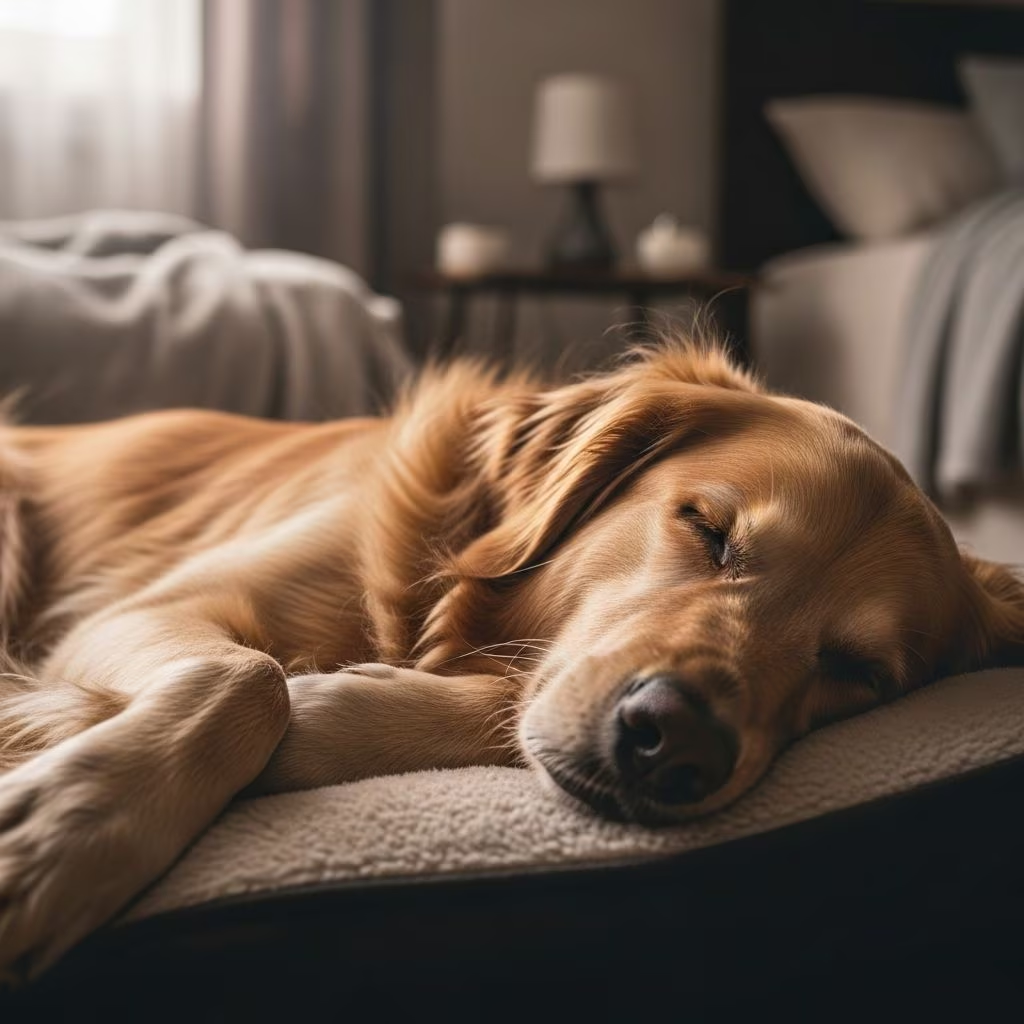
Pet owners have long observed their dogs twitching their paws, whimpering softly, and making running motions while asleep. These behaviors naturally lead to the question: are our canine companions experiencing dreams? The answer, supported by extensive neuroscience research, is a resounding yes. Dogs not only dream, but they likely dream about experiences and individuals that matter most to them in their waking lives.
The Biological Basis for Canine Dreaming
Understanding whether dogs dream requires examining their sleep architecture and comparing it to human sleep patterns. Dogs experience similar sleep cycles to humans, progressing through distinct stages that include periods of light sleep, deep sleep, and Rapid Eye Movement (REM) sleep. The REM stage is where most vivid dreams occur in both species.
During REM sleep, the brain exhibits distinct electrical activity patterns that researchers can measure and analyze. Remarkably, the brain wave signatures observed during canine REM sleep closely mirror those seen in humans during the same sleep phase. This neurological similarity suggests that dogs undergo comparable dreaming experiences to people.
How Scientists Determined Dogs Dream
Early research into animal dreaming involved fascinating experiments that provided compelling evidence. One landmark study conducted at the Massachusetts Institute of Technology focused on rats navigating mazes. Researchers recorded the specific electrical patterns produced in rats’ brains as they ran through mazes while awake. When these same rats entered REM sleep, scientists observed identical brain activity patterns, suggesting the animals were mentally replaying their maze experience during sleep.
This research was so precise that investigators could actually determine which specific section of the maze the rats were dreaming about by analyzing their brain activity. The findings demonstrated that animals replay their daily experiences during sleep, supporting the continuity hypothesis—the theory that dreams consist of memories and experiences from waking life.
Building on this research, scientists developed another method to study canine dreams more directly. By temporarily disabling the pons—the brainstem region responsible for inhibiting muscle movement during sleep—researchers could observe dogs acting out their dreams. The results confirmed what pet owners have long suspected: dogs dream about their daily activities and experiences.
The Pons: The Brain’s Sleep Regulator
A crucial component in understanding dog dreams involves the pons, a part of the brainstem that plays a vital role in sleep regulation. Normally, the pons prevents muscles from moving during REM sleep, which is why people don’t physically act out every dream. This protective mechanism prevents dangerous movements and allows for uninterrupted sleep.
In puppies, senior dogs, and very large breeds, the pons is either underdeveloped or less efficient, resulting in more visible twitching and movement during sleep. When researchers have studied what happens when the pons is temporarily inactivated, sleeping dogs have been observed performing familiar daytime actions—chasing imaginary balls, pouncing on invisible prey, and engaging in other characteristic behaviors.
What Occupies a Dog’s Dreams
Research indicates that dogs, like other animals, dream primarily about their daily experiences and the elements of their environment to which they’ve paid attention. For most dogs, this includes a fascinating mix of memories and emotional attachments.
Primary Dream Content:
- Interactions with their human owners and family members
- Playtime and physical activities from the day
- Favorite toys and games
- Food and treats they’ve enjoyed
- Social interactions with other dogs
- Familiar environments like parks or walking routes
Harvard psychologist Dr. Deirdre Barrett has conducted extensive research into animal sleep behavior and concluded that dogs dream in remarkably similar ways to humans. According to her research, since dogs form powerful emotional bonds with their owners, they likely dream about their human companions’ faces, scents, and the experiences they share. This suggests that your dog may be dreaming about you far more often than you might expect.
The Timing and Frequency of Canine Dreams
The frequency and characteristics of dog dreams vary based on the dog’s size and life stage. According to sleep studies, medium-sized dogs typically begin dreaming approximately 20 minutes after falling asleep. During dream periods, their breathing often becomes irregular and shallower compared to deep, restful non-REM sleep.
Brain wave research has revealed an interesting pattern: smaller dog breeds tend to dream more frequently than larger breeds, though their dreams are typically shorter in duration. The National Sleep Foundation reports that dogs spend approximately half of their day sleeping, with puppies, senior dogs, and larger breeds sleeping for even longer periods.
Observable Signs Your Dog Is Dreaming
Several physical indicators suggest that your dog is experiencing a dream. These manifestations occur specifically during the REM sleep phase when brain activity increases:
- Rapid Eye Movement: The darting movement of eyes beneath closed eyelids indicates the brain is processing visual imagery
- Paw Twitching: Legs may twitch or paddle as if running or walking
- Vocalizations: Muffled barks, whimpering, or growling during sleep
- Tail Movement: Wagging or thumping of the tail against the floor or bed
- Facial Expressions: Variations in facial muscles suggesting emotional responses
- Snapping or Sniffing: Movements resembling hunting or prey capture behaviors
These observable behaviors provide windows into the active mental processes occurring during your dog’s sleep, confirming that genuine dreaming is taking place.
Dreams and Memory Consolidation
Neuroscientific evidence suggests that dreaming serves important functions beyond mere entertainment during sleep. One widely accepted theory proposes that dreams help consolidate memories and process information gathered during waking hours. By mentally replaying experiences while asleep, animals—including dogs—may strengthen their learning and memory retention.
Research on zebra finches, for example, has shown that these birds practice singing in their dreams, suggesting that dreaming plays a role in skill development and refinement. Similarly, studies on cats have demonstrated that during dream-acting scenarios, cats engage in stalking, attacking, running, and grooming behaviors, implying they’re mentally rehearsing important survival and maintenance skills.
For dogs, this means that the dreams they experience while sleeping may help them process social interactions, learn from play experiences, and strengthen their emotional bonds with their families and environment.
Comparing Dog Dreams to Other Animal Dreams
Dogs are not unique in their dreaming capabilities. Research has demonstrated that many animal species experience dreams during REM sleep. The similarity of dreaming across diverse species suggests that this cognitive process provides evolutionary advantages.
| Animal Species | Evidence of Dreaming | Dream Content Characteristics |
|---|---|---|
| Rats | Brain activity replays maze navigation patterns during REM sleep | Specific, location-based replaying of daily experiences |
| Cats | Act out stalking, attacking, and grooming when pons is disabled | Predatory behaviors and self-care activities |
| Zebra Finches | Observed practicing singing during REM sleep | Skill rehearsal and behavioral refinement |
| Dogs | Similar REM sleep brain patterns to humans; act out daily activities when pons is disabled | Daily experiences, play, social interactions, and emotional attachments |
Individual Variations in Dream Activity
Not all dogs experience dreams with equal frequency or intensity. Several factors influence an individual dog’s dreaming patterns:
- Breed Size: Smaller breeds dream more frequently with shorter durations, while larger breeds dream less often but for longer periods
- Age: Puppies and senior dogs show more visible twitching due to less efficient pons development or function
- Activity Level: More active dogs likely have more varied and detailed dream content based on their waking experiences
- Emotional Bonds: Dogs with stronger attachments to their owners probably dream more frequently about those individuals
- Health Status: Overall health and neurological condition may affect sleep quality and dream frequency
Frequently Asked Questions About Dog Dreams
Can dogs have nightmares?
While research hasn’t conclusively demonstrated nightmares in dogs, the similarity between canine and human REM sleep suggests it’s possible. If your dog whimpers or appears distressed during sleep, they may be experiencing an unpleasant dream, similar to human nightmares.
Should I wake my dog if they seem to be having a bad dream?
It’s generally better to let dogs sleep through their dreams. Sudden awakening can cause disorientation and anxiety. If nightmares become frequent or severely disrupt sleep, consulting a veterinarian is advisable.
Do all dogs dream?
Yes, all dogs experience REM sleep and therefore all dogs dream. However, the frequency and intensity may vary based on age, breed, and individual characteristics.
How long do dog dreams last?
Dog dreams typically occur in brief episodes lasting from a few seconds to a few minutes during REM sleep phases, similar to human dreams.
Is it normal for dogs to move during sleep?
Yes, twitching, paw movements, and vocalizations during sleep are completely normal and indicate active dreaming. These movements are more pronounced in puppies and senior dogs.
What This Means for Dog Owners
Understanding that dogs genuinely dream provides fascinating insight into their inner mental lives. The knowledge that your dog is likely dreaming about you, your shared experiences, and the activities they enjoy during the day creates a deeper appreciation for the bond you share. When you observe your sleeping dog’s paws twitching or hear soft barks, you’re witnessing evidence of an active, engaged mind processing memories and experiences.
This scientific understanding also underscores the importance of providing dogs with enriching daily experiences, quality playtime, and strong emotional connections. These waking experiences become the material from which their dreams are constructed, contributing to their overall wellbeing and cognitive health.
References
- Harvard scientists discover that dogs dream of their human owners — Pawfect Stays. 2024. https://www.pawfectstays.co.uk/health/dogs-dreams/
- What Do Dogs Dream About? — American Kennel Club. 2024. https://www.akc.org/expert-advice/training/what-do-dogs-dream-about/
- Dogs Do Dream, and It’s Most Likely About Their Toys, Food, and You — Discover Magazine. 2024. https://www.discovermagazine.com/dogs-do-dream-and-its-most-likely-about-their-toys-food-and-you-47645
- Do Dogs Dream? Understanding the Twitches and Running — Pet Butler. 2024. https://www.petbutler.com/do-dogs-dream/
- Do Dogs Dream? What Do Dogs Dream About? — PetMD. 2024. https://www.petmd.com/dog/general-health/do-dogs-dream



