
Canine Distemper Virus: Symptoms, Treatment & Prevention
Complete guide to canine distemper: understanding symptoms, treatment options, and prevention strategies.
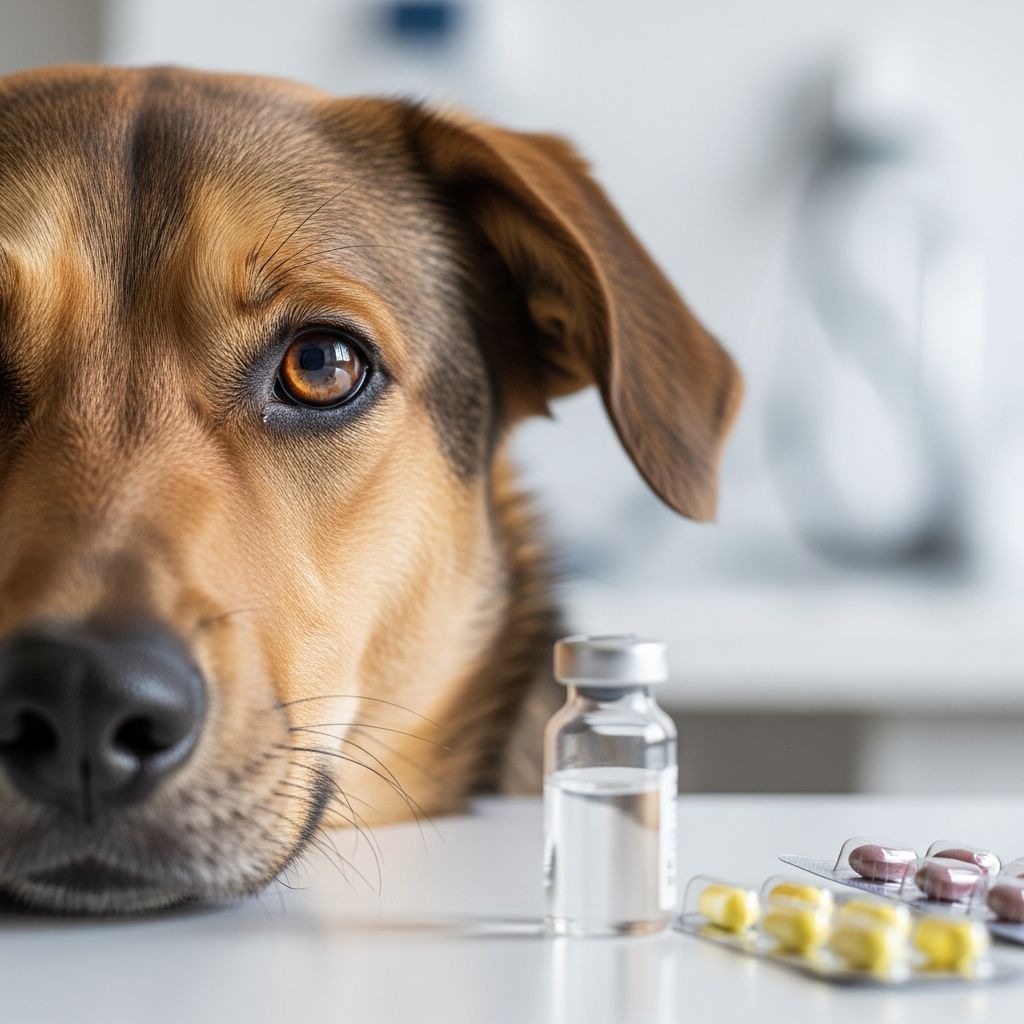
Understanding Canine Distemper Virus (CDV)
Canine distemper virus (CDV) is a highly contagious, multisystemic viral disease that affects dogs worldwide and poses a significant health threat to canine populations. This serious condition is caused by a virus closely related to the measles virus found in humans, though it does not affect human health. CDV is particularly dangerous because it attacks multiple systems within a dog’s body, including the respiratory tract, digestive system, and central nervous system, resulting in a wide range of potentially severe symptoms. Understanding this disease is crucial for dog owners, as early recognition and prompt veterinary care can significantly impact a dog’s chances of survival and recovery.
The virus spreads through direct contact with infected dogs and their bodily secretions, making prevention through vaccination the most effective strategy for protecting your canine companion. Despite advances in veterinary medicine, there is no specific cure for canine distemper, making prevention through vaccination the cornerstone of disease management.
How Canine Distemper Spreads
Canine distemper virus is highly contagious and spreads through multiple transmission routes. Dogs contract the infection through direct contact with an infected dog’s respiratory secretions, including coughs and sneezes, as well as through contact with saliva, urine, and feces. Additionally, the virus can be transmitted indirectly through contaminated surfaces and objects that an infected dog has contacted. This means that even brief exposure to an infected animal or contaminated environment poses a significant risk of infection.
Puppies and young dogs are particularly vulnerable to CDV infection, though dogs of any age can contract the disease if they lack proper vaccination. Unvaccinated or incompletely vaccinated dogs face the highest risk of infection, especially in environments where multiple dogs gather or where infected animals may be present. Wildlife species such as raccoons, foxes, and ferrets can also contract and transmit canine distemper, creating additional reservoirs for the virus in the environment.
Clinical Signs and Symptoms
The clinical presentation of canine distemper varies considerably depending on the severity of infection and the individual dog’s immune system response. Understanding the progressive nature of this disease helps owners recognize warning signs early and seek veterinary care promptly.
Initial Symptoms (Acute Phase)
The first symptoms of distemper typically appear 3 to 6 days after infection occurs. Early signs often include watery to pus-like discharge from the eyes, followed by fever, loss of appetite, and clear nasal discharge. During this initial phase, dogs commonly exhibit the following clinical signs:
Fever, clear nasal discharge, purulent (pus-like) eye discharge, lethargy, coughing, vomiting, and diarrhea represent the most common early manifestations of canine distemper. Some infected dogs may only appear to have a minor cold with eye and nasal discharge, while others may show no symptoms at all, making early detection challenging. The acute phase occurs when the virus invades the mucosal tissues and multiplies within the lymphoid system, causing fever and leukopenia (reduced white blood cell count) accompanied by mucosal inflammation.
Progressive and Advanced Symptoms
As the disease progresses beyond the initial acute phase, symptoms typically become more severe and varied. Dogs may develop thick yellow eye and nasal discharge, severe vomiting and diarrhea leading to dehydration, breathing difficulties and severe coughing, and chewing motions of the jaw. In some cases, dogs may develop pustular dermatitis (skin pustules), though this is relatively rare.
Neurological Complications
One of the most concerning aspects of canine distemper is its potential to invade the central nervous system and epithelial tissues after the acute phase, leading to severe neurological symptoms. These secondary phase complications can include encephalitis (brain inflammation), myoclonus (involuntary muscle twitching), focal or generalized seizures, tremors, imbalance and ataxia (loss of coordination), and limb weakness or partial paralysis. Dogs that survive the initial acute phase are often left with persistent neurological complications, including persistent nervous muscular twitches and recurrent seizures.
Hyperkeratosis of the nose and foot pads, a condition where these areas harden and enlarge due to excess keratin production, is a characteristic sign that has earned distemper the nickname “hard pad disease.” This uncomfortable condition can persist long after other symptoms have resolved.
Diagnosis of Canine Distemper
Veterinary diagnosis of canine distemper relies on a combination of clinical presentation and specific laboratory confirmation. A veterinarian will typically recognize the characteristic clinical signs in an at-risk dog and may perform additional testing to confirm the diagnosis. Diagnostic methods include antibody assays and reverse transcriptase PCR (polymerase chain reaction) testing, which can detect the presence of the virus or the dog’s immune response against it.
Early diagnosis is important because it allows veterinarians to implement supportive care measures promptly and helps prevent transmission to other dogs in the household or community.
Treatment Options
Unfortunately, there is no specific cure or antiviral treatment that directly eliminates canine distemper virus from an infected dog’s system. Instead, treatment focuses entirely on supportive care measures designed to help the dog’s immune system fight the infection and manage symptoms while the body works to resolve the infection on its own.
Supportive Care Measures
The foundation of canine distemper treatment consists of comprehensive supportive care that addresses the dog’s nutritional, hydration, and symptomatic needs. Key treatment components include:
Intravenous (IV) fluid therapy to treat and prevent dehydration, which is particularly important given the severe vomiting and diarrhea often associated with distemper. Nutritional support and balanced electrolyte solutions maintain the dog’s strength and support immune function. Broad-spectrum antibiotics (such as amoxicillin, ampicillin, or doxycycline) are administered not to treat the virus directly, as antibiotics are ineffective against viral infections, but rather to control and prevent secondary bacterial infections that frequently occur in distempered dogs.
Symptomatic Treatment
Veterinarians provide targeted symptomatic treatment to manage specific manifestations of the disease:
Anti-vomiting medications help control nausea and vomiting, reducing further fluid loss and improving the dog’s comfort. Anti-seizure medications such as diazepam or phenobarbital may be required for dogs experiencing seizures or severe neurological symptoms. Anti-pyretic and analgesic medications help manage fever and pain. Respiratory support may be necessary for dogs with severe pneumonia, potentially including oxygen therapy and hospitalization for close monitoring.
Intensive Nursing Care
Dogs diagnosed with canine distemper typically require hospitalization with intensive nursing care to optimize the chances of successful immune response. Most veterinarians recommend that infected dogs be hospitalized and isolated from other dogs to prevent transmission of the virus. Excellent nursing care, including monitoring of vital signs, assistance with feeding if necessary, and careful observation for complications, significantly improves survival rates.
Emerging Therapeutic Options
While not yet widely available or standard practice, experimental treatments show promise for future management of canine distemper. Research has demonstrated that porcine-derived anti-canine-distemper-virus antibodies, when administered as an adjunct to standard supportive care, resulted in increased survival rates in naturally infected puppies compared to those receiving supportive care alone. Additionally, case reports have described the use of intramuscular botulinum toxin injections to alleviate severe and debilitating myoclonus in some dogs.
Prognosis and Recovery
The prognosis for dogs with canine distemper varies significantly based on several factors, including the viral strain, the severity of infection, the dog’s age and overall health status, and the strength of the individual’s immune system. Some cases resolve as quickly as 10 days, while other dogs may exhibit neurological symptoms for weeks or even months afterward.
Among dogs that survive the acute phase, full recovery from respiratory and gastrointestinal signs is typically expected. However, the neurological prognosis is unpredictable and may result in permanent damage or chronic symptoms. Dogs that recover from canine distemper often experience persistent nervous muscular twitches and may suffer from recurrent seizures throughout their lives. These long-term neurological complications can significantly impact quality of life and require ongoing management.
Prevention Through Vaccination
Vaccination represents the most effective strategy for preventing canine distemper and is highly protective when administered according to recommended schedules. Puppies typically receive a series of vaccinations starting at 6 to 8 weeks of age, with boosters given every 3 to 4 weeks until 16 weeks of age, followed by a booster at one year of age and then every 3 years thereafter.
Vaccination is very effective in preventing canine distemper and has dramatically reduced the incidence of this once-common disease in vaccinated populations. Maintaining an appropriate vaccination schedule throughout a dog’s life provides crucial protection against this serious threat.
Special Considerations
Impact on Immune System
Canine distemper virus significantly weakens the immune system, making infected dogs susceptible to secondary bacterial infections and other complications. This immunosuppression can lead to serious conditions including septicemia (bloodstream infection), disseminated intravascular coagulation (DIC), and in some cases, death.
Risk Factors
Certain dogs face elevated risk of severe disease or poor outcomes, including very young puppies with incomplete vaccination series, senior dogs with declining immune function, and dogs with concurrent health conditions or malnutrition. Unvaccinated dogs of any age remain vulnerable to infection throughout their lives.
Frequently Asked Questions About Canine Distemper
Q: Can humans catch canine distemper from infected dogs?
A: No, canine distemper virus does not affect humans. While it is closely related to the measles virus found in people, CDV cannot infect or cause disease in humans, making it safe for owners to handle infected dogs without personal risk of infection.
Q: How long does canine distemper last in an infected dog?
A: The duration of canine distemper varies considerably. Some cases resolve as quickly as 10 days, while other dogs may exhibit symptoms for weeks or even months, particularly if neurological complications develop. The timeline depends on the viral strain and the dog’s immune response.
Q: What is the survival rate for dogs with canine distemper?
A: Survival rates depend on the severity of neurological signs and the quality of supportive care provided. Dogs with mild respiratory and gastrointestinal symptoms have better prognosis than those with severe neurological complications. Prompt veterinary intervention and intensive supportive care significantly improve survival chances.
Q: Can a dog that recovers from distemper transmit the virus to other dogs?
A: Dogs that recover from canine distemper are not contagious and cannot transmit the virus to other dogs. Once recovered, the immune system has cleared the virus from the body.
Q: Should my vaccinated dog be concerned about distemper exposure?
A: Properly vaccinated dogs have strong protection against canine distemper and face minimal risk of infection. Maintaining regular booster vaccinations according to your veterinarian’s recommendations ensures continued protection throughout your dog’s life.
Q: What should I do if my dog shows signs of distemper?
A: Contact your veterinarian immediately if your dog displays symptoms such as fever, eye and nasal discharge, coughing, vomiting, or diarrhea. Early veterinary intervention allows for prompt diagnosis and initiation of supportive care, which is critical for improving outcomes.
Conclusion
Canine distemper virus remains a serious threat to unvaccinated dogs worldwide, capable of causing severe multisystem disease with potentially fatal outcomes. While modern veterinary medicine provides excellent supportive care options for infected dogs, prevention through vaccination remains the most effective strategy for protecting canine populations. By maintaining appropriate vaccination schedules, avoiding exposure to unvaccinated dogs, and seeking prompt veterinary care when symptoms appear, dog owners can significantly reduce the risk of this devastating disease affecting their pets and their communities.
References
- Canine Distemper Virus — Auburn University College of Veterinary Medicine. 2024. https://www.vetmed.auburn.edu/academic-departments/dept-of-pathobiology/diagnostic-services/molecular-diagnostics/canine-distemper-virus/
- Canine Distemper — Merck Veterinary Manual. 2024. https://www.merckvetmanual.com/infectious-diseases/canine-distemper/canine-distemper
- Distemper in Dogs: Symptoms, Causes and Treatment — PetMD. 2024. https://www.petmd.com/dog/conditions/respiratory/distemper-in-dogs
- Canine Distemper Fact Sheet — Ohio State University College of Veterinary Medicine. 2020. https://vet.osu.edu/
- Distemper in Dogs: Signs, Symptoms, Treatments — American Kennel Club. 2024. https://www.akc.org/expert-advice/health/distemper-in-dogs/
- Distemper in Dogs — VCA Animal Hospitals. 2024. https://vcahospitals.com/know-your-pet/distemper-in-dogs
Similar Articles








Read full bio of Sneha Tete




