

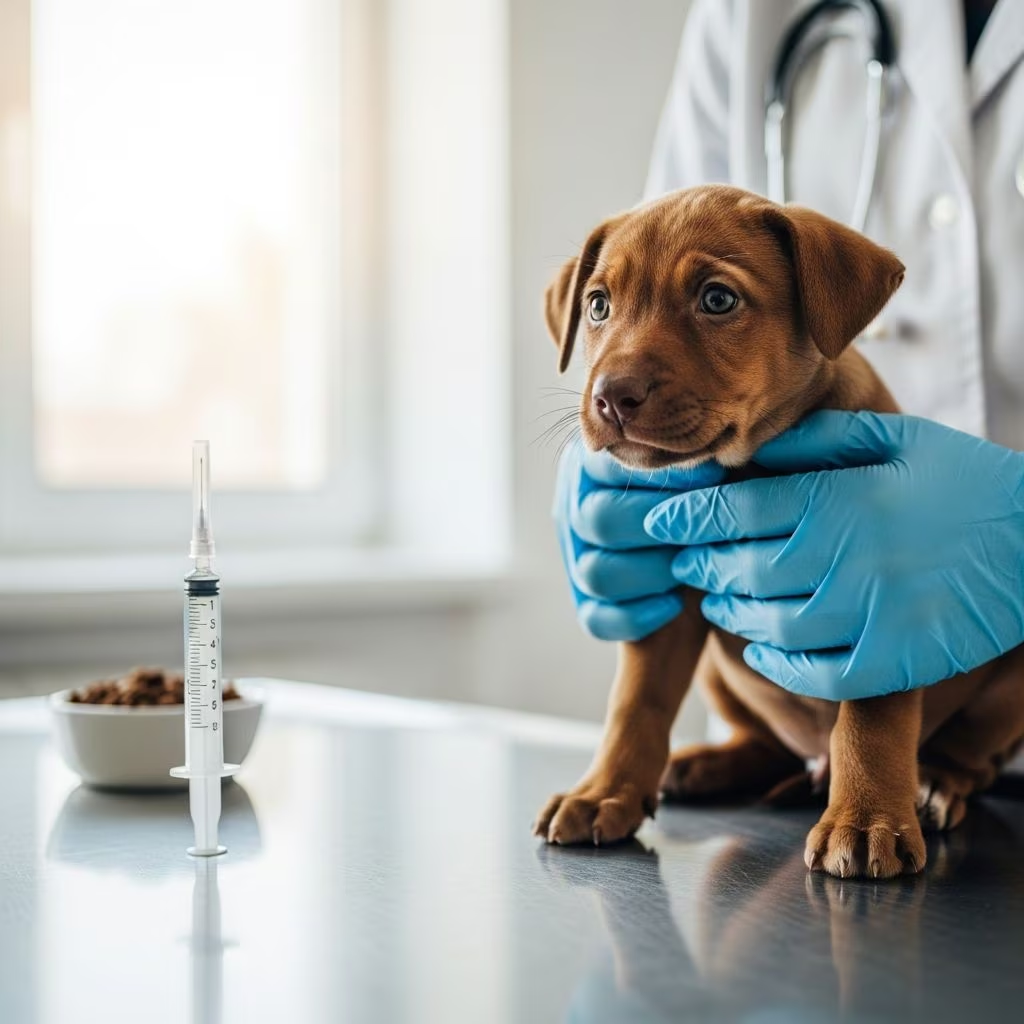
Canine distemper virus (CDV) poses a severe threat to dogs, making the distemper vaccine a cornerstone of preventive veterinary care. This core vaccine safeguards against a highly contagious disease that can lead to fatal outcomes, affecting multiple body systems.
The Threat of Canine Distemper Virus
Canine distemper is a viral infection unrelated to a dog’s temperament, despite the misleading name rooted in historical misconceptions. The virus spreads via airborne droplets, contaminated bodily fluids like nasal discharge, urine, and feces, with an incubation period of 14-18 days, though fever may appear as early as 6 days post-exposure.
CDV first targets lymphoid tissues, progressing to respiratory, gastrointestinal, and central nervous systems. Common symptoms include fever, appetite loss, nasal and ocular discharge, vomiting, diarrhea, and dehydration. Neurological involvement brings twitching, seizures known as ‘chewing gum fits,’ convulsions, blindness, paralysis, and incontinence. Survivors often endure chronic neurological decline, pain, and may require euthanasia.
Wildlife like coyotes, wolves, raccoons, and weasels can transmit the virus, amplifying risks in areas with feral populations. Unvaccinated dogs serve as reservoirs, endangering even partially vaccinated pets.
Core Role of the Distemper Vaccine
The distemper vaccine is classified as a core vaccine by major veterinary organizations, recommended for all dogs irrespective of location or lifestyle. It typically forms part of combination shots like DA2PP or DHPP, protecting against distemper (D), adenovirus (A), parvovirus (P), and parainfluenza (P).
- Modified-live virus (MLV): Most common, highly effective in stimulating immunity.
- High-titer, low-passage MLV: Enhanced for puppies with maternal antibodies.
- Recombinant vaccines: Less preferred in high-risk settings like shelters.
These vaccines train the immune system to recognize and neutralize CDV before infection establishes, contributing to herd immunity and community-wide protection.
Vaccination Schedules for Puppies and Adults
Puppies receive their initial dose at 6-8 weeks, with boosters every 2-4 weeks until 16-20 weeks to overcome maternal antibodies (MDA), which wane by 12-14 weeks.
| Age Group | Recommended Schedule | Notes |
|---|---|---|
| Puppies (6-8 weeks) | First dose | Start core series; MDA may interfere. |
| Every 2-4 weeks | Boosters until 16-20 weeks | Ensure dose at 14-16 weeks for parvovirus gap coverage. |
| Adults (post-primary series) | Booster at 1 year | Followed by every 3 years. |
| High-risk (shelters) | Immediate MLV on intake, booster in 14 days | Full immunity develops >2 weeks post-second dose. |
Annual boosters are unnecessary; triennial intervals suffice based on duration-of-immunity studies, though titers (HI, VN, ELISA) can confirm individual needs.
Safety Profile and Potential Reactions
The distemper combo vaccine is generally safe, with mild reactions like injection-site soreness or brief lethargy most common. Serious adverse events are rare, and veterinary protocols include post-vaccination monitoring.
- Mild effects: Soreness, lethargy, resolving quickly.
- Rare risks: Allergic responses; immediate vet intervention advised.
- Post-vaccination testing: MLV may cause transient positive PCR for 1-2 weeks in 20% of dogs; retest if suspected.
Veterinarians tailor schedules based on health history, lifestyle, and risk factors for maximal safety and efficacy.
Efficacy and Immune Response Factors
Proper timing ensures robust immunity. Incomplete series leaves dogs vulnerable, as full protection requires the complete protocol. Shelters emphasize immediate vaccination plus a 14-day booster to curb outbreaks.
Maternal antibodies can block MLV efficacy, necessitating multiple doses. High-titer vaccines mitigate this in challenging environments. Long-term studies support 3-year boosters, with some evidence for extended intervals, though not universally substantiated.
Combination Vaccine Benefits
Distemper vaccines often bundle protections:
- Adenovirus (Hepatitis): Causes liver failure, corneal edema, bleeding; symptoms include fever, jaundice.
- Parvovirus: Rapid dehydration, vomiting, diarrhea; heart issues in pups.
- Parainfluenza: Respiratory support in combos.
- Leptospirosis (optional): Bacterial addition in some formulations.
This multitarget approach streamlines care, reducing visit frequency while covering prevalent threats.
Risks for Indoor and Low-Exposure Dogs
No dog is immune; indoor pets risk exposure via owners’ shoes, hands, or vectors. Even low-exposure dogs benefit from core vaccines to prevent severe, costly illness.
Monitoring and Supportive Care
No cure exists for distemper; treatment is supportive—fluids, antibiotics for secondary infections, anti-seizure meds. Prevention via vaccination is paramount, as survival rates are low with neurological involvement.
Frequently Asked Questions
Is the distemper vaccine safe for all dogs?
Yes, it’s a core vaccine with mild, transient side effects in most cases. Consult your vet for breed- or health-specific risks.
Can vaccinated dogs still contract distemper?
Breakthrough cases are rare and milder in vaccinated dogs due to partial immunity.
How often are boosters needed?
One year post-series, then every 3 years; titers may extend intervals.
Do indoor dogs need this vaccine?
Absolutely—virus spreads indirectly via contaminated surfaces or people.
What if my puppy misses a dose?
Resume promptly; incomplete series risks full susceptibility.
Partnering with Your Veterinarian
Regular wellness exams ensure tailored vaccination plans. Discuss lifestyle, travel, and exposure to optimize protection. Early vaccination not only saves lives but curtails community spread.
References
- Distemper Combo Vaccine in Veterinary Care: A Critical Review of Safety, Efficacy, and Best Practices — Fairway Knolls Veterinary. 2023. https://www.fairwayknolls.com/distemper-combo-vaccine-in-veterinary-care-a-critical-review-of-safety-efficacy-and-best-practices
- Canine Distemper Playbook — Best Friends Animal Society. 2024. https://bestfriends.org/network/resources-tools/canine-distemper-playbook
- The Canine Distemper Vaccine — Southtowns Animal Hospital. 2023. https://southtownsanimalhospital.com/uncategorized/canine-distemper-vaccine/
- Key Vaccination: Canine Distemper Virus (CDV) — American Animal Hospital Association (AAHA). 2022-02-01. https://www.aaha.org/resources/2022-aaha-canine-vaccination-guidelines/canine-distemper-virus-cdv/
- Protecting Your Pet from Distemper: A Vaccine Deep Dive — Riverbend Pet. 2024. https://www.riverbendpet.com/protecting-pet-from-distemper/
- Canine Distemper Virus — Cornell University College of Veterinary Medicine. 2025. https://www.vet.cornell.edu/departments-centers-and-institutes/riney-canine-health-center/canine-health-topics/canine-distemper-virus
- Canine Distemper Vaccine — VRCVE. 2023. https://www.vrcce.com/canine-distemper.pml



