

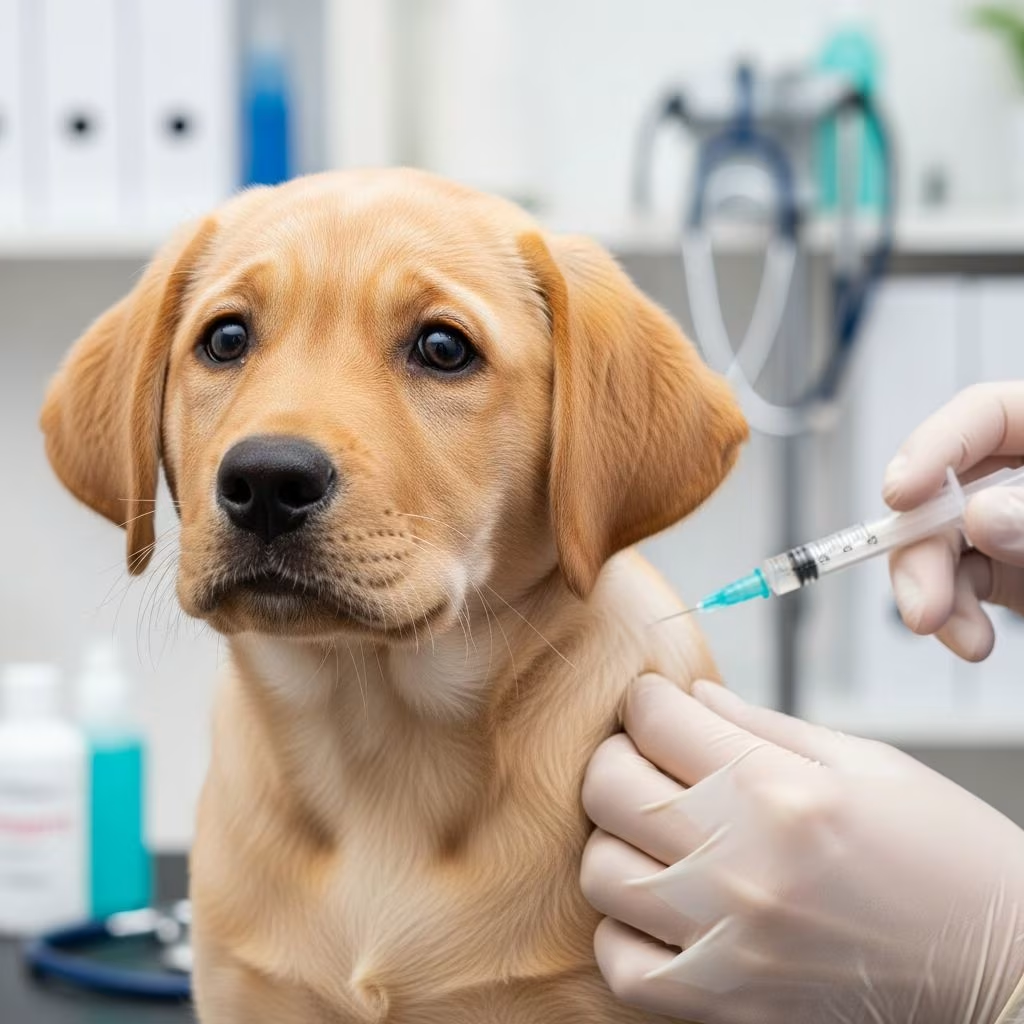
The canine distemper vaccine is a critical defense against a highly contagious and potentially lethal virus that affects dogs worldwide. This vaccine, typically administered as part of combination shots, trains the immune system to recognize and combat the virus effectively.
Understanding Canine Distemper: The Threat to Dogs
Canine distemper virus (CDV) targets multiple systems in dogs, including respiratory, gastrointestinal, and nervous systems, leading to severe symptoms like fever, coughing, vomiting, diarrhea, seizures, and often death if untreated. It spreads through airborne droplets, contaminated surfaces, or direct contact, making it a significant risk in shelters, parks, and multi-pet homes. Puppies and unvaccinated adults are most vulnerable, with mortality rates approaching 80-90% in severe cases.
Prevention remains the cornerstone of management, as no specific antiviral cure exists. Vaccination builds antibodies that neutralize the virus upon exposure, significantly reducing outbreak risks and contributing to herd immunity.
How the Distemper Vaccine Works
Most distemper vaccines use modified-live virus (MLV) technology, introducing a weakened form of CDV to stimulate immunity without causing disease. This prompts the production of protective antibodies, enabling rapid response to future exposures. Combination vaccines like DHPP (Distemper, Hepatitis, Parainfluenza, Parvovirus) or DAPP efficiently cover multiple threats in one injection.
Recombinant options exist but are less common in high-risk settings due to potentially slower immunity development. Full protection typically emerges 2-3 weeks post-vaccination, underscoring the need for series completion.
Recommended Vaccination Schedule for Puppies and Adults
Veterinary guidelines emphasize starting early to counter maternal antibodies that can interfere with vaccine efficacy. The American Animal Hospital Association (AAHA) recommends initiating at 6-8 weeks, with boosters every 2-4 weeks until 16-20 weeks.
| Age | Vaccine Dose | Notes |
|---|---|---|
| 6-8 weeks | First Dose (DHPP/DAPP) | Initial exposure to build base immunity |
| 10-12 weeks | Second Dose | Reinforces response despite maternal antibodies |
| 14-16 weeks | Third Dose | Critical for high-risk areas; extend to 18-20 weeks if needed |
| 1 year | First Booster | Confirms long-term protection |
| Every 1-3 years | Maintenance Boosters | Tailored by risk, titer tests optional |
For adult dogs entering shelters, immediate MLV vaccination followed by a booster in 14 days is advised to curb transmission. Lifestyle factors, like boarding or travel, may necessitate annual boosters.
Benefits of Vaccination: Lifelong Protection
Beyond individual safety, the distemper vaccine prevents widespread outbreaks. Core status means it’s essential for all dogs, regardless of indoor/outdoor status, as the virus persists on surfaces and clothing. Studies show vaccinated dogs experience milder or no symptoms if breakthrough occurs, and triennial boosters often suffice for sustained immunity.
- High Efficacy: Near-100% protection when series completed.
- Cost-Effective: Avoids expensive treatments for advanced distemper.
- Community Health: Reduces zoonotic risks indirectly through fewer carriers.
- Long Duration: Immunity lasting 3+ years in many cases.
Potential Side Effects and Safety Considerations
The vaccine is safe for most healthy dogs, with mild reactions like injection-site soreness, lethargy, or low fever resolving in 24-48 hours. Rare severe events, such as anaphylaxis, occur in less than 1 in 10,000 cases; monitor post-vaccination and seek immediate vet care if swelling, hives, or breathing issues arise.
Puppies with compromised immunity or certain breeds may require tailored protocols. Always disclose health history to your vet. Titer testing can assess antibody levels, potentially extending booster intervals. Indoor pets still need vaccination due to indirect exposure risks.
Combination Vaccines: Maximizing Efficiency
Distemper shots rarely stand alone. DHPP/DAPP bundles protection against adenovirus (hepatitis/respiratory), parainfluenza, and parvovirus—common co-threats. Products like NOBIVAC CANINE 1-DAPPv are proven effective from 6 weeks onward.
Discuss add-ons like Bordetella, Leptospirosis, Lyme, or canine influenza based on regional risks and lifestyle. Zoetis guidelines suggest customizing via vet consultation.
Special Scenarios: Shelters, Travel, and High-Risk Dogs
In shelters, vaccinate on intake with MLV distemper combo, boosting after 14 days for rapid herd protection. High-risk puppies (e.g., in endemic areas) benefit from protocols up to 20 weeks.
Traveling dogs or those in boarding facilities may need annual revaccination. Pregnant or immunocompromised dogs require vet approval, often delaying until safe.
Monitoring Immunity: The Role of Titer Tests
Serologic tests like HI, VN, or ELISA measure CDV antibodies post-vaccination. While not routine, they guide booster needs, especially for low-risk adults, potentially avoiding over-vaccination. Consult AAHA for interpretation.
Common Myths Debunked
- Myth: Indoor dogs don’t need it. Virus spreads via humans and fomites.
- Myth: Natural exposure is better. Too dangerous; survival doesn’t guarantee immunity.
- Myth: Annual boosters always required. Every 3 years often sufficient.
Frequently Asked Questions (FAQs)
Is the distemper vaccine safe for all dogs?
Yes, it’s safe and recommended for healthy dogs from 6 weeks. Consult vets for special cases.
Can vaccinated dogs still get distemper?
Rarely, but symptoms are milder. Complete series minimizes risk.
How often are boosters needed?
Yearly first, then every 1-3 years per vet advice and risk.
What’s in a DHPP vaccine?
Distemper, hepatitis/adenovirus, parainfluenza, parvovirus.
Do kittens need it too?
Separate feline distemper (panleukopenia) vaccine follows similar puppy protocols.
Partnering with Your Veterinarian
Custom schedules based on age, breed, location, and exposure ensure optimal protection. Regular wellness checks track vaccination status and overall health. Early intervention via vaccination saves lives and prevents suffering from this preventable scourge.
References
- Distemper Vaccine: A Complete Guide to Protecting Your Pet — SuperTails. 2023. https://supertails.com/blogs/posts/distemper-vaccine-a-complete-guide-to-protecting-your-pet
- Puppy Vaccine Guidelines — Countryside Veterinary Hospital. 2024. https://countrysideveterinaryhospital.com/puppy-vaccine-guidelines
- Canine Distemper Playbook — Best Friends Animal Society. 2023. https://bestfriends.org/network/resources-tools/canine-distemper-playbook
- Key Vaccination: Canine Distemper Virus (CDV) — American Animal Hospital Association (AAHA). 2022. https://www.aaha.org/resources/2022-aaha-canine-vaccination-guidelines/canine-distemper-virus-cdv/
- Protecting Your Pet from Distemper: A Vaccine Deep Dive — Riverbend Pet. 2024. https://www.riverbendpet.com/protecting-pet-from-distemper/
- Canine Vaccination Client Brochure — Zoetis. 2023. https://www.zoetisus.com/content/_assets/docs/PDFs/ZPN/Canine-Vaccination-Client-Brochure-SAB-00976.pdf
- NOBIVAC CANINE 1-DAPPv — Merck Animal Health. 2024. https://www.merck-animal-health-usa.com/hub/nobivac/canine-distemper/



