

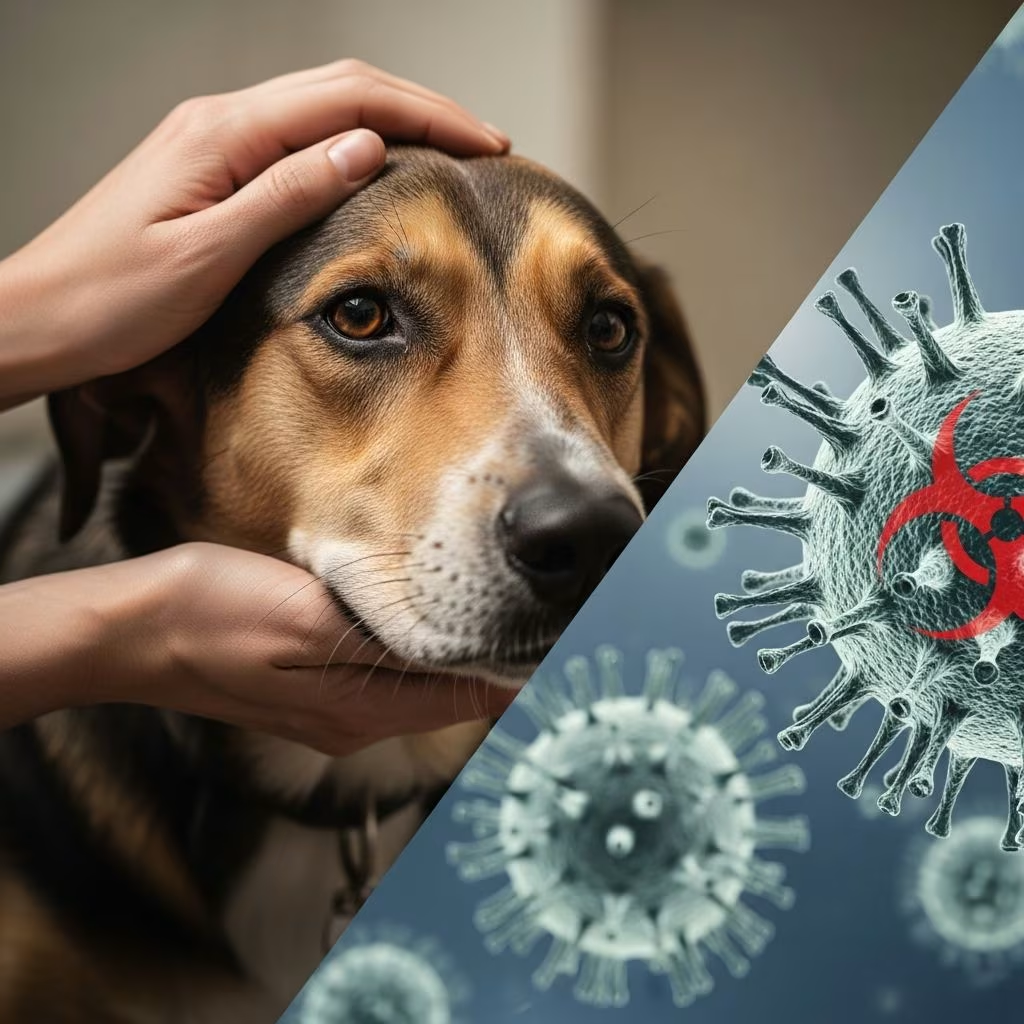
Canine distemper virus (CDV) causes a severe, multisystemic disease in dogs that targets the respiratory tract, gastrointestinal system, and central nervous system, but it does not infect humans. This paramyxovirus spreads efficiently among susceptible canines through airborne droplets or direct contact, making vaccination the cornerstone of prevention. Owners handling infected dogs should prioritize isolating pets and practicing hygiene to safeguard other animals, without personal health concerns.
Understanding the Canine Distemper Virus
The canine distemper virus belongs to the paramyxoviridae family, closely related to the human measles virus in structure and pathogenesis, though host-specific. It exhibits tropism for lymphatic, epithelial, and neural tissues, leading to immunosuppression and secondary infections. Puppies under four months and unvaccinated adults face the highest mortality rates, often exceeding 50% in severe cases. Globally, CDV remains a leading cause of death in shelters and stray populations due to its stability in environments with high dog density.
Infection begins in the upper respiratory lymphoid tissues after inhalation of viral particles from coughs, sneezes, or barks. The virus then disseminates systemically, replicating in tonsils, lymph nodes, and eventually all major organ systems. This progression weakens the immune response, mimicking measles-like lymphopenia and enabling opportunistic pathogens. Unlike bacterial infections, CDV has no specific antiviral cure, relying on supportive therapies.
Transmission Pathways in Dogs and Wildlife
CDV transmits primarily via aerosolized respiratory secretions, akin to the common cold, with infected dogs shedding virus for weeks before and after symptoms appear. Direct contact with saliva, urine, feces, or nasal/ocular discharges amplifies spread, as does placental transmission from dams to puppies. Contaminated fomites like shared bowls, bedding, or grooming tools facilitate indirect exposure, persisting in moist environments for hours to days.
- Aerosol exposure: Coughing, sneezing, or barking releases droplets infecting nearby dogs.
- Direct contact: Saliva, urine, or feces from infected animals.
- Fomite transmission: Virus on surfaces like food bowls or kennel floors.
- Vertical spread: In utero infection via placental route.
Wild carnivores such as foxes, raccoons, wolves, and African wild dogs serve as reservoirs, potentially introducing CDV to domestic pets. High-density settings like kennels, shelters, or dog parks elevate risk, where stress compromises immunity. Recovered dogs may shed intermittently for months, underscoring prolonged contagious periods.
No Zoonotic Threat: Why Humans Are Safe
Multiple veterinary authorities confirm CDV’s species specificity to canines and certain carnivores, with no documented human cases. Humans can mechanically carry virus particles on hands, clothing, or shoes, potentially spreading it to other dogs, but cannot contract or replicate the virus. This fomite-mediated transfer highlights hygiene’s role in containment without personal risk.
Laboratory studies show CDV’s hemagglutinin protein binds poorly to human receptors like CD150 or nectin-4, preventing cellular entry. Even strains adapted to primates in vitro require significant mutations for human tropism, an improbable natural event. Public health agencies and the AVMA emphasize focusing efforts on canine vaccination rather than human precautions.
| Aspect | Dogs | Humans |
|---|---|---|
| Receptor Binding | Strong (canine SLAM/CD150) | Negligible |
| Transmission Risk | High via aerosols/direct contact | None |
| Clinical Infection | Fever, rash, neuro signs | No cases reported |
| Mechanical Spread | N/A | Possible on skin/clothes |
Recognizing Early Warning Signs
Symptoms manifest 7-14 days post-exposure, starting with fever, lethargy, and serous nasal/ocular discharge. Progression includes respiratory distress (coughing, pneumonia), gastrointestinal upset (vomiting, diarrhea), and neurological deficits like ataxia, seizures, or head pressing. Hyperkeratosis of footpads and nose often signals chronic phases.
Early detection hinges on vigilance: monitor unvaccinated puppies for anorexia, mucopurulent discharges, and enamel hypoplasia in survivors. Differential diagnoses include parvovirus, kennel cough, or toxins, necessitating PCR testing or antibody titers for confirmation.
- Phase 1 (Prodromal): Fever (103-105°F), eye/nose discharge, depression.
- Phase 2 (Systemic): Pneumonia, bloody diarrhea, weight loss.
- Phase 3 (Neurologic): Myoclonus, paralysis, behavioral changes.
Supportive Treatment Protocols
Treatment centers on fluid therapy, antibiotics for secondary infections, antiemetics, and nutritional support, as no cure exists. Hospitalization for severe cases involves nebulization, plasma transfusions for antibodies, and anticonvulsants. Prognosis varies: mild respiratory forms recover in 80%, but neurologic involvement drops survival below 50%.
Home care for mild cases demands strict isolation, daily cleaning with bleach (1:32 dilution), and monitoring vitals. Appetite stimulants like capromorelin aid recovery. Long-term, survivors risk chronic encephalitis or localized infections, requiring lifelong veterinary oversight.
Vaccination: The Ultimate Defense Strategy
Core vaccines (DHPP) provide 95-99% protection when administered at 6-8 weeks, boosters every 3 weeks until 16 weeks, then annually or triennially. Maternal antibodies interfere if given too early, so titer checks guide timing. Ferrets require separate distemper vaccines due to cross-susceptibility.
Outbreaks in shelters underscore vaccination gaps; protocols include isolating suspects and vaccinating at-risk populations. Wildlife exposure necessitates boosters for rural dogs.
Practical Prevention in Households and Communities
Quarantine infected dogs for 4-6 weeks post-recovery, disinfect environments thoroughly, and limit multi-pet interactions. Handwashing and changing clothes after handling isolates prevent mechanical spread. Community education via shelters reduces incidence by promoting titering and avoiding strays.
Frequently Asked Questions
Is canine distemper fatal?
Up to 90% mortality in untreated puppies; vaccination slashes risk dramatically.
How long is a dog contagious?
Shedding peaks during illness but persists months in recovered dogs.
Can ferrets get distemper from dogs?
Yes, vaccinate ferrets separately to avoid cross-infection.
What if my dog shows symptoms?
Isolate immediately, seek veterinary PCR confirmation, and start supportive care.
Is distemper increasing in vaccinated dogs?
Rare vaccine failures occur; ensure proper protocols.
References
- Can dog distemper spread to humans? — Dial A Vet. 2023. https://www.dialavet.com/vet-answers/dog-distemper-spread-to-humans-108604
- Distemper in Dogs: Signs, Symptoms, Treatments — American Kennel Club. 2024-02-01. https://www.akc.org/expert-advice/health/distemper-in-dogs/
- Canine Distemper Virus — Cornell University College of Veterinary Medicine. 2023. https://www.vet.cornell.edu/departments-centers-and-institutes/riney-canine-health-center/canine-health-topics/canine-distemper-virus
- Cross-species transmission of canine distemper virus—an update — PMC (NCBI). 2017-06-27. https://pmc.ncbi.nlm.nih.gov/articles/PMC5462633/
- Canine Distemper Fact Sheet — Ohio State University College of Veterinary Medicine. 2020-01-23. https://vet.osu.edu/sites/default/files/documents/Canine%20Distemper%20Fact%20Sheet%2020200123.pdf
- Canine distemper — American Veterinary Medical Association. 2024. https://www.avma.org/resources-tools/pet-owners/petcare/canine-distemper
- Distemper in Dogs: Symptoms, Causes and Treatment — PetMD. 2024. https://www.petmd.com/dog/conditions/respiratory/distemper-in-dogs



