

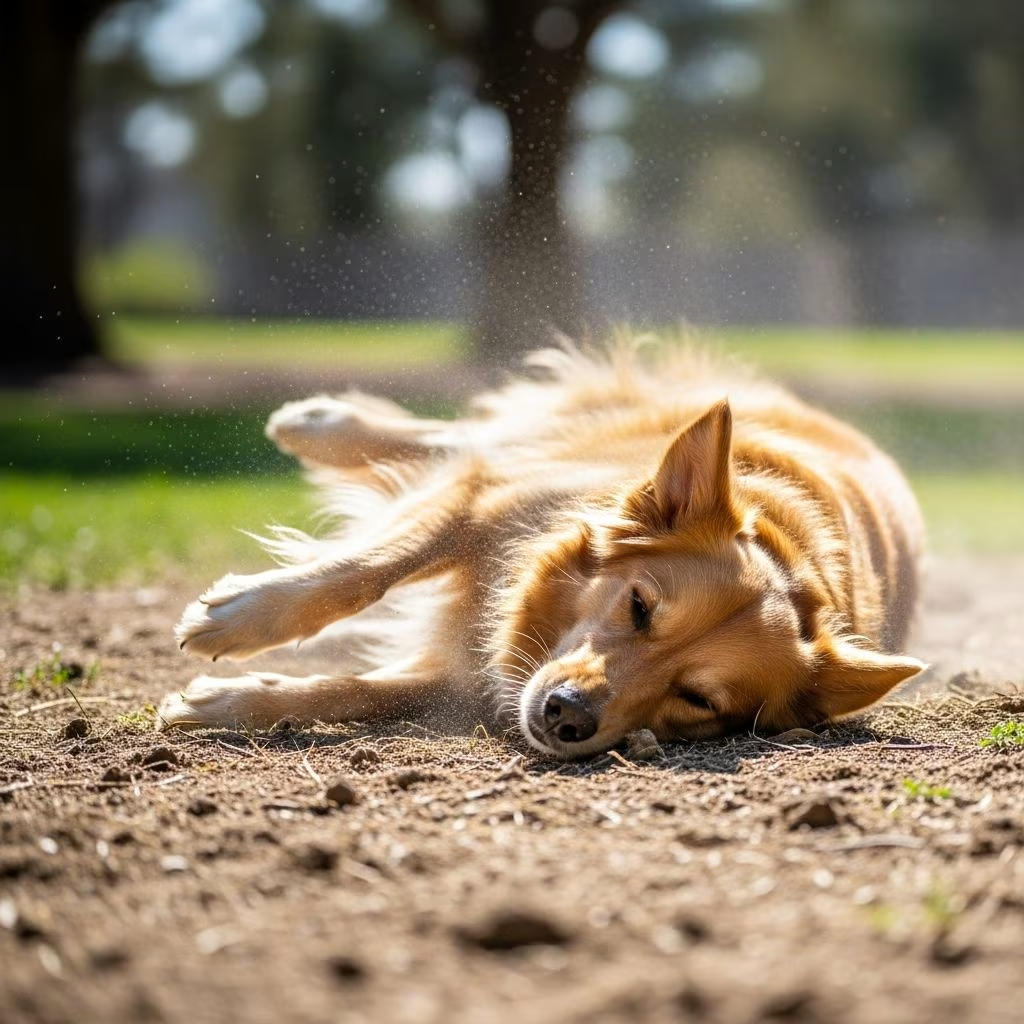
If you’ve ever watched your freshly bathed dog bolt outside and immediately throw themselves into a mud puddle, you’ve witnessed one of the most perplexing yet endearing quirks of canine behavior. While this muddy ritual might seem counterproductive or simply mischievous, the truth is far more interesting. Dogs roll in dirt for deeply rooted biological, psychological, and instinctual reasons that connect them to their wild ancestors and their present-day needs.
This behavior is completely normal and occurs in nearly all dogs, regardless of breed or size. Rather than viewing it as a problem requiring punishment, understanding the motivations behind dirt-rolling helps pet owners appreciate their dogs’ natural tendencies while learning strategies to manage the inevitable mess. Let’s explore the fascinating reasons why your canine companion finds so much joy and purpose in getting dirty.
The Ancestral Connection: Evolutionary Roots of Dirt-Rolling
To understand why modern dogs roll in dirt, we must look backward to their wild ancestors. Dogs evolved from wolves, and this ancestry has left an indelible mark on their behavioral patterns. In the wild, wolves and other canines engaged in scent-rolling as a sophisticated form of pack communication and survival strategy.
When wolves discovered something significant—whether a food source, territorial marker, or novel scent—they would roll in it deliberately. Upon returning to the pack, other wolves would investigate the scent on the returning wolf’s body and could often trace the scent back to its origin. This allowed crucial information to be shared among pack members about resources, dangers, and territorial boundaries. Your domestic dog’s compulsion to roll in dirt carries echoes of this ancient communication system, even though the survival implications have largely disappeared from their modern lives.
This ancestral behavior demonstrates that dogs don’t roll in dirt out of defiance or poor judgment—they’re following millions of years of genetic programming that shaped their species. Understanding this context helps explain why even the most well-trained dog might suddenly abandon their clean state in favor of a good mud roll.
Scent Masking: The Hunter’s Camouflage Technique
One of the most practical reasons dogs roll in dirt traces back to hunting strategies their ancestors perfected. In the wild, successful predators needed to mask their own scent to approach prey without detection. Covering themselves with dirt, mud, and environmental scents allowed them to blend in with their surroundings and avoid arousing suspicion.
Even though your pet dog isn’t actively hunting squirrels for survival, this instinct remains embedded in their behavior. Many dogs will roll in dirt or mud after a bath, seemingly working to erase the artificial scent of shampoo and replace it with more familiar, natural odors. From a dog’s perspective, the fragrant soap you use might feel like an uncomfortable disguise rather than an improvement. They instinctively work to restore what they perceive as their authentic scent profile.
This scent-masking behavior also extends to territory marking, but serves a different purpose. By rolling in dirt, dogs deposit their natural scent in various locations, essentially signing their name across their domain for other dogs to read. It’s a form of olfactory communication that humans barely perceive but that represents crucial information in the canine world.
Thermoregulation: Nature’s Cooling System
During warm weather, you may notice your dog seeking out shady areas, panting heavily, and occasionally rolling in dirt or mud with renewed enthusiasm. This behavior serves a practical thermoregulatory function. Unlike humans who regulate body temperature through sweating, dogs lack functional sweat glands and must rely on alternative cooling methods.
When a dog rolls in dirt, especially after digging slightly to access the cooler soil beneath the sun-warmed surface layer, they’re essentially applying an earthy cooling compress to their body. The moist soil and dirt insulate their fur and help dissipate heat more effectively than the dry surface layer. This is particularly important for dogs with thick coats or those living in hot climates where overheating poses genuine health risks.
Observing your dog’s dirt-rolling patterns can actually provide insights into their comfort level. A dog that regularly seeks muddy areas during specific times of day is likely using this natural thermoregulation technique to maintain their ideal body temperature.
Addressing Physical Discomfort: The Scratching Alternative
Dogs face a significant physical limitation that humans don’t contend with: they cannot easily scratch their own backs and sides. While a dog can reach most of their body with their teeth or by contorting themselves, certain areas remain frustratingly inaccessible. Rolling in dirt provides an alternative scratching mechanism that helps address itches from various sources.
Insect bites, dry skin, allergies, or parasites can cause significant itching, and rolling in dirt offers temporary relief through friction against the ground. If your dog engages in occasional dirt-rolling, this may be a normal response to minor itching. However, if dirt-rolling becomes excessive or compulsive, it warrants investigation into potential underlying skin conditions, allergies, or parasitic infestations.
Pet owners who notice their dogs rolling obsessively in dirt should consult a veterinarian to rule out medical causes. Once health issues are eliminated, you might consider providing alternative scratching solutions, such as specially designed back-scratchers attached to doorways or walls, which allow your dog to satisfy this physical need without accumulating dirt.
Pure Enjoyment and Sensory Stimulation
Sometimes the simplest explanation proves accurate: dogs roll in dirt because they genuinely enjoy it. The experience engages multiple senses simultaneously. The texture of soil and mud against fur, the complex scents embedded in earth, and the physical sensations of movement and pressure combine to create a satisfying experience for dogs.
For dogs, dirt-rolling can function similarly to how children enjoy playing in sandboxes—it’s a form of tactile enrichment that provides mental and physical stimulation. The variety of sensations, scents, and textures available in different environments keeps their experience fresh and interesting. A dog rolling in dirt isn’t necessarily solving a problem or communicating urgent information; they might simply be having fun.
This enjoyment aspect explains why dogs often roll in dirt while playing with other dogs or when they’re in a playful mood, frequently accompanied by the relaxed body language and wagging tail that indicates genuine happiness. Recognizing that dirt-rolling can be an expression of joy helps owners appreciate rather than merely tolerate this behavior.
Territory Marking and Social Communication
Scent glands distributed throughout a dog’s body allow them to deposit their unique chemical signature in their environment. When a dog rolls in dirt, they’re essentially broadcasting their presence and claiming territory. This communication method is far more sophisticated than human territorial behavior—dogs are literally writing messages that other dogs can read through scent.
For a dog, rolling in dirt serves as a way to say “I was here” to other canines in the area. It establishes their presence in shared spaces and can provide information about their reproductive status, health, and general condition. This behavior becomes especially pronounced when dogs encounter novel scents or when they’re in areas where multiple dogs congregate, as they’re responding to and participating in this olfactory conversation.
Social Learning and Behavioral Imitation
Puppies and young dogs learn extensively through observation and imitation of older dogs. If a puppy grows up in an environment with adult dogs that frequently roll in dirt, the younger dog will likely adopt this behavior regardless of their individual drives or preferences. This learned behavior demonstrates how social structures and peer influence shape canine conduct.
This pattern explains why some dogs seem to roll in dirt enthusiastically while others rarely or never engage in this behavior—it often depends on their early socialization and the behavioral examples set by other dogs in their lives. A puppy introduced to multiple dirt-rolling dogs will almost certainly become a dirt-roller themselves, even if they wouldn’t have developed this habit independently.
The Post-Bath Phenomenon Explained
The compulsion to roll in dirt immediately after bathing stands out as particularly puzzling to owners. However, multiple factors combine to create this seemingly counterproductive behavior. Dogs may dislike the restraint and stress of bathing itself, viewing the bath as a confining experience they’re eager to escape. Once released, they express their relief and residual excitement through vigorous dirt-rolling.
The unfamiliar scents of pet shampoos and conditioners also drive post-bath rolling. Many commercial dog shampoos contain strong fragrances that mask a dog’s natural scent completely. To a dog, this transformation feels wrong or misleading. By rolling in dirt, they work to restore their recognizable scent profile and feel like themselves again.
Additionally, some dogs simply dislike being wet and use dirt-rolling as an alternative drying method. While towel-drying is more effective from a human perspective, dogs may find the combination of rolling in absorptive soil and air-drying more comfortable or natural than the vigorous toweling that owners typically employ.
Managing Dirt-Rolling Without Punishment
Since dirt-rolling is natural, instinctive behavior that serves legitimate purposes for dogs, punishment is counterproductive and inappropriate. Instead, pet owners can employ several management strategies that respect their dog’s needs while minimizing household mess.
Prevention strategies include:
- Maintaining a regular grooming schedule and bathing only when necessary to reduce the post-bath dirt-rolling urge
- Using unscented or lightly scented shampoos that don’t dramatically alter your dog’s natural odor profile
- Towel-drying your dog immediately after bathing and keeping them indoors until completely dry
- Removing or restricting access to particularly muddy or dusty areas where your dog commonly rolls
- Providing alternative sensory experiences, such as designated dig areas or sandy play zones
- Installing back-scratchers or providing brushing tools to address itching needs before they drive dirt-rolling behavior
- Ensuring your dog receives adequate exercise and mental stimulation to reduce the need for sensory-seeking behaviors
When Should You Be Concerned?
Occasional dirt-rolling represents normal canine behavior and requires no intervention beyond accepting the inevitable dirt your dog will track indoors. However, certain patterns warrant veterinary attention. If your dog engages in obsessive or compulsive dirt-rolling, if the behavior accelerates suddenly, or if you notice accompanying signs such as excessive scratching, hair loss, skin irritation, or behavioral changes, professional evaluation becomes important.
These signs might indicate underlying health issues such as allergies, parasitic infections, skin conditions, or behavioral problems that require treatment. A veterinarian can differentiate between normal dirt-rolling behavior and excessive rolling driven by discomfort or anxiety.
Celebrating Your Dog’s Natural Instincts
Rather than viewing dirt-rolling exclusively as a laundry problem or a nuisance to be prevented, consider it a window into your dog’s inherited nature and personality. This behavior connects your pet to their wild ancestors, expresses their emotional states, and fulfills genuine physical and psychological needs. Accepting and accommodating dirt-rolling, within reasonable limits, demonstrates respect for your dog’s essential nature.
The dirt your dog enthusiastically rolls in represents their authentic self-expression and engagement with their environment. By understanding the motivations behind this muddy pastime, you can manage the behavior more effectively while appreciating the fascinating biology and behavior that make dogs such intriguing companions.
Frequently Asked Questions
Is dirt-rolling a sign that my dog is unhappy or stressed?
Not necessarily. While some dogs may roll in dirt when stressed, this behavior typically indicates enjoyment, natural instinct, or specific physical needs like cooling off or relieving itches. Context matters—a dog rolling in dirt while playing and wagging their tail is expressing joy, while a dog engaging in compulsive rolling might indicate underlying issues.
Can I train my dog to stop rolling in dirt?
You can redirect the behavior through management strategies and training, but completely eliminating this natural instinct is neither realistic nor advisable. Instead, focus on limiting dirt-rolling to appropriate areas and times while using prevention techniques like regular grooming and scent-conscious bathing practices.
Why do some dogs roll in dirt more than others?
Individual variation in dirt-rolling frequency depends on genetics, learned behavior from other dogs, breed tendencies, environmental factors, and personal preference. Some dogs seem compelled to roll constantly, while others rarely engage in this behavior—both patterns are normal.
Is rolling in dirt bad for my dog’s health?
Occasional dirt-rolling doesn’t harm healthy dogs, though it may require post-activity bathing. Excessive rolling should be evaluated by a veterinarian, as it might indicate skin issues, parasites, or allergies requiring treatment.
References
- Scent-Rolling in Wolves and Domestic Dogs — Pat Goodmann, Wolf Park Research. https://wolfpark.org/
- Canine Behavioral Instincts and Ancestral Traits — International Society of Feline Medicine and American Veterinary Medical Association. https://www.avma.org/
- Dog Grooming and Post-Bath Behavior — American Animal Hospital Association. https://www.aaha.org/
- Thermoregulation in Domestic Dogs — Journal of Animal Behavior. https://www.sciencedirect.com/



