

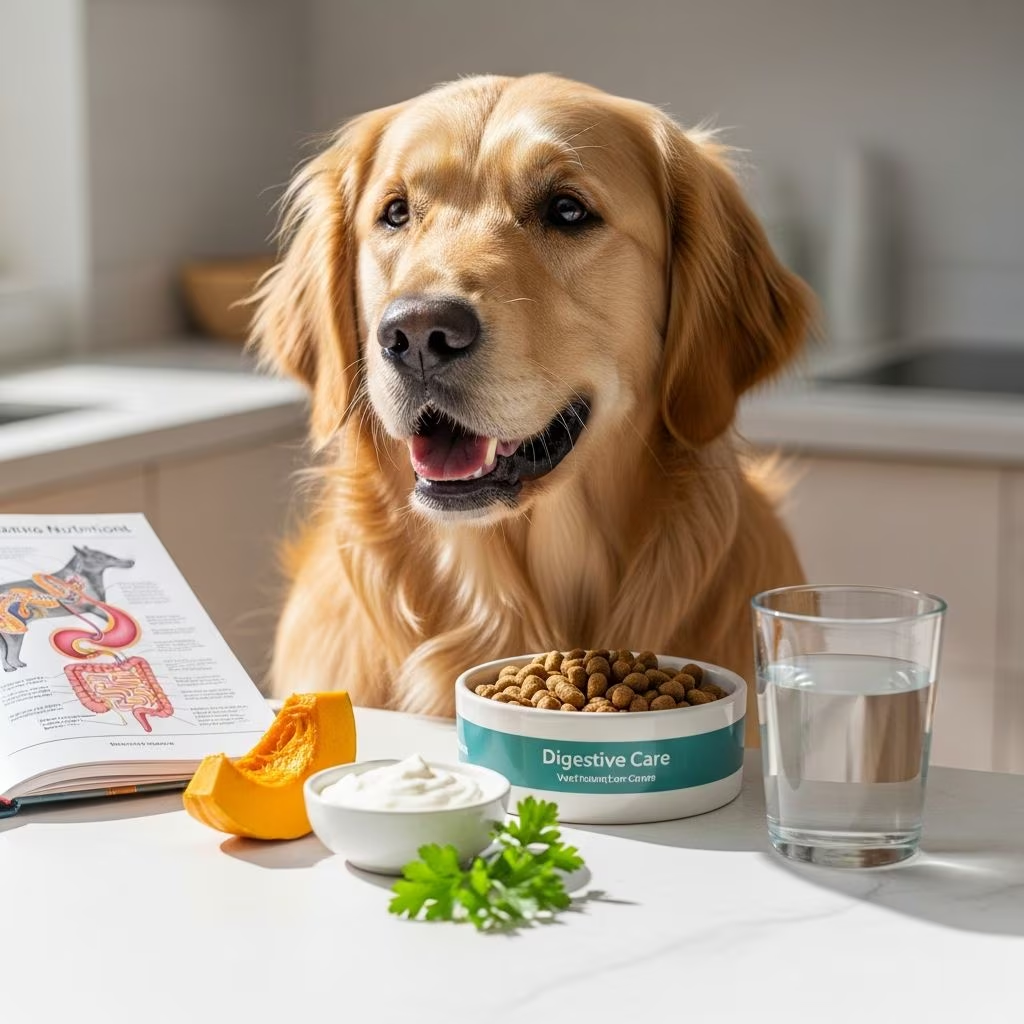
When a dog experiences gastrointestinal distress, the approach to feeding becomes a critical component of the healing process. Rather than relying solely on medication or waiting for symptoms to resolve, strategic dietary choices can accelerate recovery and restore normal digestive function. Understanding which foods support recovery and how to transition a dog back to regular nutrition is essential for any pet owner managing a dog with digestive challenges.
Understanding the Digestive System’s Response to Upset
The canine digestive system operates as an intricate network of organs designed to process food efficiently and extract nutrients. When disruption occurs—whether from infection, dietary indiscretion, or other causes—the intestinal lining becomes inflamed and compromised. During this vulnerable period, the digestive tract requires specialized nutritional support rather than the dog’s regular diet.
Food and water move through a healthy dog’s gastrointestinal tract at a measured pace, allowing proper digestion and nutrient absorption. When diarrhea develops, this process accelerates dramatically, meaning nutrients pass through the system too quickly for proper assimilation. The intestinal lining may become damaged or inflamed, further reducing the body’s ability to extract nutrition from food. This is precisely why dietary management becomes therapeutic rather than merely preventative.
The Role of Fasting in Initial Recovery
One of the most effective early interventions is strategic food withholding. Fasting for 12 to 24 hours allows the intestinal tract to rest and begin healing without the stress of processing new food. This approach gives the inflamed tissue time to calm and reduces the volume of material moving through the compromised system.
However, fasting should be approached thoughtfully. Complete food restriction typically works best for acute cases—those developing suddenly and lasting fewer than 14 days. Extended fasting beyond 24 hours should only occur under veterinary guidance, as prolonged food restriction can lead to other complications. During the fasting period, water remains essential; ensuring your dog has constant access to fresh water prevents dehydration, which compounds digestive issues.
Following the fasting period, gradual food reintroduction becomes necessary. Rather than returning immediately to full portions of regular kibble, a transitional feeding approach prevents re-irritation of the healing intestinal lining.
Building Recovery Through Bland Nutrition
The bland diet represents the foundation of nutritional support for digestive recovery. A bland diet consists of easily digestible foods that minimize stress on the compromised gastrointestinal system. These foods are typically low in fat, moderate in protein, and gentle on the intestinal lining.
Traditional bland diet options include:
- Boiled chicken (skinless and boneless) mixed with rice
- Turkey breast without seasoning
- Plain white rice or sweet potato
- Cottage cheese in small amounts
- Scrambled eggs prepared without oils or butter
Each of these options shares common characteristics: they are protein sources that dogs can digest readily, they lack heavy seasonings or additives that might irritate the system, and they avoid excessive fat content that can exacerbate digestive upset. The key is preparing these foods simply—no salt, spices, or cooking oils that would compromise their digestibility.
Rice serves a particular role in recovery nutrition. Both white and brown rice provide carbohydrates that supply energy without taxing the healing digestive tract. White rice is generally preferred initially due to its lower fiber content, which places less demand on compromised intestines.
Portion Control and Feeding Frequency
How much food a dog receives during recovery matters as much as what type of food. Multiple small meals distributed throughout the day are more effective than fewer large meals for dogs recovering from digestive upset. Rather than consuming one or two meals per day, a dog in recovery benefits from four to six small portions.
This approach serves several purposes. Smaller meals reduce the volume of material the intestinal system must process at any given time. More frequent meals prevent hunger, which can lead to rapid eating or scavenging behavior. Additionally, distributing food throughout the day maintains more consistent energy levels and prevents the stomach from becoming empty for extended periods, which can trigger nausea in some dogs.
Portion sizes should be approximately one-quarter to one-third of the dog’s normal daily intake initially, gradually increasing toward normal amounts as symptoms resolve and healing progresses. Most dogs recovering from mild digestive upset show significant improvement within two to three days of implementing bland diet protocols.
Nutritional Support Through Supplements
Probiotic supplements enhance recovery by promoting beneficial bacterial populations in the digestive tract. The intestinal microbiome plays a crucial role in digestion, immune function, and protection against harmful bacteria. Many dogs experiencing diarrhea have disrupted microbial balance, and supplementation helps restore healthy populations.
Natural yogurt containing live cultures provides another source of beneficial bacteria, though commercial probiotics formulated specifically for dogs typically contain more appropriate bacterial strains and higher concentrations. When selecting probiotics, choose products specifically designed for canine digestive health rather than human formulations, as species-appropriate bacteria are more effective.
Fiber supplementation becomes relevant depending on the type of digestive upset. Soluble fiber sources like pumpkin can help normalize stool consistency by absorbing excess moisture in the intestinal tract. Canned pumpkin (not pumpkin pie filling, which contains added sugars and spices) can be mixed into bland meals in small amounts. This approach works particularly well for dogs with loose stools, as the fiber helps bind stool while providing minimal digestive stress.
Transitioning to Regular Nutrition
Recovery is not complete when diarrhea stops. The transition back to a dog’s regular diet requires careful management to prevent relapse. Gradual diet transitions prevent re-irritation of the healing digestive tract. Rather than switching immediately from bland food back to normal kibble, blend the two progressively over seven to ten days.
A typical transition schedule might look like:
- Days 1-2: 75% bland diet, 25% regular diet
- Days 3-4: 50% bland diet, 50% regular diet
- Days 5-6: 25% bland diet, 75% regular diet
- Days 7+: Regular diet only
This graduated approach allows the intestinal system to gradually resume full digestive capacity without overwhelming the still-healing tissue. Some dogs may require an even slower transition if symptoms were severe or recovery was slower than typical.
When Dietary Management Alone Proves Insufficient
While many cases of acute digestive upset respond well to dietary modification, some situations require veterinary intervention. Chronic diarrhea persisting beyond 14 days typically indicates an underlying condition requiring professional diagnosis. Conditions such as inflammatory bowel disease, parasitic infections, or metabolic disorders necessitate more targeted treatment beyond dietary adjustments.
Veterinarians may recommend specialized therapeutic diets formulated specifically for digestive health. These prescription diets are engineered with particular ingredient balances to support dogs with specific digestive conditions. Additionally, certain underlying causes—such as intestinal parasites or bacterial infections—require medication that dietary changes cannot address.
Dogs experiencing weight loss, persistent lethargy, or diarrhea accompanied by vomiting warrant veterinary evaluation. These symptoms suggest more serious underlying conditions than simple dietary indiscretion.
Preventing Future Episodes Through Smart Feeding
Prevention remains more effective than managing repeated episodes of digestive upset. Establishing consistent feeding protocols reduces the likelihood of future problems. Avoid sudden diet changes, as abrupt transitions upset the digestive system even in healthy dogs. When changing foods is necessary, implement the same gradual transition used during recovery.
Preventing access to inappropriate foods represents another prevention strategy. Dogs consuming garbage, human food, or foreign objects frequently develop acute digestive upset. Secure trash containers, supervise outdoor time, and avoid feeding table scraps.
Stress management also influences digestive health. Stress and anxiety can trigger or worsen digestive upset in susceptible dogs, so maintaining stable routines and minimizing stressful situations supports overall gastrointestinal health.
Frequently Asked Questions
How long should a dog remain on a bland diet?
Most dogs recover from acute digestive upset within two to three days of bland diet implementation. However, continue the bland diet throughout the entire recovery period and transition gradually back to regular food over seven to ten days. Rushing the transition can trigger relapse.
Can I use over-the-counter dog food instead of homemade bland meals?
Some commercial dog foods are formulated as recovery diets, though homemade bland meals provide more control over ingredients and are often more palatable to dogs experiencing digestive upset. Consult your veterinarian about available options, as some prescription recovery diets are specifically designed for post-illness nutrition.
Is it normal for recovery to take longer than three days?
While most mild cases resolve within two to three days, severity varies. Severe digestive upset may require one to two weeks for complete recovery. If symptoms persist beyond 14 days, or if your dog shows signs of dehydration, lethargy, or lack of appetite, veterinary evaluation is warranted.
Should I continue probiotics after recovery?
Many veterinarians recommend continuing probiotic supplementation for several weeks after acute episodes resolve, as this supports ongoing microbiome restoration. However, individual recommendations vary; ask your veterinarian about the appropriate duration for your dog.
Supporting Long-Term Digestive Health
Managing immediate digestive upset is important, but establishing long-term digestive wellness prevents future episodes. Consistent feeding schedules, high-quality nutrition appropriate to your dog’s life stage, and stress management contribute to stable gastrointestinal function. Regular veterinary checkups identify underlying conditions before they manifest as digestive distress.
Understanding your dog’s individual digestive sensitivities—whether certain foods trigger problems or specific stress situations worsen symptoms—allows proactive management. Some dogs may benefit from permanently feeding a more digestible diet or including regular probiotic supplementation as part of their wellness routine.
By recognizing digestive upset as a signal that the gastrointestinal system requires support rather than just a temporary inconvenience, pet owners can implement effective nutritional strategies that accelerate recovery and promote long-term health.
References
- Dog Diarrhea: How To Identify, Diagnose, and Treat It — PetMD. https://www.petmd.com/dog/symptoms/dog-diarrhea
- Common Cause of Diarrhea in Dogs & How to Stop it — Center Star Veterinary. https://www.centerstarvet.com/site/blog/2023/09/15/common-causes-diarrhea-dogs
- Dog Diarrhea: Causes, Treatment and When to Worry — GoodRx Pet Health. https://www.goodrx.com/pet-health/dog/dog-diarrhea
- Dog Diarrhea: Signs, Symptoms, and Treatments — American Kennel Club. https://www.akc.org/expert-advice/health/dog-diarrhea/
- Vomiting and Diarrhoea in Dogs — Blue Cross UK. https://www.bluecross.org.uk/advice/dog/health-and-injuries/vomiting-and-diarrhoea-in-dogs
- Eight home remedies for diarrhea and two that could be dangerous for your pet — VCA Animal Hospitals. https://vcahospitals.com/resources/conditions-dog/stomach-digestion/8-home-remedies-for-diarrhea-and-2-that-are-dangerous-for-your-pet



