

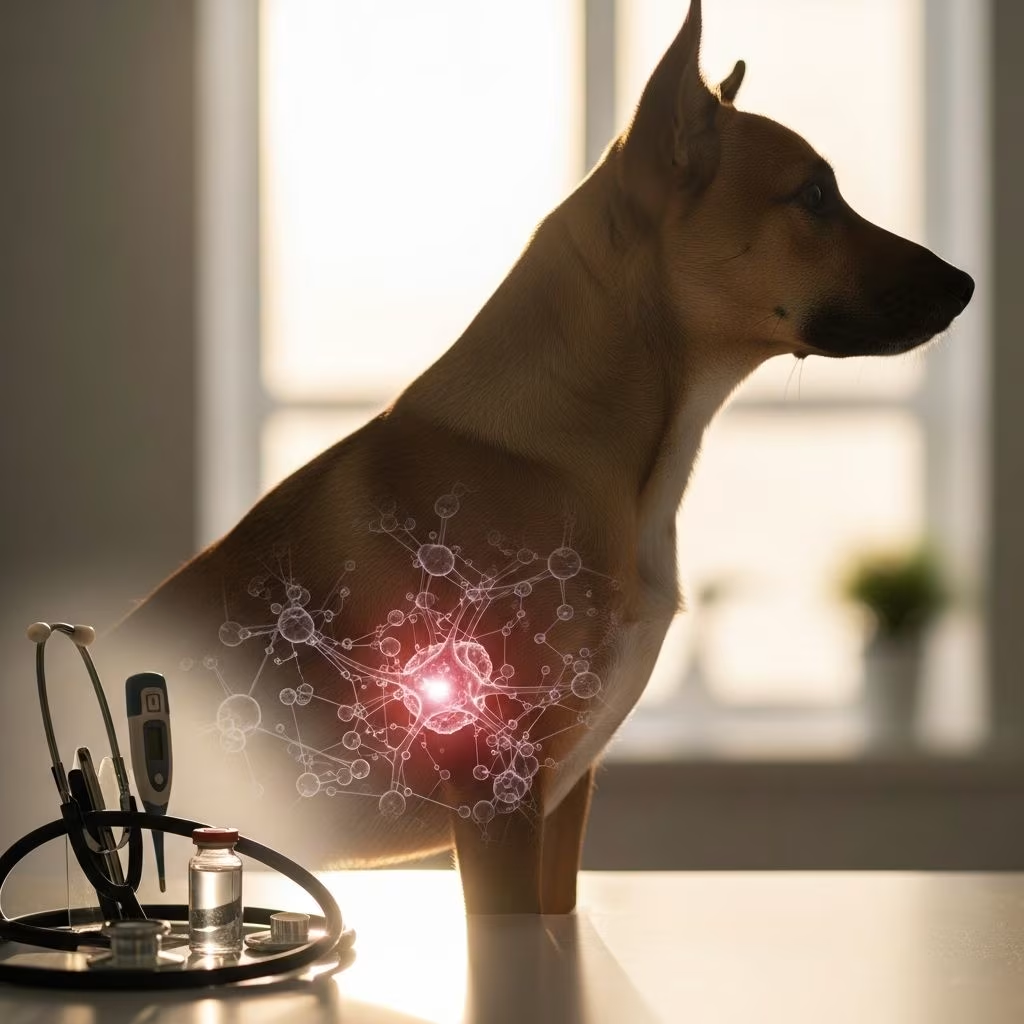
Digestive upset in dogs is one of the most common health concerns pet owners encounter. When a dog’s stomach and intestines become inflamed—a condition known as gastroenteritis—it can lead to uncomfortable symptoms and considerable worry for caregivers. This condition ranges from mild, short-lived episodes to more serious cases requiring veterinary intervention. Understanding what causes this inflammation, recognizing warning signs, and knowing how to respond appropriately can help you manage your dog’s health more effectively.
What Is Digestive Inflammation in Dogs?
Gastroenteritis refers to inflammation of the stomach and intestinal lining in dogs. When these digestive organs become irritated or infected, they struggle to function normally, leading to disruption in the digestive process. The condition can develop suddenly or emerge gradually, and severity varies widely depending on the underlying cause and your dog’s overall health status. Most cases of acute gastroenteritis resolve with proper care, though dogs with chronic health conditions may experience recurring episodes that require ongoing management rather than complete cure.
Primary Triggers of Stomach and Intestinal Upset
Multiple factors can trigger gastroenteritis in dogs, and often the specific cause remains unknown because many dogs recover quickly without diagnostic testing. Understanding the common culprits helps you identify what might affect your pet and prevent future occurrences.
Dietary Indiscretion and Food-Related Issues
Dogs have earned a reputation for eating almost anything, and this curious nature frequently leads to digestive problems. When dogs consume inappropriate items—including table scraps, discarded food from trash bins, or spoiled meals—their digestive systems become overwhelmed. High-fat treats and sudden changes to their regular diet can also trigger stomach and intestinal inflammation. Puppies are particularly vulnerable to dietary disruptions due to their naturally sensitive digestive systems.
Bacterial and Viral Infections
Infectious agents represent another significant cause of gastroenteritis. Bacterial overgrowth within the gut, particularly clostridium species, can produce toxins that irritate the digestive tract. Viral infections, including parvovirus, commonly cause gastroenteritis in dogs of various ages. Dogs can contract these infections from other animals or contaminated environmental sources, making infectious gastroenteritis a particular concern in multi-dog households.
Parasitic Infestations
Internal parasites such as roundworms and hookworms frequently cause gastrointestinal symptoms in infected dogs. These organisms damage the intestinal lining and interfere with nutrient absorption, leading to inflammation and digestive disturbance. Parasitic infections are especially common in puppies and dogs with compromised immune systems.
Breed-Specific Predispositions
Certain dog breeds show heightened susceptibility to severe forms of gastroenteritis. Hemorrhagic gastroenteritis—characterized by blood present in both vomit and stool along with significant dehydration—occurs more frequently in Dachshunds and other small-breed dogs. This variant represents a more serious presentation requiring prompt veterinary attention.
Recognizing Symptoms of Digestive Inflammation
Early recognition of gastroenteritis symptoms enables quicker intervention and more favorable outcomes. The signs vary in intensity but typically include:
- Vomiting or repeated attempts to vomit
- Diarrhea, sometimes containing blood or mucus
- Loss of appetite or complete refusal to eat
- Lethargy and decreased activity levels
- Abdominal discomfort, demonstrated through restlessness or a hunched posture
- Excessive drooling or difficulty swallowing
- Signs of dehydration, including dry gums and sunken eyes
Most dogs with uncomplicated gastroenteritis show mild to moderate symptoms that develop suddenly. However, persistent or severe symptoms warrant immediate veterinary evaluation, particularly if your dog shows signs of significant dehydration or displays blood in vomit or stool.
Diagnostic Evaluation by Veterinarians
When you bring your dog to the veterinarian, they will conduct a thorough assessment. In many cases, particularly when dogs recover quickly, no extensive diagnostic testing is performed. However, when symptoms persist or appear severe, your veterinarian may recommend:
- Fecal examination to identify parasites or abnormal bacteria
- Blood work to evaluate electrolyte levels and organ function
- Imaging studies such as radiographs or ultrasound to rule out foreign body ingestion or intestinal blockages
- Empirical deworming treatment as a preventative measure
Treatment Approaches for Digestive Inflammation
Treatment strategy depends primarily on the underlying cause and severity of symptoms. Most dogs benefit significantly from supportive care focused on symptom management and allowing their digestive system to recover.
Rehydration Therapy
Restoring and maintaining proper hydration stands as the cornerstone of gastroenteritis treatment. Dehydration occurs rapidly when dogs experience persistent vomiting and diarrhea, and correcting fluid loss is essential for recovery. Your veterinarian may recommend:
- Subcutaneous fluid administration for mild to moderate dehydration in dogs stable enough for outpatient care
- Intravenous fluid therapy for severe dehydration or hospitalized patients requiring more intensive support
- Oral electrolyte solutions for mild cases, which have proven safe and effective even in hemorrhagic diarrhea situations
Balanced crystalloid solutions, such as lactated Ringer’s solution, are typically selected for IV therapy, with ongoing monitoring of serum electrolyte concentrations to determine if supplementation is necessary.
Medication Management
Several medication categories help control symptoms while the underlying condition resolves:
Anti-nausea medications: Drugs like maropitant (commonly known as Cerenia) are frequently prescribed to control nausea and vomiting. These medications may be administered as injections lasting approximately 24 hours or as oral tablets for home use.
Acid-reducing agents: Antacid medications such as famotidine reduce stomach acid production, which helps minimize nausea and vomiting. Proton pump inhibitors represent another option for dogs with suspected gastric ulceration, though they are not routinely recommended for uncomplicated acute gastroenteritis without evidence of ulcers.
Antimicrobial treatments: If bacterial infection is diagnosed, antibiotics such as metronidazole may be prescribed. Similarly, anti-parasitic and anti-protozoal medications are administered when these organisms are identified.
Appetite stimulants: These medications may be employed temporarily to encourage eating, though most dogs resume normal appetite once pain and nausea are controlled.
Probiotic and Microbiota Support
Supplements containing beneficial bacteria, such as FortiFlora, help restore healthy gut microbiota and have demonstrated effectiveness in improving both vomiting and diarrhea symptoms. These supplements are particularly valuable when antibiotic therapy disrupts the normal bacterial balance within the intestines.
Surgical Intervention
In specific situations, surgery becomes necessary. Dogs who have ingested foreign objects may require surgical removal to relieve obstruction and resolve gastroenteritis. Additionally, dogs diagnosed with stomach or intestinal cancer may need surgical management as part of their treatment plan.
Dietary Management During Recovery
Nutrition plays a crucial role in helping the digestive system recover from inflammation. Dietary modifications are among the most important aspects of gastroenteritis management:
Bland, easily digestible foods: Prescription diets formulated specifically for digestive support are recommended, such as Hill’s Science Diet I/D or Royal Canin Gastro-Intestinal Low Fat. These foods are gentle on the inflamed digestive tract and promote healing.
Low-fat formulation: Fat is more challenging for inflamed digestive systems to process, so reduced-fat diets are standard during recovery.
Portion control: Small, frequent meals are preferable to larger single feedings, reducing the workload on the recovering digestive system.
Duration of special diet: Most dogs continue the therapeutic diet for four to seven days or until clinical signs fully resolve. Gradually reintroducing their regular diet over several days prevents triggering a relapse.
Outpatient Versus Hospitalized Care
The setting for treatment depends on symptom severity. Dogs presenting with mild clinical signs typically receive outpatient care, allowing them to recover at home with prescribed medications and dietary adjustments. More severe cases—particularly those involving significant dehydration, persistent vomiting despite anti-nausea medication, or infectious causes requiring isolation—necessitate hospitalization with IV fluid support and continuous monitoring.
Dogs with infectious causes of gastroenteritis may be placed in isolation to prevent transmission to other animals. If your pet requires hospitalization, your veterinarian will discuss expected duration and monitoring protocols.
Prevention Strategies
While not all cases of gastroenteritis can be prevented, certain practices reduce risk:
- Secure trash cans and prevent access to spoiled or inappropriate foods
- Introduce new foods gradually over five to seven days rather than abruptly changing diets
- Maintain current vaccinations to protect against viral infections
- Administer regular parasite prevention as recommended by your veterinarian
- Supervise outdoor time to minimize consumption of grass, plants, or contaminated materials
- Practice good hygiene if you have multiple dogs to reduce infectious transmission
When to Seek Immediate Veterinary Care
Certain symptoms indicate that your dog needs urgent veterinary attention rather than home management:
- Severe or persistent vomiting that continues despite home care measures
- Bloody diarrhea or vomit
- Signs of severe dehydration such as sunken eyes or extremely dry gums
- Abdominal pain so severe your dog cannot move comfortably
- Lethargy or collapse
- Episodes lasting more than 24 hours without improvement
- Symptoms in very young puppies, elderly dogs, or dogs with pre-existing health conditions
Recovery Expectations and Prognosis
Most dogs with acute gastroenteritis show significant improvement within 24 to 48 hours of beginning appropriate treatment. With proper supportive care, many uncomplicated cases resolve without therapeutic intervention. However, the timeline varies based on the underlying cause and individual dog factors.
Dogs with chronic underlying diseases may not experience complete resolution but can achieve substantial symptom management through appropriate medical care and dietary adjustments. Your veterinarian can discuss realistic expectations based on your dog’s specific situation.
Frequently Asked Questions
Is gastroenteritis contagious?
Gastroenteritis itself is not inherently contagious, but viral and bacterial infections that cause gastroenteritis can spread between dogs. This is why isolation may be recommended during infectious cases.
How long does recovery typically take?
Most dogs recover within a few days with appropriate treatment, though some cases may require longer. This depends on the underlying cause and your dog’s overall health status.
Can I treat gastroenteritis at home?
Mild cases may be managed at home with veterinary guidance, but persistent or severe symptoms require professional veterinary evaluation and treatment.
What should I feed my dog after recovery?
After completing the special diet period, gradually reintroduce your dog’s regular food over several days, mixing increasing amounts of the regular diet with the therapeutic diet.
References
- Gastroenteritis in Dogs: Symptoms, Recovery, and More — PetMD. 2024. https://www.petmd.com/dog/conditions/digestive/gastroenteritis-dogs-symptoms-recovery-and-more
- Canine Gastroenteritis: Symptoms and Recovery Tips — Veterinary Information Network (Veteris). 2024. https://veteris.co.uk/petcare-advice/canine-gastroenteritis-symptoms-and-recovery-tips
- Symptomatic Management of Primary Acute Gastroenteritis in Dogs — Today’s Veterinary Practice. 2024. https://todaysveterinarypractice.com/gastroenterology/6716-2/
- Gastroenteritis in Dogs — Vet Center Morris County. 2024. https://www.vetcentermorriscountyfp.com/resources/gastroenteritis-in-dogs
- Vomiting and Diarrhoea in Dogs — Blue Cross UK. 2024. https://www.bluecross.org.uk/advice/dog/health-and-injuries/vomiting-and-diarrhoea-in-dogs
- Gastroenteritis in Dogs: Causes, Symptoms & Treatments — Pooch and Mutt. 2024. https://www.poochandmutt.co.uk/blogs/health/gastroenteritis-in-dogs-causes-symptoms-treatments
- Gastroenteritis in Dogs — Allambie Vet. 2024. https://allambievet.com.au/news/gastroenteritis-in-dogs
- Acute Gastroenteritis in Dogs — BluePearl Pet Hospital. 2024. https://bluepearlvet.com/medical-articles-for-pet-owners/acute-gastroenteritis-in-dogs/



