

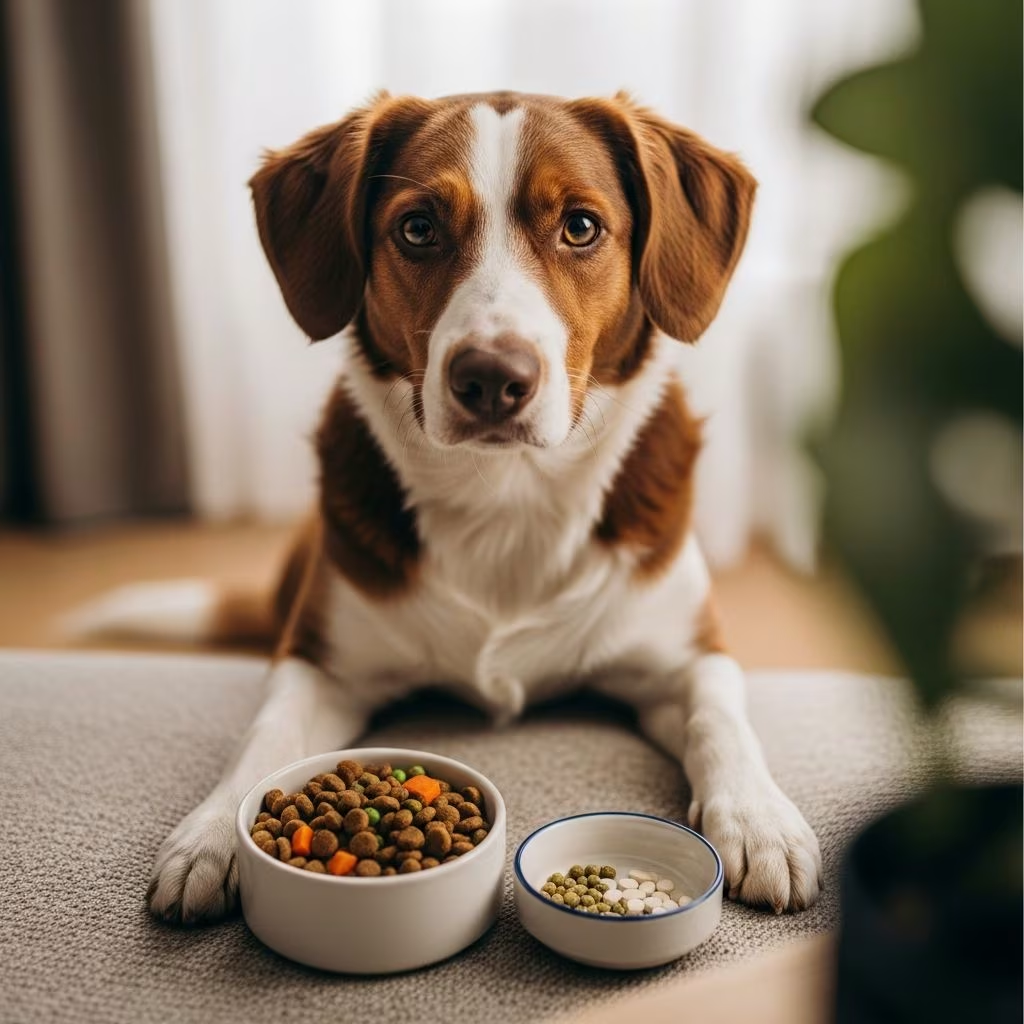
Your dog’s digestive system plays a vital role in their overall well-being, extracting nutrients from food and maintaining proper hydration. When digestive problems arise, they can significantly impact your pet’s quality of life and require prompt attention. Understanding the warning signs, underlying causes, and available treatment options empowers you to take proactive steps in managing your dog’s gastrointestinal health.
Recognizing the Warning Signs of Digestive Distress
The digestive system communicates distress through observable behavioral and physical changes. Learning to identify these indicators early can make a substantial difference in your dog’s recovery and comfort. The signs of digestive upset vary in severity and duration, ranging from minor inconveniences to serious health concerns requiring immediate intervention.
Primary Indicators of Gastrointestinal Problems
Several core symptoms frequently signal that your dog’s digestive system is not functioning optimally. These manifestations often appear individually but may occur in combination, indicating more serious underlying conditions.
- Vomiting and regurgitation: One of the most noticeable signs, vomiting may involve partially digested food or bile. This can indicate stomach irritation, infections, or more serious conditions.
- Diarrhea and soft stools: Changes in stool consistency, from loose and watery to containing blood or mucus, suggest intestinal inflammation or malabsorption issues.
- Constipation and straining: The opposite extreme, where your dog struggles to defecate or produces firm, dry feces, indicates digestive slowdown that requires attention.
- Loss of appetite: A diminished interest in food or complete refusal to eat often accompanies digestive upset and can lead to nutritional deficiencies.
- Weight loss: Unexplained weight decline results from nutrient malabsorption or excessive fluid loss through vomiting and diarrhea.
- Abdominal discomfort: Your dog may vocalize when picked up around the abdomen, adopt a hunched posture, or assume a stretched position with front legs extended and rear legs raised.
Secondary Symptoms Requiring Observation
Beyond the primary indicators, several subtle signs may suggest your dog is experiencing digestive difficulties. These symptoms can appear independently or alongside more obvious manifestations and should prompt observation of your pet’s overall condition.
- Excessive drooling or lip smacking behavior
- Increased gas production and flatulence
- Stomach rumbling and abdominal noises
- Lethargy and reduced activity levels
- Fever and elevated body temperature
- Dehydration indicated by dry mucous membranes
- Uncharacteristic behavior such as restlessness, hiding, or anxiety
- Blood or unusual discoloration in vomit or stool
Understanding Common Digestive Disorders in Dogs
Multiple conditions can compromise your dog’s digestive function, each with distinct characteristics and treatment approaches. Identifying the specific disorder allows for targeted and effective management strategies.
Acute Gastritis and Inflammatory Conditions
Inflammation of the stomach lining, commonly called gastritis, develops when your dog ingests unsuitable materials or encounters infectious agents. This condition typically appears suddenly and may stem from scavenging garbage, consuming toxic substances, or contracting viral infections. Symptoms include persistent vomiting, diarrhea, depression, fever, abdominal pain, and diminished appetite. If left untreated, acute gastritis can progress to severe complications, making timely veterinary assessment crucial.
Diarrhea: Causes and Management
Diarrhea represents one of the most common digestive complaints in dogs and can result from numerous underlying causes. Infections from bacteria or parasites, stress from environmental changes, sudden diet modifications, and consumption of spoiled food all trigger loose stools. Internal organ dysfunction, particularly in the small intestine or colon, also contributes to diarrheal episodes. While acute diarrhea often resolves within days, chronic diarrhea lasting weeks or months suggests more serious intestinal pathology requiring professional investigation.
Constipation and Intestinal Blockage
The opposite condition, constipation, occurs when your dog cannot produce normal bowel movements. Insufficient exercise, dehydration, consumption of indigestible materials like bones or foreign objects, and low-fiber diets all contribute to constipation. Severe cases may involve fecal impaction or blockage from ingested objects, which can become life-threatening emergencies. Dogs with constipation often strain during defecation and may pass foul-smelling, ribbon-like feces.
Pancreatic Dysfunction
The pancreas produces digestive enzymes and regulates blood sugar, so its dysfunction significantly impacts gastrointestinal health. Pancreatitis, or pancreatic inflammation, causes severe abdominal pain, persistent vomiting, weakness, and loss of appetite. Dogs often display a distinctive posture with their back arched and may refuse to move. High-fat foods, rich table scraps, infections, or trauma can trigger pancreatitis, which requires immediate veterinary treatment including potential hospitalization or surgery. Exocrine pancreatic insufficiency, where the pancreas fails to produce adequate digestive enzymes, results in weight loss despite increased appetite and production of large, soft stools.
Inflammatory Bowel Disease
Similar to the human condition, dogs develop inflammatory bowel disease when chronic inflammation affects the digestive tract lining. This condition produces chronic diarrhea, vomiting, and progressive weight loss that intensifies over time. The underlying causes remain unclear and likely involve multiple contributing factors. Dietary modifications often play a significant role in managing inflammatory bowel disease, with veterinarians typically recommending specialized prescription foods to reduce symptoms and improve nutrient absorption.
Intestinal Malabsorption Syndromes
When the small intestine becomes inflamed or damaged, its ability to absorb nutrients deteriorates despite adequate food consumption. Dogs with malabsorption present with prolonged diarrhea, substantial weight loss despite normal or increased appetite, and sometimes behavioral changes like pica. The severity of weight loss can surprise owners whose dogs appear to eat normally, as the intestines simply cannot process and retain the consumed nutrients effectively.
Primary Causes Behind Digestive Disorders
Understanding what triggers digestive problems helps you implement preventive measures and make informed decisions about your dog’s care.
| Cause Category | Specific Triggers | Associated Conditions |
|---|---|---|
| Infectious Agents | Bacteria, viruses, parasites, worms | Gastritis, diarrhea, malabsorption |
| Dietary Factors | Sudden diet changes, spoiled food, fatty treats, table scraps | Acute diarrhea, pancreatitis, vomiting |
| Physical Obstruction | Bones, foreign objects, enlarged organs | Constipation, blockage, abdominal pain |
| Environmental Stress | Travel, household changes, separation anxiety | Acute diarrhea, loss of appetite |
| Systemic Conditions | Organ dysfunction, cancer, immune disorders | Chronic diarrhea, weight loss, vomiting |
| Nutritional Deficiencies | Inadequate fiber, poor diet quality, malabsorption | Constipation, diarrhea, lethargy |
When to Seek Veterinary Attention
Not every episode of digestive upset requires professional intervention, but certain situations demand immediate veterinary evaluation. Your dog may experience occasional diarrhea or mild vomiting that resolves within hours, particularly following dietary indiscretions. However, sustained or severe symptoms indicate that professional assessment is necessary.
Urgent Situations Requiring Immediate Care
- Repeated vomiting or vomiting lasting more than a few hours
- Severe abdominal pain, evident from yelping, guarding behavior, or refusal to move
- Diarrhea lasting longer than 24 hours, particularly if accompanied by blood or mucus
- Evidence of significant dehydration such as dry mucous membranes or sunken eyes
- Signs of shock including pale gums, rapid heart rate, or collapse
- Complete loss of appetite lasting more than one meal
- Obvious distress or behavioral changes accompanying digestive symptoms
Monitoring and Diagnostic Expectations
When you present your dog to a veterinarian with digestive complaints, they will perform a thorough physical examination and may recommend diagnostic testing. Blood work, fecal analysis, and imaging studies help identify underlying causes. Your veterinarian will ask detailed questions about symptom onset, duration, frequency, and any potential contributing factors like diet changes or trash access. Providing accurate information significantly aids diagnosis and treatment planning.
Management Strategies and Treatment Approaches
Treatment varies substantially depending on the underlying cause and severity of your dog’s condition. Some disorders respond to conservative home management, while others require professional intervention.
Dietary Management
Diet modification represents a cornerstone of digestive health management. For acute diarrhea, temporary fasting followed by introduction of easily digestible foods like bland chicken and rice helps restore normal intestinal function. Long-term digestive issues often benefit from prescription digestive diets specifically formulated to reduce inflammation and improve nutrient absorption. Your veterinarian may recommend foods with limited ingredients, specific protein sources, or enhanced fiber content depending on your dog’s condition.
Hydration and Supportive Care
Vomiting and diarrhea rapidly deplete your dog’s fluid reserves, potentially leading to dangerous dehydration. Providing fresh water constantly encourages rehydration, though severe dehydration may require intravenous fluid therapy administered by veterinarians. Small, frequent water offerings prove more tolerable than large volumes when your dog has an upset stomach.
Medical Interventions
Depending on the diagnosis, your veterinarian may prescribe medications to manage symptoms or address underlying causes. Antiemetic medications control vomiting, antidiarrheal agents reduce diarrhea, and antibiotics address bacterial infections. Pancreatic conditions or severe inflammatory disease may require hospitalization and intensive therapy including injectable medications and nutritional support.
Preventive Measures and Long-Term Wellness
Reducing your dog’s risk of digestive problems involves practical lifestyle modifications and attentive management. Maintain consistent feeding schedules and avoid sudden diet changes, which commonly trigger gastrointestinal upset. Prevent access to garbage, toxic substances, and inappropriate foods including chocolate and fatty table scraps. Ensure adequate exercise, as physical activity supports healthy digestion and regular bowel movements. Regular parasite prevention and maintaining current vaccinations protect against infectious causes of digestive disease.
Frequently Asked Questions About Canine Digestive Health
How long should I wait before contacting a vet about diarrhea?
Mild diarrhea lasting fewer than 24 hours often resolves without intervention, particularly if your dog remains bright and maintains appetite. However, diarrhea persisting beyond 24 hours, accompanied by other symptoms, or affecting very young, elderly, or immunocompromised dogs warrants veterinary consultation.
Can diet alone resolve chronic digestive issues?
Diet plays a significant role in managing many chronic digestive conditions, but underlying disorders often require veterinary diagnosis and possibly medication. Your veterinarian can recommend appropriate prescription diets tailored to your dog’s specific condition for optimal results.
What is the difference between acute and chronic digestive problems?
Acute digestive issues appear suddenly and often resolve within days to weeks, frequently resulting from minor dietary indiscretions or temporary infections. Chronic problems persist for weeks or months and typically indicate underlying disease requiring sustained management and veterinary oversight.
Should I fast my dog with an upset stomach?
Brief fasting periods (4-8 hours) may benefit some dogs with acute stomach upset, but prolonged fasting is not recommended. Your veterinarian will advise whether fasting is appropriate for your dog’s specific situation and how to reintroduce food gradually.
Can stress cause digestive problems in dogs?
Yes, stress and anxiety can trigger temporary diarrhea or loss of appetite in dogs. Environmental changes, travel, or household disruptions may precipitate digestive upset that resolves once the stressor is removed or your dog adapts to the situation.
Conclusion: Supporting Your Dog’s Digestive Wellness
Your dog’s digestive health directly impacts their energy, quality of life, and ability to thrive. By remaining attentive to behavioral and physical changes, understanding common digestive disorders, and maintaining preventive practices, you substantially improve your pet’s long-term wellness. While some digestive issues resolve independently, others require professional veterinary guidance for proper diagnosis and management. Building a strong relationship with your veterinarian ensures that when digestive problems arise, you have expert support to restore your dog’s gastrointestinal health and comfort.
References
- Disorders of the Stomach and Intestines in Dogs — Merck Veterinary Manual. 2024. https://www.merckvetmanual.com/dog-owners/digestive-disorders-of-dogs/disorders-of-the-stomach-and-intestines-in-dogs
- Dog Gastrointestinal and Digestive Problems — Hill’s Pet Nutrition. 2024. https://www.hillspet.com/dog-care/healthcare/dog-gastrointestinal-and-digestive-problems
- Upset Stomach in Dogs: Signs and What To Do — PetMD. 2024. https://www.petmd.com/dog/conditions/digestive/upset-stomach-dogs
- 7 Most Common Dog Digestive Issues — Lucy Pet Products. 2024. https://www.lucypetproducts.com/blog/7-most-common-dog-digestive-issues/
- Digestive Issues in Dogs: Causes, Prevention, and Treatment — Bond Vet. 2024. https://bondvet.com/blog/digestive-issues-in-dogs-causes-prevention-and-treatment
- Common Dog Digestive Problems — Royal Canin. 2024. https://www.royalcanin.com/sa/en-sa/dogs/health-and-wellbeing/common-dog-digestive-problems



