

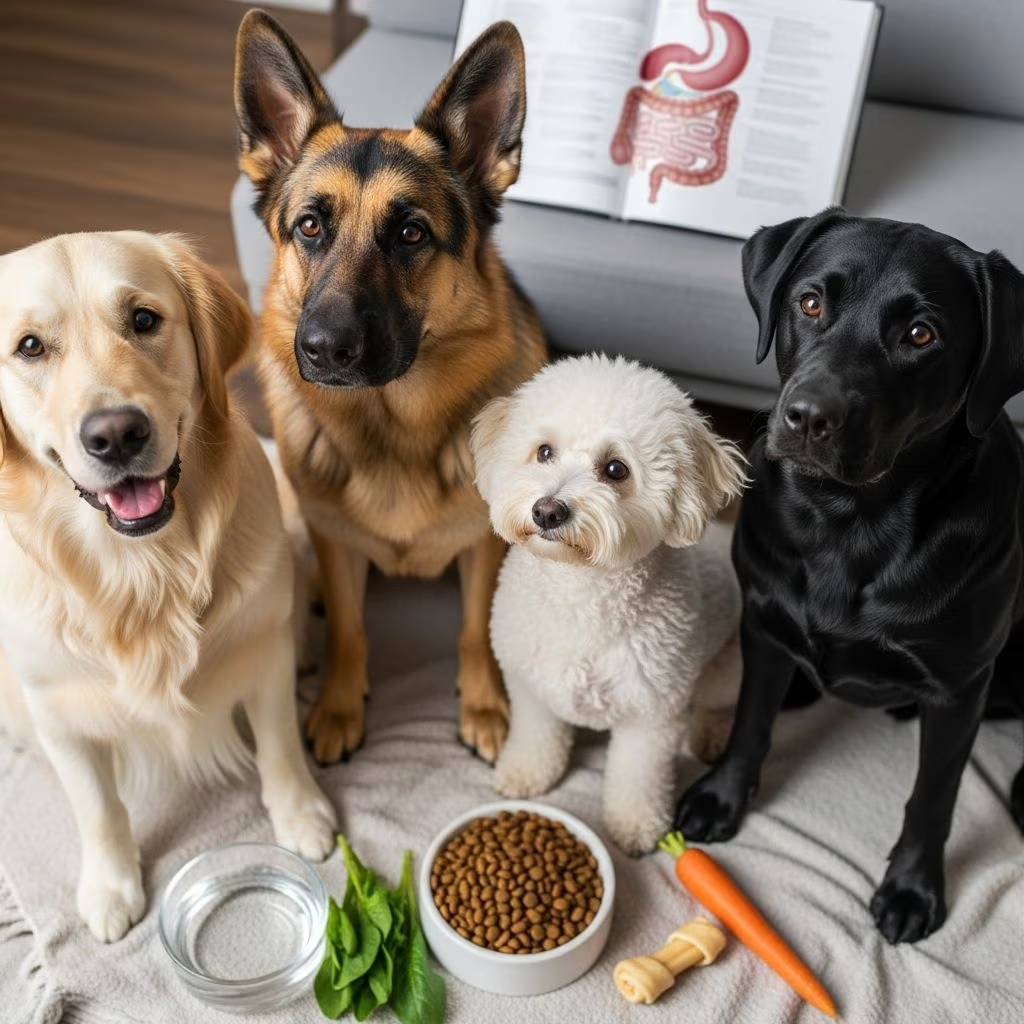
Dogs frequently encounter gastrointestinal challenges that disrupt their daily comfort and vitality. These issues stem from diverse factors such as dietary mishaps, infections, or underlying health conditions, affecting dogs of all ages and breeds.
Prevalent Gastrointestinal Conditions in Dogs
Understanding the spectrum of digestive ailments helps owners respond promptly. Acute gastroenteritis tops the list, involving short-lived inflammation of the stomach and intestines often triggered by spoiled food or foreign ingestion. Colitis targets the colon, leading to mucus-laden diarrhea, commonly linked to parasites like whipworms or abrupt diet shifts.
Constipation arises from dehydration, low-fiber intake, or indigestible objects like bones, while chronic diarrhea signals infections, stress, or organ dysfunction. Pancreatitis, an inflammation of the pancreas, frequently results from high-fat meals and manifests severely. Exocrine pancreatic insufficiency causes nutrient malabsorption, yielding voluminous soft stools despite heightened hunger, and small intestinal malabsorption impairs nutrient uptake, promoting weight loss.
Triggers Behind Dog Stomach Upsets
Dietary indiscretion ranks as a primary culprit, where dogs scavenge garbage or table scraps, provoking immediate distress. Food allergies to proteins like chicken or beef provoke ongoing symptoms including skin irritations alongside gut woes.
Infections from bacteria, viruses, or parasites disrupt the gut lining, while toxins, medications, or sudden food transitions exacerbate problems. Puppies and seniors face heightened risks due to immature or waning immune responses. Breed predispositions affect certain lines, such as larger dogs prone to specific malabsorptions.
Spotting Symptoms of Gut Distress
Owners should monitor for telltale signs to intervene early. Primary indicators include persistent diarrhea or soft stools, vomiting with bile, and regurgitation.
- Vomiting: May appear foamy or contain undigested food, often post-meals.
- Diarrhea: Ranges from watery to bloody, sometimes with mucus.
- Flatulence and Belching: Excessive gas signals fermentation issues.
- Appetite Changes: Loss of interest in food or ravenous hunger with weight drop.
- Abdominal Discomfort: Hunched posture, whining, or tenderness on touch.
- Other Signs: Lethargy, fever, dehydration via dry gums, or straining.
Dehydration poses acute dangers, especially with fluid loss from vomiting or loose stools.
When Symptoms Demand Veterinary Attention
Not all upsets resolve independently; persistent or intense signs warrant professional evaluation. Seek care if symptoms endure beyond 24-48 hours, involve blood, or accompany lethargy.
| Symptom Severity | Action Timeline | Potential Risks |
|---|---|---|
| Mild (occasional soft stool) | Monitor 24 hours | Dehydration if prolonged |
| Moderate (vomiting + diarrhea) | Consult vet same day | Electrolyte imbalance |
| Severe (blood, pain, weakness) | Emergency visit | Organ failure, shock |
Chronic cases may indicate deeper issues like tumors or endocrine disorders.
Diagnostic Approaches for Accurate Identification
Veterinarians employ targeted tests to pinpoint causes. Fecal analysis detects parasites, bloodwork assesses organ function and inflammation, while imaging like ultrasounds reveals blockages or masses.
Endoscopy or biopsies aid in chronic evaluations, and trial diets confirm allergies. Early diagnostics prevent escalation.
Management and Treatment Strategies
Treatment hinges on the diagnosis. Mild cases benefit from fasting (12-24 hours) followed by bland diets like boiled rice and lean protein.
- Fluid Therapy: IV or oral rehydration combats dehydration.
- Medications: Anti-emetics for vomiting, antibiotics for infections, probiotics for flora balance.
- Dietary Adjustments: Hydrolyzed proteins or novel ingredients for sensitivities.
- Hospitalization: Required for pancreatitis or severe gastroenteritis with pain control and monitoring.
Surgery intervenes for obstructions or tumors.
Preventive Measures for Robust Digestive Health
Proactive steps minimize risks. Transition foods gradually over 7-10 days, avoiding human foods high in fat or spices.
- Regular deworming and vaccinations curb infections.
- Provide ample fresh water and exercise to prevent constipation.
- Opt for high-quality, digestible kibble suited to breed and age.
- Supervise outdoor time to block foreign object ingestion.
- Annual vet checkups catch predispositions early.
Nutritional Support for Optimal Gut Function
Fiber-rich diets promote regularity, while prebiotics nurture beneficial bacteria. Omega-3s reduce inflammation in prone breeds.
Avoid abrupt changes; introduce supplements under guidance.
Frequently Asked Questions (FAQs)
What causes sudden diarrhea in dogs?
Often dietary indiscretion, stress, or parasites; persistent cases need vet review.
Is rice good for dogs with upset stomachs?
Yes, in bland diets with chicken, but not long-term without vet advice.
Can stress cause digestive problems in dogs?
Absolutely, triggering acute gastroenteritis via gut-brain axis disruption.
How long can a dog go without eating due to stomach issues?
24-48 hours max for adults; puppies require immediate care.
Are certain breeds more prone to pancreatitis?
Yes, miniature schnauzers and Yorkshire terriers show higher susceptibility.
Long-Term Outlook and Monitoring
Most acute issues resolve swiftly with intervention, but chronic conditions demand ongoing management like specialized diets or meds. Track stool quality, weight, and energy to detect recurrences early. Collaborating with vets ensures sustained wellness.
By grasping these dynamics, owners empower proactive care, fostering resilient canine companions.
References
- Dog Gastrointestinal and Digestive Problems — Hill’s Pet. Accessed 2026. https://www.hillspet.com/dog-care/healthcare/dog-gastrointestinal-and-digestive-problems
- Gastroenteritis in Dogs — VCA Animal Hospitals. Accessed 2026. https://vcahospitals.com/know-your-pet/gastroenteritis-in-dogs
- Upset Stomach in Dogs: Signs and What To Do — PetMD. Accessed 2026. https://www.petmd.com/dog/conditions/digestive/upset-stomach-dogs
- Digestive Issues in Dogs: Causes, Prevention, and Treatment — Bond Vet. Accessed 2026. https://bondvet.com/blog/digestive-issues-in-dogs-causes-prevention-and-treatment
- Prevalence of common canine digestive problems — PMC (NCBI). 2016-02-25. https://pmc.ncbi.nlm.nih.gov/articles/PMC4774851/



