

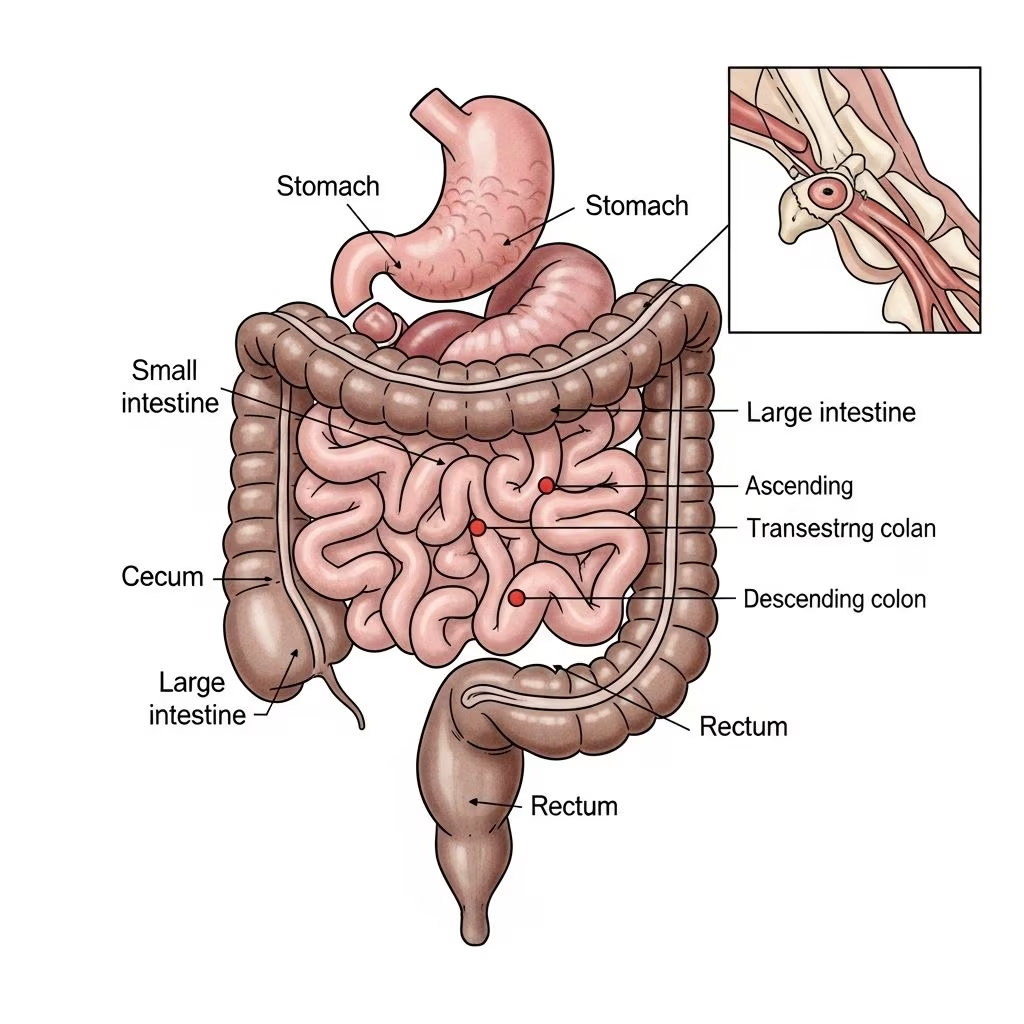
A common question among pet owners revolves around the anatomical differences between humans and their canine companions. One such curiosity concerns whether dogs possess an appendix similar to that found in humans. The straightforward answer is no—dogs do not have an appendix. Instead, they have evolved with a specialized digestive system featuring alternative structures that serve distinct purposes in their bodies. Understanding these anatomical distinctions provides valuable insight into how dogs process food and maintain digestive health.
Understanding the Human Appendix and Its Purpose
Before examining canine anatomy, it helps to understand what an appendix is and why humans have one. The appendix is a small, tube-like structure that branches off from the large intestine at the junction where the small intestine meets the colon. This organ has long puzzled medical professionals regarding its true function.
Historically, scientists considered the appendix a vestigial organ—essentially a remnant from our evolutionary past that no longer served a meaningful purpose. This perception persisted largely because patients who underwent appendicitis treatment and had their appendix surgically removed appeared to experience no significant long-term health consequences. However, modern research has fundamentally changed our understanding of this organ’s role in human physiology.
Contemporary studies indicate that the appendix plays an important role in maintaining immune function and preserving beneficial gut bacteria. The appendix serves as a reservoir of healthy microorganisms and contains immune tissue that helps generate immune responses within the digestive tract. Additionally, it appears to function as a training ground for immune cells, helping them develop targeted responses against harmful pathogens. This newfound appreciation for the appendix has reshaped how medical professionals view this once-dismissed organ.
The Absence of an Appendix in Canine Physiology
Dogs, despite their evolutionary relationship to other mammals, have not retained an appendix. This structural absence is not a deficiency or evolutionary oversight but rather reflects the specific dietary and metabolic requirements that shaped canine development over millennia. Since dogs have evolved as carnivores with relatively short digestive tracts optimized for processing protein and fat, they have no biological need for the appendix structure that characterizes many other mammalian species.
This anatomical distinction becomes clearer when examining the dietary and evolutionary factors that influenced canine development compared to herbivorous or omnivorous mammals. The digestive system of a species typically reflects what that species eats and how its ancestors adapted to their environment.
The Cecum: Dogs’ Alternative Digestive Structure
While dogs lack an appendix, they possess a structure called the cecum—a pouch-like organ situated at the junction where the small intestine connects to the large intestine. The cecum functions as a modified version of digestive structures found in other animals, but its size and activity level in dogs differ significantly from those in herbivorous species.
In herbivorous animals like rabbits, the cecum is substantially larger and more functionally critical because it houses bacteria essential for fermenting plant material and extracting nutrients from cellulose—a tough compound found in plant cell walls. These specialized bacteria break down plant fibers that the animal’s own enzymes cannot process, making the cecum vital for herbivore survival.
In dogs, the cecum is considerably smaller and plays a more modest role in digestion. Nevertheless, it serves several important functions:
- Assists in processing food particles that reach the large intestine
- Supports populations of beneficial bacteria that contribute to digestive health
- Helps maintain overall digestive system balance and homeostasis
- Contributes to broader immune system function within the gastrointestinal tract
The reduced size and activity of the canine cecum reflects the fact that dogs primarily consume animal-based proteins and fats, which require less complex fermentation processes than plant materials. This adaptation represents an evolutionary optimization specific to carnivorous dietary needs.
Evolutionary Adaptations and Dietary Specialization
The anatomical differences between dogs and humans—including the absence of an appendix—stem from distinct evolutionary pathways and dietary specialization. Dogs evolved as carnivores with digestive systems specifically adapted to efficiently process meat-based nutrition, while humans evolved as omnivores capable of consuming and digesting a diverse range of foods.
This evolutionary divergence resulted in dogs developing a shorter, more streamlined digestive tract compared to humans. Their specialized anatomy prioritizes rapid protein digestion and fat absorption while minimizing the complex fiber-digestion processes that require additional organs in herbivorous species. The absence of an appendix in dogs represents not a deficiency but rather an efficient adaptation to their natural dietary requirements.
When comparing different animal groups, the pattern becomes evident:
| Animal Type | Primary Diet | Appendix/Cecum Status | Primary Function |
|---|---|---|---|
| Herbivores (rabbits, koalas) | Plants and vegetation | Large, well-developed cecum | Complex fiber fermentation |
| Carnivores (dogs, cats) | Meat and animal protein | Minimal or absent appendix | Simple protein digestion |
| Omnivores (humans) | Mixed diet of plants and meat | Small functional appendix | Immune function and bacteria preservation |
Health Implications for Dogs Without an Appendix
The absence of an appendix in dogs produces both positive and negative health implications. On the positive side, dogs cannot develop appendicitis—a painful inflammation of the appendix that affects humans and requires emergency medical intervention in many cases. This condition, which can potentially become life-threatening if the appendix ruptures, simply cannot occur in canine patients.
However, dog owners should not assume that the absence of an appendix means their pets are immune to serious abdominal conditions. Dogs can experience various gastrointestinal problems that may present symptoms similar to appendicitis in humans, including abdominal pain, vomiting, fever, and lethargy. These symptoms might indicate serious conditions requiring immediate veterinary attention, such as:
- Gastroenteritis—inflammation of the stomach and intestines often caused by dietary indiscretion or infection
- Pancreatitis—inflammation of the pancreas that causes severe abdominal pain
- Intestinal blockages—potentially life-threatening obstructions caused by foreign object ingestion
- Inflammatory bowel disease—chronic conditions affecting the digestive tract
- Peritonitis—infection of the peritoneal cavity requiring emergency treatment
Any dog displaying signs of abdominal discomfort should receive prompt veterinary evaluation. While these conditions differ from appendicitis, they can be equally serious and may require emergency intervention. Pet owners who notice their dogs exhibiting unusual behavior, reluctance to eat, or signs of pain should contact their veterinarian immediately.
Digestive Health and Bacterial Balance in Dogs
Although dogs lack an appendix, they still maintain beneficial bacterial populations throughout their digestive systems. These bacteria play crucial roles in nutrient absorption, immune function, and overall digestive health. The cecum, though smaller than in herbivorous animals, contributes to maintaining this bacterial balance.
Supporting healthy gut bacteria in dogs involves dietary considerations that differ from human requirements. Dogs benefit from high-quality proteins and appropriate fiber levels, which help maintain balanced microbial populations in their intestines. Proper nutrition supports the natural function of the cecum and other digestive structures, promoting overall gastrointestinal health.
Probiotics and dietary fiber may support canine digestive health, though consultation with a veterinarian about specific supplementation remains important. The unique digestive needs of dogs reflect their evolutionary history as carnivores, and their nutritional requirements differ meaningfully from those of humans or herbivorous pets.
Common Questions About Canine Digestive Anatomy
Do all carnivorous mammals lack an appendix?
Most carnivorous mammals, including dogs, cats, and other meat-eating species, have reduced or absent appendices compared to herbivorous species. This pattern reflects the correlation between diet and digestive structure across mammalian species.
Can dogs develop appendicitis-like symptoms from other conditions?
Yes, dogs can experience abdominal pain and gastrointestinal upset from various conditions unrelated to appendicitis. These conditions range from minor dietary upset to serious emergencies requiring immediate veterinary treatment.
How does the canine cecum differ functionally from the human appendix?
The canine cecum participates more actively in digestive processes than the human appendix. While the human appendix primarily serves immune and bacterial preservation functions, the canine cecum also assists in food processing, though to a lesser extent than in herbivorous animals.
What should I do if my dog shows signs of abdominal pain?
Contact a veterinarian promptly. Abdominal pain in dogs warrants professional evaluation to identify the underlying cause and determine appropriate treatment.
Does the absence of an appendix make dogs healthier than humans?
The absence of an appendix in dogs simply reflects their evolutionary adaptation to a carnivorous diet. Neither species is inherently healthier based on this single anatomical difference. Both humans and dogs can experience various health conditions affecting their digestive systems.
Conclusion
Dogs do not possess an appendix, representing a significant anatomical difference from humans that reflects millions of years of evolutionary divergence. Instead of an appendix, dogs have a small cecum that performs modified digestive functions suited to their carnivorous dietary requirements. This anatomical adaptation demonstrates how evolution shapes digestive systems to match the dietary needs of different species.
While the absence of an appendix means dogs cannot develop appendicitis, they remain susceptible to other serious abdominal conditions that may present similar symptoms. Pet owners should remain vigilant about any signs of gastrointestinal distress and seek prompt veterinary care when concerns arise. Understanding these anatomical and evolutionary distinctions provides valuable context for appreciating how dogs’ bodies function and what health considerations apply specifically to canine patients.
References
- Do Dogs Have an Appendix? Canine Digestive Facts — PetsCare. https://www.petscare.com/news/post/do-dogs-have-appendix
- Do Dogs Have An Appendix? Vet-Verified Anatomy Explained — Dogster. https://www.dogster.com/dog-health-care/do-dogs-have-an-appendix
- Appendix (anatomy) — Wikipedia. https://en.wikipedia.org/wiki/Appendix_(anatomy)
- Facts About the Appendix in Animals: Key Functions & Examples — Vedantu. https://www.vedantu.com/evs/facts-about-the-appendix



