

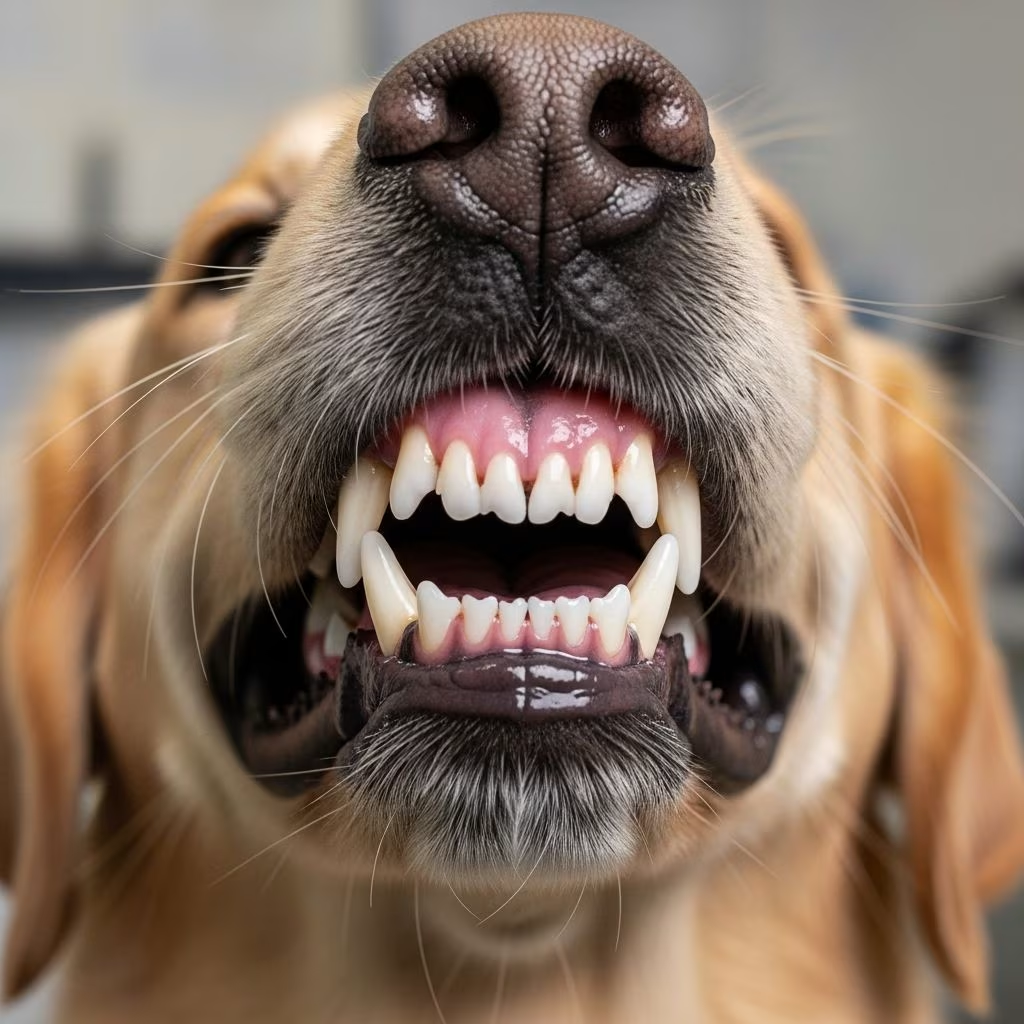
Dogs frequently encounter oral health challenges that can impact their overall well-being if not addressed promptly. Understanding these issues empowers owners to take proactive steps for prevention and timely intervention.
Why Oral Health Matters for Dogs
A dog’s mouth serves critical functions beyond eating, influencing nutrition absorption, comfort during play, and even social interactions. Poor dental hygiene leads to pain, infection risks, and systemic health complications like heart or kidney disease due to bacterial spread. Regular veterinary check-ups are vital, as dental exams should occur annually or more frequently for at-risk breeds.
Recognizing Early Warning Signs
Detecting dental problems early can prevent escalation. Owners should monitor for subtle changes in behavior and appearance.
- Persistent bad breath (halitosis): Often the initial indicator of plaque buildup or infection.
- Excessive drooling or pawing at the mouth: Signals discomfort from inflamed gums or loose teeth.
- Changes in eating habits: Reluctance to chew hard food, dropping kibble, or sudden weight loss.
- Visible tartar or discoloration: Yellow-brown deposits on teeth or red, swollen gums.
- Bleeding gums or facial swelling: Advanced signs requiring immediate attention.
Brachycephalic breeds like Bulldogs face higher risks due to tooth crowding, while small dogs such as Chihuahuas develop issues faster from diet and genetics.
Common Dental Conditions in Canines
Several disorders dominate canine dentistry, progressing from mild inflammation to severe structural damage.
Gum Inflammation (Gingivitis)
This reversible stage involves gum redness and swelling from plaque bacteria. Home brushing helps mild cases, but professional scaling under anesthesia removes subgingival buildup effectively. Untreated, it advances to deeper tissue involvement.
Advanced Gum and Bone Disease (Periodontitis)
Periodontitis erodes supporting bone and ligaments, loosening teeth. X-rays assess bone loss extent, guiding treatments from deep cleanings to extractions. Dogs adapt well post-extraction, regaining appetite and comfort.
Tooth Fractures and Pulp Exposure
Chewing hard objects causes cracks, exposing sensitive pulp to bacteria. Signs include discolored teeth, facial swelling, or pain on touch. Options are extraction or root canal by specialists.
Malocclusion and Developmental Issues
Improper bite alignment, common in puppies, leads to uneven wear or trauma. Early evaluation during growth allows orthodontic corrections or selective extractions, especially in flat-faced breeds.
| Condition | Key Symptoms | Risk Factors | Progression Risk |
|---|---|---|---|
| Gingivitis | Red gums, mild halitosis | Poor hygiene, age | High to periodontitis |
| Periodontitis | Loose teeth, bleeding | Small breeds, diet | Systemic infection |
| Fractured Teeth | Pain, discoloration | Hard chews | Abscess formation |
| Malocclusion | Bite misalignment | Genetics, brachycephalic | Chronic wear/pain |
Prevention Strategies for Lifelong Oral Wellness
Proactive care minimizes disease onset. Start dental routines early, ideally by six months.
- Daily Brushing: Use enzymatic toothpaste and dog-specific brushes to disrupt plaque.
- Dental Chews and Diets: VOHC-approved products mechanically clean and reduce tartar.
- Professional Cleanings: Schedule first by age 2-3, then annually; includes scaling, polishing, and radiographs.
- Water Additives and Rinses: Antimicrobial solutions control bacteria between vet visits.
Breed-specific risks demand tailored plans; consult vets for customized regimens.
Diagnostic Approaches in Veterinary Dentistry
Accurate diagnosis relies on comprehensive exams under anesthesia for safety and thoroughness.
- Oral Examination: Probes pockets, checks alignment, and notes abnormalities.
- Dental Radiographs: Reveal hidden bone loss, root abscesses, or fractures invisible externally.
- Probing and Charting: Measures attachment loss to stage disease severity.
These tools inform precise treatment, avoiding guesswork.
Treatment Options Explained
Interventions range from conservative to surgical, prioritizing pain relief and infection control.
- Scaling and Polishing: Removes tartar supra- and subgingivally; sealants may follow.
- Extractions: For non-salvageable teeth; dogs thrive without them.
- Root Canal Therapy: Saves vital teeth by removing infected pulp; specialist-referred.
- Antibiotics and Pain Management: Supportive care pre- and post-procedure.
- Orthodontics: Appliances correct malocclusions in young dogs.
Post-op recovery involves soft foods, monitoring, and resumed home care after healing.
Home Care Routines Step-by-Step
Empower yourself to maintain gains from professional treatments.
- Introduce brushing gradually with finger brushes.
- Select vet-recommended products avoiding human toothpaste.
- Aim for 30 seconds per side, twice daily.
- Incorporate chews weekly for reinforcement.
- Schedule rechecks every 6-12 months.
Consistency yields plaque-free results, extending tooth life.
Risks of Neglect and Long-Term Impacts
Ignored issues compound: chronic pain alters behavior, bacteria enter bloodstream causing organ damage. Studies link severe periodontitis to cardiovascular risks in pets. Early action averts costly advanced care.
FAQs on Dog Dental Care
Can dogs eat after dental cleaning?
Typically, soft food for 24-48 hours; resume normal diet per vet instructions.
Is anesthesia safe for dental procedures?
Modern protocols minimize risks; pre-op bloodwork ensures suitability.
How often should I brush my dog’s teeth?
Daily for best prevention; at least 3-4 times weekly.
Do all dogs need dental X-rays?
Recommended for disease staging, especially over age 3.
What if my dog resists brushing?
Use treats, short sessions, and flavored pastes to build tolerance.
Choosing a Veterinary Dentist
For complex cases, seek board-certified specialists via AVDC directory. They offer advanced imaging, surgeries, and orthodontics unavailable at general practices.
Investing in canine dental health fosters happier, healthier companions. Routine vigilance transforms potential crises into manageable care.
References
- Dental Disorders of Dogs – Dog Owners — Merck Veterinary Manual. 2023. https://www.merckvetmanual.com/dog-owners/digestive-disorders-of-dogs/dental-disorders-of-dogs
- Dental disease in dogs — PDSA. 2024. https://www.pdsa.org.uk/pet-help-and-advice/pet-health-hub/conditions/dental-disease-in-dogs
- 8 Symptoms & Treatment of Dental Problems in Dogs — Reedy Creek Vet. 2023. https://www.reedycreekvet.com.au/blog/dental-disease-in-dogs
- Common Dental Problems in Dogs — Anaheim Animal Care. 2024-02-15. https://www.anaheimanimalcare.com/site/blog/2024/02/15/common-dental-problems-dogs
- Dental Issues in Dogs — PetMD. 2024. https://www.petmd.com/dog/conditions/mouth/dental-issues-dogs



