

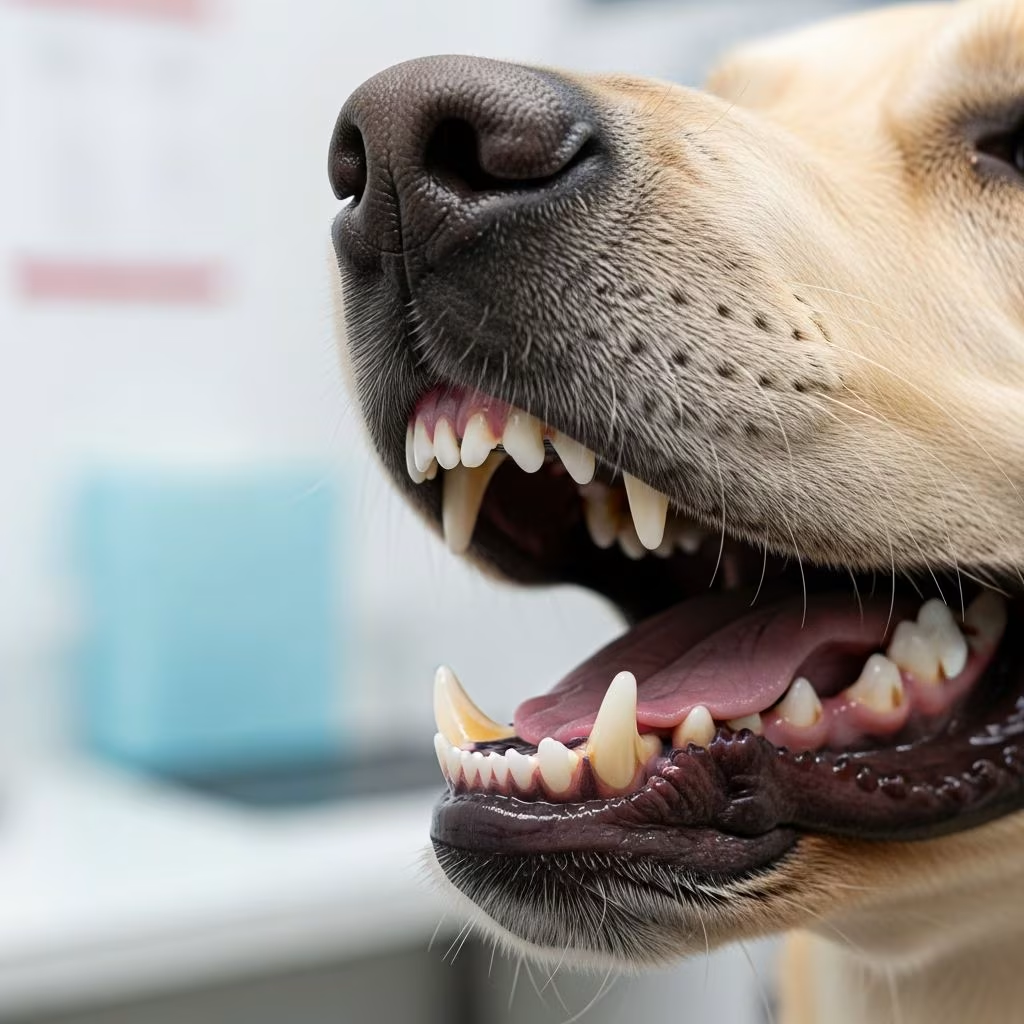
Dogs undergo a remarkable dental transformation from birth through adulthood, starting with temporary milk teeth and progressing to a robust set of permanent ones. Understanding this process helps owners support their pets through teething discomfort and spot issues early.
Embryonic Foundations of Dog Teeth
Tooth development in dogs begins in the womb, with the dental lamina emerging around day 25 of gestation in canine embryos. This structure forms the basis for both deciduous and permanent teeth, fusing into continuous arches by day 30. Odontogenesis involves ectoderm and ectomesenchyme, progressing through bud, cap, and bell stages where crown shape, size, and enamel form.
Calcification starts at day 55 prenatally for deciduous teeth, completing crown formation by 20 days post-birth and roots by day 45. The mandibular first molar is the only permanent tooth calcifying before birth, visible in imaging by day 55. Successional lamina extensions develop permanent successors, while premolars and molars form directly without predecessors. Disruptions during these phases can lead to anomalies like hypoplasia.
Timeline of Puppy Milk Teeth Eruption
Puppies are born toothless, but deciduous teeth erupt rapidly. Incisors appear first at 2-4 weeks, followed by canines and premolars by 6-8 weeks, resulting in 28 sharp milk teeth total.
- 2-3 weeks: Central incisors emerge, aiding early weaning.
- 3-4 weeks: Lateral incisors and first premolars follow.
- 4-6 weeks: Canines and remaining premolars complete the set.
These temporary teeth are smaller, thinner, and sharper than permanents, designed for nursing and soft foods. By 6-8 weeks, most litters have full deciduous dentition, coinciding with weaning.
The Teething Transition Period
Around 3-4 months, puppies enter teething, where roots resorb and milk teeth shed as permanents push through. Chewing intensifies due to sore gums, and some teeth may persist alongside adults. Incisors erupt at 12-16 weeks, canines and premolars at 16-24 weeks, molars at 20-32 weeks, varying by breed. Full adult set of 42 teeth is typically in place by 6-7 months.
| Age Range | Milk Teeth Event | Permanent Teeth Event |
|---|---|---|
| 2-4 weeks | Deciduous incisors & premolars erupt | – |
| 3-4 months | Teeth begin shedding | Incisors (12-16 weeks) |
| 4-5 months | Most milk teeth lost | Canines & premolars (16-24 weeks) |
| 6-7 months | – | Molars (20-32 weeks); full set complete |
This table summarizes key milestones based on veterinary observations. Breed variations exist, with smaller dogs sometimes teething later.
Recognizing and Addressing Common Dental Challenges
Retained deciduous teeth occur when milk teeth fail to shed, crowding permanents and risking misalignment or periodontal disease. Veterinary checks at 6 months or during spay/neuter are vital. Other issues include congenital absence, where missing milk teeth prevent successor formation, or developmental defects like enamel hypoplasia from prenatal/postnatal insults.
Trauma, infections, or metabolic disturbances during bell stage can cause hypoplasia or dysplasia, often affecting multiple teeth due to dogs’ compressed mineralization window post-birth. Malocclusion signs may appear early, warranting professional evaluation.
Daily Dental Hygiene Practices for Puppies
Start oral care early to build habits. Use soft brushes and enzymatic pet toothpaste from 8 weeks, brushing daily if possible. Offer frozen carrots, rubber toys, or dental chews to soothe gums and reduce plaque.
- Inspect mouth weekly for swelling, bleeding, or retained teeth.
- Avoid human toothpaste, which contains toxic xylitol.
- Feed kibble promoting chewing action for natural cleaning.
Professional cleanings begin after adult teeth settle, but early exams catch problems.
Adult Dog Dental Maintenance Strategies
Adult dogs have 42 teeth: 12 incisors, 4 canines, 16 premolars, 10 molars—larger and stronger for grinding. Maintain with brushing, water additives, and treats. Annual vet dental exams with X-rays detect hidden issues.
Signs of trouble include bad breath, tartar buildup, loose teeth, or pain while eating. Breeds like small ones are prone to crowding.
Nutritional Support for Strong Teeth
Diet impacts dental health. Balanced puppy food supports eruption; avoid sticky treats promoting plaque. Calcium/phosphorus ratios aid mineralization. Post-teething, dental diets with fibers scrape teeth.
Breed-Specific Dental Considerations
Brachycephalic breeds (e.g., Bulldogs) face crowding; toys like Chihuahuas retain teeth often. Giants like Great Danes may delay eruption. Tailor care to breed traits.
FAQs on Dog Dental Development
What if my puppy’s baby teeth don’t fall out?
Retained teeth need vet extraction to prevent damage to permanents. Common in small breeds.
How many teeth does an adult dog have?
42 permanent teeth, versus 28 deciduous.
Is puppy teething painful?
Yes, causing chewing and drooling. Provide safe outlets.
When should I start brushing my dog’s teeth?
From 8 weeks with pet-safe products.
Can diet affect tooth development?
Yes, nutritional deficiencies during formation cause defects.
Long-Term Oral Health Benefits
Early intervention prevents periodontitis, affecting 80% of dogs by age 3. Regular care extends life and comfort. Monitor through life stages for issues like fractures or abscesses.
References
- Puppy & Kitten Teeth Milestones & Dental Care Timeline — Veterinary Dental Care. 2023. https://veterinarydentalcare.com/puppy-kitten-teeth-milestones-dental-care-timeline/
- Dental Development in Animals – Digestive System — Merck Veterinary Manual. 2023-10-17. https://www.merckvetmanual.com/digestive-system/dental-development-and-anatomy/dental-development-in-animals
- Developmental Structural Tooth Defects in Dogs — PMC – NIH. 2016-02-29. https://pmc.ncbi.nlm.nih.gov/articles/PMC4744861/
- Aging Puppies by Teeth — USDA-APHIS. 2020. https://www.aphis.usda.gov/sites/default/files/ac-aid-aging-puppies-by-teeth.pdf
- A Timeline of Puppy Teething — American Kennel Club. 2023. https://www.akc.org/expert-advice/puppy-information/timeline-of-puppy-teething/
- How Many Teeth Do Dogs Have? Puppy vs. Adult — Rutherford Veterinary Hospital. 2023. https://rutherfordvet.com/how-many-teeth-do-dogs-have/



