

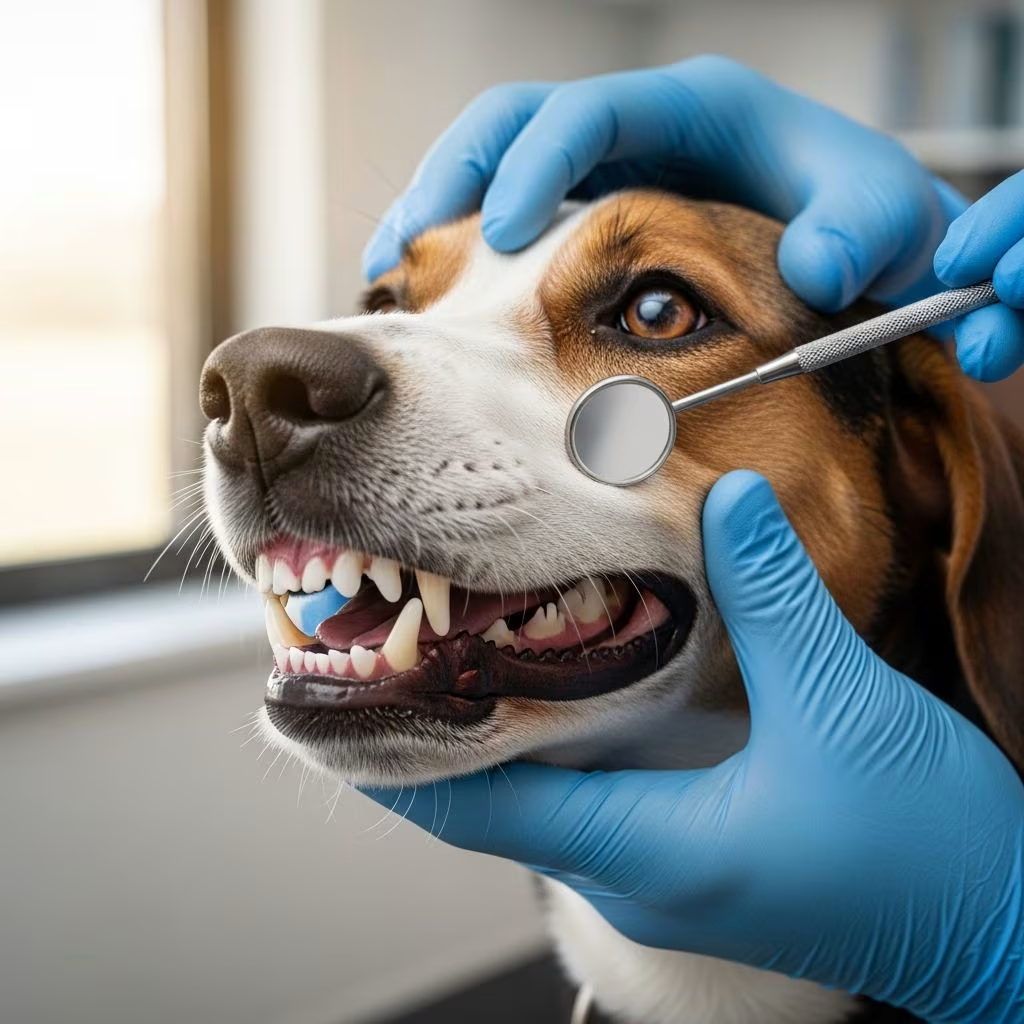
Dogs rely on healthy teeth and gums for eating, playing, and overall well-being. Poor dental health affects over 80% of dogs by age three, leading to pain, infections, and systemic issues like heart disease. Regular canine dental checks at home and with vets prevent these problems, ensuring your furry friend stays happy and healthy.
Why Dental Health Matters for Dogs
Canine dental health is crucial because dogs can’t communicate pain easily. Untreated issues cause chronic discomfort, tooth loss, and bacteria spreading to organs via the bloodstream. The American Veterinary Medical Association emphasizes annual vet checks, as most disease hides below the gumline. Preventive care like brushing reduces plaque, the sticky film of bacteria that hardens into tartar, triggering gingivitis and periodontitis.
Small breeds suffer more due to crowded teeth, while large breeds face wear from chewing. Early intervention via dental checks catches issues like fractures or abscesses, saving costs and suffering. Home monitoring combined with professional cleanings under anesthesia provides thorough care, including scaling, polishing, and X-rays.
Signs of Dental Problems in Dogs
Spotting dental issues early through regular canine dental checks prevents progression. Common signs include:
- Bad breath (halitosis): Persistent foul odor signals bacterial buildup or infection.
- Discolored teeth: Yellow-brown tartar on teeth indicates plaque accumulation.
- Red or swollen gums: Gingivitis causes inflammation; bleeding occurs when touched.
- Loose or missing teeth: Advanced periodontitis erodes supporting bone.
- Excessive drooling or pawing at mouth: Pain from fractures or abscesses prompts discomfort behaviors.
- Difficulty eating or dropping food: Oral pain leads to selective eating or weight loss.
- Facial swelling or nasal discharge: Root abscesses can pus from nose.
Perform weekly visual checks: lift lips to inspect gums (should be pink, firm) and teeth (white, clean). The AAHA guidelines recommend tooth-by-tooth probing and charting during exams. If signs appear, consult a vet promptly to avoid stage 4 disease requiring extractions.
How to Do a Canine Dental Check at Home
Weekly home dental checks empower owners to monitor progress. Follow these steps:
- Gather tools: Soft dog toothbrush, enzymatic toothpaste (never human fluoride varieties, toxic to dogs), treats for rewards.
- Position comfortably: Sit dog calmly; lift lips gently from front and sides.
- Inspect visually: Check for tartar, gum color, swelling, fractures. Note odors or bleeding.
- Feel gently: Run finger along teeth/gums for looseness or pain reactions.
- Record findings: Note issues for vet discussion; take photos if needed.
Start puppies young for tolerance. If resistant, use finger brushes or gauze. Daily checks transition to brushing, removing plaque effectively.
Preventing Dental Disease: Daily and Weekly Routines
Prevention beats treatment. Key strategies include:
- Daily brushing: Most effective; use poultry-flavored enzymatic paste 3-7 times weekly. Angle brush 45 degrees to gums, 30 seconds per side.
- Dental chews and toys: VOHC-approved products scrape tartar; rotate to avoid wear.
- Dental diets: Crunchy kibble mechanically cleans; vet-recommended formulas reduce plaque.
- Water additives/mouth rinses: Enzymatic options control bacteria between brushes.
- Avoid table scraps: Sugary/human foods accelerate tartar.
AAHA suggests prophylaxis by age 1-2, tailored by breed size. Combine home care with annual vet exams for 360-degree protection.
Professional Dental Cleanings: What to Expect
Vets perform full cleanings under general anesthesia for safety and completeness. Process:
| Step | Description |
|---|---|
| 1. Pre-anesthetic exam | Bloodwork ensures safety; fasting required. |
| 2. Anesthesia induction | IV catheter, monitoring of vitals throughout. |
| 3. Oral assessment | Full-mouth X-rays detect hidden issues like root abscesses. |
| 4. Scaling | Ultrasonic/supragingival/subgingival removal of tartar/plaque. |
| 5. Probing/Charting | Measure pockets, assess mobility per AAHA protocol. |
| 6. Polishing | Smooths enamel, slows future buildup. |
| 7. Extractions if needed | Painless removal of non-salvageable teeth. |
| 8. Recovery | Monitored wake-up; home with pain meds, diet instructions. |
Frequency: Annually or as needed; small dogs often yearly. Costs vary, but prevention reduces need.
Treating Common Dental Diseases
Dental disease stages require escalating care:
- Stage 1 (Gingivitis): Home brushing, annual cleanings.
- Stage 2 (Early Periodontitis): Professional scaling, antibiotics if infected.
- Stage 3 (Moderate): Deep cleaning, possible extractions.
- Stage 4 (Advanced): Surgery, root canals, extensive antibiotics; home care essential post-op.
Treatments like root planing smooth roots for healing. Pain management vital; dogs hide discomfort.
FAQs: Canine Dental Check Essentials
How often should I check my dog’s teeth?
Weekly visual checks; daily brushing ideal. AVMA recommends.
Can I use human toothpaste on my dog?
No, toxic fluoride/xylitol. Use enzymatic dog paste only.
When does my dog need professional cleaning?
Annually or at tartar/gum signs. AAHA: By age 1-2.
Do dental chews replace brushing?
No, they supplement; brushing removes plaque best.
What if my dog resists brushing?
Train gradually with positive reinforcement; start with finger brush.
Frequently Asked Questions
What breeds are prone to dental issues?
Small breeds like Chihuahuas due to crowding; all benefit from checks.
How much does dog dental cleaning cost?
Varies $300-1000+ based on needs; prevention saves money long-term.
Can dental disease affect my dog’s health beyond mouth?
Yes, bacteria links to heart/kidney disease.
Prioritize canine dental checks for a lifetime of health. Consult your vet for tailored plans.
References
- A Comprehensive Overview of Canine Dental Care — Livingston Animal Vet. 2023. https://livingstonanimalvet.com/livingston-tx-veterinary-blog/comprehensive-canine-dental-care
- A Comprehensive Guide to Proactive Dental Care for Pets — All Animal Veterinary Services. 2024. https://allanimalveterinaryservices.com/healthy-barks-whiskers-a-comprehensive-guide-to-proactive-dental-care-for-pets/
- Dental Disease in Dogs: A Comprehensive Guide — GoodRx. 2025-01-10. https://www.goodrx.com/pet-health/dog/dental-disease
- Pet Dental Care — American Veterinary Medical Association (AVMA). 2024. https://www.avma.org/resources-tools/pet-owners/petcare/pet-dental-care
- 2019 AAHA Dental Care Guidelines for Dogs and Cats — American Animal Hospital Association (AAHA). 2019-01-01. http://www.aaha.org/wp-content/uploads/globalassets/02-guidelines/dental/aaha_dental_guidelines.pdf



