

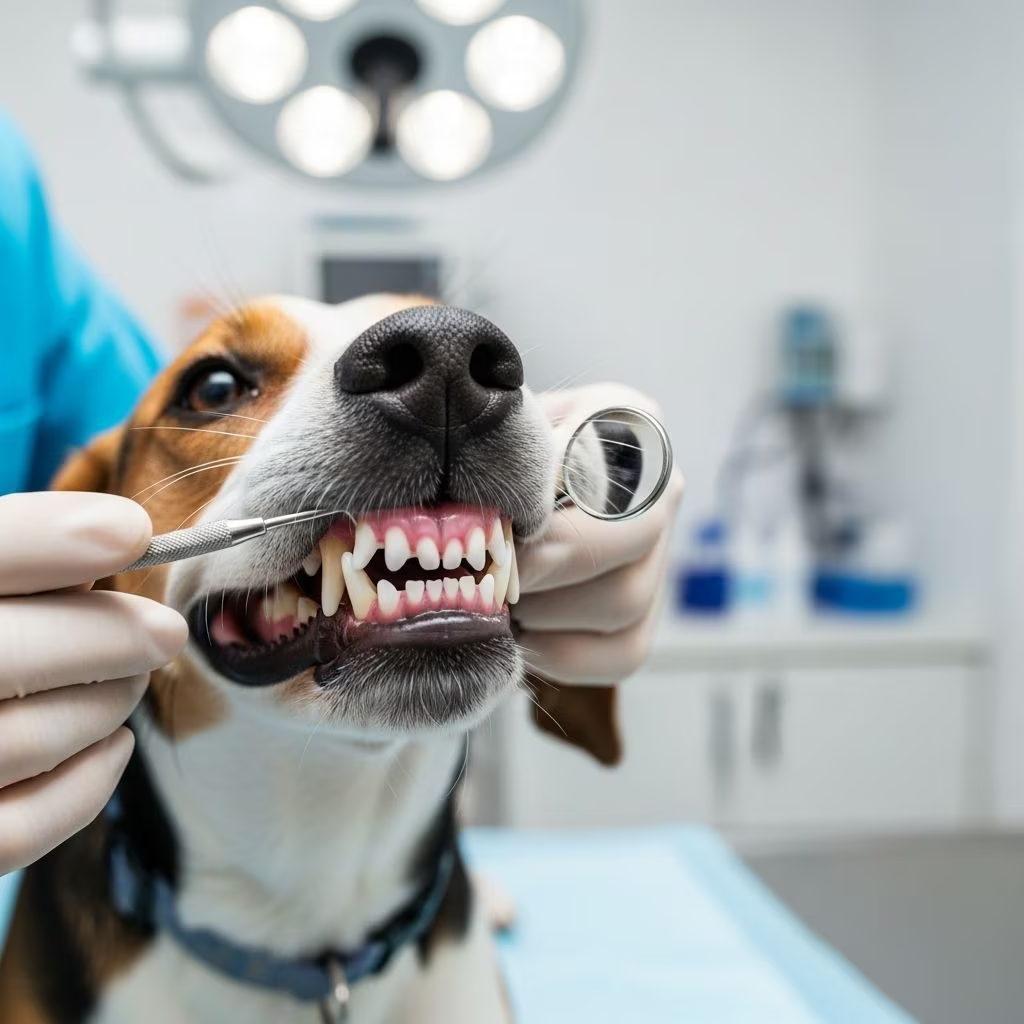
Your dog’s smile reflects their overall wellness, yet many pet owners overlook one of the most critical aspects of canine healthcare: dental maintenance. The frequency and consistency of tooth brushing directly impact not only your dog’s oral health but also their systemic wellness, potentially extending their lifespan and reducing future veterinary expenses. Understanding the optimal brushing schedule requires examining scientific evidence, professional recommendations, and practical implementation strategies tailored to your lifestyle.
The Foundation: Understanding Canine Dental Disease
Dental disease in dogs progresses through a predictable sequence that begins within days of inadequate oral care. When bacteria accumulate on the tooth surface, they form plaque—a sticky, colorless film containing harmful microorganisms. If left undisturbed, plaque mineralizes and hardens into tartar, which adheres firmly to the tooth structure and irritates surrounding gum tissue. This inflammatory response creates pockets between the gum and tooth where infection becomes established, leading to periodontal disease.
The prevalence of this condition is staggering, affecting over 80% of dogs over three years old. Beyond localized dental damage, untreated periodontal disease poses systemic risks. Bacterial colonization at the gum line can facilitate pathogen entry into the bloodstream, potentially compromising the heart, liver, and kidney function. This cascade of health complications makes preventive dental care not a cosmetic luxury but a fundamental health necessity.
Professional Recommendations: What The Evidence Shows
The American Veterinary Dental College (AVDC) establishes daily tooth brushing as the gold standard for plaque and tartar prevention. This recommendation stems from controlled research demonstrating that daily brushing disrupts plaque formation before mineralization occurs. A randomized, controlled study evaluating multiple brushing frequencies in dogs found that brushing daily or every other day produced statistically significant improved results compared to weekly or less frequent brushing. Importantly, the research demonstrated that brushing more frequently showed greater effectiveness in retarding plaque and calculus accumulation while reducing the severity of existing gingivitis.
However, researchers acknowledge that daily brushing represents an ideal rather than a minimum threshold. Alternative studies suggest that once daily represents the optimal frequency for dogs, as they appear to derive minimal additional benefit from twice-daily brushing like humans do. The practical implication is that you should aim for daily brushing rather than twice-daily, making the routine more sustainable long-term.
Realistic Frequency Guidelines Based on Individual Circumstances
While daily brushing represents the optimal target, pet dentists recognize that individual circumstances vary. The following frequency recommendations accommodate different lifestyle situations while maintaining meaningful oral health benefits:
- Daily Brushing: This frequency provides maximum plaque control and represents the most effective prevention strategy. If achievable within your routine, daily brushing offers the best chance of preventing dental disease progression.
- Every Other Day: Research indicates this frequency still produces statistically significant improvements in plaque and calculus reduction. If daily brushing proves impossible, every-other-day brushing represents a strong alternative.
- Three to Four Times Weekly: When daily brushing cannot be maintained, veterinary dentists recommend brushing at least three to four times per week as a compromise frequency that still significantly reduces plaque and tartar accumulation.
- Weekly Brushing: While considerably less effective than more frequent brushing, even weekly brushing provides some benefit by introducing routine dental care and removing surface plaque before extensive mineralization. However, research suggests that weekly brushing alone does not prevent dental disease progression.
- Minimum Threshold: The bare minimum frequency showing any benefit is once every other day, though this only slows disease progression rather than reversing existing pathology.
The Critical Timeline: Why Frequency Matters
The scientific basis for these recommendations centers on plaque’s rapid mineralization timeline. Plaque begins hardening into tartar within just days of accumulation. This brief window means that extended intervals between brushing sessions allow irreversible tartar formation. Once tartar establishes itself, mechanical brushing alone cannot remove it—professional veterinary intervention becomes necessary.
This timeline explains why weekly brushing offers minimal long-term protection despite seeming frequent. The six-day intervals between brushings exceed plaque’s mineralizing timeline, allowing tartar accumulation that brushing cannot subsequently eliminate. Conversely, every-other-day or daily brushing maintains intervals short enough to disrupt the calcification process before it progresses beyond reversible stages.
Building an Effective Brushing Technique
Frequency alone does not guarantee success; technique significantly impacts brushing effectiveness. Pet dentists recommend these practical approaches:
- Use a soft-bristled toothbrush specifically designed for canine dentition, as human toothbrushes can injure delicate gum tissue
- Apply gentle, circular motions along the gum line rather than vigorous back-and-forth strokes that may cause trauma
- Prioritize the outer tooth surfaces where plaque most readily accumulates
- Begin with brief sessions of 30 seconds and gradually extend duration as your dog becomes accustomed to the routine
- Monitor your dog’s response carefully and discontinue if signs of discomfort emerge
- Employ positive reinforcement through treats, praise, or playtime immediately following brushing to establish favorable associations
Complementary Dental Care Strategies
While brushing represents the primary preventive measure, integrating additional strategies enhances overall oral health management. Dental chews and toys specifically designed to reduce plaque and tartar provide mechanical action that complements brushing, particularly between brushing sessions. Look for products bearing the Veterinary Oral Health Council (VOHC) seal of approval, which indicates scientific validation of claimed benefits.
Oral rinses formulated with antimicrobial ingredients can reduce bacterial populations and freshen breath between brushing sessions. While these products provide supportive benefits, they function as supplements rather than substitutes for mechanical brushing. Professional dental cleanings by your veterinarian remain essential despite excellent home care, as these procedures access subgingival areas and remove established calculus that home brushing cannot address.
Professional Dental Evaluations and Cleanings
Home dental care reaches its maximum effectiveness when combined with annual or more frequent professional evaluations. Your veterinarian assesses tartar accumulation, identifies early-stage disease, and detects conditions requiring intervention. Professional cleanings, performed under general anesthesia, enable thorough scaling above and below the gum line, removal of all calculus deposits, and polishing to smooth tooth surfaces.
Early detection proves invaluable because professional intervention can arrest disease progression before irreversible damage occurs. Your veterinarian may notice incipient plaque accumulation and perform cleaning before it hardens into destructive tartar, preventing bacteria from accessing deeper tissues and causing systemic complications.
Addressing Common Obstacles to Consistent Brushing
Pet owners frequently encounter practical barriers to maintaining their intended brushing frequency. Dogs unaccustomed to oral handling may resist brushing attempts, and busy schedules can make daily routines challenging. Rather than abandoning dental care entirely, consider these solutions:
- Start habituation gradually with brief, reward-focused sessions that build positive associations over weeks
- Identify the most convenient time within your daily routine—perhaps morning or evening care time—for consistency
- Recognize that imperfect brushing frequency provides greater benefit than no brushing, making occasional sessions valuable
- Involve family members to distribute the responsibility and accommodate varying schedules
- If your dog absolutely refuses brushing, prioritize professional cleanings and complementary preventive measures
Long-Term Health and Financial Implications
The investment in consistent dental brushing pays substantial dividends across your dog’s lifespan. Early detection and prevention of dental disease eliminate the need for expensive restorative procedures, extractions, or treatment of systemic complications. A dog requiring multiple tooth extractions or treatment for bacterial endocarditis incurs costs far exceeding the minimal expense of routine brushing and annual cleanings.
Beyond financial considerations, maintaining dental health directly impacts quality of life. Dental pain can trigger behavioral changes, reduce appetite, and diminish engagement in normal activities. Conversely, a healthy mouth enables pain-free eating, maintains proper nutrition, and supports the vitality that characterizes healthy aging in dogs.
Establishing Your Dog-Specific Dental Strategy
While universal recommendations provide guidance, individual dogs vary in their needs and circumstances. Factors including age, existing dental disease, breed predisposition to periodontal problems, and your personal schedule should inform your specific approach. Younger dogs with healthy teeth might achieve excellent outcomes with consistent every-other-day brushing, while geriatric dogs or those with established disease may require daily brushing and more frequent professional evaluation.
Consult with your veterinarian to develop a personalized dental care plan accounting for your dog’s individual risk factors and your realistic capacity for consistent home care. Your veterinarian can assess current dental status, identify any disease requiring intervention, and establish an appropriate brushing frequency and professional cleaning schedule tailored to your dog’s needs.
Frequently Asked Questions
What if my dog won’t tolerate tooth brushing?
Begin with extremely brief sessions (10-15 seconds) focused on allowing your dog to become comfortable with you touching their mouth. Use high-value rewards, proceed slowly, and consider consulting a veterinary behaviorist if resistance persists. Meanwhile, maximize dental chews, professional cleanings, and dietary approaches to reduce disease risk.
Is there a “too frequent” brushing frequency?
Research suggests dogs do not derive additional benefit from brushing more than once daily, unlike humans who benefit from twice-daily brushing. More frequent brushing does not cause harm but represents inefficient use of time once daily frequency is established.
Can dental disease be reversed through brushing alone?
Brushing prevents disease progression but cannot reverse established periodontal disease. Once tartar accumulates and gum pockets form, professional veterinary intervention is necessary. This makes prevention through consistent brushing far more effective than attempting to reverse existing disease.
How do I know if my dog needs professional cleaning?
Visual indicators include yellow-brown discoloration along the gum line, red or swollen gums, bleeding when brushing, or persistent bad breath. These signs warrant immediate professional evaluation and likely professional cleaning to prevent disease advancement.
Conclusion: Making Dental Care a Lifestyle Priority
The evidence overwhelmingly supports daily tooth brushing as the optimal frequency for preventing canine dental disease, with every-other-day brushing representing an effective alternative when daily brushing proves impractical. While frequency matters, consistency matters more—establishing a sustainable routine that you maintain long-term provides greater benefit than sporadic intensive brushing efforts. By integrating regular brushing with complementary preventive strategies and annual professional evaluations, you establish a comprehensive approach that protects your dog’s oral and systemic health throughout their life. The investment in dental care today becomes the gift of healthy aging tomorrow.
References
- Effect of Frequency of Brushing Teeth on Plaque and Calculus in Dogs — PubMed/National Center for Biotechnology Information. 2015. https://pubmed.ncbi.nlm.nih.gov/26197686/
- Do You Need to Brush Your Dog’s Teeth Every Day? — Veterinary Dentistry Tennessee. https://vetdentisttn.com/do-you-need-to-brush-your-dogs-teeth-every-day/
- Why Brushing Your Dog’s Teeth Matters & How Often to Do It — WebMD Pets. https://www.webmd.com/pets/dogs/brushing-your-dogs-teeth-why-it-matters
- Brushing Your Dog’s Teeth — Montana Pet Dentistry and Oral Surgery. https://montanapetdentist.com/brushing-your-dogs-teeth/
- Brushing Your Dog’s Teeth — Advanced Animal Dentistry. https://animaldental.com.au/brushing-your-dogs-teeth/
- How Often Should I Brush My Dog’s Teeth? — Richland Animal Clinic. https://www.richlandanimalclinic.com/blog/how-often-should-i-brush-my-dogs-teeth
- 7 Reasons Why Dental Care for Dogs is Important — St. Francis Veterinary Hospital. https://stfrancisvh.com/blog/7-reasons-why-dental-care-for-dogs-is-important/



