Understanding Canine Coughing: Diagnosis and Management
Comprehensive guide to identifying and treating persistent coughs in dogs

A persistent cough in your dog can be concerning and often signals an underlying health issue requiring veterinary attention. Unlike humans, dogs cannot verbally describe their discomfort, making it essential for pet owners to recognize the significance of chronic coughing and understand when professional intervention is necessary. The causes of canine coughing range from benign environmental irritants to serious medical conditions affecting the heart, lungs, and respiratory tract. By understanding the potential triggers and available treatment options, you can better advocate for your dog’s health and well-being.
Distinguishing Between Acute and Chronic Cough Presentations
When evaluating your dog’s cough, one of the first considerations is determining whether the condition is acute (sudden onset) or chronic (persistent over time). An acute cough that develops suddenly may indicate an infection or foreign body aspiration, whereas a chronic cough lasting several weeks often points to underlying structural or systemic issues. The duration and pattern of coughing provide crucial diagnostic clues for veterinarians. Dogs experiencing brief coughing episodes following exposure to specific triggers may have allergic reactions or environmental sensitivities, while those with continuous coughing throughout the day typically suffer from conditions requiring more intensive management.
The seasonal nature of coughing can also provide valuable diagnostic information. If your dog coughs primarily during specific times of year when pollen counts or mold spores increase, environmental allergies may be the culprit. Conversely, year-round persistent coughing suggests chronic respiratory or cardiac conditions. Keeping a detailed log of when and where your dog coughs, including environmental factors and associated activities, helps veterinarians narrow down potential diagnoses.
Common Infectious and Contagious Respiratory Conditions
Infectious agents represent some of the most frequently encountered causes of canine coughing. Kennel cough, medically known as infectious tracheobronchitis, stands as one of the most common respiratory infections affecting dogs worldwide. This highly contagious condition spreads rapidly in environments where multiple dogs congregate, such as boarding facilities, dog parks, and training classes. The classic presentation includes a dry, honking cough that may sound alarming but typically resolves within 1-3 weeks without intervention, though veterinary care can expedite recovery and prevent complications.
Upper respiratory infections caused by viral pathogens, including canine influenza virus, frequently trigger persistent coughing in affected dogs. These infections often accompany secondary symptoms such as nasal discharge, sneezing, and reduced appetite. Most dogs recover from these infections through supportive care, though the discomfort during the acute phase warrants veterinary attention to ensure appropriate management.
Pneumonia, classified as viral, bacterial, or fungal in origin, represents a more serious respiratory infection requiring prompt treatment. Dogs with pneumonia may exhibit fever, lethargy, reduced appetite, and labored breathing in addition to coughing. The condition demands veterinary intervention including antibiotics when appropriate, supportive care with fluids, and rest to allow recovery. In severe cases, hospitalization and intensive monitoring may be necessary.
Distemper, though less common due to widespread vaccination, remains a serious consideration, particularly in unvaccinated puppies. This potentially fatal viral disease causes coughing along with neurological signs and systemic illness. Prevention through proper vaccination protocols is far more effective than treatment after infection develops.
Structural and Anatomical Contributors to Chronic Coughing
Beyond infectious agents, several structural abnormalities of the respiratory system predispose dogs to chronic coughing. Tracheal collapse occurs when the cartilage rings supporting the windpipe weaken, allowing the airway to collapse during breathing or exertion. This condition predominantly affects small breed dogs such as Yorkshire Terriers, Pomeranians, and Pugs, often with a genetic component to disease development. The characteristic cough produced by tracheal collapse resembles a honking sound, which many owners describe as reminiscent of a goose call. Management typically involves weight control, use of body harnesses rather than neck collars to reduce pressure on the trachea, and medications including bronchodilators and anti-inflammatory agents.
Chronic bronchitis involves ongoing inflammation of the bronchial tubes and represents one of the most common lung-related causes of persistent coughing in dogs, particularly affecting middle-aged to older small breeds. This inflammatory condition creates ongoing irritation and coughing, often making breathing difficult and fatiguing for affected animals. Long-term management with anti-inflammatory medications, weight maintenance, and environmental controls can substantially improve quality of life.
Laryngeal paralysis, more common in older large breed dogs, results when the muscles controlling the larynx fail to function properly. This prevents proper opening and closing of the airway entrance, causing coughing and distinctive noisy breathing patterns. While some dogs manage adequately with conservative care, severe cases may require surgical intervention to maintain adequate airway patency.
Cardiac Conditions Manifesting as Respiratory Symptoms
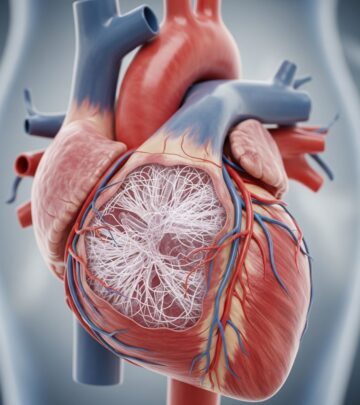
The heart-lung connection in canine medicine means that cardiac disease frequently presents with respiratory symptoms, particularly coughing. Congestive heart failure causes fluid accumulation in lung tissues, triggering coughing that often worsens at night or following exercise when the affected dog attempts to rest. This fluid buildup leads to reduced oxygen exchange and respiratory distress. Dogs with cardiac-related coughing typically require heart medications and careful exercise management alongside standard respiratory supportive care.
Pleural effusion, where fluid accumulates in the space surrounding the lungs, can develop secondary to heart failure, cancer, or lung lobe torsion. Dogs with this condition experience coughing alongside rapid breathing and lethargy. Diagnostic procedures such as thoracentesis (needle aspiration of excess fluid) help identify the underlying cause while providing symptomatic relief through fluid removal. Some dogs require ongoing chest tube placement to facilitate continuous fluid drainage.
Parasitic and Environmental Triggers
Heartworm disease poses a significant threat in warmer climates where mosquito populations thrive. Transmitted through infected mosquito bites, heartworms establish residence in the heart and pulmonary blood vessels, triggering coughing alongside exercise intolerance, weight loss, and potentially fatal complications if untreated. Prevention through year-round prophylactic medications proves far more effective and cost-efficient than treating established infection.
Environmental allergens including pollen, dust mold, and smoke irritate the canine respiratory tract, prompting coughing responses in allergic individuals. These airborne triggers may cause seasonal coughing patterns that correlate with outdoor activities or household changes. Minimizing exposure to identified irritants and using air purification systems can reduce symptom severity. Additionally, allergen-specific medications prescribed by veterinarians help manage hypersensitive responses.
Household irritants such as perfumes, air fresheners, cleaning products, and cigarette smoke create respiratory inflammation even in non-allergic dogs. Simply removing or reducing exposure to these substances often produces remarkable improvement in coughing symptoms without requiring medication.
Diagnostic Approaches to Identify Underlying Causes
Accurate diagnosis requires a systematic approach combining history, physical examination, and appropriate diagnostic testing. Veterinarians begin by gathering detailed information about cough characteristics, duration, progression, and associated environmental or behavioral factors. The timing of coughing episodes provides important clues—coughing primarily during excitement may suggest tracheal issues, while nighttime coughing raises concern about cardiac disease or pleural effusion.
Physical examination findings guide diagnostic decision-making. Auscultation of the lungs and heart with a stethoscope reveals abnormal sounds suggesting specific pathologies. Chest radiographs provide visual confirmation of lung pathology, cardiac enlargement, or fluid accumulation. In some cases, advanced imaging including CT scans or bronchoscopy offers additional diagnostic precision. Blood work and heartworm testing help eliminate systemic causes. Specialized diagnostics like echocardiography assess cardiac function when heart disease is suspected.
Treatment Strategies Based on Underlying Diagnosis
| Condition | Primary Treatment Approach | Supportive Measures |
|---|---|---|
| Kennel Cough | Cough suppressants, rest | Avoid stress, limit activity |
| Allergies | Allergen avoidance, antihistamines | Environmental control, air purification |
| Tracheal Collapse | Anti-inflammatories, bronchodilators | Weight management, harness use |
| Chronic Bronchitis | Steroids, anti-inflammatories | Weight maintenance, air quality control |
| Heart Disease | Cardiac medications, diuretics | Exercise restriction, salt management |
| Pneumonia | Antibiotics, supportive care | Rest, fluids, humidified air |
| Heartworm | Adulticide or microfilaricide | Activity restriction, monitoring |
Pharmacological interventions form the backbone of cough management. Antibiotics eliminate bacterial infections, steroids reduce airway inflammation, bronchodilators open constricted airways, and cough suppressants provide symptomatic relief when appropriate. Heart medications address underlying cardiac dysfunction driving cough symptoms in dogs with cardiac disease.
Non-pharmacological management equally important for optimizing outcomes. Weight management proves particularly beneficial for dogs with tracheal collapse and heart disease, reducing mechanical stress on compromised structures. Environmental modifications including improved air quality, humidity control, and allergen reduction significantly impact symptom severity. For dogs with heart-related coughing, offering warm, wet foods facilitates easier eating while reducing airway irritation.
Emergency Warning Signs Requiring Immediate Veterinary Care
While many causes of canine coughing can be managed on an outpatient basis, certain presentations demand emergency evaluation. Contact emergency veterinary services immediately if your dog exhibits labored or rapid breathing, blue or pale gum discoloration, excessive drooling, coughing fits that cannot be interrupted, or apparent respiratory distress. These signs indicate inadequate oxygenation requiring urgent intervention. Additionally, sudden onset of severe coughing accompanied by lethargy or collapse warrants emergency evaluation to exclude life-threatening conditions.
Frequently Asked Questions About Canine Coughing
How long should I wait before contacting my veterinarian about my dog’s cough?
If coughing persists beyond 3-5 days, progressively worsens, or is accompanied by other symptoms such as fever, lethargy, or reduced appetite, veterinary consultation is warranted. Don’t delay seeking care if your dog shows any signs of respiratory distress or systemic illness.
Can allergies cause persistent coughing in dogs?
Yes, environmental allergens frequently trigger chronic coughing in sensitive dogs. If coughing correlates with specific seasons or exposure to identifiable triggers, allergies may be responsible. Veterinary allergy testing and management can help identify and control problematic allergens.
Is my dog’s cough contagious to other dogs?
Some causes of coughing, particularly kennel cough and canine influenza, are highly contagious to other dogs. Isolate your affected dog from other canines and contact your veterinarian for guidance on preventing transmission. In contrast, coughing from heart disease or tracheal collapse poses no contagion risk.
What can I do at home to help my coughing dog?
Minimize environmental irritants, maintain good air quality, ensure adequate hydration, and provide rest. Use body harnesses rather than neck collars if tracheal issues are suspected. Avoid secondhand smoke and strong cleaning products. However, home care supplements but does not replace professional veterinary diagnosis and treatment.
Are there preventative measures I can take?
Yes. Ensure current vaccinations against kennel cough, canine influenza, and distemper. Administer year-round heartworm prevention in endemic areas. Maintain healthy body weight to reduce stress on the respiratory and cardiac systems. Minimize exposure to environmental irritants and reduce stress through appropriate exercise.
Long-Term Management and Quality of Life Considerations
Many dogs with chronic coughing cannot be completely cured but can be effectively managed to maintain good quality of life. Working closely with your veterinarian to develop a comprehensive long-term management plan is essential. This may include regular monitoring appointments, medication adjustments as needed, environmental modifications, and lifestyle adaptations. Some dogs require ongoing pharmaceutical management for conditions like chronic bronchitis or heart disease, while others benefit primarily from environmental controls and activity modification. Consistent weight management throughout your dog’s life significantly impacts the progression and severity of many conditions that cause coughing.
Communication with your veterinarian about your dog’s response to treatment allows ongoing optimization of the management plan. If your dog’s coughing worsens despite treatment or new symptoms develop, prompt reporting enables necessary adjustments. Many dogs with well-managed chronic conditions enjoy years of good quality of life with appropriate veterinary support and owner dedication to therapeutic recommendations.
References
- Why is My Dog Coughing and What Can I Do About It — Veteris. 2024. https://veteris.co.uk/petcare-advice/why-is-my-dog-coughing-and-what-can-i-do-about-it
- Dog Coughing? Causes and When to Worry — Rutherford Veterinary Hospital. 2024. https://rutherfordvet.com/dog-coughing/
- Why is Your Dog Coughing? What to do When Your Dog Has a Cough — Port Townsend Veterinary Clinic. 2024. https://pettownsendvet.com/blog/why-is-your-dog-coughing/
- What to Do if a Dog Is Continuously Coughing? — Rear Road Animal Hospital. 2024. https://www.rearoadanimalhospital.com/what-to-do-if-a-dog-is-continuously-coughing/
- Why Does My Dog Keep Coughing? — City Line Veterinary Center. 2024. https://citylinevet.com/veterinary-blog/dog-coughing-moline-il/
- Coughing in Dogs — PDSA. 2024. https://www.pdsa.org.uk/pet-help-and-advice/pet-health-hub/conditions/coughing-in-dogs
- Why is My Dog Coughing? Causes and Treatment in Crown Point, IN — Coyne Veterinary Care. 2024. https://coynevetcare.com/blog/dog-coughing-crown-point-in/
- Why is My Dog Coughing? — Boulder Veterinary Hospital. 2024. https://bouldervet.com/blog/dog-coughing/
Similar Articles








Read full bio of Sneha Tete