

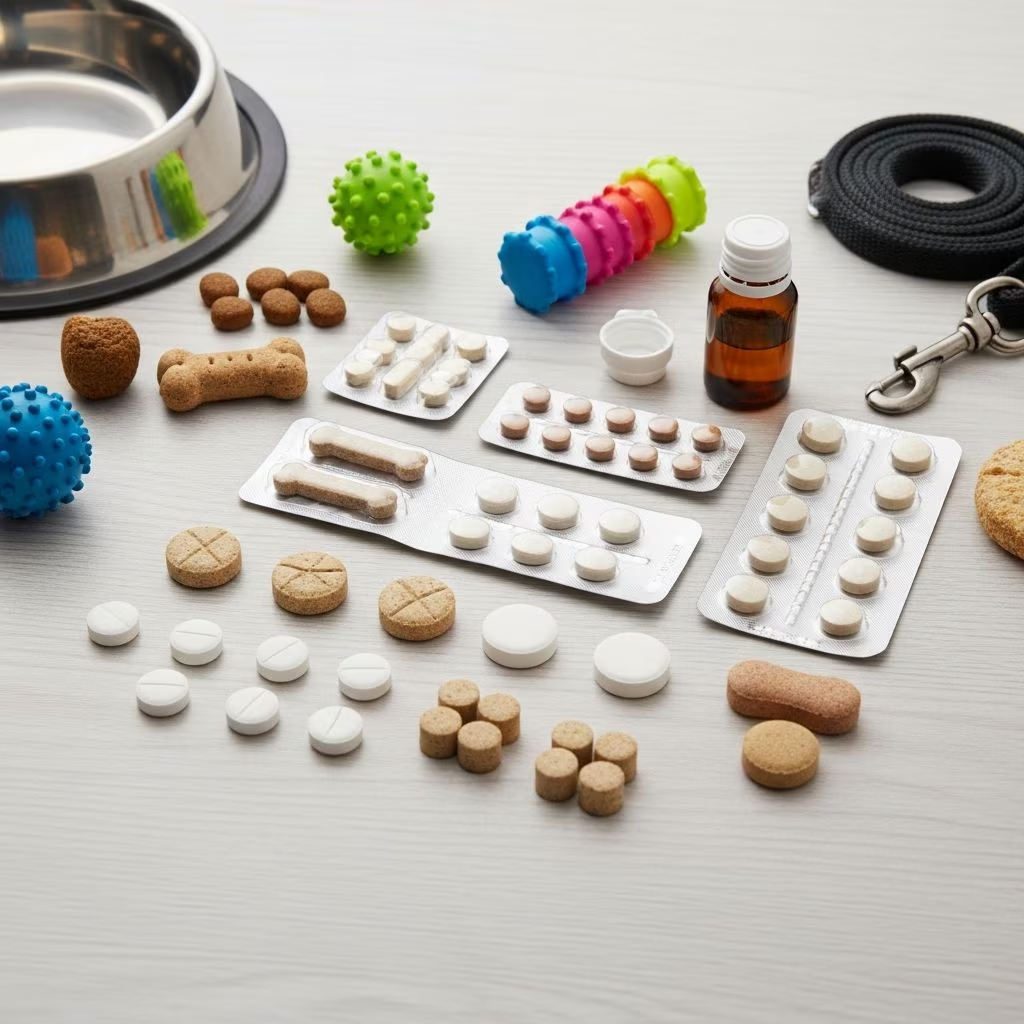
Canine cough tablets provide targeted relief for dogs experiencing respiratory distress from conditions like kennel cough or chronic bronchitis. These medications suppress coughing, improve comfort, and support recovery when used under veterinary guidance.
Common Causes of Coughing in Dogs
Dogs cough due to various respiratory issues, including infectious diseases and environmental irritants. Kennel cough, also known as canine infectious respiratory disease complex (CIRDC), tops the list as a highly contagious condition spread in boarding facilities or dog parks. Chronic cough may stem from bronchitis, tracheal collapse, or eosinophilic bronchopneumopathy (EBP), requiring diagnostic tools like radiographs and bronchoscopy for accurate identification.
Symptoms often include a dry, hacking cough, nasal discharge, lethargy, and reduced appetite. While many cases resolve in 10-14 days with rest, persistent coughing warrants professional evaluation to rule out secondary bacterial infections or heart-related issues.
How Canine Cough Tablets Work
These tablets typically contain antitussives like hydrocodone or butorphanol, which act on the brain’s cough center to reduce the urge to cough. Unlike antibiotics, they address symptoms rather than infections, making them ideal for viral causes predominant in kennel cough. Additional ingredients may include expectorants to loosen mucus or bronchodilators like theophylline to enhance airway clearance.
For chronic cases, tablets complement nebulization with sterile saline or mucolytics such as N-acetylcysteine, promoting mucus expulsion and reducing inflammation.
Key Ingredients in Effective Cough Tablets
- Hydrocodone: Potent opioid suppressant, dosed at 0.22 mg/kg every 6-12 hours for tracheal collapse or stress-induced cough.
- Butorphanol or Codeine: Alternatives for milder suppression, less sedating than hydrocodone.
- Theophylline: Weak bronchodilator aiding mucociliary clearance and airflow in bronchitis.
- Dextromethorphan: Non-opioid option for over-the-counter formulations, though veterinary-specific products are preferred.
Always select vet-recommended brands to ensure proper dosing and avoid harmful additives.
Proper Dosage and Administration
Dosage varies by dog size, weight, and condition severity. A typical regimen for kennel cough involves 1-2 tablets every 8-12 hours, administered orally with food to minimize stomach upset. For a 20-kg dog, hydrocodone-based tablets might be given at 0.22 mg/kg.
| Dog Weight (kg) | Typical Dose (mg hydrocodone) | Frequency |
|---|---|---|
| 5-10 | 1-2 | q8-12h |
| 10-20 | 2-4 | q8-12h |
| 20-40 | 4-8 | q6-12h |
Consult a vet for precise calculations, as overuse risks sedation or constipation. Monitor response and adjust as needed.
Benefits of Using Cough Tablets for Dogs
Primary advantages include better sleep, reduced airway irritation, and faster recovery. Tablets help prevent exhaustion from incessant coughing, allowing immune systems to focus on healing. In chronic bronchitis, they pair with glucocorticoids like fluticasone for long-term management, minimizing systemic side effects.
- Quick symptom relief within hours.
- Supports rest during 10-14 day recovery window.
- Reduces risk of secondary pneumonia by limiting airway trauma.
Potential Side Effects and Risks
Common side effects encompass drowsiness, gastrointestinal upset, and constipation, especially with opioids. Rare risks include respiratory depression in overdoses or interactions with sedatives. Avoid in dogs with head trauma, hypothyroidism, or glaucoma. Pregnant or nursing dogs require caution.
Prompt veterinary attention is essential if coughing worsens, fever develops, or appetite vanishes, signaling complications like pneumonia.
When to Combine with Other Treatments
Cough tablets shine in supportive care but often pair with antibiotics like doxycycline for bacterial components in kennel cough. Nebulization (10-15 minutes, 2-3 times daily) with saline humidifies airways, while weight loss aids overweight dogs with collapse-prone tracheas.
For refractory cases, advanced diagnostics like PCR swabs or transtracheal washes guide targeted therapies, such as inhaled steroids.
Natural Adjuncts and Home Care Tips
Steam from showers moistens airways, easing coughs. Honey, particularly Manuka, soothes throats as a natural remedy (1 tsp per 10 kg body weight). Probiotics maintain gut health during stress, and gentle exercise post-nebulization encourages mucus clearance.
- Ensure ample fresh water.
- Isolate from other dogs to curb spread.
- Monitor via daily logs of cough frequency and energy.
Veterinary Diagnostics Before Medication
Never self-medicate; initial exams include auscultation, radiographs, and bloodwork to exclude cardiac or parasitic causes like heartworm. For chronic cough, referral for bronchoscopy yields cytology and cultures, pinpointing bronchitis or EBP.
Prevention Strategies for Respiratory Health
Vaccines target Bordetella and parainfluenza, though they don’t cover all pathogens. Regular boosters, especially pre-boarding, slash incidence. Maintain ideal weight, avoid smoke, and limit exposure in high-risk settings.
FAQs on Canine Cough Tablets
Can I give human cough medicine to my dog?
No, human formulations risk toxicity from ingredients like acetaminophen. Use vet-approved canine tablets only.
How long do cough tablets take to work?
Relief often starts within 30-60 minutes, with peak effects in 1-2 hours.
Are cough tablets safe for puppies?
Generally after 6 months; consult vet for breed/size specifics.
Will kennel cough return after treatment?
Possible reinfection; vaccines and hygiene prevent recurrence.
When should I stop giving cough tablets?
Upon vet instruction, typically after symptoms resolve or 10-14 days.
Choosing the Right Product
Opt for products with clear labeling, vet endorsements, and proven antitussives. Read reviews but prioritize professional advice over anecdotes.
References
- Evaluating and Managing Chronic Cough in Dogs — Today’s Veterinary Practice. 2023. https://todaysveterinarypractice.com/respiratory-medicine/evaluating-and-managing-chronic-cough-in-dogs/
- Kennel Cough in Dogs: Symptoms, Causes, and Treatment — PetMD. 2024-02-17. https://www.petmd.com/dog/conditions/respiratory/kennel-cough-dogs-what-are-symptoms-and-how-kennel-cough-treated
- Kennel Cough in Dogs: Symptoms, Treatments, Vaccine — Best Friends Animal Society. 2024. https://bestfriends.org/pet-care-resources/kennel-cough-dogs-symptoms-treatments-vaccine
- Coughing in Small Animal Patients — PMC – NIH. 2020-01-27. https://pmc.ncbi.nlm.nih.gov/articles/PMC6985277/
- The risks of kennel cough — Cornell University College of Veterinary Medicine. 2024. https://www.vet.cornell.edu/departments-centers-and-institutes/riney-canine-health-center/canine-health-topics/risks-kennel-cough
- Canine infectious respiratory disease complex (Kennel cough) — AVMA. 2024. https://www.avma.org/resources-tools/pet-owners/petcare/canine-infectious-respiratory-disease-complex-kennel-cough



