

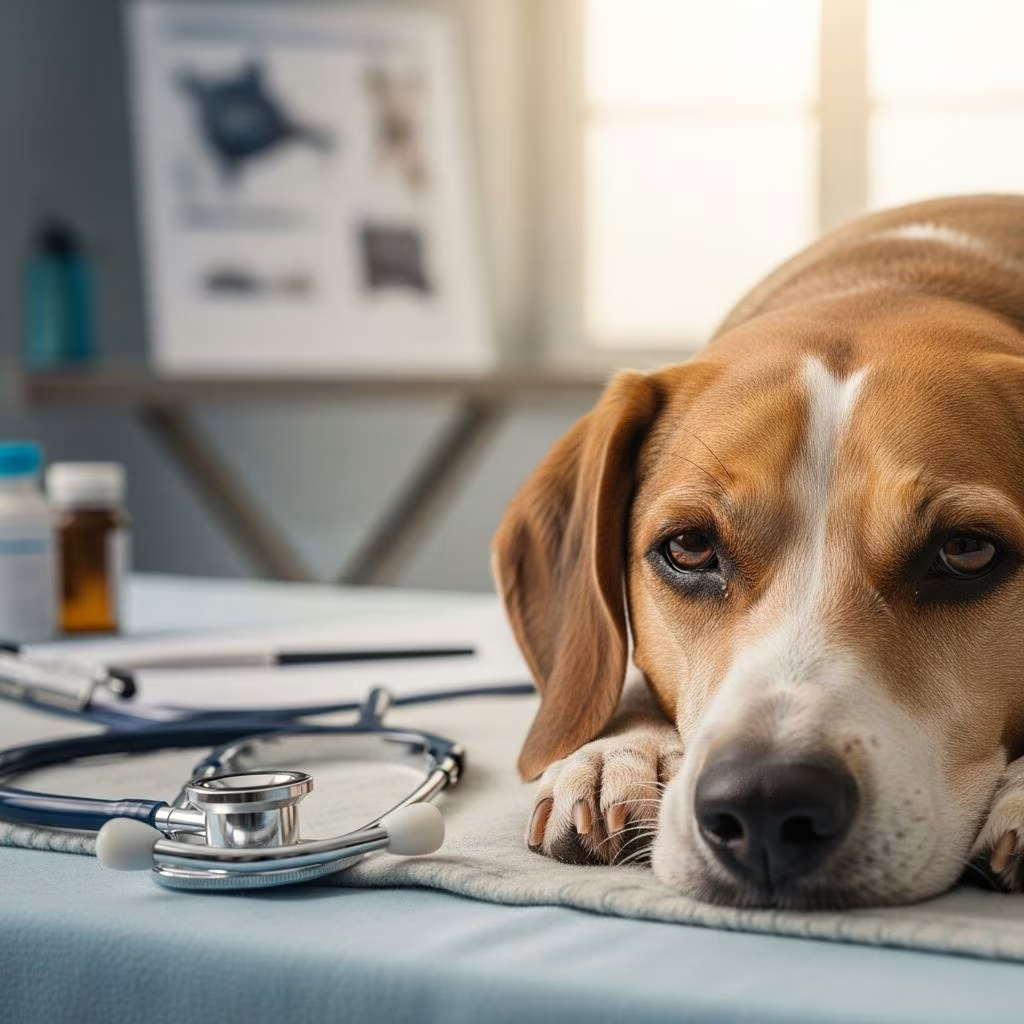
Canine Coronavirus Disease: A Comprehensive Guide for Dog Owners
Canine coronavirus disease is a viral infection that affects dogs worldwide, causing varying degrees of gastrointestinal and respiratory illness. Unlike the COVID-19 virus that affects humans, canine coronavirus is species-specific and has been identified in dog populations for decades. Understanding this disease is essential for dog owners to recognize symptoms early and seek appropriate veterinary care. This guide provides comprehensive information about the transmission, symptoms, diagnosis, and management of canine coronavirus in dogs.
What is Canine Coronavirus?
Canine coronavirus refers to two distinct viral infections that affect dogs differently. Both types are highly contagious among dogs and spread rapidly in environments where animals are in close contact. The virus belongs to the family Coronaviridae and replicates in the cells of infected dogs, leading to various clinical manifestations depending on the type of coronavirus involved.
Types of Canine Coronavirus
There are two primary types of canine coronavirus that veterinarians encounter in clinical practice. Each type has distinct transmission patterns, symptoms, and clinical outcomes that dog owners should understand.
Canine Enteric Coronavirus (CECoV): This type primarily affects the gastrointestinal tract and causes intestinal disease in infected dogs. Enteric coronavirus damages the cells lining the gastrointestinal tract, leading to digestive upset and discomfort. The enteric form has traditionally caused mild gastrointestinal clinical signs, though emerging reports indicate increasing cases of more serious infections in dogs, making CECoV an emerging infectious disease of concern.
Canine Respiratory Coronavirus (CRCoV): This type affects the respiratory system and is part of a larger respiratory disease complex in dogs. Respiratory coronavirus enters the lungs and causes upper and lower respiratory tract symptoms. Unlike CECoV, CRCoV does not have a currently available vaccine to prevent infection, as it is unrelated to the enteric form, and existing vaccines are not effective against it.
How is Canine Coronavirus Transmitted?
Canine coronavirus is highly contagious and spreads quickly between dogs through multiple transmission routes. Understanding how the virus spreads is crucial for implementing effective prevention strategies in multi-dog households and facilities.
Enteric Coronavirus Transmission
Canine enteric coronavirus primarily spreads through oral contact with infected feces from contaminated dogs. Dogs develop CECoV through ingestion of infected fecal material, with the incubation period ranging from 1 to 4 days after exposure. Once infected, dogs shed the virus in their feces for approximately 2 weeks, whether they display symptoms or remain asymptomatic. However, some research suggests the virus may also potentially spread through the aerosol route, though this transmission method remains unclear.
Crowding and unsanitary conditions significantly increase the risk of coronavirus transmission among dogs. Environments such as kennels, shelters, and boarding facilities where dogs are in close quarters create ideal conditions for rapid virus spread. Additionally, contaminated surfaces, food bowls, toys, blankets, and water sources can easily harbor and transmit the virus between dogs.
Respiratory Coronavirus Transmission
Canine respiratory coronavirus spreads through different mechanisms than the enteric form. Transmission occurs through respiratory secretions that are aerosolized and inhaled by other dogs. The virus also spreads through direct contact between infected and susceptible dogs. Like the enteric form, CRCoV can contaminate objects in the environment, including blankets, bowls, toys, and other items that dogs contact frequently.
Clinical Signs and Symptoms
The symptoms of canine coronavirus vary depending on whether a dog is infected with the enteric or respiratory form of the disease. Early recognition of these signs allows dog owners to seek veterinary care promptly and prevent complications.
Enteric Coronavirus Symptoms
Dogs infected with canine enteric coronavirus typically display gastrointestinal symptoms that may range from mild to severe. Common clinical signs include:
- Diarrhea (often with a yellowish color)
- Vomiting
- Loss of appetite or decreased appetite
- Lethargy and reduced activity levels
- Abdominal discomfort
The severity of symptoms can vary significantly between individual dogs. While some dogs experience mild digestive upset that resolves quickly, others may develop more severe gastrointestinal disease. The severity can be influenced by the dog’s age, immune status, and whether the dog has concurrent infections with other pathogens.
Respiratory Coronavirus Symptoms
Dogs with canine respiratory coronavirus exhibit different symptoms focused on the respiratory system. Clinical signs of CRCoV infection include:
- Coughing
- Sneezing
- Difficulty breathing or labored respiration
- Nasal discharge
- Lethargy
Respiratory symptoms may develop gradually and can sometimes go unnoticed until they worsen. Dogs with respiratory coronavirus may also experience systemic symptoms such as fever and malaise in some cases.
Co-infections and Severe Disease
Canine enteric coronavirus can act as a co-infection with other pathogens, most notably canine parvovirus. When CECoV combines with other viral or bacterial infections, the disease becomes significantly more serious and may result in more severe clinical outcomes requiring intensive veterinary intervention.
Diagnosis of Canine Coronavirus
Diagnosis of canine coronavirus involves a combination of clinical signs and laboratory testing. Your veterinarian will take a thorough history and perform a physical examination to assess your dog’s condition.
Diagnosis can be confirmed through laboratory tests, with fecal samples commonly used to detect the presence of canine enteric coronavirus. The virus can be identified in fecal samples through various laboratory methods including electron microscopy, immunofluorescence, and molecular testing. However, interpreting test results can be challenging, particularly in vaccinated dogs, as vaccine viruses may shed in the feces and complicate diagnosis. It is important to inform your veterinarian when your dog was last vaccinated to help with accurate test interpretation.
For respiratory coronavirus, diagnosis may involve respiratory samples in addition to clinical assessment, though laboratory testing options may be more limited than for the enteric form.
Treatment of Canine Coronavirus
There is no specific antiviral treatment available for canine coronavirus, as antibiotics are ineffective against viral infections. However, this does not mean treatment is not beneficial. Veterinarians focus on providing supportive care to manage symptoms, maintain comfort, and allow the dog’s immune system to fight the infection.
Mild to Moderate Cases
Many dogs with canine coronavirus recover on their own without requiring treatment, particularly when the infection is uncomplicated by secondary infections. For dogs with mild to moderate symptoms, outpatient treatment may include
- Oral anti-nausea medications to manage vomiting
- Oral anti-diarrheal medications
- Gastrointestinal prescription foods designed to be easily digestible
- Probiotics to re-establish healthy gastrointestinal flora
- Anti-inflammatories and cough medicine for dogs with respiratory coronavirus
- Fluids for hydration management
In many cases, treatment may consist of withholding food for 24 hours after diarrhea ceases and gradually reintroducing small amounts of bland food. Managing hydration at home is often sufficient for recovery in uncomplicated cases.
Severe Cases Requiring Hospitalization
More severe cases of canine coronavirus may require hospitalization and intensive supportive care. Hospitalized dogs may receive:
- Intravenous (IV) fluids for hydration and correction of electrolyte imbalances
- IV antibiotics to prevent or treat secondary bacterial infections
- Anti-nausea medications administered intravenously
- Nutritional support through feeding tubes or total parenteral nutrition in severe cases
- Appetite stimulants to encourage food intake
- Heat support for temperature regulation
- Oxygen therapy or nebulizer use for dogs with respiratory coronavirus
Early medical intervention is the key to successful treatment of severe cases. Dogs presenting with severe symptoms, significant dehydration, or concurrent infections benefit greatly from prompt veterinary care and intensive supportive therapy.
Recovery and Prognosis
The prognosis for dogs with canine coronavirus is generally excellent with appropriate care. Most dogs recover fully within two weeks from both the enteric and respiratory strains. Some affected dogs may recover within 8 to 10 days with supportive care.
Dogs hospitalized due to severe canine coronavirus may require one or more follow-up veterinary visits to assess recovery progress and ensure complete healing. The overall prognosis is good unless the infection is severe or occurs in very young animals with developing immune systems. Especially with early veterinary intervention and supportive care, most dogs quickly recover and return to normal health.
Prevention and Control Measures
While there is no vaccine available for canine respiratory coronavirus, prevention focuses on hygiene and management practices. Maintaining clean, sanitary conditions and separating infected dogs from susceptible animals are essential strategies. Air and surface sanitation protocols should be implemented to help stop or control the spread of illness in facilities housing multiple dogs.
Vaccines are available for canine enteric coronavirus, though their effectiveness and necessity should be discussed with your veterinarian. Since CRCoV is unrelated to CECoV, enteric coronavirus vaccines do not protect against respiratory coronavirus infections.
When to Contact Your Veterinarian
Contact your veterinarian immediately if your dog displays symptoms of canine coronavirus, particularly if your dog is very young, elderly, or has underlying health conditions. Seek emergency veterinary care if your dog experiences severe vomiting, bloody diarrhea, difficulty breathing, or signs of severe dehydration.
Frequently Asked Questions
Q: Can humans catch canine coronavirus?
A: Canine coronavirus is species-specific and does not infect humans. It only affects dogs and some other animals. The coronavirus strains that affect dogs are different from COVID-19 and do not transmit to people.
Q: How long is the recovery period for canine coronavirus?
A: Most dogs recover fully within two weeks from both enteric and respiratory forms of canine coronavirus. Some dogs may recover within 8 to 10 days with appropriate supportive care. Hospitalized dogs may require additional recovery time and follow-up veterinary visits.
Q: Is there a vaccine for canine coronavirus?
A: A vaccine is available for canine enteric coronavirus (CECoV), though consult your veterinarian about its necessity for your dog. However, there is currently no vaccine available for canine respiratory coronavirus (CRCoV), as it is unrelated to the enteric form.
Q: Can my dog get canine coronavirus more than once?
A: Dogs that recover from canine coronavirus develop some immunity to that particular strain. However, reinfection is possible, particularly with different viral strains or if immunity wanes over time. Co-infections with other pathogens may also occur.
Q: What should I do if my dog has symptoms of canine coronavirus?
A: Contact your veterinarian for proper diagnosis and guidance. While many dogs recover on their own, professional evaluation ensures your dog receives appropriate supportive care and any necessary treatment to prevent complications.
References
- Canine Coronavirus Infection — PetMD. Accessed 2025. https://www.petmd.com/dog/conditions/digestive/c_dg_canine_coronavirus_infection
- Coronavirus in Dogs — Elwood Veterinary Hospital. Accessed 2025. https://www.elwoodvet.net/coronavirus-in-dogs
- Canine Coronavirus Disease — VCA Animal Hospitals. Accessed 2025. https://vcahospitals.com/know-your-pet/coronavirus-disease-in-dogs
- Canine Coronavirus: What You Need to Know — Mission Veterinary. Accessed 2025. https://missionvet.com/canine-coronavirus-what-you-need-to-know/
- Coronavirus in Dogs — Doncaster Veterinary Clinic. Accessed 2025. https://www.doncastervet.com.au/pet-advice/coronavirus-in-dogs
- Canine Coronavirus: Transmission, Symptoms, Prevention — Aerapy Animal Health. Accessed 2025. https://aerapyanimalhealth.com/animal-diseases/canine-coronavirus/
- Canine Enteric Coronavirus (CECoV) Fact Sheet — College of Veterinary Medicine, Ohio State University. 2020. https://vet.osu.edu/sites/default/files/documents/Canine%20Enteric%20Coronavirus%20Fact%20Sheet%2020201002.pdf



