

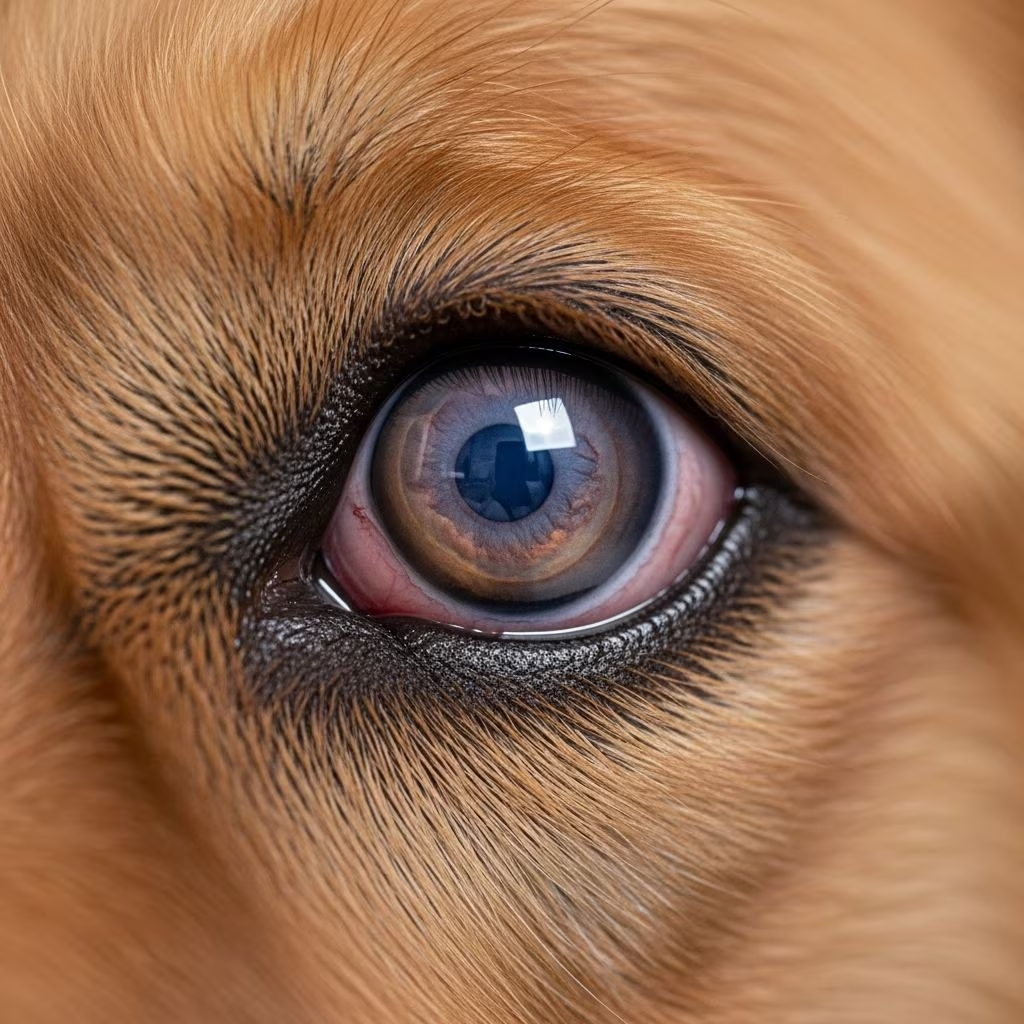
Corneal ulcers represent a frequent yet serious ocular issue in dogs, involving erosion or defects in the cornea—the eye’s clear outer layer. These injuries cause significant discomfort and demand prompt veterinary care to avoid complications like infection or vision loss. This guide delves into every aspect, empowering owners to recognize problems early and support effective healing.
Understanding the Cornea and Ulcer Formation
The cornea serves as the eye’s protective dome, maintaining clarity for vision while shielding internal structures. Composed of multiple layers, its outermost epithelium regenerates rapidly under normal conditions. However, disruptions lead to ulcers, categorized by depth: superficial (affecting only epithelium), deep (reaching stroma), or descemetocele (exposing Descemet’s membrane). Superficial types often resolve naturally in 3-10 days, but deeper ones risk rupture without intervention.
Brachycephalic breeds like Pugs and Bulldogs face heightened risks due to prominent eyes and shallow sockets, increasing trauma exposure. Factors weakening epithelial adhesion, such as dry eye, compound vulnerability.
Primary Triggers of Corneal Damage in Dogs
Trauma dominates as the leading cause, stemming from diverse incidents. Dogs may suffer scratches during play with cats or roughhousing peers, or abrasions from carpet rubbing and vegetation encounters. Penetrating wounds arise from sticks, toys, or claws, while blunt forces occur in accidents.
- Environmental irritants: Shampoos, dust, or chemicals provoke burns.
- Infections: Bacterial or viral pathogens erode tissue, though less common.
- Anatomical defects: Entropion rolls eyelids inward, distichiasis sprouts aberrant lashes, continuously abrading the surface.
Role of Underlying Conditions
Systemic diseases contribute significantly. Keratoconjunctivitis sicca (KCS or dry eye) diminishes tear production, desiccating the cornea and fostering ulcers. Endocrine imbalances like Cushing’s, diabetes, or thyroid issues impair healing. Inherited epithelial dystrophy weakens corneas in breeds like Boxers.
Indolent ulcers, non-healing superficial lesions, often link to poor epithelial attachment, while melting ulcers involve enzymatic stroma dissolution by bacteria, demanding urgent action.
Recognizing Warning Signs Early
Dogs mask pain, but corneal ulcers provoke unmistakable behaviors. Initial indicators include excessive blinking, tearing, and redness around the eye. Affected pets squint persistently, paw at the face, or keep eyes shut.
| Symptom | Severity Level | Implication |
|---|---|---|
| Clear discharge, mild squinting | Superficial | Early stage, responsive to meds |
| Cloudy cornea, thick pus | Moderate | Infection likely; vet visit ASAP |
| Visible crater, eye bulge | Severe | Emergency; rupture risk |
Advanced signs feature blue-white haze, green/yellow discharge, light sensitivity, and appetite loss from pain. These escalate rapidly, potentially yielding permanent scarring or blindness if ignored.
Veterinary Diagnostic Approaches
Diagnosis starts with a thorough exam using fluorescein dye, which stains defects green under blue light, revealing ulcer extent. Schirmer tear tests quantify KCS, while tonometry measures pressure to exclude glaucoma. Cytology or cultures identify infections, guiding therapy.
Imaging like ultrasound assesses deeper involvement sans anesthesia. Owners report history—recent trauma, breed predispositions—to inform differentials.
Treatment Strategies: Medical and Surgical
Superficial ulcers receive topical antibiotics (e.g., ointments/drops 2-4 times daily) to combat infection, alongside atropine for pupil dilation and pain relief. Lubricants mimic tears, promoting moisture. E-collars prevent self-trauma during 3-10 day healing.
Advanced Interventions
Persistent or deep ulcers necessitate escalation. Tacrolimus or cyclosporine ointments stimulate tears in KCS cases, doubling as lubricants. Serum drops from donor blood supply healing proteins against melting.
Surgery options include grid keratotomy (scraping for adhesion), corneal grafts, or third eyelid flaps for protection. Ophthalmologist referral suits complex cases, ensuring specialized tools like suture nictitans for stability. Oral pain meds and anti-inflammatories aid comfort.
Aftercare and Monitoring Progress
Post-treatment demands compliance: precise drop schedules, collar enforcement, and rechecks. Healing timelines vary—superficial in days, deep weeks—with fluorescein verifying closure. Watch for relapse signs like renewed squinting.
- Administer meds promptly to sustain levels.
- Clean discharge gently sans rubbing.
- Limit activity to avoid re-injury.
Preventive Measures for Healthy Eyes
Proactive steps mitigate risks. Trim nails in multi-pet homes, supervise play, and flush irritants immediately. Routine KCS screening in predisposed breeds enables early lacrimal therapy. Address entropion surgically if recurrent. Protective goggles suit active dogs in brushy areas.
When to Treat as an Emergency
Seek immediate care for deep ulcers (visible depression, bulge), profuse discharge, or behavioral shifts like hiding. Delays invite perforation, sepsis, or globe loss. After-hours clinics handle urgents, prioritizing vision preservation.
Frequently Asked Questions (FAQs)
How long do dog eye ulcers take to heal?
Superficial ulcers mend in 3-10 days with care; deeper ones extend to weeks, per severity.
Can corneal ulcers cause blindness?
Untreated, yes—scarring or rupture impairs vision. Prompt treatment averts this.
Is surgery always needed for ulcers?
No, most respond to meds; surgery reserves for non-healing or deep defects.
What breeds are prone to eye ulcers?
Brachycephalics (Pugs, Bulldogs), Boxers, and those with dry eye or lid issues.
Can I treat my dog’s eye ulcer at home?
No—professional diagnosis essential; home remedies risk worsening.
Long-Term Management and Prognosis
Most dogs recover fully with intervention, regaining comfort and sight. Recurrent cases signal underlying issues like KCS, warranting lifelong therapy. Owners benefit from ophthalmology follow-ups, especially breeds at risk. Vigilance ensures optimal outcomes, transforming potential tragedies into manageable events.
References
- Corneal ulceration in dogs and cats: Diagnosis and treatment — VetBloom. 2023. https://vetbloom.com/corneal-ulceration-in-dogs-and-cats/
- Dog Eye Ulcer: Causes, Symptoms and Treatment Options — CareCredit Well-U. 2024. https://www.carecredit.com/well-u/pet-care/corneal-ulcer-in-dogs/
- Eye ulcers (corneal ulcers) in dogs — PDSA. 2024-01-15. https://www.pdsa.org.uk/pet-help-and-advice/pet-health-hub/conditions/eye-ulcers-corneal-ulcers-in-dogs
- Corneal Ulcers in Dogs — VCA Animal Hospitals. 2024. https://vcahospitals.com/know-your-pet/corneal-ulcers-in-dogs
- Corneal Ulcers in Dogs: Symptoms, Treatment & More — Hill’s Pet. 2024. https://www.hillspet.com/dog-care/healthcare/corneal-ulcers-in-dogs
- Corneal Ulcers in Dogs — Premier Veterinary Group. 2023. https://www.premiervets.net/blog/corneal-ulcers-in-dogs
- Symptoms, Diagnosis and Treatment of Corneal Ulcers in Pets — Metro-Vet. 2023. https://metro-vet.com/symptoms-diagnosis-and-treatment-of-corneal-ulcers-in-pets/



