

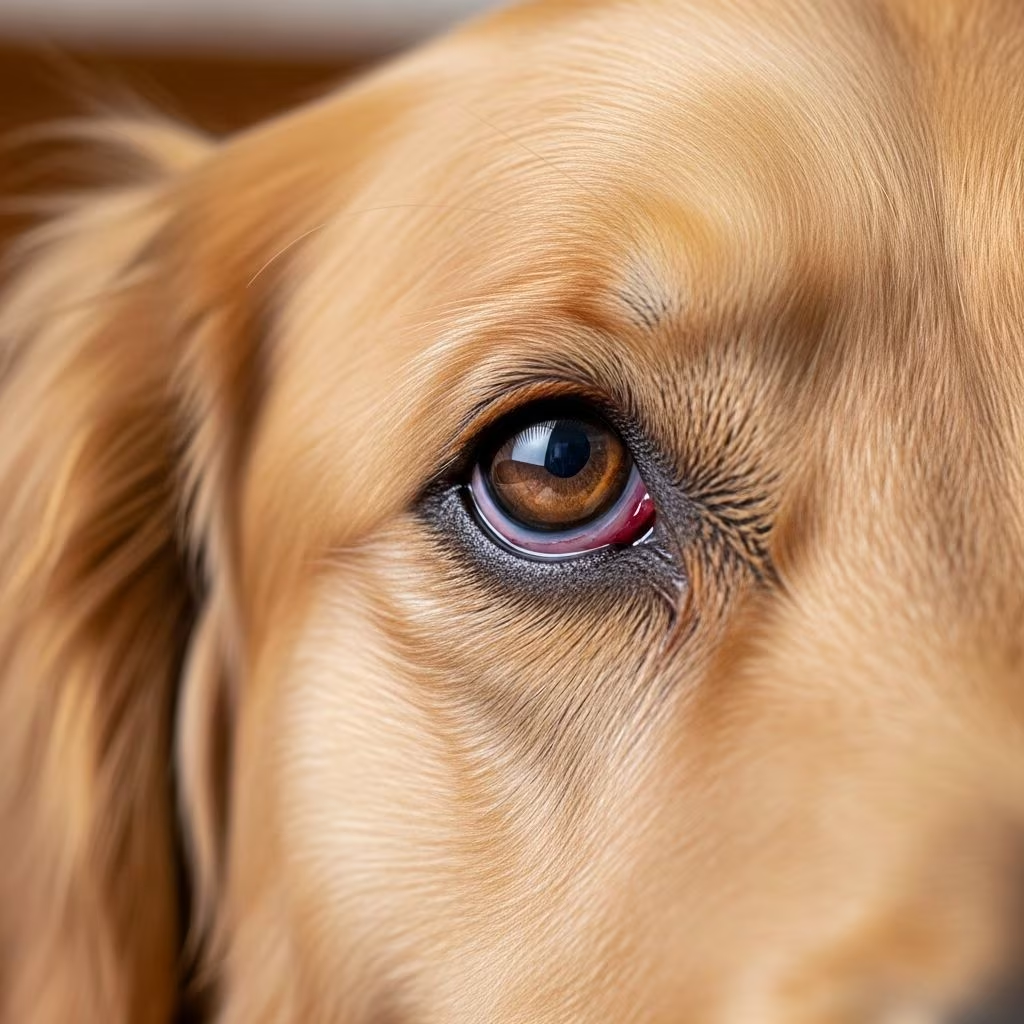
Conjunctivitis, often called pink eye, affects the thin membrane covering a dog’s eyeball and inner eyelids. This condition causes inflammation, leading to discomfort and potential vision issues if untreated. Understanding its triggers, signs, and management options empowers dog owners to act swiftly.
Understanding the Basics of Dog Eye Inflammation
The conjunctiva serves as a protective layer for the eye, producing mucus and tears to shield against debris. When irritated, it swells, reddens, and discharges fluid. Dogs of all ages and breeds can develop this, though brachycephalic types like Pugs face higher risks due to eye exposure.
Early detection prevents escalation to corneal ulcers or chronic problems. Owners should monitor eyes during grooming or play, noting any changes in appearance or behavior.
Common Triggers Behind Conjunctivitis in Dogs
Multiple factors spark this inflammation. Bacterial invasions top the list, thriving in warm, moist eye environments. Viral agents, such as canine herpesvirus, strike young or stressed dogs, often self-resolving but needing support.
- Bacterial Infections: Pathogens like Staphylococcus cause pus-like discharge; treated with targeted antibiotics.
- Viral Causes: Less common in adults; antivirals shorten outbreaks in vulnerable pups.
- Allergies: Pollen, dust, or food sensitivities provoke itchy, watery eyes; environmental controls help.
- Trauma: Scratches from play or foreign objects like grass seeds inflame tissue rapidly.
- Underlying Conditions: Dry eye (KCS), glaucoma, or eyelid defects contribute secondary cases.
Parasites or blocked ducts exacerbate issues, demanding thorough vet diagnostics like tear tests or cultures.
Spotting the Warning Signs Early
Symptoms vary by cause but share core indicators. Redness signals initial inflammation, progressing to swelling and discharge. Dogs paw at eyes, squint, or avoid light, hinting at pain.
| Symptom | Description | Severity Level |
|---|---|---|
| Redness | Bloodshot whites of eyes | Mild to Severe |
| Discharge | Clear, watery to thick yellow/green | Mild (viral) to Severe (bacterial) |
| Swelling | Puffy lids or bulged conjunctiva | Moderate |
| Squinting/Blinking | Frequent or painful closure | Severe |
| Pawing/Rubbing | Scratching at face | All levels |
| Light Sensitivity | Avoiding bright areas | Moderate to Severe |
Persistent signs beyond 24-48 hours warrant professional evaluation to rule out vision-threatening complications.
Diagnostic Approaches for Accurate Identification
Vets start with a hands-on exam using fluorescein dye to detect ulcers. Schirmer tear tests measure production, vital for KCS diagnosis. Scrapings or biopsies confirm infections or immune issues.
Cultures guide antibiotic selection, while bloodwork uncovers systemic allergies or viruses. Imaging probes deeper problems like tumors. Prompt diagnostics tailor therapies, boosting recovery odds.
Treatment Strategies Tailored to Causes
Therapy hinges on root causes. Bacterial cases respond to topical ointments like Neo-Poly-Dex, combining antibiotics and steroids. Oral options like Clavamox suit resistant infections.
Viral episodes benefit from artificial tears and antivirals like trifluridine. Allergic flares ease with antihistamines (hydroxyzine) or steroids (prednisone).
- Topical Antibiotics: Terramycin for ulcer-safe cases; apply 3-4 times daily.
- Anti-Inflammatories: Flurbiprofen drops reduce pain; monitor for side effects.
- Immunosuppressants: Cyclosporine or tacrolimus for chronic immune conditions, used long-term.
- Pain Relief: Meloxicam orally; short courses prevent complications.
- Surgical Interventions: Duct flushing or eyelid corrections for structural flaws.
Owners clean eyes gently with saline before meds. E-collars prevent self-trauma during healing.
Step-by-Step Home Care During Recovery
Follow vet protocols meticulously. Clean discharge with warm compresses twice daily, wiping from inner to outer eye. Administer drops/ointments as directed, holding lids for absorption.
- Wash hands thoroughly.
- Apply compress for 5 minutes to loosen crusts.
- Instill meds, massaging gently.
- Restrict activity; use cone if rubbing occurs.
- Monitor for worsening; report promptly.
Most resolve in 7-14 days, though chronic cases need ongoing management. Hydration and nutrition aid healing.
Preventive Measures for Long-Term Eye Health
Avoid irritants like smoke or chemicals. Regular grooming removes debris from face folds. Annual vet checks catch predispositions early.
- Maintain hygiene in multi-pet homes.
- Use hypoallergenic bedding/shampoos.
- Protect during outdoor play with goggles for breeds prone to exposure.
- Boost immunity via balanced diet and vaccines.
Early spay/neuter reduces hormonal influences on tear glands.
Potential Complications and When to Seek Emergency Care
Untreated conjunctivitis risks corneal scarring, glaucoma, or blindness. Watch for cloudiness, profound lethargy, or unilateral worsening signaling abscesses.
Emergency signs: profuse bloody discharge, eye protrusion, or behavioral collapse. Immediate vet visits prevent irreversible damage.
Frequently Asked Questions (FAQs)
Can conjunctivitis spread between dogs?
Yes, bacterial/viral forms transmit via contact; isolate affected pets and disinfect.
Is home remedy safe for dog eye issues?
Avoid unguided remedies; they risk worsening. Consult vets before saline or chamomile.
How long until improvement shows?
Typically 3-5 days with treatment; full recovery 1-2 weeks.
Do all breeds face equal risk?
No; flat-faced dogs higher due to anatomy.
Can diet influence eye health?
Omega-3s support tears; allergies from foods trigger flares.
Real-Life Case Studies and Outcomes
A 5-year-old Labrador with pollen allergies showed redness and tearing. Antihistamines and environmental changes resolved it in 10 days. A Pug with bacterial conjunctivitis needed ointments plus cone; vision preserved via quick action.
Chronic KCS in a Shih Tzu improved with cyclosporine, avoiding surgery. These highlight tailored care’s success.
References
- Conjunctivitis in Dogs: Symptoms and Treatment — PetMD. 2023. https://www.petmd.com/dog/condition/eyes/conjunctivitis-in-dogs
- Diagnosing, Treating, and Managing Causes of Conjunctivitis in Dogs and Cats — Today’s Veterinary Practice. 2022. https://todaysveterinarypractice.com/ophthalmology/conjunctivitis-in-dogs-and-cats/
- Conjunctivitis in Dogs – Causes & Treatment — Carolina Veterinary Specialists. 2020-07-03. https://www.charlotte.carolinavet.com/site/charlotte-emergency-vet-blog/2020/07/03/conjunctivitis-in-dogs
- Conjunctivitis in Dogs — Blue Cross. 2023. https://www.bluecross.org.uk/advice/dog/health-and-injuries/conjunctivitis-in-dogs
- Conjunctivitis in Dogs — VCA Animal Hospitals. 2023. https://vcahospitals.com/know-your-pet/conjunctivitis-in-dogs



