
Canine Concussions: Detection and Care
Understand how dogs suffer concussions, recognize vital symptoms, and learn effective treatments for quick recovery and long-term wellness.
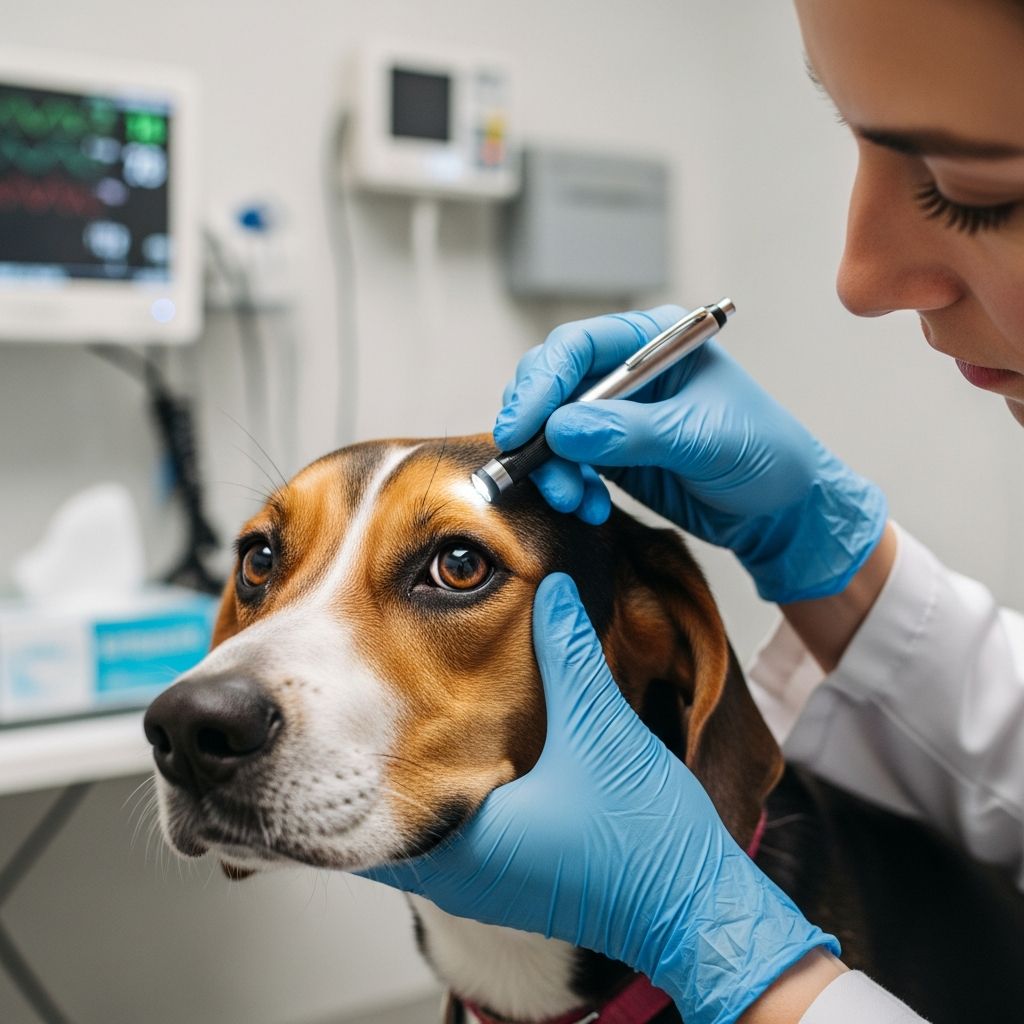
Dogs can indeed experience concussions from head trauma, much like humans, due to the brain jolting inside the skull during impacts. These injuries require prompt recognition and care to prevent complications like swelling or bleeding.
Understanding Brain Trauma in Dogs
A concussion occurs when a dog’s brain sustains a traumatic injury from sudden force, such as falls, car accidents, or collisions with objects or other animals. Unlike human skulls, a dog’s cranium offers some protection, but rapid movements can still cause the brain to shift violently, leading to temporary dysfunction. Veterinary experts note that even without visible external wounds, internal damage can disrupt normal neurological function.
Primary causes include high-impact activities like rough play, vehicular strikes, or falls from heights. Breeds with prominent foreheads or short noses may face higher risks due to skull structure variations, though any dog is susceptible. Early awareness of these mechanisms helps owners anticipate potential incidents.
Recognizing Early Warning Signs
Spotting symptoms quickly is crucial, as dogs often mask pain. Common indicators appear shortly after trauma and include:
- Lethargy or excessive tiredness: Dogs may seem unusually drowsy or hard to rouse, signaling brain distress.
- Balance and coordination problems: Stumbling, circling, or inability to stand straight points to vestibular disruption.
- Disorientation or confusion: Aimless wandering, bumping into walls, or altered responses to familiar stimuli.
- Eye abnormalities: Dilated pupils, unequal sizes, or abnormal movements.
- Vomiting or nausea: Especially post-trauma, this can lead to dehydration if untreated.
Severe signs demand immediate action: seizures, loss of consciousness, bleeding from nose/ears, paralysis, or shock symptoms like pale gums and rapid breathing. Monitor for 24-48 hours, as delayed swelling can worsen outcomes.
Immediate Steps for Suspected Injury
If trauma occurs, prioritize safety. Keep the dog calm and still to avoid further brain jostling. Apply gentle pressure to any bleeding wounds and use a cold compress for swelling, but avoid direct ice contact. Elevate the head slightly if shock signs appear, and check vitals: normal gums are pink, heart rate steady.
Do not offer food or water immediately due to vomiting risk. Transport to a vet in a stable position, using a crate or sling for support. Even subtle changes warrant professional evaluation, as dogs hide discomfort.
Veterinary Assessment Process
At the clinic, vets perform a full exam: checking heart, lungs, blood pressure, and hydration status. Neurological tests assess reflexes, pupil response, and coordination. Blood work evaluates organ function and shock. Imaging like CT scans or MRIs may confirm brain swelling or fractures if needed.
Temperature regulation is key, as hyperthermia exacerbates damage. Oxygen levels are monitored to ensure brain oxygenation. This baseline guides treatment intensity.
Treatment Options by Severity
Care varies with injury grade. Mild cases often resolve with rest, while severe ones need hospitalization.
| Severity Level | Common Treatments | Expected Duration |
|---|---|---|
| Mild | Rest, monitoring at home, anti-nausea meds | 7-14 days |
| Moderate | IV fluids, pain relief, anti-inflammatories | 3-7 days hospital |
| Severe | Oxygen therapy, diuretics, surgery if fractured | Weeks to months |
IV fluids restore hydration, countering vomiting-induced losses. Oxygen aids breathing in critical cases. Medications control seizures, reduce intracranial pressure, and manage pain without compromising respiration. Surgery addresses skull fractures or hematomas rarely.
Supporting Recovery at Home
Post-vet, create a quiet, confined space for healing. Limit activity for 2-4 weeks, using leashes for potty breaks. Feed small, bland meals to ease nausea, ensuring constant water access. Track symptoms daily: note appetite, mobility, and behavior.
Follow-up visits monitor progress. Most mild concussions heal fully, but repeated trauma risks chronic issues like epilepsy. Nutritional support with omega-3s may aid brain repair, per vet advice.
Preventing Future Head Injuries
Proactive steps reduce risks: supervise play, use harnesses in cars, avoid high jumps for puppies/seniors. Helmets for extreme sports like agility protect vulnerable breeds. Regular wellness checks catch predispositions early.
Educate family on safe environments: secure furniture, fence hazards. Training commands like ‘wait’ prevents impulsive dashes into traffic.
Long-Term Effects and Prognosis
With timely intervention, 80-90% of dogs recover without deficits. Persistent issues like behavioral changes or seizures may require lifelong meds. Monitor for secondary conditions like hydrocephalus from swelling.
Owners report full returns to activity in mild cases within weeks. Severe recoveries involve rehab, including balance exercises. Prognosis improves with quick care.
Frequently Asked Questions
How long do dog concussions last?
Mild ones resolve in 1-2 weeks with rest; severe may take months.
Can my dog sleep after a head injury?
Monitor closely but allow rest if stable; rouse periodically to check responsiveness.
Is vomiting always a concussion sign?
No, but post-trauma with other symptoms, seek vet care immediately.
What if no visible injury but odd behavior?
Internal trauma possible; professional eval essential.
Do puppies recover faster from concussions?
Brains are resilient, but growth phase needs extra caution.
Concussions in dogs are treatable with vigilance. Owners play a pivotal role in detection and prevention, ensuring pets thrive post-injury.
References
- Signs of a Concussion in Dogs — Everhart Veterinary Medicine. 2023. https://www.everhartvet.com/signs-of-a-concussion-in-dogs/
- Concussions in Dogs: Symptoms and Treatment — VEG ER for Pets. 2023. https://www.veg.com/post/symptoms-and-treatments-for-dog-concussions
- Can Dogs Get Concussions? — ElleVet Sciences. 2023. https://www.ellevetsciences.com/blog/can-dogs-get-concussions/
- Can Dogs Get Concussions? — PetMD. 2023. https://www.petmd.com/dog/emergency/accidents-injuries/can-dogs-get-concussions
- Brain Injury in Dogs — VCA Animal Hospitals. 2023. https://vcahospitals.com/know-your-pet/brain-injury-in-dogs
- Concussions in Dogs: Symptoms, Recovery, and What to Do Now — Innovet Pet. 2023. https://www.innovetpet.com/blogs/dogs/can-dogs-get-concussions
Similar Articles








Read full bio of Sneha Tete




