Canine Companionship: Health Benefits Beyond Friendship
Discover how dogs transform physical and mental wellness through science-backed therapeutic effects
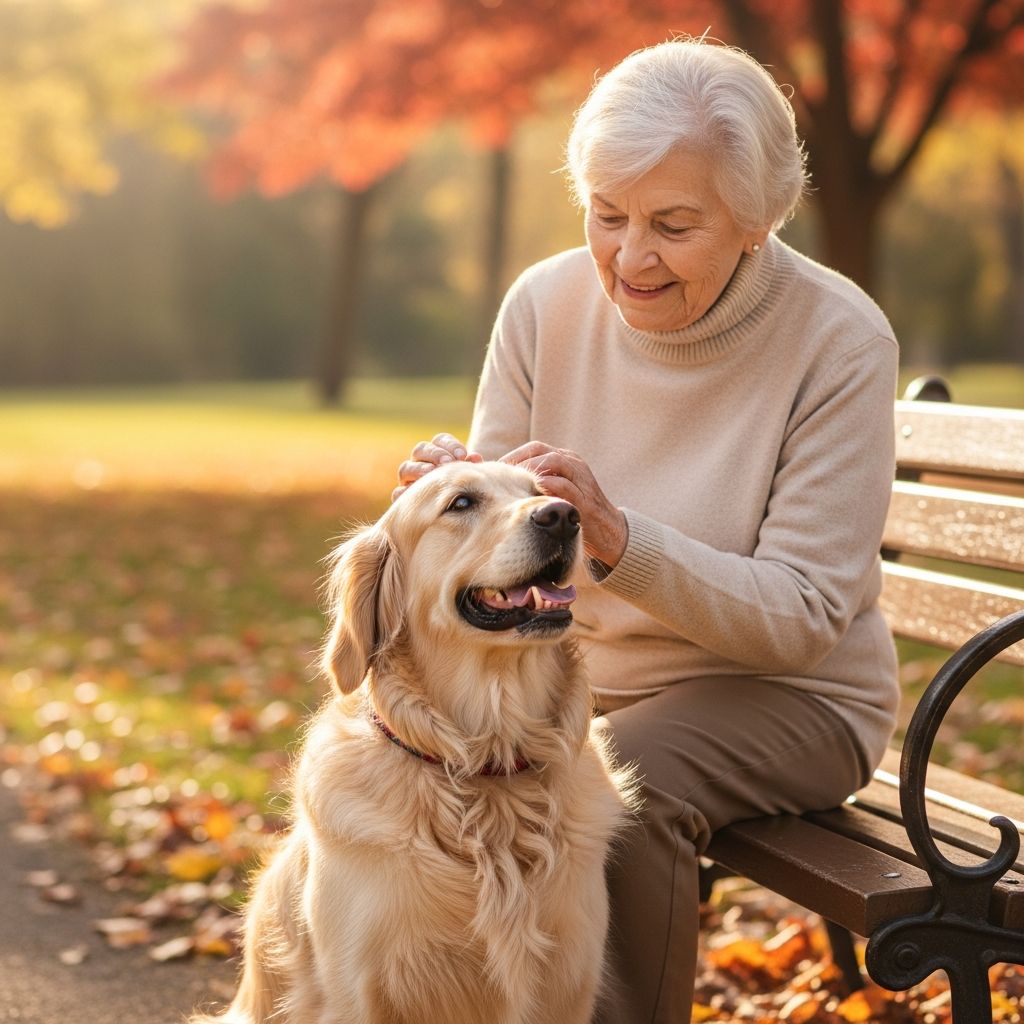
The human-canine relationship represents one of nature’s most profound partnerships. For millennia, dogs have served as working companions, protectors, and sources of comfort. Yet modern science is only beginning to quantify what dog owners have long intuited: the presence of a dog fundamentally transforms both physical and mental health markers in measurable, significant ways. This relationship transcends simple pet ownership, functioning instead as a biological bridge between two species that activates healing mechanisms within the human body and mind.
Understanding the Biological Mechanisms of Canine Healing
When you interact with your dog, a cascade of neurochemical changes occurs within your body. The simple act of petting a dog triggers the release of oxytocin, commonly referred to as the “love hormone,” in both human and canine brains. This same hormone facilitates bonding between mothers and infants, suggesting that the attachment we form with our dogs taps into fundamental biological systems designed for connection and trust.
Simultaneously, cortisol levels—the primary stress hormone—decline measurably during these interactions. The combined effect of increased oxytocin and decreased cortisol produces tangible physiological shifts: blood pressure normalizes, heart rate decelerates, and the nervous system transitions from a state of vigilance to one of calm. These aren’t merely subjective feelings of relaxation; they represent objective changes in cardiovascular function that accumulate over time, creating lasting health improvements.
Research examining the reward pathways in the brain has revealed that interaction with dogs activates similar neural circuits to those stimulated by human social bonding and experiences of love. This neurological equivalence explains why dog companionship feels so fundamentally satisfying at a deep, almost instinctual level.
Cardiovascular Protection Through Daily Dog Ownership
Perhaps the most striking health benefit emerges in cardiovascular outcomes. Regular interaction with dogs has been consistently associated with lower blood pressure and reduced heart rate variability. But the benefits extend far beyond these immediate measures. Dog owners engage in significantly more physical activity than non-dog owners, as the necessity of regular walks and outdoor play creates a sustainable exercise routine.
This increased physical activity stems not from conscious health decisions but from the practical demands and joys of dog companionship. A dog waiting by the door in the morning, eager for its walk, provides motivational force that often surpasses human willpower. The owner finds themselves outside in various weather conditions, moving consistently, and often walking further than they might have planned.
- Walking a dog typically involves 30-60 minutes of daily movement
- Regular outdoor activity improves circulation and strengthens the cardiovascular system
- The social interactions that occur during dog walks create additional mental health benefits
- Dog owners report better overall fitness levels compared to non-dog owners
The cumulative effect of this sustained physical activity, combined with the direct physiological calming effects of dog interaction, positions dog ownership as a powerful intervention for cardiovascular health. Individuals with pre-existing heart conditions, hypertension, or cardiovascular risk factors may find that dog companionship serves as a complementary health strategy alongside medical treatment.
Mental Resilience and Emotional Stability
Beyond cardiovascular improvements, dogs provide profound psychological benefits, particularly for individuals navigating anxiety, depression, or trauma. The unconditional nature of a dog’s affection creates a unique emotional environment where owners experience complete acceptance regardless of their circumstances, appearance, or past failures.
For many individuals, this non-judgmental companionship represents a transformative experience. Dogs don’t evaluate their owners based on career success, financial status, or social performance. Instead, they offer steady, consistent loyalty that communicates intrinsic worth. This constant reinforcement of being valued fundamentally alters the internal narrative that many people with depression or anxiety struggle against.
Research participants consistently describe their dogs as emotionally intuitive, capable of sensing when owners are experiencing distress and offering comfort without being prompted. Whether this represents genuine canine empathy or learned behavioral patterns remains partially unclear, but the result is identical: the owner receives comfort during vulnerable moments, and the experience of being understood—even by a non-human companion—provides measurable psychological relief.
Studies have documented that dog owners report significantly fewer symptoms of depression and anxiety compared to non-dog owners, with some research suggesting that the strength of the human-dog bond correlates directly with mental health improvements.
Social Connection and Combat Against Loneliness
Loneliness represents an increasingly serious public health concern, with epidemiological research linking social isolation to health outcomes comparable to smoking or obesity. Dogs function as powerful antidotes to this isolation by serving as social catalysts in community settings.
A person walking through a neighborhood with a dog encounters natural opportunities for human interaction that might not occur otherwise. Neighbors stop to pet the dog and ask its name. Other dog owners pause to discuss their pets. Park encounters with other dog walkers create repeated social contact in low-pressure environments. Over time, these interactions accumulate into genuine social networks built around the shared love of canine companionship.
Dog ownership creates structure and purpose that extends beyond the immediate relationship with the animal. The responsibility of caring for another being provides direction and meaning, particularly valuable for individuals experiencing purposelessness or existential drift. Your dog depends on you—for food, exercise, medical care, and emotional security—and this dependency paradoxically increases your sense of being needed and valued.
Therapeutic Applications in Clinical Settings
The documented benefits of casual dog ownership have sparked formal investigation into therapeutic applications. Therapy dogs, specifically trained and certified for clinical work, now operate in hospitals, mental health clinics, nursing homes, and crisis care centers.
In these settings, therapy dogs provide judgment-free interactions for patients navigating acute health crises or chronic conditions. A patient in a mental health crisis center benefits from Callie, a therapy dog, not through any medical intervention but through the simple calming presence of an animal trained for such work. Similarly, psychiatric service dogs—highly specialized animals trained to intervene during panic attacks or nightmares—have demonstrated measurable improvements in PTSD symptoms for veterans, including better sleep quality and stronger family reintegration.
These clinical applications aren’t supplementary nicities; they represent evidence-based interventions with documented efficacy comparable to some pharmaceutical and psychotherapeutic approaches.
The Preventive Health Advantage
While dogs cannot cure mental health conditions, substantial evidence demonstrates their capacity to prevent or significantly reduce symptom severity. This preventive function may be equally valuable as curative intervention, allowing individuals to maintain baseline mental health function and avoid acute episodes that require intensive treatment.
The owner who maintains consistent dog-walking routines stays physically active, avoiding the sedentary lifestyle that exacerbates depression. The person who comes home to an eager dog experiences daily social connection and purpose, buffering against the isolation that feeds anxiety. The individual who strokes their dog during a stressful day experiences measurable reduction in physiological stress markers.
These daily protective mechanisms, accumulated over months and years, create significantly different health trajectories than those of individuals without canine companions.
Individual Variation and the Importance of Personal Fit
While research demonstrates robust general benefits of dog ownership, individual experiences vary considerably. Some dog owners report that the responsibilities and potential burdens of ownership—managing unwanted behaviors, coping with aging or loss, meeting substantial care demands—create stress that partially offsets mental health benefits.
Successful dog ownership requires that the human-dog pairing align with the owner’s lifestyle, personality, and capacity for commitment. A person living in a small apartment with limited outdoor space may find that the constraints of dog care create more stress than the companionship relieves. Conversely, an individual with substantial outdoor space and a flexible schedule may find dog ownership profoundly therapeutic.
The quality of the human-dog relationship also mediates the health benefits. Dogs owned but not genuinely loved or engaged with provide limited psychological benefit. The transformative power of canine companionship appears to require authentic attachment, where the owner genuinely values and prioritizes the relationship.
Practical Considerations for Potential Dog Owners
For individuals seeking to harness the health benefits of dog companionship, several practical considerations warrant attention:
- Breed and temperament selection: Different breeds have varying exercise requirements, social needs, and behavioral characteristics. Matching your lifestyle to an appropriate breed increases the likelihood of a satisfying, sustainable relationship.
- Time and resource commitment: Dogs require daily exercise, regular veterinary care, training, and emotional attention. Underestimating these demands leads to inadequate care and diminished benefits for both owner and dog.
- Life circumstances: Consider your current living situation, work schedule, financial capacity, and anticipated life changes. Dogs thrive with consistency; major life disruptions create stress for both parties.
- Health considerations: Individuals with severe allergies or certain physical limitations may need to explore alternative pet options or therapy dog programs rather than full ownership.
- Adoption opportunities: Rescue dogs frequently bond intensely with adoptive owners, providing the same therapeutic benefits as puppies while addressing animal welfare concerns.
The Future of Human-Canine Health Research
As scientific investigation into the human-dog bond continues, emerging research suggests expanded applications for canine intervention in mental health treatment, recovery from substance use disorders, and resilience-building in vulnerable populations. The mechanisms underlying these benefits—neurochemical, behavioral, and social—are increasingly well-understood, moving dog-assisted therapy from anecdotal territory into evidence-based practice.
Future research may clarify optimal contexts for dog ownership as health intervention, identify specific populations most likely to benefit, and develop guidelines for integrating canine companionship into comprehensive treatment plans for various conditions.
Frequently Asked Questions
Do all dog breeds provide equal health benefits?
While all dogs can provide therapeutic benefits, individual dogs vary in temperament and suitability for specific owner needs. Calmer, more socially attuned breeds may offer superior stress-reduction benefits, while high-energy breeds require substantial exercise commitment that can increase owner stress if lifestyle doesn’t align.
Can therapy dogs provide the same benefits as owning a dog?
Therapy dogs provide documented mental health benefits in structured clinical settings, but they don’t create the 24/7 companionship and responsibility dynamic of ownership. Both models have distinct advantages depending on individual circumstances and needs.
How quickly do health benefits from dog ownership appear?
Immediate physiological changes in cortisol and oxytocin occur during single interactions with dogs. More substantial mental health improvements typically develop over weeks and months as consistent routines and deeper bonding occur.
Are there people for whom dog ownership might increase stress?
Yes. Individuals with severe anxiety around responsibility, limited resources for pet care, or lifestyle incompatibility with dog needs may find ownership stressful. Such individuals might benefit from therapy dog interactions in clinical settings rather than full ownership.
Conclusion: The Heart and Soul Connection
The phrase “dogs are good for the heart and soul” captures an essential truth revealed by contemporary scientific investigation. The cardiovascular benefits, mental health improvements, and social enrichment provided by canine companionship represent tangible health interventions with mechanisms increasingly well-understood by neuroscience and medicine.
Yet perhaps equally important is what science cannot fully quantify: the ineffable comfort of being known and loved unconditionally, the daily reminder that your existence matters to another being, and the profound simplicity of a dog’s devotion in an increasingly complex world. These elements, scientifically validated and personally profound, make dogs far more than pets. They are, in many ways, partners in our pursuit of health, happiness, and meaning.
References
- A Helping Paw: The Unexpected Power of Dogs in Mental Health and Recovery — Mobilize Recovery. 2024. https://www.mobilizerecovery.org/a_helping_paw_the_unexpected_power_of_dogs_in_mental_health_and_recovery
- How Therapy Dogs Support Mental Health and Healing — University of Utah Health. 2025. https://healthcare.utah.edu/healthfeed/2025/08/how-therapy-dogs-support-mental-health-and-healing
- Pet’s influence on humans’ daily physical activity and mental health — National Center for Biotechnology Information (NCBI). 2023. https://pmc.ncbi.nlm.nih.gov/articles/PMC10262044/
- Dogs and the Good Life: A Cross-Sectional Study of the Association Between Dog Ownership and Mental Wellbeing — Frontiers in Psychology. 2022. https://www.frontiersin.org/journals/psychology/articles/10.3389/fpsyg.2022.903647/full
- Loving your pup may be a many splendored thing — Harvard Gazette. 2024. https://news.harvard.edu/gazette/story/2024/08/loving-your-pup-may-be-a-many-splendored-thing/
- How Pets Impact Our Mental Health — Human Animal Bond Research Institute (HABRI). https://habri.org/blog/how-pets-impact-our-mental-health/
- Health benefits of pets: How your furry friend improves your mental and physical health — UC Davis Health. 2024. https://health.ucdavis.edu/blog/cultivating-health/health-benefits-of-pets-how-your-furry-friend-improves-your-mental-and-physical-health/2024/04
Similar Articles








Read full bio of medha deb