

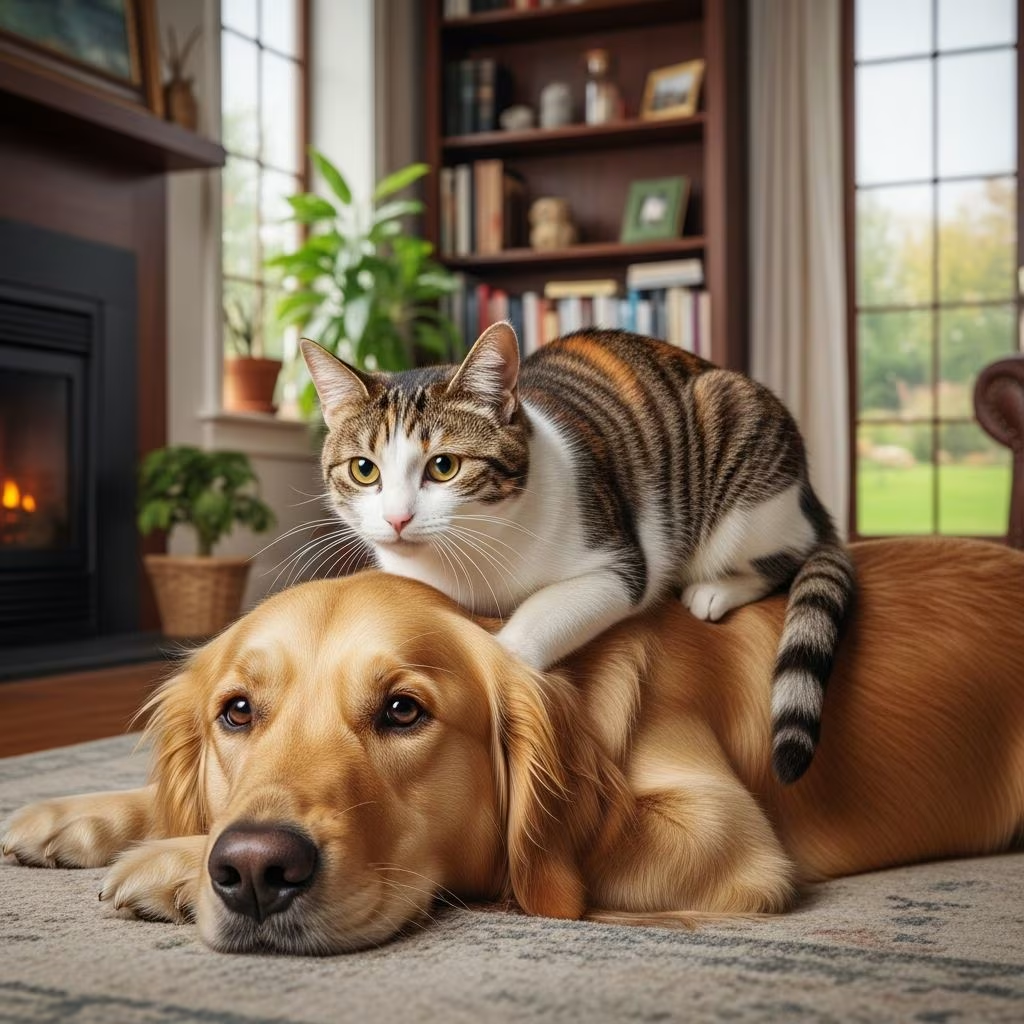
Building a harmonious household that includes both dogs and cats requires thoughtful consideration of breed characteristics and personality traits. Not all dogs naturally mesh well with feline companions, but certain breeds have demonstrated a remarkable ability to coexist peacefully and even develop strong bonds with cats. Understanding which breeds possess the temperamental qualities that support cat-friendly living can make the difference between a peaceful home and one fraught with tension.
Understanding the Foundation of Compatibility
The most successful dog-cat pairings typically involve breeds that possess lower prey drive, minimal herding instincts, and naturally gentle dispositions. These fundamental characteristics allow dogs to view cats as family members rather than potential targets or subjects for chase play. Additionally, breeds known for their social adaptability and eagerness to please tend to respond better to training that emphasizes respect for feline boundaries and personal space.
It’s a common misconception that only large dog breeds can successfully live with cats. In reality, small breeds often excel in multi-pet environments, particularly those with calm, affectionate temperaments. The size of a dog matters far less than its inherent personality and behavioral inclinations.
Retrievers: The Gold Standard of Cat Compatibility
Golden Retrievers consistently rank among the most cat-friendly dog breeds available. These dogs possess an inherent kindness and empathy that extends to all living creatures in their household. Their easygoing nature means they rarely view cats as competitors or prey. Golden Retrievers typically form strong emotional bonds with feline companions, adapting seamlessly to their cats’ routines and behaviors. Their playfulness remains gentle, and they demonstrate the patience needed for cohabitation with animals that operate on different schedules and communication styles.
Labrador Retrievers share many of the same admirable qualities as their Golden cousins. These enthusiastic dogs possess abundant love to distribute among all family members, regardless of species. Labs are known for their outgoing nature and intelligence, which translates into an ability to understand and respect cat boundaries. Their adaptability means they can modify their typically exuberant behavior to accommodate a more reserved feline housemate. Early socialization enhances their compatibility, though their natural friendliness often creates quick acceptance of cats into the family pack.
Small Breed Excellence in Feline Cohabitation
Cavalier King Charles Spaniels represent a small breed option that excels with cats. Despite their modest size, these dogs possess confident, fearless personalities that prevent them from being intimidated by cats. Their gentle nature and adaptable temperament make them ideal for indoor living with feline companions. Cavaliers thrive on companionship and typically welcome cats as valued household members, forming lasting bonds with their feline siblings.
Maltese dogs embody gentleness and affection in a compact package. Their calm demeanor and focus on companionship rather than play make them excellent cat companions. These small dogs rarely exhibit the boisterous energy that might disturb a cat, instead preferring to lounge and enjoy quiet cohabitation.
Pomeranians and Pekingese represent additional small breed options with documented cat compatibility. Both breeds tend toward more reserved, dignified temperaments that can actually benefit from feline companionship. Their smaller size prevents them from physically overwhelming cats, and their moderate energy levels support peaceful household dynamics.
Intelligent and Adaptable Companion Breeds
Poodles in any size demonstrate exceptional compatibility with cats, primarily due to their extraordinary intelligence and adaptability. These dogs quickly learn appropriate behavior boundaries and genuinely seem to enjoy solving the social puzzle of cohabitation. Poodles’ eagerness to please their humans translates into willingness to modify their behavior for feline housemates. Their playful nature remains gentle, and their social personalities create opportunities for genuine companionship with cats.
Papillons are small, intelligent dogs with strong social inclinations. Despite their small size, these dogs possess confident personalities and genuine interest in other animals. Their playful disposition and relatively low intimidation factor make them particularly suitable for shy or anxious cats. Early introductions with Papillons typically result in quick bonding.
Beagles bring a unique advantage to cat cohabitation through their pack-hunting heritage. Because they were originally bred to hunt in organized packs, Beagles naturally view cats as fellow pack members rather than prey. Their sociable, happy-go-lucky nature makes them pleasure to live with, though they do require proper training to manage their hunting instincts. One important caveat: keeping multiple Beagles in a household with cats can be problematic, as they may develop pack mentality and coordinate behavior that overwhelms feline companions.
Larger Breeds With Gentle Hearts
Boxers bring playful, energetic personalities to multi-pet households. While their high energy requires careful management, proper training and abundant exercise create conditions for successful cat cohabitation. Boxers that receive adequate physical activity develop calmer demeanor in home environments, allowing for more peaceful interactions with feline housemates.
Newfoundlands represent gentle giants that often excel with cats. Despite their substantial size and strength, these dogs typically possess exceptionally kind temperaments and minimal prey drive. Their patient nature and genuine affection for household members extend naturally to feline companions.
Collies from the herding group demonstrate cat compatibility that may surprise those unfamiliar with the breed. While herding instincts might suggest incompatibility, many Collies display tolerance and even affection toward cats. Their athletic nature means they thrive with exercise and activity, which can actually reduce problematic interactions with cats when properly managed.
Shih Tzus combine small size with affectionate, outgoing temperament. These dogs genuinely enjoy companionship and lounging, making them ideal for homes where both dogs and cats spend substantial time together. Their gentle nature and focus on human connection rarely translate into antagonism toward feline housemates.
Working and Sporting Group Considerations
Certain breeds from the sporting and working groups demonstrate cat compatibility that challenges stereotypes about these classifications. Irish Setters, Cocker Spaniels, and Bernese Mountain Dogs represent examples of larger working or sporting dogs that can coexist peacefully with cats. These breeds often possess friendly dispositions toward humans and animals alike, allowing for successful multi-pet households when proper introduction protocols are followed.
Strategic Introduction Protocols
Even breeds with excellent cat compatibility require thoughtful introduction strategies to establish harmonious relationships. The timeline and approach differ significantly depending on whether you’re introducing young animals or pairing a puppy with an adult cat.
Puppies and Kittens Together: Introducing young animals simultaneously facilitates the most natural adaptation. Puppies and kittens possess natural curiosity and playfulness that helps them adjust to new companions with minimal conflict. Growing up together allows them to develop comfortable, secure relationships as they mature. This pairing typically results in the strongest bonds and most harmonious long-term cohabitation.
Puppy Meets Adult Cat: This scenario requires greater patience and management. Puppies often exhibit exuberant energy and playfulness that can overwhelm mature cats accustomed to quieter households. Supervised interactions remain essential, with careful attention to ensuring puppies respect appropriate boundaries. Gradual introductions over extended timeframes help foster positive relationships, with the cat maintaining control over the interaction pace.
Adult Dog Meets Cat: Introducing established adult dogs to existing cats demands a methodical approach. Early training to prevent chasing behavior proves critical to long-term success. Supervised interactions with clear boundary management establish patterns of mutual respect that mature animals typically maintain throughout their lives together.
Personality Factors Beyond Breed
While breed characteristics provide valuable guidance, individual personality within breeds varies considerably. Some dogs bred for cat compatibility may possess unusually strong prey drive, while others demonstrate temperaments that exceed breed standards. Observing specific dogs prior to adoption, requesting behavioral assessments from shelters or breed rescues, and discussing individual animals’ known temperaments with current caretakers provides practical insight beyond breed generalizations.
Similarly, cat breeds and individual personalities influence compatibility outcomes. Some cat breeds, including American Shorthairs, Maine Coons, Japanese Bobtails, and Abyssinians, demonstrate natural tolerance for canine companions. These breeds tend toward social, confident personalities that handle dog companionship better than typically reserved felines.
Training and Socialization as Critical Variables
Even naturally cat-friendly breeds benefit enormously from proper training and early socialization. Teaching puppies and young dogs to respect cat boundaries, avoid chasing, and respond to commands creates foundations for peaceful cohabitation. Training addresses the reality that many dog breeds retain some prey drive or herding instincts, channeling these impulses away from feline housemates.
Positive reinforcement techniques that reward calm behavior around cats prove far more effective than punishment-based approaches. Dogs that learn they receive attention and rewards for ignoring or gently interacting with cats quickly develop appropriate behavioral patterns.
Energy Management and Exercise Considerations
Active breeds that receive insufficient exercise often develop problematic behaviors toward other household animals. Boxers, Beagles, and herding breeds require substantial daily activity to maintain calm household demeanor. When these dogs receive adequate physical and mental stimulation, their interactions with cats typically become far more peaceful and controlled. Conversely, under-exercised dogs from these active breeds may direct excessive energy toward feline housemates, creating stress and conflict.
Creating Successful Multi-Pet Environments
Beyond selecting compatible breeds, establishing physical spaces where cats can retreat without dog interference proves essential. Elevated cat furniture, separate rooms with cat-only access, and dedicated feeding areas prevent resource competition and provide stress relief for feline household members. Dogs that understand they cannot access all household spaces demonstrate improved respect for cat boundaries.
Gradual environmental introductions before direct animal meetings often produce superior long-term results. Allowing animals to become familiar with each other’s scents, sounds, and indirect presence builds comfort before face-to-face introductions occur.
Frequently Asked Questions
Can any dog breed successfully live with cats?
While some breeds exhibit inherently stronger cat compatibility, individual personality and training matter significantly. Even breeds known for prey drive can learn to coexist peacefully with proper socialization and training. Conversely, individual dogs from typically cat-friendly breeds occasionally display incompatibility.
What age should I introduce a dog to a cat?
Younger dogs and puppies typically adapt more easily to cats than established adult dogs. However, any dog can be introduced successfully with patience, proper management, and gradual approach. The specific age matters less than the individual dog’s temperament and training capacity.
How long does it take for dogs and cats to bond?
Timeline varies widely depending on age, temperament, and individual personalities. Some animals form bonds within weeks, while others require months of cohabitation. Consistent positive interactions and patient management gradually build comfort and affection between different species.
Are small dogs better with cats than large dogs?
Size alone doesn’t determine compatibility. Temperament, prey drive, and personality prove far more influential. Many large breeds exhibit exceptional cat compatibility, while some small breeds may display problematic behaviors. Breed characteristics and individual personality matter more than size classification.
Making Your Final Selection
Choosing a dog breed for a household that includes cats requires balancing multiple factors: breed characteristics, individual dog personality, your lifestyle and exercise capacity, and your cat’s temperament and needs. The breeds highlighted throughout this guide represent documented excellent choices, but success ultimately depends on thoughtful introduction strategies, consistent training, and commitment to managing the relationship thoughtfully throughout the animals’ lives.
References
- 10 Dog Breeds That Get Along with Cats — ManyPets. 2024. https://manypets.com/us/blog/dog-breeds-that-get-along-with-cats/
- 10 Dog Breeds That Get Along Well With Cats — Nylabone. 2024. https://www.nylabone.com/dog101/10-dog-breeds-that-get-along-well-with-cats
- Dogs That Are Good With Cats — American Kennel Club. 2024. https://www.akc.org/expert-advice/lifestyle/dogs-that-are-good-with-cats/



