

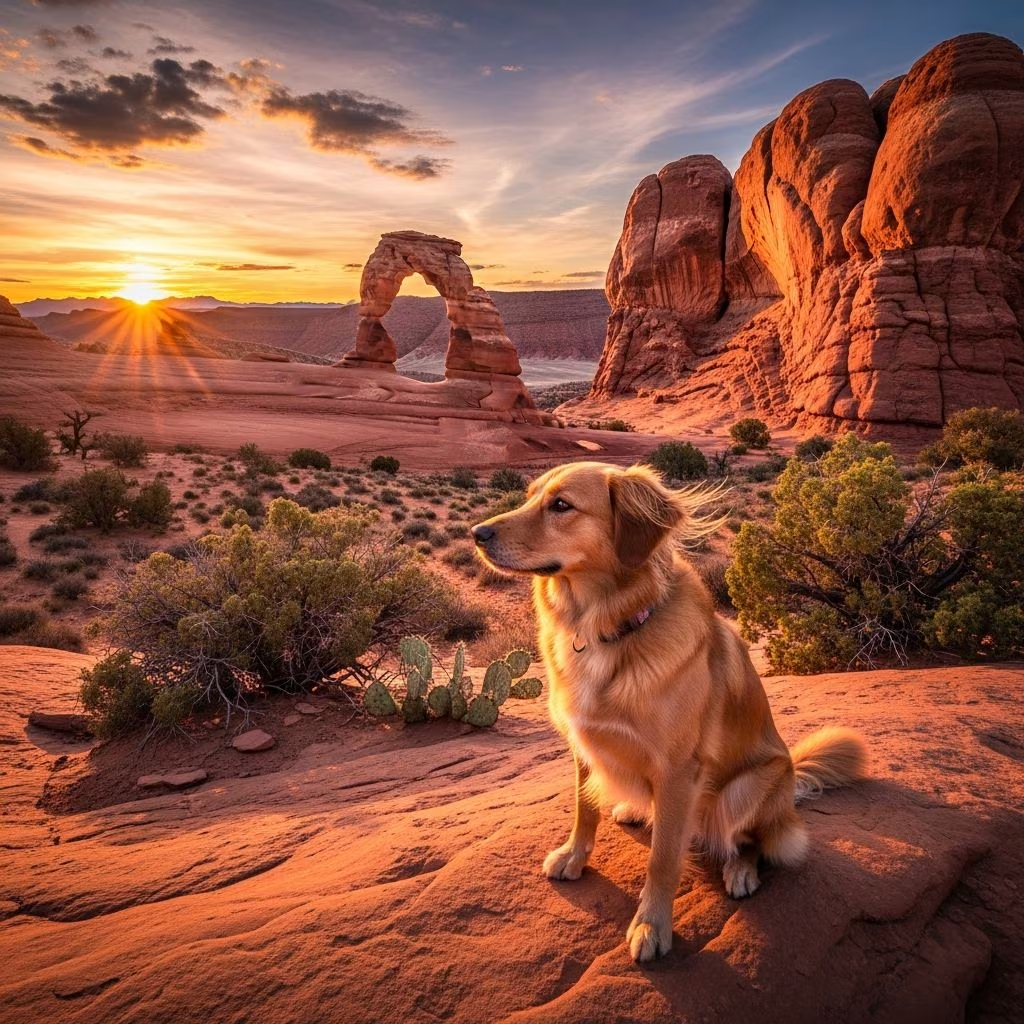
Arches National Park, famous for its towering sandstone formations and natural stone bridges, draws millions of visitors yearly. For pet owners, understanding the specific guidelines for bringing dogs is crucial to ensure a safe and enjoyable trip. While regular pets face limitations, service animals enjoy broader access, balancing visitor enjoyment with environmental preservation.
Official Pet Access Zones
Dogs are permitted in designated zones within the park to minimize ecological impact. These areas allow leashed pets to join their owners without venturing into sensitive habitats.
- Devils Garden Campground: This is the primary spot for overnight stays with pets. Leashed dogs can roam the campground grounds, which offer ample space and water access. Owners must supervise pets at all times to prevent disturbances.
- Paved Roads and Parking Lots: Walk your dog along established roadsides and in parking areas. This provides scenic views from the car or short leashed strolls, but avoid leaving pets in vehicles due to extreme desert heat.
- Picnic Spots: Designated picnic areas, such as those near the visitor center, Balanced Rock, and Panorama Point, welcome leashed dogs. These spots are ideal for breaks during drives.
These zones cover the bulk of pet-friendly activities, emphasizing controlled environments.
Restricted Areas for Pets
To safeguard the park’s fragile ecosystem, certain locations remain off-limits to non-service dogs. Violations can lead to fines starting at $75 or more, enforced by rangers patrolling key sites.
- Hiking Trails and Backcountry: No pets on any trails, including short or off-trail paths. Even carriers are prohibited to avoid wildlife disruption.
- Overlooks: Paved viewpoints like Delicate Arch, Park Avenue, and Fiery Furnace exclude dogs, despite their accessibility.
- Public Buildings: Visitor centers, gift shops, and similar facilities bar pets to maintain clean, quiet spaces.
These restrictions apply universally across most U.S. national parks, prioritizing native species protection.
Core Reasons Behind Pet Limitations
Arches enforces strict rules based on ecological and safety concerns, rooted in federal park service mandates.
Protecting Native Wildlife
Dogs, as non-native predators, can scare desert animals like lizards, birds, and mammals, altering their feeding and breeding patterns. Scent, barking, or chases transmit stress, diseases, or exhaustion in this arid environment where energy conservation is vital.
Ensuring Pet Well-Being
The park’s terrain poses dangers: sheer cliffs, razor-sharp rocks, venomous scorpions, and rattlesnakes threaten paws and health. High temperatures exacerbate dehydration risks, and predators like coyotes or mountain lions view small dogs as prey.
Preserving Trail Integrity
Pet waste and trampling damage cryptobiotic soil crusts, essential for preventing erosion in this delicate desert. Human foot traffic alone strains resources; adding dogs accelerates degradation.
Leash and Behavior Requirements
All allowed dogs must adhere to uniform standards:
| Rule | Details |
|---|---|
| Leash Length | Maximum 6 feet (1.8 meters); required at all times outside vehicles. |
| Noise Control | No excessive barking that disturbs visitors or wildlife. |
| Waste Management | Immediate cleanup; dispose in trash receptacles only. |
| Unattended Pets | Prohibited except in personal vehicles or paid campsites; never in unsafe heat. |
| Other | No biking or driving with leashed pets; full owner control mandatory. |
These promote harmony among visitors, pets, and nature.
Special Provisions for Service Animals
Under the Americans with Disabilities Act (ADA), trained service dogs accompany handlers everywhere in the park, including trails and buildings. They must perform disability-related tasks, remain under control (leash or voice/signal), and follow hygiene rules. Emotional support or therapy animals do not qualify and face standard pet restrictions.
- Carry vaccination proof, as Utah mandates current rabies shots.
- Park staff cannot question legitimacy but may ask about tasks performed.
Planning Your Dog-Friendly Itinerary
Maximize enjoyment with strategic planning amid constraints.
Camping Options
Devils Garden offers 50+ sites with water, but book months ahead, especially spring-fall. Leashed walks here substitute for trails; bring booties for hot sands and ample hydration.
Scenic Drives with Pets
The 36-mile paved loop showcases arches from pullouts. Park frequently for leashed potty breaks, but skip overlooks. Early mornings or evenings beat peak heat.
Picnic Strategies
Pack shaded setups for Balanced Rock or Delicate Arch viewpoints. Combine with short campground loops for full-day outings.
Nearby Dog-Welcoming Adventures
Since park trails exclude pets, explore Moab-area gems just outside boundaries.
- Corona Arch Trail: 1.5-mile moderate hike on BLM land; dogs thrive on sandy paths amid stunning arches.
- Negro Bill Canyon (Grandstaff Canyon): 4-mile roundtrip to a waterfall; leashed pets enjoy river dips.
- Mill Canyon Road: Easy 4WD drive with dinosaur tracks; pull over for off-leash potential in remote spots (check signs).
- Colorado River Pathways: Paddling or shoreline walks; calmer sections suit all dogs.
These maintain adventure without park violations.
Practical Packing Essentials
Desert extremes demand preparation:
- Collapsible bowls and extra water (stations limited to campground/visitor center).
- Booties or paw balm for scorching ground.
- Tick/flea preventives; snake aversion training if possible.
- Portable shade, cooling mats, and high-value treats for calm behavior.
- First-aid kit with tweezers for cactus spines.
Potential Penalties and Enforcement
Rangers issue citations for leash breaches, trail access, or nuisances. Fines escalate with damage; repeat offenses risk bans. Respect sustains privileges.
Frequently Asked Questions
Can I leave my dog in the car while hiking?
No, vehicles heat rapidly even in mild weather, risking heatstroke. Use campground supervision instead.
Are puppies or small breeds exempt from rules?
No, all non-service dogs follow identical restrictions regardless of size or age.
What about biking with my dog in allowed areas?
Prohibited; dogs must walk leashed, not trail behind bikes or cars.
Do emotional support animals get trail access?
No, only ADA-trained service animals qualify; doctor’s notes insufficient.
Is winter more pet-friendly?
Rules unchanged year-round, but cooler temps ease safety concerns.
Broader Context in Utah’s National Parks
Arches aligns with “Mighty 5” parks’ pet limits, emphasizing leashes on roads/campgrounds only. Nearby Zion, Canyonlands offer similar setups, pushing pet owners to state/BLM lands for hikes.
By honoring guidelines, pet owners contribute to lasting preservation, allowing future generations to share these wonders.
References
- Pets – Arches National Park (U.S. National Park Service) — National Park Service. 2023-10-01. https://www.nps.gov/arch/planyourvisit/pets.htm
- Are Dogs Allowed In Arches National Park? Pet-Friendly Hikes — Everywhere with Claire. 2024-05-15. https://everywherewithclaire.com/dogs-in-arches-national-park/
- Dogs in Arches National Park: Pet Rules Explained — Dirt In My Shoes. 2024-03-20. https://www.dirtinmyshoes.com/is-arches-national-park-dog-friendly/
- Are Dogs Allowed in Arches National Park? 2026 Update — Dogster. 2026-01-01. https://www.dogster.com/lifestyle/are-dogs-allowed-in-arches-national-park
- Dog-Friendly Hike Near Arches National Park: Corona Arch — Bonjour Becky. 2023-11-10. https://www.bonjourbecky.com/dog-friendly-hike-near-arches-national-park-corona-arch/
- Traveling with Dogs: The Mighty 5 National Parks — Visit Utah. 2024-07-12. https://www.visitutah.com/articles/traveling-with-dogs-the-mighty-5



