

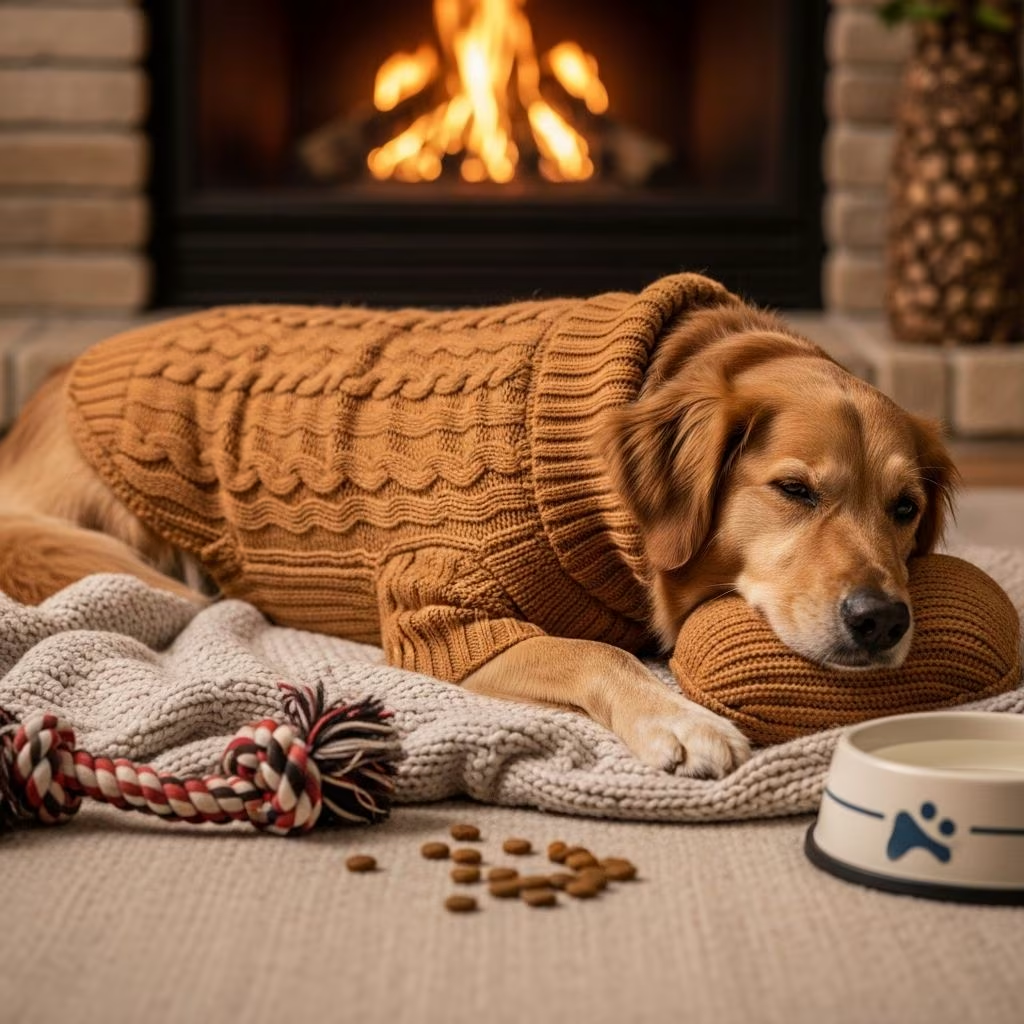
The debate surrounding whether dogs enjoy wearing clothes has captivated pet owners for years, with perspectives ranging from practical necessity to unnecessary fashion statements. Understanding your dog’s true comfort level with clothing requires examining both the legitimate reasons pets wear garments and recognizing the physical and emotional signals that indicate acceptance or distress.
Functional Reasons Dogs Wear Clothing
While many perceive dog clothing as purely aesthetic, several legitimate reasons exist for placing garments on canine companions. Distinguishing between functional clothing and fashion-driven choices is essential for responsible pet ownership.
Temperature Regulation and Weather Protection
Certain dog populations struggle with natural temperature regulation. Short-haired breeds, small dogs, and senior canines often lack sufficient natural insulation for extreme weather conditions. Winter months can pose genuine health risks for these animals, making appropriately fitted jackets beneficial rather than frivolous. Conversely, summer heat protection serves equally important purposes. When owners shave their dogs’ coats during warm months for aesthetic or comfort reasons, protective clothing becomes necessary to prevent UV damage and environmental harm.
Double-coated breeds present a different scenario. Their undercoats provide superior insulation, yet inappropriately fitted clothing can compress these natural layers, reducing their effectiveness. Understanding your specific breed’s thermal needs distinguishes genuine protection from unnecessary overdressing.
Medical and Therapeutic Applications
Beyond fashion, dog clothing serves critical medical purposes. Post-surgical recovery frequently requires protective garments that prevent incision licking and contamination. Dogs experiencing skin conditions benefit from clothing that discourages scratching and self-trauma while allowing affected areas to heal. Additionally, arthritis-affected dogs may experience relief through gentle warmth provided by well-fitted coats.
Thunder shirts and anxiety wraps represent another therapeutic application. Some dogs respond positively to gentle pressure, experiencing reduced anxiety during stressful situations like thunderstorms or fireworks. These specialized garments function similarly to weighted blankets designed for humans.
Environmental and Hygiene Benefits
Practical dog owners recognize that clothing reduces shedding in living spaces and vehicles, addressing genuine household management concerns. Protective garments also shield dogs from sun damage, insect bites, and environmental allergens—particularly valuable for dogs with sensitive skin or those spending extended time outdoors. Beyond protection, clothing maintains cleanliness during outdoor activities, reducing the need for frequent baths that can strip natural oils from canine skin.
Physical Discomfort Indicators in Clothed Dogs
Dogs communicate discomfort through unmistakable behavioral cues. Learning to recognize these signals ensures you prioritize your pet’s wellbeing over aesthetic preferences.
Movement and Posture Changes
When dogs first experience wearing clothing, they may exhibit a characteristic freezing response—standing completely still with apparent uncertainty about how to move. While some dogs quickly adjust, others display persistent difficulty with basic movements like walking, running, or playing. Restrictive garments impede natural movement patterns essential for exercise, socialization, and play. If your dog struggles to walk naturally, cannot access food and water bowls, or experiences difficulty lying down while clothed, the garment is too tight or inappropriate for your pet.
Behavioral Stress Signals
Stress manifests through various behavioral indicators beyond simple movement restriction. Dogs experiencing clothing-related anxiety may display excessive panting, whining, or attempts to remove the garment. Some animals become uncharacteristically irritable or withdrawn when clothed. Unlike humans who can verbally express discomfort, dogs must communicate through behavior. A previously calm dog that becomes agitated when clothed is clearly expressing displeasure.
Skin and Coat Health Issues
Improper clothing selection creates tangible physical problems. Synthetic materials can trigger itching and irritation, making dogs uncomfortable and promoting excessive scratching. Tight-fitting garments cause chafing and skin abrasions, particularly in areas experiencing friction. Extended wear of inappropriate materials may lead to coat damage including matting, breakage, or altered coat patterns. Moisture trapped by non-breathable fabrics creates environments conducive to fungal and bacterial skin infections.
Risks of Inappropriate Dog Clothing
While legitimate reasons for dog clothing exist, numerous risks emerge from improper selection or usage.
Thermoregulation Complications
Dogs regulate body temperature differently than humans, relying primarily on panting and minimal sweating through paw pads. Placing clothing on a dog during warm or hot weather traps body heat, potentially causing dangerous overheating. This risk intensifies for brachycephalic (flat-faced) breeds like Bulldogs and Pugs, which already struggle with impaired breathing and natural cooling mechanisms. Even mild temperature days can pose risks for these breeds when clothed inappropriately.
Psychological and Emotional Effects
Some dogs develop genuine anxiety associated with clothing. The sensation of constraint and restriction can create stress responses that persist even after garment removal. Dogs accustomed to unrestricted movement may find clothing deeply uncomfortable and confusing. Unlike humans who understand clothing’s protective purpose, dogs interpret the sensation as an unpleasant constraint with no comprehensible benefit.
Safety Hazards
Poorly designed dog clothing introduces genuine safety concerns. Loose buttons, decorative tassels, and dangling strings pose choking hazards. Long, draped outfits risk catching on environmental obstacles, potentially causing injury or strangulation. Overly tight garments restrict breathing and circulation. Even well-intentioned clothing choices can create dangerous situations if not carefully selected.
Assessing Your Individual Dog’s Comfort Level
Rather than applying blanket rules, responsible pet owners must evaluate their specific dog’s needs and preferences through careful observation.
Observation and Behavioral Assessment
Watch how your dog responds when first introduced to clothing. Relaxed body language, normal gait, and continued interest in play or food suggest acceptance. Conversely, frozen posture, reluctance to move, whining, or attempts to remove the garment indicate genuine discomfort. Not all dogs wearing clothes enjoy the experience, so prioritizing your dog’s comfort and well-being remains paramount.
Breed and Individual Considerations
Your dog’s specific characteristics significantly influence clothing appropriateness. Age, breed, coat type, and pre-existing medical conditions all factor into whether clothing truly benefits your individual pet. Senior dogs with arthritis may benefit from warmth, while healthy young dogs with thick coats likely need no supplemental insulation. Small, short-haired breeds struggle with temperature regulation more than large, long-haired breeds.
Environmental Context
Seasonal and weather considerations determine genuine clothing necessity. Slightly cold or mildly rainy weather poses minimal risk to most healthy dogs with natural coats—a quick towel dry upon returning home suffices. Extreme cold, prolonged exposure, or specific medical conditions create legitimate clothing needs. When in doubt, err on the side of allowing dogs their natural protection unless clear functional reasons exist.
Selecting Appropriate Dog Clothing When Necessary
When you determine that your dog would genuinely benefit from clothing, selecting appropriate garments requires careful attention to fit, material, and design.
Fabric Selection Prioritizes Function
Natural, breathable materials significantly improve comfort compared to synthetic alternatives. Cotton blends, fleece, and wax cotton allow proper air circulation while maintaining warmth. Breathable fabrics enable your dog’s coat to breathe naturally, reducing moisture accumulation and skin problems. Avoid materials that trap heat excessively or trigger allergic reactions in sensitive dogs.
Fit and Sizing Considerations
Proper fit represents perhaps the most critical factor in determining whether clothing benefits or harms your dog. Garments must allow free movement without restriction while providing genuine insulation or protection. Overly tight clothing impedes movement and causes skin irritation, while loose garments slide around uncomfortably. Measurement-based sizing prevents guesswork that often results in inappropriate fit.
Design Simplicity Enhances Safety
Plain, simple dog jackets prioritize function over fashion. Elaborate designs with excessive embellishments, buttons, or strings introduce choking hazards and discomfort. Protective clothing should disappear into the background, providing benefits without drawing attention to itself through impractical design choices.
Alternative Solutions for Dog Owners Who Prefer Natural Coats
If your dog resists clothing or you prefer maintaining natural appearance, alternative accessories and behavioral strategies exist. Dog collars, leashes, bandanas, and capes offer personalization without full-body garment coverage. Gradual positive reinforcement training can help dogs acclimate to necessary clothing over time, building positive associations rather than forcing compliance. During extreme weather, indoor activities and modified outdoor time represent viable alternatives to forced clothing acceptance.
Understanding the Owner’s Role in Decision-Making
Ultimately, you know your dog’s temperament and personality better than anyone else, making you the best person to determine what genuinely serves your pet’s interests. This responsibility requires honest assessment rather than romanticizing the notion that “dogs should wear their natural coat.” When legitimate functional needs exist, appropriate clothing addresses genuine concerns. Conversely, when dogs clearly demonstrate discomfort, respecting their preferences over aesthetic desires prioritizes animal welfare.
Frequently Asked Questions About Dog Clothing
Do all dogs dislike wearing clothes?
No. Individual variation means some dogs genuinely seem unbothered by clothing, while others develop strong aversions. Breed, age, prior exposure, and individual temperament all influence acceptance levels.
At what temperature should I consider clothing my dog?
This depends entirely on your dog’s coat type and breed. Most healthy dogs with natural coats manage mild cold and rain without supplemental clothing. Extreme cold, extended outdoor exposure, or specific health conditions warrant consideration.
Can clothing harm my dog’s natural coat?
Poorly fitting or inappropriate clothing can damage coats through matting, breakage, and compromised insulation properties, particularly in double-coated breeds. Proper fit and breathable materials minimize these risks.
How do I transition my dog to wearing clothes?
Gradual positive reinforcement training works better than forcing compliance. Short introductions, reward-based associations, and patience help dogs adjust when clothing genuinely benefits them.
Are there dogs that absolutely need clothing?
Short-haired small breeds, senior dogs with health conditions, post-surgical recovery patients, and dogs with skin conditions represent populations that may genuinely benefit from appropriate clothing.
References
- Should Dogs Wear Clothes – The Pros and Cons — Ohpopdog. https://ohpopdog.com/blogs/news/should-dogs-wear-clothes-the-pros-and-cons
- Should Dogs Wear Clothes? An Unending Debate — Both Tails. https://bothtails.com/blogs/lifestyle/should-dogs-wear-clothes
- Do dogs need clothes? The benefits and risks, explained — ManyPets. https://manypets.com/uk/articles/do-dogs-need-clothes/
- Do Pets Like Wearing Clothes — Petmate. https://www.petmate.com/blogs/petmate-academy/do-pets-like-wearing-clothes
- The Pros & Cons to Dogs Wearing Clothes — Rydale. https://www.rydale.com/us/blogs/news/the-pros-cons-to-dogs-wearing-clothes
- Do Dog Clothes Affect the Fur and Skin of Small Dogs? — FitWarm. https://www.fitwarm.com/blogs/news/do-dog-clothes-affect-skin



