

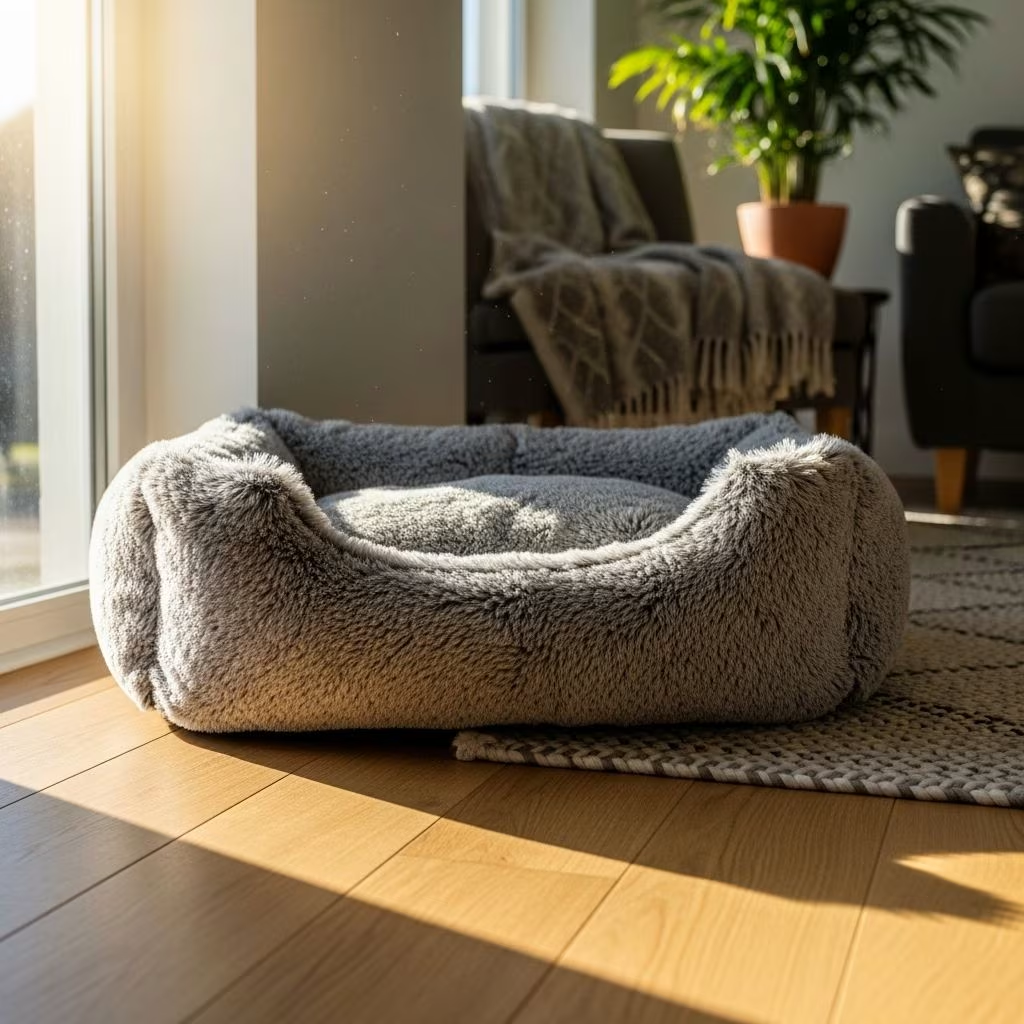
Dogs spend approximately 12 to 14 hours per day sleeping or resting, making the quality of their sleeping environment crucial to their overall well-being. Many pet owners wonder whether investing in a dedicated dog bed is truly necessary or simply an optional luxury. The answer is clear: a quality dog bed serves as a foundational element of responsible pet care, offering benefits that extend far beyond mere comfort. Understanding why dogs need beds helps pet owners make informed decisions about their animal’s long-term health and happiness.
The Physical Foundation: Joint and Skeletal Support
One of the most significant advantages of providing a dog bed is the support it offers to your pet’s musculoskeletal system. Hard flooring surfaces create unnecessary strain on a dog’s body, regardless of age. Young dogs experiencing rapid growth require cushioning that prevents discomfort and promotes healthy skeletal development. Their developing bones and joints are sensitive to pressure, and inadequate sleeping surfaces can contribute to sleep disruption and associated behavioral challenges.
Senior dogs face even greater challenges when confined to hard surfaces. As dogs age, they commonly develop conditions such as arthritis, hip dysplasia, and other degenerative joint diseases. A supportive bed with orthopedic-grade cushioning specifically alleviates pressure on these vulnerable areas, reducing pain and discomfort during rest periods. The preventative nature of this support cannot be overstated—investing in proper bedding during a dog’s youth may prevent or delay the onset of painful conditions later in life.
Orthopedic dog beds featuring memory foam or special interlocking fill materials conform to your dog’s body contours, distributing weight evenly and minimizing pressure points. These pressure points—areas of bone with minimal soft tissue coverage—can develop into painful sores if left unsupported. For dogs with existing joint problems, this cushioning becomes therapeutic rather than merely comfortable.
Temperature Regulation and Environmental Comfort
Bare floors present significant challenges for temperature regulation, particularly during seasonal extremes. Winter months leave cold flooring surfaces that drain body heat, while summer concrete or tile floors can feel equally uncomfortable. Dogs lack the ability to adjust their environment effectively, leaving them vulnerable to temperature-related discomfort.
A quality dog bed provides essential insulation during cold seasons, trapping body warmth and creating a cozy refuge where your dog can maintain comfortable body temperature. For dogs with thick, heavy coats, winter months can be especially challenging; a warming bed proves far more comfortable than wearing a sweater, which can irritate sensitive skin.
In warmer climates, elevated dog beds with mesh or breathable materials allow air circulation underneath, facilitating cooling and heat dissipation. Some luxury dog beds incorporate ergonomic designs specifically engineered to promote temperature regulation, ensuring your dog remains comfortable year-round regardless of climate conditions.
Sleep Quality and Behavioral Benefits
The relationship between sleep quality and behavior in dogs mirrors that in humans—inadequate or uncomfortable sleep leads to behavioral issues. Dogs sleeping on uncomfortable surfaces experience fragmented rest, potentially resulting in excessive vocalization, destructive behavior, and diminished responsiveness to training.
Conversely, a comfortable bed promoting uninterrupted, restful sleep allows your dog to wake refreshed and emotionally balanced. Dogs with access to quality beds demonstrate improved focus, better stress management, and more appropriate social behavior. The psychological impact of having a designated rest space extends beyond mere comfort; it establishes routine and provides your dog with a sense of ownership and security within your home.
For active dogs, a proper bed serves as a recovery zone where muscles relax and energy is replenished following physical activity. This recovery period is essential for maintaining physical fitness and mental resilience throughout your dog’s life.
Anxiety Relief and Emotional Security
Dogs experiencing separation anxiety or stress benefit significantly from beds designed with raised sides or bolstered edges. These architectural features create a den-like environment that mimics the protected spaces dogs naturally seek, evoking the comfort of cuddling with littermates or their owner.
The boundary created by raised sides provides psychological reassurance, particularly valuable for dogs left alone or placed in unfamiliar environments. This sense of containment reduces overall anxiety levels and helps your dog relax more easily during stressful situations. Traveling with a familiar dog bed transforms potentially anxiety-inducing situations into manageable experiences, as the bed becomes a portable refuge in new surroundings.
Furniture Preservation and Household Hygiene
Dogs naturally seek comfortable resting spots, and without a designated bed, your furniture becomes an attractive alternative. The combination of digging, burrowing instincts, and shedding can damage upholstery and accumulate hair on your favorite seating. Providing an exclusive bed redirects these natural behaviors toward an appropriate outlet.
Beyond protecting furniture, dog beds contribute to overall household cleanliness. By elevating your dog off the floor, beds reduce direct contact with dirt, allergens, and pests that accumulate on hard surfaces. Beds with removable, washable covers make sanitation straightforward, and machine-washable options minimize cleaning effort. Some modern orthopedic beds feature waterproof inner liners that protect foam components while enhancing durability.
For households where members experience dog-related allergies, a dedicated dog bed significantly reduces the spread of fur and dander throughout living spaces. This benefit extends to overall family health and comfort.
Choosing the Right Bed for Your Dog
| Dog Category | Recommended Bed Type | Key Features |
|---|---|---|
| Puppies & Young Dogs | Standard Cushioned Bed | Moderate padding, machine washable cover, easy to clean |
| Adult Dogs | Comfort or Bolstered Bed | Raised edges for security, durable materials, appropriate size |
| Senior Dogs | Orthopedic Memory Foam | Thick padding, joint support, waterproof liner, easy access |
| Large Breed Dogs | Orthopedic with Extra Thickness | Maximum support, high-density foam, reinforced construction |
| Dogs with Anxiety | Bolstered or Nest-Style | High raised sides, enclosed design, cozy materials |
When selecting a bed, consider your dog’s size, age, health status, and specific needs. Larger dogs require thicker padding and more substantial support than smaller breeds. Senior dogs with existing joint problems benefit most from orthopedic options, while anxious dogs thrive with bolstered designs providing psychological security.
Common Questions About Dog Beds
Can a dog sleep on the floor instead of a bed?
While dogs can technically sleep on floors, doing so deprives them of essential support, comfort, and the psychological benefits associated with having a designated space. Floor sleeping exposes dogs to temperature extremes, hard surfaces that promote joint strain, and reduced hygiene standards. Over time, this choice may contribute to health problems and behavioral issues.
Are dog beds necessary for young, healthy dogs?
Yes, dog beds benefit dogs of all ages. Young dogs benefit from proper support during their growth phase, reducing potential future joint problems. Starting puppies with quality beds establishes healthy sleeping habits and prevents the development of age-related issues later in life.
How does a dog bed improve behavior?
Comfortable sleeping surfaces promote quality rest, allowing dogs to wake emotionally balanced and physically refreshed. Improved sleep directly correlates with reduced anxiety, better responsiveness to training, and decreased destructive or vocal behaviors.
What size bed should I purchase?
Your dog should be able to stretch out fully and curl up comfortably without parts of their body hanging over the edges. Measure your dog in both stretched and curled positions, then select a bed accommodating the larger measurement with several inches of extra space.
How often should I replace a dog bed?
The lifespan of a dog bed depends on quality, your dog’s size, and usage intensity. High-quality orthopedic beds typically last 5-7 years, while standard beds may need replacement every 2-4 years. Replace beds when padding becomes flat, covers develop tears, or visible wear compromises support quality.
Making the Investment
Purchasing a quality dog bed represents an investment in your pet’s long-term health and well-being. The financial investment pales in comparison to potential veterinary costs associated with untreated joint problems, chronic pain conditions, or behavioral issues stemming from inadequate rest. Preventative care through proper bedding proves significantly more cost-effective than treating advanced arthritis or other degenerative conditions requiring surgery or long-term medication.
A dog bed serves multiple functions simultaneously: it protects joints, regulates temperature, improves sleep quality, reduces anxiety, and maintains household hygiene. Rather than viewing a dog bed as an optional accessory, consider it a fundamental component of responsible pet ownership, alongside food bowls, collars, and leashes.
Your dog spends more than half their day resting—they deserve an environment supporting their physical health and emotional well-being. By providing a quality dog bed, you’re making a tangible commitment to your pet’s happiness and longevity.
References
- 6 Reasons Your Dog Should Have Its Own Bed — Ashley HomeStore. https://blog.ashleyfurniture.com/6-reasons-your-dog-should-have-its-own-bed/
- 7 Benefits of Bolstered Beds for Dogs: Why Your Pup Deserves the Best — Nest Bedding. https://www.nestbedding.com/blogs/news/7-benefits-of-bolstered-beds-for-dogs-why-your-pup-deserves-the-best
- The Pros and Cons of Having a Dog Bed — Sir Archers. https://sirarchers.com/blogs/dog-bed-blog/pros-cons-having-dog-bed-dog
- Why Every Dog Needs a Bed: Benefits & Buying Tips — Zigly. https://zigly.com/blogs/all/dog-bed-why-is-it-a-necessity
- Benefits of Having a Bed for Your Dog — Petmate. https://www.petmate.com/blogs/petmate-academy/benefits-of-having-a-bed-for-your-dog
- The Importance Of A Good Dog Bed — American Kennel Club. https://www.akc.org/expert-advice/home-living/choosing-right-dog-bed/
- Why Your Dog Needs A Bed — Orvis. https://www.orvis.com/why-your-dog-needs-a-bed.html



