

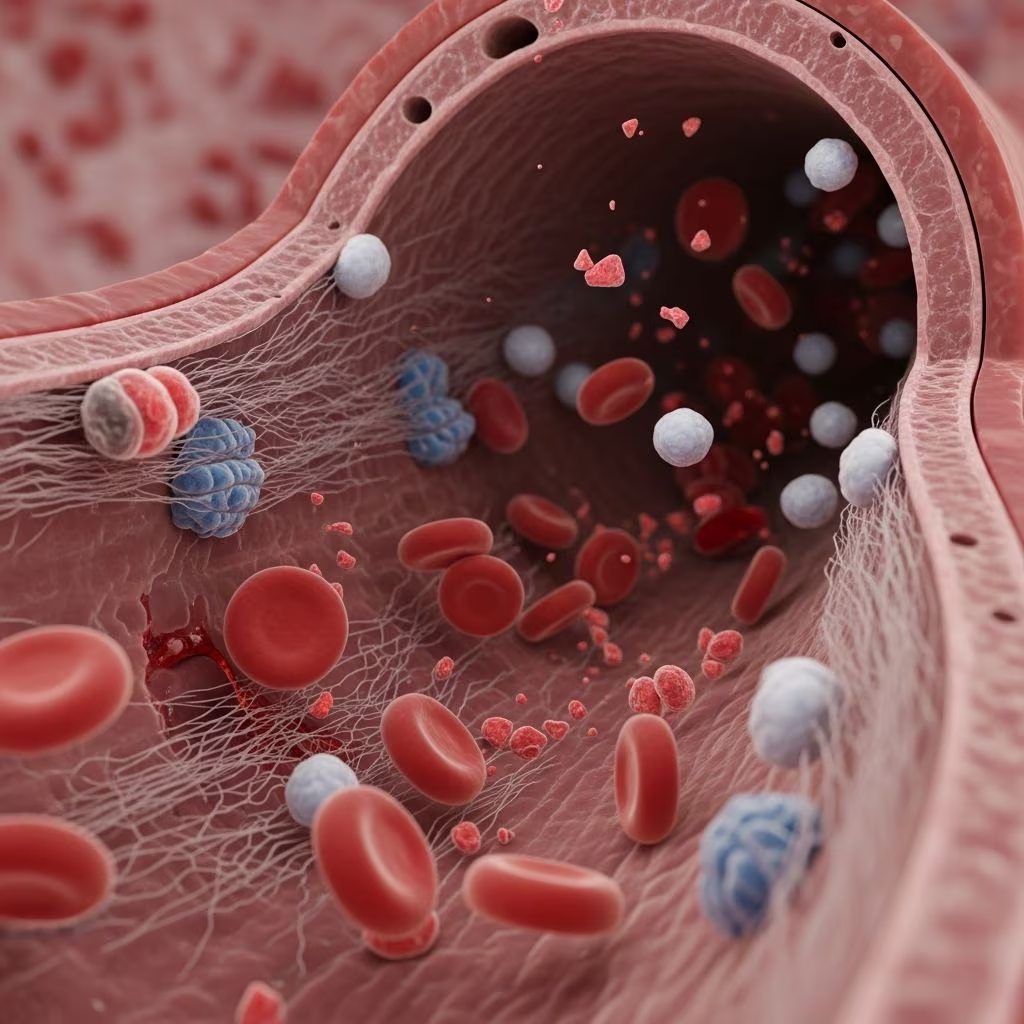
Blood clotting disorders represent a significant health concern for dog owners, as these conditions can range from mild, manageable issues to life-threatening emergencies. When a dog’s blood cannot clot properly, even minor injuries or routine surgical procedures can become serious complications. Understanding these disorders, recognizing warning signs, and knowing when to seek veterinary care are essential skills for responsible pet ownership.
The Mechanics of Normal Blood Clotting
To understand bleeding disorders, it helps to first grasp how normal blood clotting works. Blood clotting is a complex physiological process involving multiple proteins, blood cells called platelets, and blood vessel function. When a blood vessel is injured, these components work together in a coordinated sequence to form a clot that stops bleeding. This intricate process requires proper function of clotting proteins, sufficient platelet numbers and function, and healthy blood vessel walls. When any component of this system fails or becomes deficient, bleeding problems can develop.
Primary Categories of Bleeding Disorders in Dogs
Canine bleeding disorders fall into several distinct categories based on their underlying cause. Understanding which category applies helps veterinarians diagnose and treat the condition effectively. The main classifications include defects in clotting proteins, platelet-related problems, blood vessel abnormalities, and acquired conditions resulting from illness or medication. Each type presents differently and requires tailored treatment approaches.
Inherited Clotting Protein Deficiencies
Some dogs inherit genetic mutations that result in insufficient or abnormal clotting proteins. These inherited disorders typically manifest early in life and follow predictable inheritance patterns within specific breeds or families. The severity depends on how much functional protein the dog produces and how critical that protein is to the clotting cascade.
Hemophilia A (Factor VIII Deficiency) represents the most prevalent inherited bleeding disorder in canine populations. This condition follows an X-linked recessive inheritance pattern, meaning females typically carry the gene without showing symptoms while males express the disease when they inherit the affected gene. Affected puppies often show prolonged bleeding from the umbilical cord following birth, excessive bleeding from the gums during the teething phase, and uncontrolled bleeding after surgery or trauma.
Fibrinogen disorders include two related conditions affecting this essential clotting protein. Hypofibrinogenemia, characterized by abnormally low fibrinogen levels, has been documented in Saint Bernards and Vizslas and produces severe bleeding manifestations. Dysfibrinogenemia, where the fibrinogen present is structurally abnormal and functionally impaired, has been identified in certain Russian Wolfhound (Borzoi) families. Dogs with dysfibrinogenemia may experience mild bleeding issues such as nosebleeds during normal circumstances, but injuries or surgical procedures can trigger life-threatening hemorrhage. Treatment typically involves transfusions of fresh or fresh-frozen plasma, which provides the missing or abnormal fibrinogen.
Von Willebrand Disease: The Most Common Bleeding Disorder
Von Willebrand disease (vWD) stands as the most frequently diagnosed inherited bleeding disorder in dogs, affecting nearly all breeds as well as mixed-breed dogs. This condition results from deficiency or dysfunction of von Willebrand factor, a critical protein that performs two essential functions: it carries Factor VIII (another clotting protein) through the bloodstream and initiates the earliest stages of clot formation.
The disorder presents in three distinct types, each with different severity levels and clinical implications:
- Type 1 vWD is the most common variant, characterized by a partial deficiency in von Willebrand factor that produces mild to moderate bleeding tendency. Dogs with Type 1 disease may respond well to desmopressin acetate, a medication that can increase circulating levels of von Willebrand factor.
- Type 2 vWD involves reduced quantities of von Willebrand factor combined with abnormal protein structure, resulting in moderate to severe bleeding problems. This type is particularly prevalent in German Shorthaired Pointers and German Wirehaired Pointers.
- Type 3 vWD features complete or near-complete absence of von Willebrand factor, producing the most severe clinical signs. Scottish Terriers, Shetland Sheepdogs, Chesapeake Bay Retrievers, and Dutch Kooikers are predisposed breeds, though sporadic cases appear in various other breeds.
Clinical manifestations of vWD include bleeding from the gums, nosebleeds, blood in the urine, and excessive bleeding following minor injuries or surgical procedures. Some affected dogs remain asymptomatic until undergoing surgery or experiencing injury. Dewclaw removal and teething can trigger excessive bleeding in susceptible puppies. Additionally, infections, endocrine disorders, and certain medications may exacerbate bleeding tendencies in affected dogs.
Platelet-Related Bleeding Disorders
Platelets are specialized blood cells essential for initiating clot formation. Disorders affecting platelet number or function create a different clinical presentation than protein deficiencies, typically causing superficial bleeding rather than deep tissue hemorrhage.
Immune-mediated thrombocytopenia (IMT) represents an acquired platelet disorder where the immune system mistakenly attacks the dog’s own platelets, causing their destruction. This condition can develop at any age and may appear acutely or progress slowly. Affected dogs display easy bruising, bleeding from the gums, nosebleeds, and blood in urine or stool.
Canine thrombopathia involves abnormally functioning platelets despite normal platelet numbers. Basset Hounds are particularly susceptible to this condition. Affected dogs experience nosebleeds, petechiae (tiny red or purple spots under the skin resembling a rash), and gum bleeding. Diagnosis requires specialized platelet function testing, as platelet counts appear normal in standard blood work. While no specific treatment exists, severe bleeding episodes may require plasma or whole blood transfusions.
Glanzmann thrombasthenia, previously termed thrombasthenic thrombopathia, occurs in Otterhounds and Great Pyrenees dogs. This rare inherited disorder prevents platelets from properly clumping together and separating during clotting. Blood tests reveal abnormally large, oddly-shaped platelets. Affected dogs show prolonged bleeding times and extensive bruising. Like thrombopathia, treatment focuses on transfusions for severe bleeding episodes.
Acquired Bleeding Disorders
Beyond inherited genetic conditions, dogs can develop bleeding disorders as secondary effects of other illnesses or medical treatments.
Rickettsial infections transmitted by ticks cause significant platelet loss in affected dogs. Organisms from the genera Ehrlichia and Anaplasma cause mild to severe thrombocytopenia with both short and long-term changes in blood cell counts. Infected dogs may show no apparent signs or may present with nosebleeds, black stools indicating intestinal bleeding, gum bleeding, and prolonged bleeding after vaccination or surgery.
Rocky Mountain Spotted Fever, caused by Rickettsia rickettsii and transmitted by infected ticks, produces bleeding through a different mechanism. The rickettsial organisms invade and destroy blood vessel cells, leading to vessel swelling and hemorrhage. Clinical signs include nosebleeds, bruising, blood in urine, intestinal bleeding, or retinal bleeding. Severely affected dogs may develop disseminated intravascular coagulation, a life-threatening condition involving inappropriate clotting throughout the body.
Disseminated intravascular coagulation (DIC) represents a complex acquired disorder where the body’s clotting cascade becomes pathologically activated. This produces tiny red or purple bleeding spots under the skin, blood appearing during urination or defecation, nosebleeds, abdominal swelling, lethargy, and elevated heart rate.
Recognizing Bleeding Disorder Symptoms
Recognizing the signs of bleeding disorders enables early veterinary intervention. Pet owners should remain alert for these warning indicators:
- Easy bruising or bruising after minor trauma
- Bleeding from the gums, particularly during teething or chewing
- Nosebleeds occurring spontaneously or after minor head trauma
- Blood in urine, vomit, or stool
- Excessive bleeding following minor injuries
- Abnormal bleeding after surgical procedures like spaying, neutering, or dental cleaning
- Black, tarry stools indicating internal intestinal bleeding
- Tiny red or purple spots on the skin (petechiae)
- Lethargy or weakness from blood loss
- Pale gums indicating low red blood cell counts
Many dogs with inherited bleeding disorders show no symptoms until experiencing injury or undergoing surgery. This makes surgical procedures times of particular concern, as uncontrolled bleeding can occur.
Diagnostic Approaches for Bleeding Disorders
Accurate diagnosis requires multiple diagnostic tests because the symptoms of different bleeding disorders can overlap significantly. Veterinarians typically perform a thorough patient history, physical examination, and blood work to identify the underlying cause.
Standard blood tests measure platelet numbers and basic clotting times. More specialized testing evaluates von Willebrand factor levels, identifies specific clotting protein deficiencies, and assesses platelet function. Breed predisposition, inheritance patterns, and clinical presentation help narrow the differential diagnosis. For conditions like thrombopathia, specialized platelet function testing may be necessary since standard blood work appears normal despite functional abnormalities.
Treatment and Management Strategies
Treatment approaches vary significantly depending on the specific disorder, its severity, and the clinical situation. Some dogs require ongoing management while others need intervention only during emergencies.
Transfusion therapy forms the cornerstone of treatment for acute bleeding episodes. Whole blood transfusions provide platelets, clotting proteins, and red blood cells, making them useful for severe hemorrhage. Fresh or fresh-frozen plasma contains clotting proteins and is particularly valuable for fibrinogen disorders and severe protein deficiencies.
Desmopressin acetate, a synthetic hormone, can improve clotting in dogs with Type 1 von Willebrand disease by stimulating increased release of von Willebrand factor from storage sites in blood vessel cells. This medication is ineffective for Type 2 and Type 3 disease.
Preventive measures include avoiding trauma, careful surgical planning with appropriate transfusions, limiting certain medications that increase bleeding risk, and avoiding activities that might cause injury. Female dogs with bleeding disorders require special monitoring during heat cycles and pregnancy.
Frequently Asked Questions
Can dogs with bleeding disorders live normal lives?
Many dogs with bleeding disorders, particularly those with milder forms, can live relatively normal lives with appropriate precautions. Owners must prevent traumatic injuries, coordinate with veterinarians before surgical procedures, and recognize warning signs requiring emergency care. Severely affected dogs require more intensive management.
Is von Willebrand disease curable?
Currently, no cure exists for inherited bleeding disorders like von Willebrand disease. However, management strategies can minimize symptoms and complications, and certain medications like desmopressin acetate can improve clotting in some cases.
Can I breed a dog with a bleeding disorder?
Dogs with inherited bleeding disorders should not be bred, as they will pass the genetic mutation to offspring. Responsible breeding practices require genetic screening and avoiding mating affected individuals or known carriers.
What should I do if my dog experiences spontaneous bleeding?
Spontaneous bleeding requires immediate veterinary attention. Apply gentle pressure to external bleeding, avoid unnecessary movement, and transport the dog calmly to the veterinary clinic. Have your veterinarian perform testing to identify the underlying cause.
How do veterinarians prepare for surgery in bleeding disorder patients?
Veterinarians take multiple precautions for dogs with known bleeding disorders. Pre-surgical blood work confirms current status, prophylactic transfusions may be administered before surgery, anesthesia protocols are modified to minimize bleeding risk, and surgical techniques are adjusted to minimize tissue trauma.
When to Seek Veterinary Emergency Care
Pet owners should seek immediate veterinary care for any signs of active bleeding that doesn’t stop with gentle pressure, spontaneous bleeding without obvious injury, pale gums suggesting significant blood loss, weakness or collapse, difficulty breathing, or abdominal swelling suggesting internal bleeding. Additionally, any dog scheduled for surgery with a history of excessive bleeding should be evaluated by a veterinarian experienced with bleeding disorders.
Conclusion: Managing Your Dog’s Bleeding Disorder
Bleeding disorders in dogs range from minor inconveniences to serious health threats, but modern veterinary medicine offers effective management strategies. Pet owners who understand their dog’s specific condition, recognize warning signs, and maintain close communication with their veterinarian can help their dogs live comfortable, safe lives. Genetic screening in breeding programs continues to reduce the prevalence of inherited bleeding disorders, gradually improving overall canine health in predisposed breeds.
References
- Bleeding Disorders in Dogs: Overview and Types — Vetster. Accessed February 2026. https://vetster.com/en/conditions/dog/bleeding-disorders
- Canine von Willebrand Disease: Clinical Classification and Diagnosis — Cornell University College of Veterinary Medicine, Animal Health Diagnostic Center. https://www.vet.cornell.edu/animal-health-diagnostic-center/laboratories/comparative-coagulation/clinical-topics/canine-von-willebrand-disease
- Common Blood Disorders in Dogs and Their Symptoms — ASPCA Pet Health Insurance. https://www.aspcapetinsurance.com/resources/dog-blood-disorders/
- Von Willebrand Disease in Dogs: Causes and Clinical Manifestations — Cornell University College of Veterinary Medicine, Riney Canine Health Center. https://www.vet.cornell.edu/departments-centers-and-institutes/riney-canine-health-center/canine-health-topics/von-willebrand-disease
- Bleeding Disorders of Dogs — Merck Veterinary Manual. https://www.merckvetmanual.com/dog-owners/blood-disorders-of-dogs/bleeding-disorders-of-dogs
- Von Willebrand’s Disease in Dogs: Clinical Findings and Management — VCA Animal Hospitals. https://vcahospitals.com/know-your-pet/von-willebrands-disease-in-dogs



