

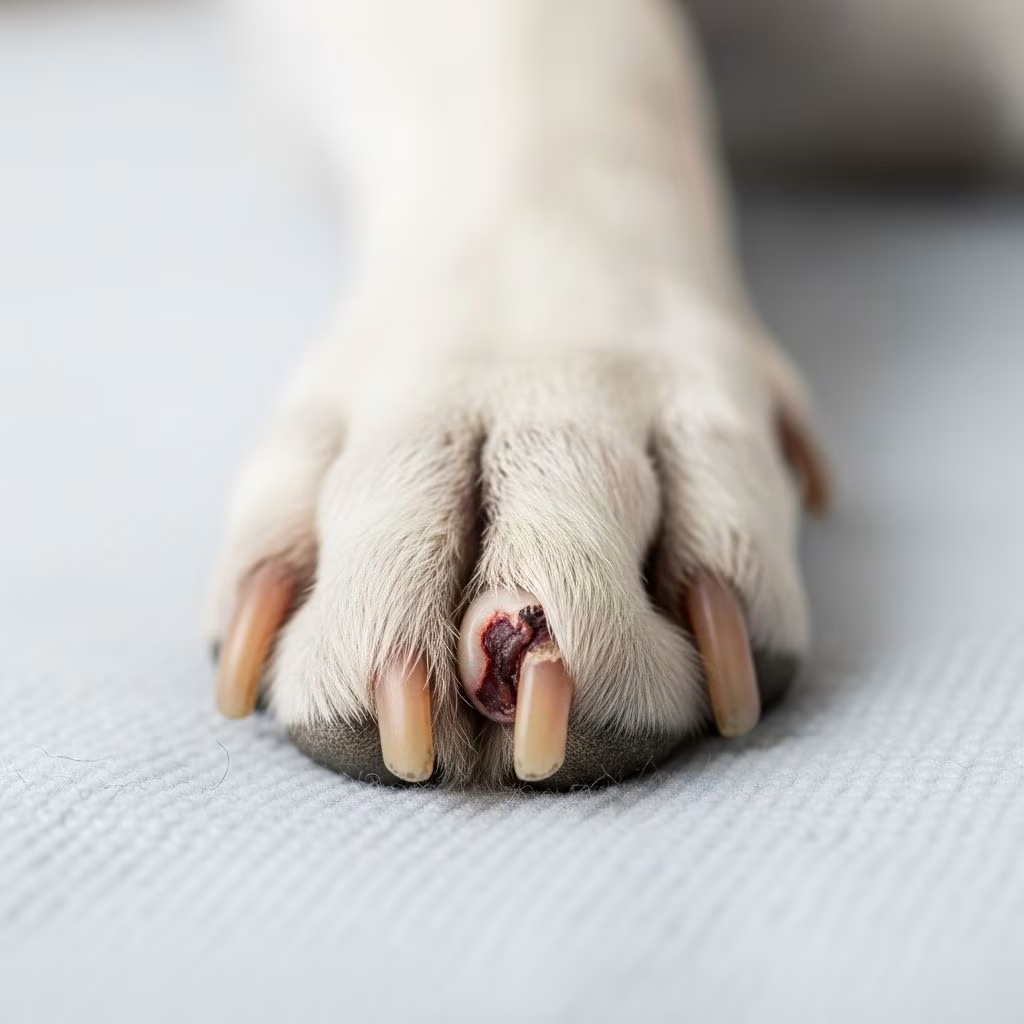
Dogs’ claws rarely detach on their own under normal conditions, but various factors like physical trauma, underlying health issues, or poor maintenance can lead to this concerning problem. Prompt recognition and action are crucial to minimize pain and prevent complications such as infections that could affect the bone.
Common Triggers for Claw Detachment
Claw loss in dogs often stems from everyday accidents or progressive weakening. Active pets may snag their claws while running, digging, or jumping from heights, causing splits or complete detachment. Overgrown claws exacerbate this risk, as they catch more easily on surfaces.
- Physical Trauma: High-impact activities like leaping off furniture or rough play can bend claws unnaturally, leading to tears. Older dogs with naturally brittle claws face heightened vulnerability.
- Overgrowth and Neglect: Untrimmed claws curve into paw pads, fostering ingrown issues and splits during movement.
Health Conditions Weakening Claws
Beyond accidents, systemic problems can render claws fragile. Owners noticing recurrent loss across multiple paws should suspect medical origins rather than isolated incidents.
Infections Invading the Claw Bed
Bacterial or fungal invasions compromise claw integrity, turning them brittle and prone to shedding. These often arise secondary to wounds, allergies, or conditions like diabetes, embedding deeply into the keratin structure. Fungal onychomycosis, for instance, discolors and cracks claws, mimicking trauma but requiring antifungal intervention.
Immune System Malfunctions
Symmetric lupoid onychodystrophy (SLO), an autoimmune disorder, targets claw beds, causing inflammation, brittleness, and sloughing. Primarily affecting young to middle-aged dogs, it impacts all paws symmetrically and inflicts significant pain upon exposure of the sensitive quick. Other immune issues like pemphigus or vasculitis reduce blood supply, further deteriorating claw quality.
Nutritional Imbalances
Deficiencies in key minerals, notably zinc, undermine claw formation, leading to splits and easy breakage. Imbalanced diets lacking biotin or essential fatty acids compound this, especially in home-fed dogs without veterinary oversight. Hormonal disorders or parasites can indirectly contribute by impairing nutrient absorption.
Why Detached Claws Demand Urgent Attention
Each canine claw houses a vascular quick packed with nerves and blood vessels, shielded by tough keratin. Detachment exposes this core, sparking acute pain and bleeding risks. Unchecked, it invites bacterial entry, potentially escalating to osteomyelitis—a bone infection with long-term mobility threats.
| Risk Factor | Potential Complication | Prevention Tip |
|---|---|---|
| Exposed Quick | Pain & Bleeding | Immediate Pressure Application |
| Open Wound | Infection | Cleaning & Bandaging |
| Bone Proximity | Osteomyelitis | Veterinary Follow-Up |
First Aid Essentials for Claw Emergencies
Act swiftly but calmly when a claw detaches. Prioritize safety for both you and your dog to avoid bites from pain-induced stress.
- Stem the Bleeding: Press a clean cloth or gauze firmly for 5-10 minutes. If persistent, apply styptic powder or cornstarch to constrict vessels.
- Assess Damage: If a loose fragment dangles, trim it cautiously with pet clippers only if stable; otherwise, defer to professionals to evade further trauma.
- Clean Gently: Rinse with mild saline or warm water, pat dry, and wrap loosely in non-stick gauze. Secure with vet wrap, changing daily.
- Prevent Licking: Fit an Elizabethan collar to block oral interference, which spreads bacteria.
Seek veterinary care within 24 hours, especially for profuse bleeding, swelling, or lethargy.
Professional Diagnosis and Interventions
Vets employ targeted diagnostics to pinpoint causes. Nail cultures detect infections, while X-rays rule out bone anomalies or tumors like squamous cell carcinoma. Blood panels screen for deficiencies or hormones, and biopsies confirm SLO via histopathology.
Treatment Tailored to the Cause
- Trauma Management: Sedated trimming, antibiotics, analgesics, and bandaging promote regrowth in 6-12 weeks.
- Infection Control: Topical or systemic antibiotics/doxcycline for bacteria; antifungals for persistent cases.
- SLO Protocols: Fatty acid supplements (omega-3/6), biotin, and pentoxifylline reduce inflammation. Refractory cases use immunosuppressants like tetracycline-niacinamide combos or steroids. Lifelong therapy prevents relapse; severe pain may necessitate toe-tip amputation.
- Nutritional Corrections: Zinc, vitamin E, or biotin boosts, alongside diet overhaul.
Follow-ups ensure healing; full claw regeneration spans months due to slow growth.
Preventive Strategies for Robust Paw Health
Proactive habits avert most claw crises. Weekly inspections reveal overgrowth or cracks early.
- Trim every 4-6 weeks, avoiding the quick—use grinders for anxious dogs.
- Supply AAFCO-approved kibble or vet-formulated raw diets rich in claw-supporting nutrients.
- Consider supplements: omega fatty acids for shine, biotin for strength.
- Moisturize dry paws with paw balms to combat brittleness from arid climates.
- Minimize rough terrains; booties shield during hikes.
FAQs on Dog Claw Issues
Is claw loss ever normal?
No, healthy claws remain intact. Isolated trauma happens, but recurrence signals deeper issues.
How long until a new claw grows?
Expect 2-3 months for full regrowth, varying by breed and health.
Can I treat a broken claw at home indefinitely?
Only for minor cases; always consult a vet for exposed quicks or multiples.
What breeds are prone to SLO?
Rottweilers, German Shepherds, and Huskies show higher incidence, but any dog can develop it.
Does diet alone fix brittle claws?
It helps deficiencies but not immune diseases; combined vet care is key.
Long-Term Monitoring and When to Worry
Track paw health post-incident. Red flags include limping, pus, foul odors, or multi-claw involvement—prompt vet visits avert chronic pain. Breeds with dark claws challenge quick visualization; grind incrementally.
Integrate paw checks into routines: post-walk exams catch splits. A balanced lifestyle—exercise, nutrition, grooming—fortifies claws against life’s rigors.
By understanding triggers from trauma to SLO, owners empower timely interventions. Healthy claws support agile, pain-free mobility, enhancing companionship quality.
References
- Do Dogs’ Toenails Fall Off? Vet-Verified Causes & … — Dogster. 2023. https://www.dogster.com/dog-health-care/do-dogs-toenails-fall-off
- Nailing It – Dog News — Dog News (Merry Fitzgerald DVM). 2023. http://dognews.com/merry-fitzgerald-explains-toenail-disorders-in-dogs-including-systemic-lupoid-onychodystrophy-SLO
- Lupoid Onychodystrophy in Dogs — PetMD. 2024. https://www.petmd.com/dog/conditions/immune/lupoid-onychodystrophy-dogs
- What to Do if Your Dog Breaks or Tears a Nail — MedVet. 2024. https://www.medvet.com/what-to-dog-if-your-dog-breaks-or-tears-a-nail/
- Nail problems in dogs — JOII Pet Care. 2024. https://www.joiipetcare.com/blogs/health-conditions/nail-problems-in-dogs
- Can a Dog’s Nails Fall Off? — WagWalking. 2023. https://wagwalking.com/sense/can-dogs-nails-fall-off
- Symmetric Lupoid Onychodystrophy in Dogs: What to Know — MedVet. 2024. https://www.medvet.com/lupoid-onychodystrophy-in-dogs/



