

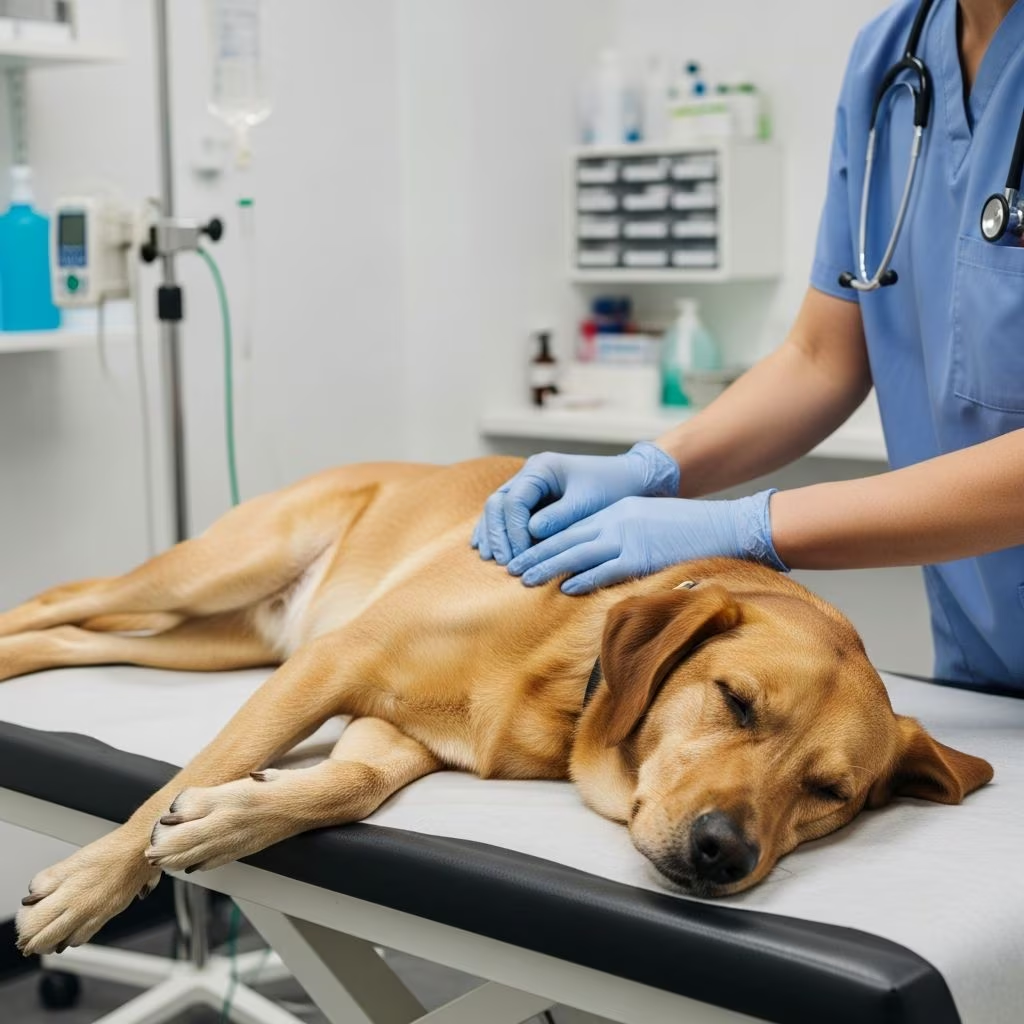
As pet owners, we continually seek ways to enhance our dogs’ quality of life and ensure they remain active, comfortable, and healthy throughout their years with us. One increasingly recognized therapeutic approach that veterinarians and pet health professionals recommend is canine chiropractic care. This specialized form of animal medicine addresses the structural and functional relationships between the nervous system and the musculoskeletal framework, offering non-invasive solutions for various health challenges dogs face.
Understanding the Foundation of Canine Spinal Health
The spine represents far more than just a structural component of your dog’s body—it serves as the protective housing for the nervous system and coordinates vital communication pathways throughout the entire organism. When vertebrae become misaligned or lose their normal range of motion, a condition veterinarians call vertebral subluxation, interference in nerve function occurs. This interference can manifest in pain, reduced mobility, behavioral changes, and compromised organ function.
Canine chiropractors focus specifically on identifying and correcting these misalignments through targeted manual adjustments and therapeutic techniques. By restoring proper vertebral positioning and joint mobility, practitioners help reestablish the flow of nerve impulses and reduce the physical stress that accumulates in surrounding soft tissues. This approach recognizes that structural integrity directly influences a dog’s overall health and well-being.
Core Mechanisms Behind Chiropractic Adjustments
During a chiropractic session, the practitioner applies controlled force to specific joints in the spine and extremities, carefully repositioning misaligned structures back toward their optimal anatomical placement. This process differs fundamentally from massage or other soft tissue therapies because it addresses the underlying mechanical dysfunction rather than merely treating symptomatic tension.
When vertebrae return to proper alignment, several physiological improvements cascade through the animal’s body:
- Pressure on compressed nerves releases, allowing normal neurological signaling to resume
- Trapped blood and lymphatic vessels regain their capacity for circulation
- Muscle groups that had contracted around the misaligned area relax and lengthen
- The nervous system resumes efficient communication with organs and tissues
- Inflammatory responses triggered by structural dysfunction begin to resolve
These mechanical changes initiate a cascade of healing responses that address pain at its source rather than merely masking symptoms with pharmaceutical interventions.
Conditions That Respond to Chiropractic Intervention
Dogs experience various health conditions that have biomechanical or neurological origins, making them excellent candidates for chiropractic evaluation and treatment. Understanding which conditions benefit most from this approach helps pet owners make informed decisions about their dog’s healthcare strategy.
Degenerative Spinal and Joint Diseases
Conditions including osteoarthritis, hip dysplasia, and degenerative disc disease represent common sources of chronic discomfort in canine patients, particularly as dogs age. When vertebral structures lose alignment, they accelerate the wear-and-tear processes affecting cartilage and surrounding tissues. Chiropractic care helps slow this progression by restoring proper biomechanics and reducing abnormal stress patterns on joints.
Post-Injury and Post-Surgical Recovery
Dogs that have experienced trauma, surgical procedures, or serious falls often develop compensatory movement patterns as they protect injured areas during healing. These altered gait patterns and postural changes can create secondary misalignments that persist long after the original injury heals. Chiropractic treatment addresses these compensatory patterns, facilitating faster restoration of normal movement and improving the overall recovery trajectory.
Performance and Sports-Related Issues
Working dogs, agility competitors, and high-activity canines experience substantial accumulated stress on their skeletal systems. Dogs engaged in repetitive athletic activities often develop subtle misalignments that compromise performance and increase injury risk. Routine chiropractic maintenance helps athletic dogs maintain optimal biomechanical efficiency and prevents injuries before they occur.
Neurological and Behavioral Manifestations
Intervertebral disc disease, degenerative myelopathy, and other neurological conditions sometimes benefit from chiropractic assessment and treatment, though these typically require concurrent evaluation by board-certified veterinary neurologists. Additionally, some behavioral changes that appear unrelated to physical health—such as reluctance to engage in normal activities or aggression—occasionally stem from underlying pain or neurological interference that chiropractic adjustment can address.
Comprehensive Benefits of Canine Chiropractic Care
When properly administered by a qualified animal chiropractor, this therapeutic approach delivers multiple benefits that extend beyond temporary pain relief. The following table outlines key advantages pet owners commonly observe:
| Benefit Category | Specific Improvements | Expected Timeline |
|---|---|---|
| Mobility and Movement | Enhanced flexibility, improved gait, increased range of motion, easier stair climbing and vehicle entry | Often immediate; progressive improvement over multiple sessions |
| Pain Management | Reduced inflammation, decreased muscle tension, drug-free pain relief, diminished behavioral pain indicators | Noticeable within first 24-48 hours for many dogs |
| Nervous System Function | Improved nerve impulse transmission, enhanced sensory perception, better organ function | Develops over weeks as alignment maintains |
| Activity Level | Increased playfulness, greater enthusiasm for exercise, improved stamina and endurance | Progressive improvement with consistent treatment |
| Senior Dog Comfort | Reduced stiffness, easier mobility, improved quality of life in final years | Ongoing maintenance provides sustained comfort |
Non-Pharmaceutical Pain Management
One particularly valuable aspect of chiropractic care involves providing pain relief without relying solely on medications. This proves especially beneficial for dogs who experience medication side effects, have contraindications preventing certain drug use, or whose owners prefer to minimize pharmaceutical interventions. By addressing pain’s mechanical cause rather than merely suppressing pain signals, chiropractic care offers a genuine alternative or complement to pain medication protocols.
Preventive Health Applications
Beyond treating existing conditions, chiropractic care functions as preventive medicine for dogs predisposed to specific health challenges. Breeds prone to hip dysplasia, dogs with family histories of spinal disease, and canines engaging in high-stress activities all benefit from periodic chiropractic assessment and maintenance adjustments. This preventive approach can significantly reduce the likelihood of developing serious conditions later in life.
The Initial Chiropractic Examination
Understanding what happens during the first visit helps demystify the process and prepares dog owners for the experience. A comprehensive initial examination typically involves multiple assessment components designed to identify structural abnormalities and functional restrictions.
The veterinary chiropractor begins by observing your dog’s posture, stance, and movement patterns while standing and walking. This observation reveals asymmetries, compensation patterns, and structural deviations that suggest underlying misalignments. The practitioner then performs careful palpation—physical examination using touch—to identify areas of restricted motion, muscle tension, and vertebral subluxations.
Diagnostic imaging often becomes necessary to confirm suspected misalignments and rule out conditions requiring immediate veterinary intervention. X-rays, and sometimes MRI imaging, provide visual confirmation of spinal and joint architecture. The chiropractor may also assess your dog’s neurological function, reflexes, and sensory responses to precisely locate the source of any dysfunction.
Following this thorough evaluation, the chiropractor discusses findings with you and develops a customized treatment plan outlining the frequency and duration of recommended adjustments. This plan should integrate seamlessly with your dog’s existing veterinary care, enhancing rather than replacing conventional medical treatment.
Treatment Frequency and Long-Term Management
Optimal outcomes from chiropractic care require understanding that this represents an ongoing health management strategy rather than a single intervention producing permanent results. Most dogs benefit from initial treatment schedules involving multiple visits over several weeks, followed by periodic maintenance adjustments.
The specific frequency depends on several factors including the severity of the presenting condition, your dog’s age, activity level, and individual healing response. Acute injuries might require weekly visits for two to three weeks before transitioning to maintenance schedules. Chronic conditions in senior dogs often benefit from monthly or bi-monthly maintenance adjustments that sustain improvements achieved during intensive initial treatment.
Active and working dogs frequently benefit from preventive adjustments every four to six weeks, similar to how human athletes pursue regular chiropractic care to optimize performance and prevent injuries. This maintenance approach proves particularly valuable for competition dogs, where small improvements in biomechanical efficiency translate into measurable performance gains.
Integration With Conventional Veterinary Care
Importantly, canine chiropractic functions most effectively as a complementary therapy working alongside conventional veterinary medicine rather than replacing it. A qualified animal chiropractor understands this distinction completely and always recommends that your regular veterinarian remain involved in your dog’s healthcare management.
For dogs with neurological conditions, veterinary neurological assessment should precede chiropractic evaluation. Similarly, any acute condition or unexplained symptoms warrant thorough conventional diagnostic evaluation before beginning chiropractic treatment. The ideal scenario involves collaboration between your primary veterinarian, specialists as needed, and the animal chiropractor, each contributing their expertise toward comprehensive health optimization.
Selecting a Qualified Animal Chiropractor
Not all practitioners offering animal chiropractic services maintain equivalent credentials and expertise. Distinguishing between qualified professionals and those with minimal training protects your dog from ineffective or potentially harmful treatment.
Look for chiropractors who hold certification through recognized organizations such as the International Veterinary Chiropractic Association (IVCA) or the American Veterinary Chiropractic Association (AVCA). Many qualified practitioners hold dual credentials—both Doctor of Chiropractic (DC) and Doctor of Veterinary Medicine (DVM)—though some hold DVM credentials with specialized chiropractic training. Verify that any prospective practitioner has completed accredited post-graduate training in animal chiropractic and maintains active membership in professional organizations.
Ask your veterinarian for referrals to animal chiropractors they trust and work with regularly. Your vet’s recommendation carries particular weight because veterinarians understand the quality of care from practitioners they refer. During initial consultations, don’t hesitate to ask about the chiropractor’s experience, credentials, training, and approach to integrating with your dog’s conventional veterinary care.
Frequently Asked Questions About Canine Chiropractic
Is chiropractic adjustment painful for dogs?
Properly performed chiropractic adjustments cause minimal discomfort and frequently bring immediate relief to dogs experiencing pain from misalignment. Most dogs relax during treatment and may show visible signs of relief such as improved posture or willingness to move more freely immediately after adjustments. Qualified practitioners use gentle techniques appropriate to each dog’s size, age, and condition.
Can puppies or senior dogs receive chiropractic treatment?
Both puppies and senior dogs can benefit from chiropractic care with modifications appropriate to their developmental stage and health status. Puppies experiencing growth-related asymmetries or congenital conditions like hip dysplasia sometimes benefit from early chiropractic assessment and treatment. Senior dogs particularly benefit from the pain relief and mobility improvements chiropractic care provides.
How does chiropractic differ from massage or physical therapy?
While massage addresses muscle tension and physical therapy rehabilitates function through exercise, chiropractic specifically targets misaligned joints and vertebrae. Each therapy offers distinct benefits, and dogs often benefit from combining multiple therapeutic approaches under appropriate professional guidance.
Will my dog need chiropractic care permanently?
Some conditions respond completely to initial treatment courses and rarely require follow-up care. Others, particularly chronic age-related conditions, benefit from periodic maintenance adjustments. Your chiropractor will discuss realistic expectations based on your individual dog’s condition and prognosis.
Recognizing When Your Dog Might Benefit
Certain signs and symptoms suggest your dog might benefit from chiropractic evaluation. Dogs displaying difficulty rising from lying positions, reluctance to jump or climb stairs, reduced enthusiasm for previously enjoyed activities, or visible stiffness following rest often have underlying biomechanical dysfunction that chiropractic can address. Similarly, dogs recovering from injury or surgery, those with chronic pain despite medication, and high-performance animals all represent excellent candidates for professional chiropractic assessment.
Your veterinarian remains the appropriate starting point for any new symptoms or health concerns. Once your vet has completed necessary diagnostics and cleared your dog for chiropractic treatment, a qualified animal chiropractor can determine whether this therapy would benefit your specific pet’s situation.
References
- Canine Chiropractic Care: A Gentle Path to Improved Mobility — Midwest Animal Hospital. https://midwesthospital.com/veterinary-blog/canine-chiropractic-care/
- The Benefits of Canine Chiropractic Care — Ellenton Animal Hospital. https://www.ellentonah.com/site/blog/2022/04/26/canine-chiropractic-care
- Chiropractic Care for Dogs: Everything You Need to Know — American Kennel Club. https://www.akc.org/expert-advice/health/chiropractic-care-for-dogs/
- Chiropractic Adjustment for Animals — University of Illinois Veterinary Medicine. https://vetmed.illinois.edu/pet-health-columns/chiropractic-adjustment-animals/
- When to See a Dog Chiropractor and What They Can Do — PetMD. https://www.petmd.com/dog/when-see-dog-chiropractor-and-what-they-can-do
- What Is Animal Chiropractic — Animal Chiropractic College. https://optionsforanimals.com/animal-owners/what-is-animal-chiropractic/
- Chiropractic for Pets — Back on Track Veterinary. https://backontrackvet.com/news/2020/5/1/chiropractic-for-pets



