

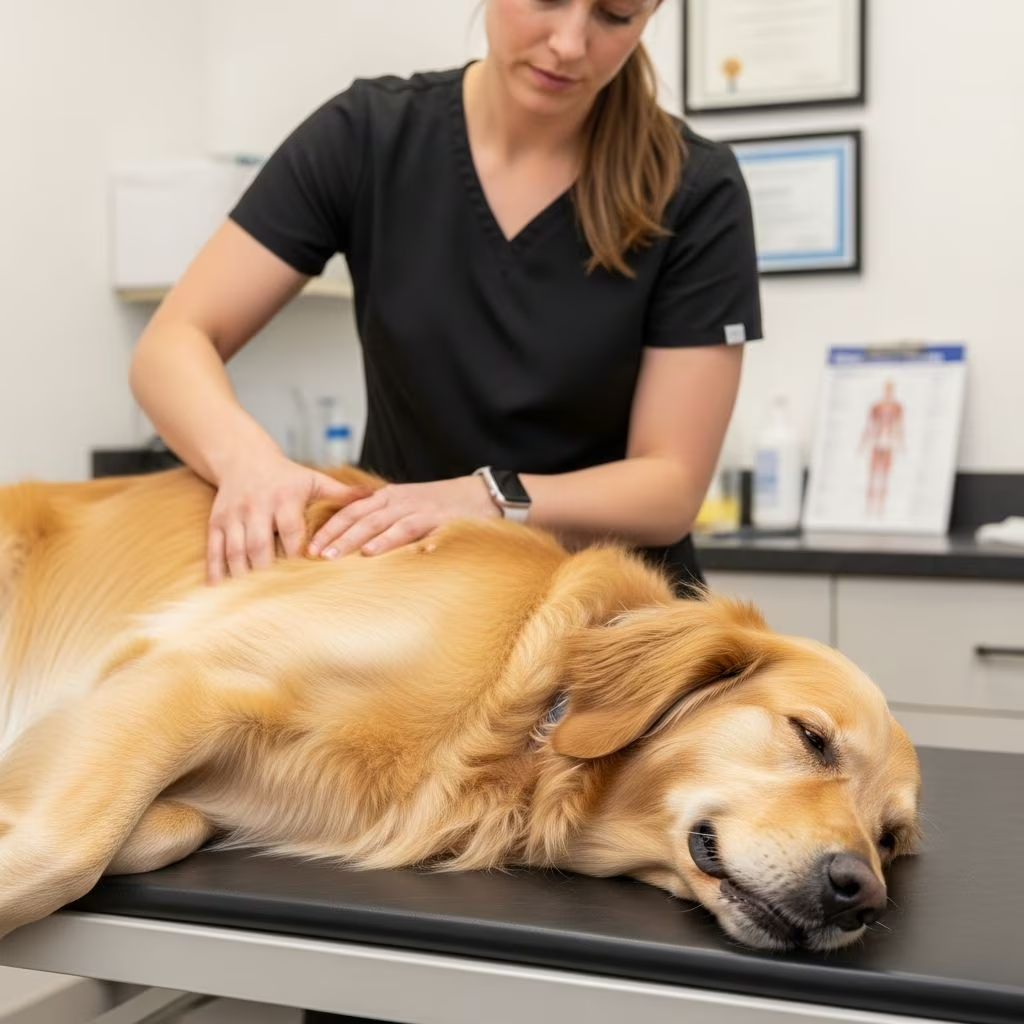
Chiropractic care for dogs involves gentle spinal and joint manipulations to restore alignment, enhance mobility, and alleviate discomfort. This therapy proves particularly valuable for dogs showing signs of musculoskeletal imbalance, helping them regain vitality without relying solely on medications.
Recognizing Signs Your Dog May Need Spinal Adjustments
Observant pet owners often notice subtle changes in their dog’s behavior or movement that signal potential benefits from chiropractic intervention. These indicators stem from misalignments or restrictions in the spine and joints, which can arise from daily activities, injuries, or aging.
- Altered gait or limping: Uneven steps, hesitation during turns, or favoring one side suggest joint or spinal issues affecting natural movement.
- Resistance to play or exercise: A once-energetic dog that avoids jumping, running, or climbing stairs may be experiencing hidden pain.
- Stiffness after rest: Difficulty rising from lying down or reluctance to stretch indicates restricted joint function.
- Sensitivity to touch: Flinching, yelping, or guarding specific areas when petted points to nerve irritation or muscle tension.
- Changes in posture: Hunched back, head tilting, or uneven hips reflect compensatory adjustments to discomfort.
These symptoms frequently appear in active breeds like Border Collies or Labrador Retrievers involved in agility or hunting, as well as older dogs battling arthritis. Early detection allows for timely care, preventing minor issues from escalating.
Ideal Candidates for Dog Chiropractic Therapy
Not every dog requires chiropractic adjustments, but certain profiles respond exceptionally well. Working dogs, athletes, and seniors often see the most dramatic improvements.
| Dog Type | Common Issues | Potential Gains |
|---|---|---|
| Performance/Working Dogs | Repetitive strain, poor biomechanics | Enhanced agility, injury prevention |
| Senior Dogs | Arthritis, degenerative joint disease | Increased comfort, better mobility |
| Injury Recovery | Post-surgery, trauma | Faster healing, reduced inflammation |
| Breeds Prone to Spinal Problems | Hip dysplasia, disc disease | Pain relief, improved nerve function |
Chiropractic supports conditions like intervertebral disc disease, hip dysplasia, and osteoarthritis by improving joint mobility and nerve communication. For performance dogs, it optimizes gait and balance, extending career longevity.
Key Benefits of Chiropractic Adjustments for Canines
Regular sessions yield multifaceted improvements, addressing both immediate relief and long-term health.
- Enhanced mobility: Adjustments restore range of motion, leading to smoother strides and easier navigation of obstacles.
- Natural pain management: By reducing nerve pressure and inflammation, dogs experience less chronic discomfort without drugs.
- Boosted overall function: Better spinal alignment supports organ health via improved nerve signals and strengthens immunity.
- Accelerated recovery: Post-injury or surgical dogs heal quicker with optimized biomechanics.
- Preventive care: Routine check-ups maintain peak condition, especially for breeds susceptible to joint woes.
Owners report dogs becoming more playful and energetic post-treatment, with geriatric pets showing renewed stamina. Scientific backing includes low complication rates under 0.01% in trained hands.
Understanding the Risks and Safety Measures
While benefits abound, chiropractic carries minimal risks when protocols are followed. Transparency about potential downsides empowers informed decisions.
Mild, transient effects include 24-48 hours of soreness, fatigue, or increased thirst as the body adapts. Serious issues like fractures or worsened conditions are exceedingly rare (<0.01%) but tied to improper application or undiagnosed problems.
Contraindications include:
- Fractures, infections, or tumors
- Uncontrolled metabolic disorders like diabetes
- Acute inflammation or instability
- Puppies under 6-12 months, whose skeletons are developing
Safety hinges on certified practitioners who screen thoroughly and collaborate with veterinarians. Light exercise post-session minimizes strain.
How to Select a Qualified Canine Chiropractor
Credentials distinguish effective care from risky attempts. Seek professionals with veterinary chiropractic certification from bodies like the American Veterinary Chiropractic Association (AVCA) or International Veterinary Chiropractic Association (IVCA).
- Verify training: DVM plus 210+ hours of animal-specific chiropractic education.
- Check experience: Preference for those treating hundreds of cases annually.
- Ensure vet collaboration: They should require or inform your primary vet.
- Observe facility: Clean, calm environments with diagnostic tools.
- Review testimonials: Focus on measurable outcomes like gait videos.
Initial visits involve full assessments: gait analysis, palpation, and neurological checks to tailor plans. Sessions last 15-30 minutes, with frequencies from weekly to monthly.
Integrating Chiropractic into Routine Canine Wellness
Chiropractic shines as a complement to conventional care, not a replacement. Combine with weight management, physical therapy, and nutrition for holistic results.
For active dogs, schedule bi-monthly maintenance; seniors may need monthly tune-ups. Track progress via home videos of movement to gauge efficacy.
Cost varies ($50-150/session), but many see value in sustained quality of life. Always start with a veterinary exam to rule out contraindications.
FAQs on Dog Chiropractic Care
How many sessions does my dog need?
Typically 4-6 initial treatments, then maintenance as needed based on response.
Is it painful?
Most dogs relax during adjustments; mild soreness may follow but fades quickly.
Can all breeds benefit?
Yes, from Chihuahuas to Great Danes, adjusted for size and condition.
What if my dog resists?
Gentle approaches build trust; sedation is rarely used.
How does it differ from massage?
Chiropractic targets joint subluxations for alignment, while massage relieves muscle tension.
Real-World Outcomes and Owner Insights
Dogs like aging Retrievers regain stair-climbing ability, while agility stars achieve smoother turns. Studies affirm gait improvements and pain reduction immediately post-adjustment. Owners value the drug-free path to vitality.
References
- Is Dog Chiropractic Safe? Veterinary Safety Guide — Tail Schiro Care. 2023. https://tailschirocare.com/is-dog-chiropractic-safe/
- Ensuring the Safety of Chiropractic Care for Small Dog Breeds — Mill Plain Veterinary. 2024-06-30. https://www.millplainvet.com/site/blog/2024/06/30/chiropractic-care-small-dogs-breeds
- When to See a Dog Chiropractor and What They Can Do — PetMD. 2023. https://www.petmd.com/dog/when-see-dog-chiropractor-and-what-they-can-do
- Chiropractic Care for Pets: Updated Benefits and Uses in 2024 — Marina Village Vet. 2024. https://marinavillagevet.com/chiropractic-care-for-pets/
- Chiropractic Care for Dogs: Everything You Need to Know — American Kennel Club. 2023. https://www.akc.org/expert-advice/health/chiropractic-care-for-dogs/
- Is Chiropractic Right for Your Pet? — Back on Track Vet. 2018-06-03. https://backontrackvet.com/news/2018/6/3/is-chiropractic-right-for-your-pet
- Chiropractic Adjustment for Animals — University of Illinois College of Veterinary Medicine. 2023. https://vetmed.illinois.edu/pet-health-columns/chiropractic-adjustment-animals/



