

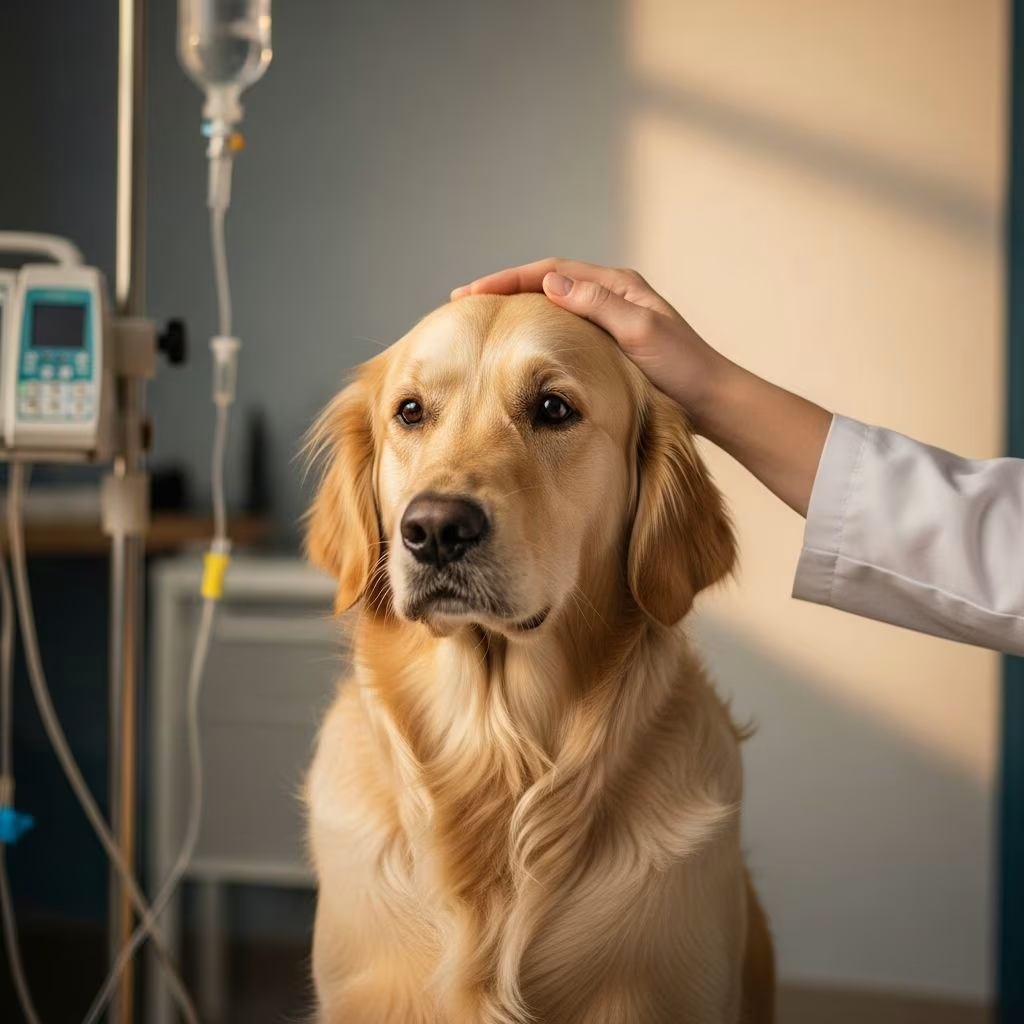
Understanding the financial commitment involved in canine chemotherapy is crucial for pet owners navigating a cancer diagnosis in their dogs. Treatment costs can vary widely based on the cancer type, protocol selected, and clinic location, typically ranging from $3,000 to $10,000 for a full course. This guide breaks down expenses, factors influencing pricing, and practical strategies to manage them while prioritizing your dog’s quality of life.
Why Chemotherapy Matters for Dogs with Cancer
Chemotherapy targets rapidly dividing cancer cells, offering remission rates of 80-90% for conditions like multicentric lymphoma in dogs using protocols such as CHOP (Cyclophosphamide, Doxorubicin, Vincristine, Prednisone). Unlike human treatments that push maximum tolerated doses, veterinary approaches use lower doses to minimize side effects, allowing most dogs to maintain normal activities with less than 5% experiencing severe complications.
Common cancers treated include lymphoma, mast cell tumors, hemangiosarcoma, and osteosarcoma. For lymphoma, the most responsive, multi-agent protocols extend median survival significantly, often achieving complete remission. These therapies can add months to years of comfortable life, making cost discussions essential early in planning.
Factors Driving Chemotherapy Expenses
Several elements determine the total outlay for canine chemo. Initial diagnostics like biopsies, bloodwork, and imaging (ultrasound, X-rays, CT scans) add $1,000-$3,000 upfront. Ongoing monitoring, including complete blood counts (CBC) and chemistry panels before each dose, contributes another $200-$500 per visit.
- Treatment Protocol: Single-agent therapies (e.g., doxorubicin) cost less per session ($400-$800) than multi-drug regimens like CHOP ($600-$1,500 per cycle).
- Drug Administration: IV infusions require clinic time, adding $100-$300 in facility fees; oral meds reduce this but need compliance monitoring.
- Geographic Variation: Urban specialty centers charge 20-50% more than rural clinics due to overhead.
- Dog Size and Health: Larger breeds or those with comorbidities may need dose adjustments, increasing costs by 10-30%.
- Supportive Care: Anti-nausea drugs, hepato-protectants like Denamarin for CCNU protocols, and hydration therapies add $50-$200 monthly.
Protocols span 15-25 weeks, with 12-19 sessions common, pushing totals higher for relapsed cases requiring rescue regimens like MOPP.
Breaking Down Costs by Common Protocols
Here’s a detailed cost overview for prevalent canine chemo plans, based on university and specialty center data. Prices are averages; consult your vet for personalized quotes.
| Protocol | Cancers Treated | Duration/Sessions | Avg. Cost per Cycle | Total Estimated Cost |
|---|---|---|---|---|
| CHOP | Lymphoma (multicentric) | 15-25 weeks / 15-19 doses | $600-$1,500 | $6,000-$12,000 |
| Doxorubicin (single-agent) | Lymphoma, hemangiosarcoma | 4-6 weeks / Weekly | $400-$800 | $2,500-$5,000 |
| CCNU/Lomustine | Mast cell tumors, T-cell lymphoma | Every 3-6 weeks / 4-8 cycles | $500-$1,000 | $3,000-$6,000 |
| MOPP (rescue) | Relapsed lymphoma | 4.5-6 months / 6-8 cycles | $700-$1,200 | $5,000-$8,000 |
| Carboplatin | Osteosarcoma, carcinomas | Every 3 weeks / 4-6 doses | $500-$900 | $3,000-$5,500 |
These figures exclude diagnostics and supportive care, which can inflate totals by 20-40%. For feline adaptations, expect similar pricing but lower remission rates (38% complete response).
Managing Side Effects and Additional Expenses
While canine chemo is well-tolerated, side effects like vomiting (10-20% incidence), diarrhea, or low white blood cell counts necessitate interventions. Appetite stimulants, antibiotics, and hospitalization for neutropenia add $300-$1,000 per episode. Pre-treatment bloodwork ensures safety, preventing hepatotoxicity from agents like CCNU.
Owners should budget for home care: special diets ($50-$100/month), pain relief, and environmental cleaning to avoid exposure risks. Safety protocols include wearing gloves for oral meds and monitoring IV sites for swelling.
Financial Planning and Assistance Options
Affording chemo requires proactive strategies. Pet insurance with wellness riders covers 70-90% if pre-existing conditions are excluded; otherwise, seek specialty plans. Charitable organizations like The Pet Fund or Magic Bullet Fund offer grants for oncology, prioritizing low-income families.
- Payment plans via CareCredit or clinic financing spread costs interest-free.
- Crowdfunding on GoFundMe has raised thousands for pet treatments.
- Discuss cost-effective alternatives like single-agent therapy or palliative care with your oncologist.
University veterinary hospitals often provide sliding-scale fees or research trial access, slashing costs by 30-50% while advancing care.
Realistic Expectations: Outcomes vs. Investment
For high-grade lymphoma, CHOP yields 80-90% remission, with median survival of 10-14 months. Rescue protocols like MOPP achieve 31% second remission, averaging 2 months. Success hinges on early detection, substage, and immunophenotype (B-cell responds better).
Quality of life metrics guide continuation: if your dog plays, eats, and engages normally between cycles, the investment aligns with benefits. Track via oncology apps or journals for vet discussions.
FAQs on Canine Chemotherapy Costs
How much does one chemo session cost for dogs?
Typically $400-$1,500, depending on drugs and clinic.
Is dog chemotherapy worth the money?
For responsive cancers like lymphoma, yes—extending life comfortably for many months.
Does pet insurance cover chemo?
Many plans do, up to 90%, but check exclusions for cancer.
What if my dog relapses after CHOP?
Rescue options like MOPP or targeted therapies add $5,000+, with variable success.
Are there cheaper alternatives to specialty chemo?
General vets may administer basic protocols; trials offer free care.
Choosing the Right Oncology Team
Board-certified veterinary oncologists at centers like UW Veterinary Care customize plans, consulting primary vets for seamless care. Facilities with in-house labs reduce transport costs. Ask about protocol success rates, side effect stats, and total estimates upfront.
Genetic factors like MDR1 mutations in herding breeds may alter drug choices, avoiding toxicity. Comprehensive staging ensures targeted, cost-efficient therapy.
References
- Chemotherapy Protocols – UW Veterinary Care — University of Wisconsin Veterinary Care. 2023. https://uwveterinarycare.wisc.edu/small-animal/cats-and-dogs/oncology/chemotherapy-protocols/
- Chemotherapy in Dogs: How Does This Treatment Work? — Veterinary Specialty Center. 2024. https://www.vetspecialty.com/blog/chemotherapy-in-dogs/
- How to Know What the Best Chemotherapy Treatment Is for Your Dog — ImpriMed. 2024. https://www.imprimedicine.com/blog/chemotherapy-treatment
- What to Know About Chemotherapy for Dogs With Cancer — American Kennel Club. 2025-02-10. https://www.akc.org/expert-advice/health/chemotherapy-for-dogs/
- Chemotherapy: Managing side effects and safe handling — PMC (PubMed Central). 2009. https://pmc.ncbi.nlm.nih.gov/articles/PMC2684058/
- Therapeutic Modalities: Chemotherapy — AAHA Oncology Guidelines. 2026. https://www.aaha.org/resources/2026-aaha-oncology-guidelines-for-dogs-and-cats/section-5-therapeutic-interventions/therapeutic-modalities-chemotherapy/



