

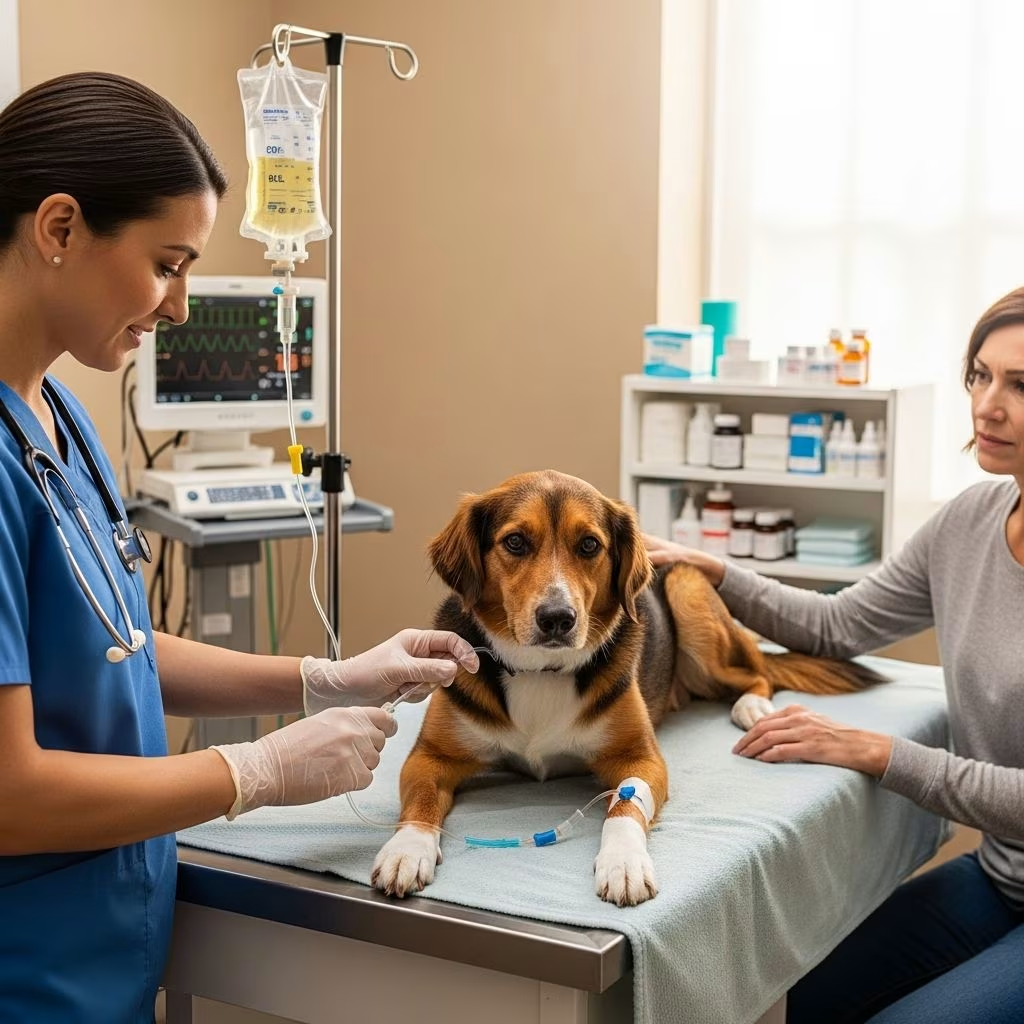
Chemotherapy offers dogs with cancer a vital pathway to remission and improved quality of life, targeting rapidly dividing cancer cells systemically through the bloodstream.
Understanding Cancer in Dogs and Chemo’s Role
Cancers such as lymphoma, osteosarcoma, and hemangiosarcoma frequently prompt veterinary oncologists to recommend chemotherapy, especially when tumors have metastasized. Unlike human treatments, canine chemo prioritizes life quality over aggressive cures, with remission rates exceeding 80% for certain lymphomas using multi-drug regimens.
These therapies disrupt cancer cell division while sparing most healthy tissues, as normal cells recover faster. Protocols are tailored to cancer type, stage, and the dog’s overall condition, often combining surgery, radiation, or immunotherapy for comprehensive care.
Common Chemotherapy Protocols for Dogs
Standard protocols like CHOP—comprising Cyclophosphamide, Hydroxydaunorubicin (doxorubicin), Oncovin (vincristine), and Prednisone—dominate lymphoma treatment, achieving remissions lasting 8 months or more in B-cell cases. This 19-25 week cycle involves weekly injections initially, with rest periods to reduce toxicity.
| Week | Treatments |
|---|---|
| 1 | CBC + Vincristine + Prednisone |
| 2 | CBC + Cyclophosphamide + Prednisone + Furosemide |
| 3 | CBC + Vincristine + Prednisone |
| 4 | CBC + Doxorubicin + Prednisone |
| 5 | CBC (neutrophil check) |
Alternatives include single-agent doxorubicin or FDA-approved rabacfosadine (Tanovea), administered every three weeks for five doses, ideal for owners with scheduling constraints. These yield 6+ month remissions with fewer visits.
Metronomic chemotherapy, using low daily doses, inhibits tumor blood vessel growth and suits maintenance phases or less aggressive cancers.
Step-by-Step Treatment Journey
The process begins with an oncology consultation reviewing diagnostics like biopsies, staging scans, and bloodwork to customize a protocol aligning with owner goals—remission duration versus minimal intervention.
Treatment days are outpatient: arrive for blood tests confirming safe cell counts, then receive drugs via IV (10-30 minutes), subcutaneous injection, or oral pills. No sedation is typically needed, and dogs return home acting normally.
- Pre-treatment: Vital checks and labs.
- Administration: Bolus IV, drip, or home orals.
- Post-treatment: Monitoring for immediate reactions; resume routines.
Cycles repeat over weeks to months; lymphoma’s UW-25 or CHOP spans 6 months, with lifelong low-dose options possible post-remission.
Drugs Commonly Used in Canine Chemo
Veterinarians select from a arsenal including:
- Vincristine: Weekly IV for rapid lymphoma response.
- Cyclophosphamide: Bladder-protective with diuretics.
- Doxorubicin: Potent but cardiotoxic; lifetime limits apply.
- Lomustine: Oral rescue agent.
- Prednisone: Anti-inflammatory steroid adjunct.
Rescue options post-relapse encompass LAP, LOPP, or Tanovea, though second remissions shorten.
Navigating Side Effects and Prevention
Only 10-20% of dogs experience notable effects, far milder than in humans—no hair loss in most breeds, minimal nausea. Key risks include:
| Drug | Side Effect | Management |
|---|---|---|
| Cyclophosphamide | Hemorrhagic cystitis | Furosemide, frequent urination, ample water |
| Doxorubicin | Cardiotoxicity, vein damage | ECG screening, slow infusion, dose caps |
| Vincristine | Constipation | Stool softeners, hydration |
Neutropenia (low white cells) prompts treatment delays; monitor via weekly CBCs. GI upset responds to anti-nausea meds like maropitant.
Owner Responsibilities During Treatment
Hygiene is paramount: wear gloves handling urine/vomit 72 hours post-treatment to avoid exposure. Provide soft foods, ensure hydration, and track appetite/behavior.
- Daily walks for bladder health.
- Avoid raw diets to prevent infections.
- Report lethargy, diarrhea, or bleeding promptly.
Emotional support sustains bonds; many dogs maintain playfulness throughout.
Monitoring Progress and Relapse Indicators
Regular ultrasounds and lymph node measurements gauge remission. T-cell lymphomas or advanced stages predict shorter responses. Relapse signs—node swelling, lethargy—may warrant re-induction or novel drugs like vinblastine.
Success metrics: 80-90% initial remission for multicentric lymphoma, median survival 10-12 months with CHOP.
Costs, Success Rates, and Alternatives
Protocols range $3,000-$8,000, factoring drugs, visits, monitoring. Palliative care or prednisone alone suits some budgets, extending life modestly.
Radiation targets localized disease; bone marrow transplants are rare. Immunotherapies emerge as adjuncts.
FAQs on Dog Chemotherapy
Will my dog lose hair? No, except breeds like Poodles; fur thins at most.
Is hospitalization common? Rarely; 95% outpatient.
How effective is it for lymphoma? 80%+ remission; 1-year survival possible.
Can I pet my dog during treatment? Yes, safely after 72-hour excretion window.
What if relapse occurs? Rescue protocols extend quality time.
Long-Term Outlook and Quality of Life
Post-treatment, survivors often thrive 1-2 years; focus shifts to wellness. Nutrition, exercise, and check-ups sustain gains. Owners report enriched bonds, with dogs enjoying hikes and play.
Decisions balance extension versus comfort; consult oncology teams for data-driven choices.
References
- Chemotherapy for Canine Lymphoma: A Quick Guide for Veterinarians — The Vetiverse. 2023. https://www.thevetiverse.com/en/latest/chemotherapy-for-canine-lymphoma-a-quick-guide-for-veterinarians/
- Chemotherapy for Dogs: How It Can Help Dogs With Cancer — Midtown Veterinary Practice. 2023. https://midtownveterinarypractice.com/blog/chemotherapy-for-dogs/
- Cancer Treatment for Pets: A Guide to Chemotherapy — DoveLewis. 2023. https://www.dovelewis.org/blog/cancer-treatment-pets-guide-chemotherapy
- What to Know About Chemotherapy for Dogs With Cancer — American Kennel Club (AKC). 2023. https://www.akc.org/expert-advice/health/chemotherapy-for-dogs/
- Chemotherapy — VCA Animal Hospitals. 2023. https://vcahospitals.com/know-your-pet/chemotherapy
- How do we give chemo to our dog and cat patients? — Dr Sue Cancer Vet (YouTube). 2023. https://www.youtube.com/watch?v=FW0jwV_P0UQ



