

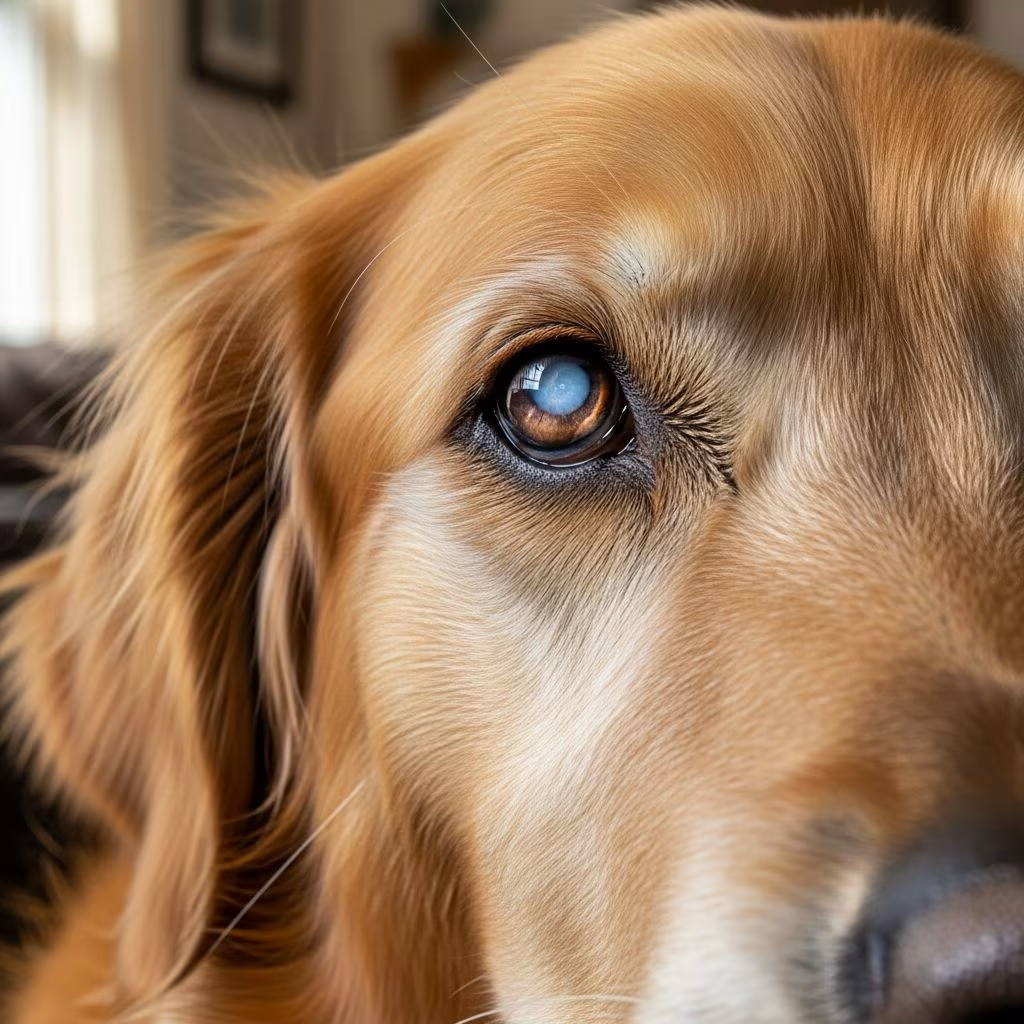
Cataracts in dogs occur when the lens of the eye becomes cloudy, obstructing light from reaching the retina and potentially leading to vision impairment or blindness. This condition affects dogs of all ages and breeds, with early detection and treatment being crucial for preserving vision.
What Are Canine Cataracts?
The lens of a dog’s eye is normally clear and flexible, focusing light onto the retina to create sharp images. In cataracts, proteins within the lens break down or water balance changes, causing cloudiness that appears as a milky white, blue, or gray haze in the pupil. Immature cataracts partially obscure vision, while mature or hypermature ones can lead to complete blindness, resembling a white disk behind the iris.
Unlike nuclear sclerosis—a common age-related haze that minimally affects vision—cataracts progressively block light transmission. Veterinary ophthalmologists distinguish them via specialized exams.
Causes of Cataracts in Dogs
Cataracts arise from multiple factors, with genetics being the most prevalent, followed by metabolic issues like diabetes. Understanding the cause guides treatment and prognosis.
Genetics and Hereditary Factors
Hereditary cataracts are the leading cause, often appearing in young dogs (even puppies) and progressing slowly. Breeds predisposed include Bichon Frises, Miniature Schnauzers, Boston Terriers, Poodles, American Cocker Spaniels, and Labrador Retrievers. Affected dogs should not be bred to prevent passing the trait.
Diabetes Mellitus
Diabetic dogs have a high risk, with nearly all developing cataracts within a year of diagnosis. Elevated blood sugar converts glucose to sorbitol in the lens, drawing water that swells and opacifies it. These cataracts form rapidly—sometimes in days—leading to sudden blindness.
Eye Diseases and Inflammation
- Uveitis: Chronic inflammation damages the lens.
- Glaucoma: High intraocular pressure harms lens and retina.
- Progressive Retinal Atrophy (PRA): Retinal degeneration releases chemicals causing lens inflammation.
Trauma and Injury
Physical damage from scratches, punctures, or blunt force can traumatize the lens capsule, triggering cataracts. This often leads to secondary uveitis, worsening the condition.
Other Causes
Rarer factors include aging (slow-onset in seniors), nutritional deficiencies in puppies, toxin exposure, and prolonged corticosteroid use. Old age causes lens protein changes, but dogs adapt gradually.
Symptoms of Cataracts in Dogs
Early signs are subtle, but progression reveals clear indicators. Monitor for changes in one or both eyes.
- Cloudy or Bluish Eyes: Visible opacity in the pupil, progressing from small spots to full haze.
- Vision Loss: Bumping into objects, hesitation on stairs, reluctance to jump, or widened stance.
- Eye Irritation: Redness, discharge, squinting, pawing at eyes (if secondary inflammation).
- Behavioral Changes: Anxiety, disorientation (especially in low light), clumsiness.
- Diabetes-Related Signs: Increased thirst, urination, weight loss alongside rapid cataract onset.
Not all cloudy eyes indicate cataracts; rule out corneal issues or nuclear sclerosis with a vet exam.
Are Dogs in Pain with Cataracts?
Cataracts themselves are painless, affecting only vision. Pain arises from complications like uveitis, glaucoma, lens-induced uveitis (LIU), or inflammation from lens protein leakage. Signs include squinting, tearing, redness, or pawing. Hypermature cataracts risk lens dislocation or secondary glaucoma, which is excruciating and hard to manage medically.
Diagnosis of Canine Cataracts
Vets perform a comprehensive ophthalmic exam, including pupillary dilation, slit-lamp biomicroscopy, and tonometry for pressure. Fluorescein staining checks for ulcers. Pre-surgical evaluations assess overall health, retina function (via electroretinography), and rule out contraindications like advanced retinal disease.
Ultrasound imaging evaluates lens and posterior segments if cataracts obscure views. Bloodwork screens for diabetes.
Treatment Options for Canine Cataracts
No medications dissolve cataracts; surgery offers the best vision restoration. Manage underlying causes and complications medically.
Surgical Treatment: Phacoemulsification
The gold standard, performed by board-certified veterinary ophthalmologists. Ultrasonic waves emulsify the cloudy lens, fragments are aspirated, and an artificial intraocular lens (IOL) is implanted to focus light. Success rates exceed 90% in eligible candidates, with dogs resuming normal activities post-recovery.
Candidates must have healthy retinas and no severe comorbidities. Pre-op: Stabilize diabetes, treat infections. Post-op: Anti-inflammatory drops, e-collars, activity restriction (2-4 weeks), follow-ups.
| Factor | Surgical Success Rate | Key Considerations |
|---|---|---|
| Healthy Eyes | 95%+ | Optimal vision restoration |
| Diabetic Dogs | 80-90% | Requires stable blood sugar |
| Retinal Disease | Poor | Surgery contraindicated |
Non-Surgical Management
For inoperable cases (e.g., seniors, poor health): Anti-inflammatory drops (corticosteroids like Prednefrin or NSAIDs like Voltaren) control LIU and prevent glaucoma. Monitor for ulcers; frequent rechecks needed. Antioxidants may delay diabetic cataracts—consult vets.
Enucleation (eye removal) for painful, blind glaucomatous eyes.
Recovery After Cataract Surgery
Expect 1-2 weeks of redness/swelling, improving with drops. Full vision stabilizes in 4-8 weeks. Complications (5-10%): Inflammation, glaucoma, retinal detachment—promptly addressable. Most dogs regain excellent vision and quality of life.
- Administer meds as prescribed.
- Prevent rubbing (cone mandatory).
- Avoid swimming/dust for 1 month.
- Attend all rechecks.
Prevention and Management Tips
Prevent via breeding restrictions for genetic lines, tight diabetes control (insulin, diet), eye protection from trauma, and routine senior exams. Early intervention prevents complications.
Frequently Asked Questions (FAQs)
What breeds are prone to cataracts?
High-risk breeds: Bichon Frise, Miniature Schnauzer, Boston Terrier, Poodle, Cocker Spaniel.
Can diabetic cataracts be prevented?
Strict blood sugar control and antioxidants may delay onset; surgery remains primary treatment.
Is cataract surgery safe for dogs?
Yes, with 90%+ success in suitable candidates; risks are low with specialists.
What if surgery isn’t an option?
Manage with drops to control inflammation and pain; dogs adapt well to blindness.
How quickly do cataracts progress?
Genetic: Slowly; diabetic: Days to weeks.
References
- Cataracts in Dogs: Causes, Symptoms, and Treatment — Noble Vet Clinic. 2023. https://noblevetclinic.com/blog/cataracts-in-dogs
- Cataracts in Dogs: Signs, Causes, Diagnosis, and Treatment — Best Friends Animal Society. 2024. https://bestfriends.org/pet-care-resources/cataracts-dogs-signs-causes-diagnosis-and-treatment
- Cataracts in Dogs — PDSA. 2024-07-01. https://www.pdsa.org.uk/pet-help-and-advice/pet-health-hub/conditions/cataracts-in-dogs
- Diagnosis & Treatment of Canine Cataracts — PetVet Care Centers. 2020-03-09. https://www.petvetcarecenters.com/site/blog/2020/03/09/diagnosis-treatment-canine-cataracts
- Cataracts in Dogs: Signs, Causes, and Treatment — PetMD. 2024. https://www.petmd.com/dog/conditions/eye/c_dg_cataract
- Cataracts in Dogs — VCA Animal Hospitals. 2024. https://vcahospitals.com/know-your-pet/cataracts-in-dogs
- Canine Cataracts — Cornell University College of Veterinary Medicine. 2024. https://www.vet.cornell.edu/departments-centers-and-institutes/riney-canine-health-center/canine-health-topics/canine-cataracts



