

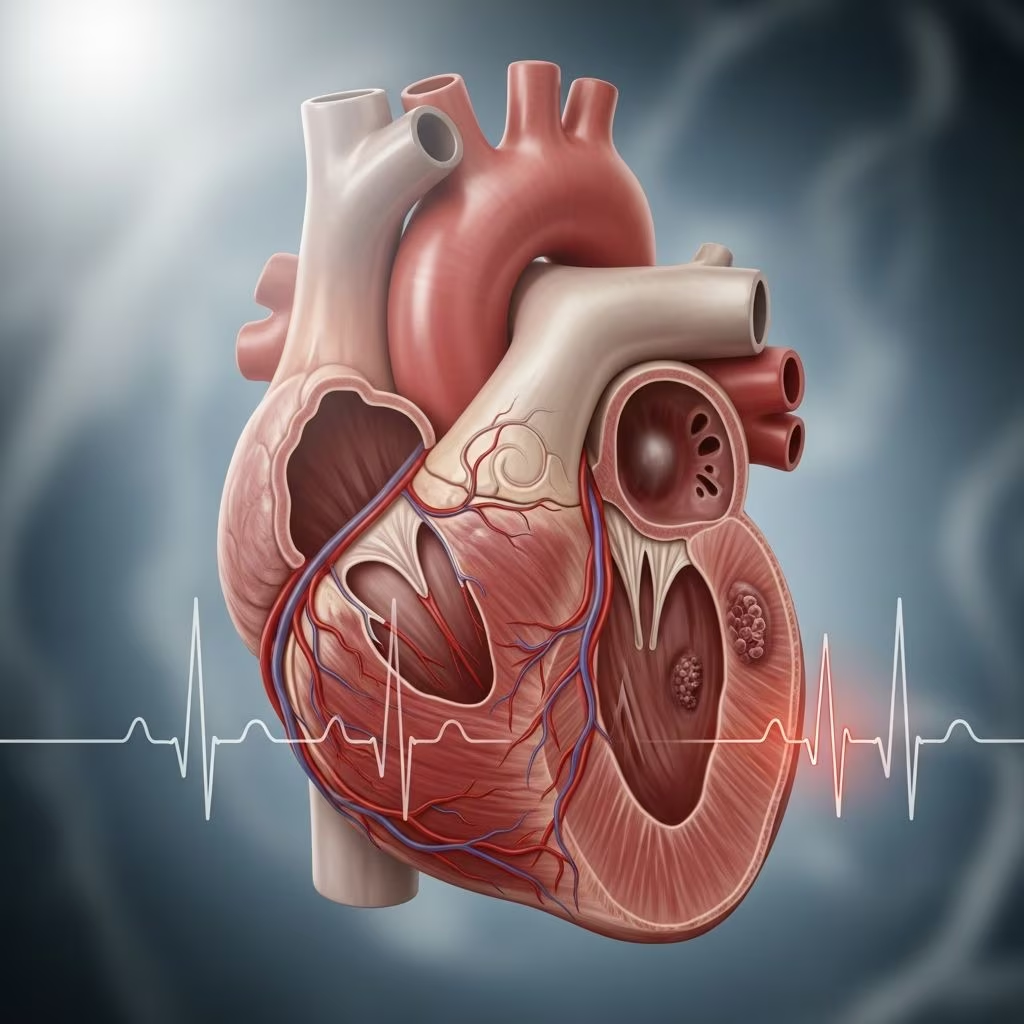
Heart issues represent a leading health concern for dogs, impacting their energy, breathing, and overall vitality. These conditions range from congenital anomalies to age-related degeneration, often progressing silently until advanced stages. Early recognition and intervention can significantly extend life expectancy and improve comfort.
Primary Types of Heart Problems in Dogs
Dogs experience various cardiac disorders, each with distinct mechanisms and breed predispositions. Small breeds frequently develop valve insufficiencies, while larger ones face muscle weakening.
- Valve Insufficiency: The mitral valve, separating left atrium and ventricle, commonly degenerates, causing blood leakage and chamber enlargement.
- Cardiomyopathy: Heart muscle dilation impairs pumping efficiency, prevalent in giants like Great Danes.
- Pericardial Effusion: Fluid accumulation around the heart restricts motion, demanding urgent drainage.
- Congenital Defects: Holes between chambers or narrowed vessels present from birth, sometimes correctable surgically.
These disorders disrupt normal blood flow, leading to fluid buildup and oxygen deficits if untreated.
Root Causes Behind Canine Heart Disorders
Multiple factors contribute to cardiac decline in dogs. Genetic blueprints dictate susceptibility, with certain lineages inherently vulnerable.
| Cause Category | Description | Common Examples |
|---|---|---|
| Genetic | Inherited weaknesses in muscle or valves | Dobermans (DCM), Cavaliers (MVD) |
| Infectious | Parasites or bacteria invading heart tissue | Heartworms, endocarditis |
| Nutritional | Deficiencies weakening myocardium | Taurine/carnitine shortages, grain-free diet links |
| Acquired | Aging, toxins, or metabolic imbalances | Thyroid disorders, hypertension |
Parasitic invasions like heartworms obstruct vessels, while bacterial endocarditis inflames valves from oral infections. Nutritional gaps, especially in diets lacking trials, have emerged as concerns for muscle health.
Recognizing Early Indicators of Cardiac Distress
Subtle cues often precede overt failure. Vigilant owners spot changes in daily behavior.
- Persistent coughing, especially post-exertion or nocturnally.
- Labored respiration or rapid breathing at rest.
- Reduced stamina during play or walks.
- Fainting spells or weakness episodes.
- Potbelly from abdominal fluid.
- Bluish gums signaling poor oxygenation.
As conditions worsen, appetite loss, weight reduction, and restlessness emerge. Monitoring resting respiratory rates—under 30 breaths per minute is ideal—helps track progression.
Diagnostic Approaches for Accurate Assessment
Veterinarians employ multifaceted tools to pinpoint issues. A thorough exam starts with auscultation for murmurs or irregular rhythms.
- Echocardiography: Ultrasound visualizes chamber sizes, valve function, and ejection fractions.
- Radiography: Chest X-rays reveal enlargements, fluid, or vessel issues.
- Electrocardiography (ECG): Detects arrhythmias via electrical tracing.
- Blood Panels: Check cardiac biomarkers like NT-proBNP for strain indicators.
- Heartworm Testing: Antigen detection confirms parasitic presence.
Advanced cases may involve Holter monitoring for intermittent irregularities or cardiac catheterization for pressures.
Therapeutic Strategies to Manage and Stabilize
Treatment targets underlying pathology and symptom relief. No cure exists for most degenerative forms, but management prolongs life.
Pharmacological Interventions:
- Diuretics (e.g., furosemide): Eliminate pulmonary and body fluids.
- Inodilators (pimobendan): Boost contractility and dilate vessels, extending survival.
- ACE Inhibitors (enalapril, benazepril): Lower pressure, protect remodeling.
- Antiarrhythmics (sotalol): Stabilize rhythms in at-risk cases.
- Anticoagulants: Prevent clots in dilated hearts.
Procedural Options: Balloon valvuloplasty widens stenotic valves; pericardiocentesis drains effusions; surgeries patch septal defects in select congenital cases.
Dietary shifts to low-sodium formulas reduce fluid retention. Supplements like taurine address deficiencies in responsive cardiomyopathies. Exercise moderation prevents overload while maintaining muscle tone.
Lifestyle Modifications for Cardiac Support
Beyond meds, holistic adjustments fortify heart function. Weight control via calorie-appropriate feeding averts strain. Low-salt kibble minimizes edema risks.
- Avoid strenuous activities; opt for gentle leashed walks.
- Prevent heat exposure to ease respiratory demands.
- Yearly heartworm preventives guard against vascular sabotage.
- Regular veterinary checkups track biomarkers and echoes.
Stress reduction through routine fosters stability. Owners logging daily breathing rates empower proactive dose tweaks.
Breed-Specific Vulnerabilities and Monitoring
Predispositions guide proactive screening. Cavaliers and Chihuahuas warrant annual auscultations from middle age; Boxers and Dobermans need DCM vigilance.
| Breed Group | Common Condition | Screening Recommendation |
|---|---|---|
| Small Breeds | Mitral Valve Disease | Annual exams post-5 years |
| Large Breeds | Dilated Cardiomyopathy | Echo every 1-2 years |
| Working Breeds | Arrhythmogenic Right Ventricular | Holter monitoring |
Genetic testing identifies carriers, informing breeding choices.
Prognostic Outlook and Quality of Life
Outcomes vary by type and timeliness. Pre-clinical dilated cases on pimobendan gain months to years. Congestive stages yield 6-12 months with optimized therapy. Valve diseases progress slower in small dogs, often spanning years with meds.
End-stage signs—unrelenting dyspnea, collapse—signal humane considerations. Palliative care prioritizes comfort via adjusted diuretics and oxygen.
Preventive Measures to Safeguard Heart Health
Proactive steps mitigate risks. Monthly heartworm preventives eradicate larvae. Balanced nutrition, avoiding unproven grain-free without taurine, supports myocardium. Dental hygiene curbs bacteremia sources. Routine fitness without excess preserves efficiency.
Annual wellness integrates cardiac-focused diagnostics for at-risk seniors.
Frequently Asked Questions
What triggers sudden worsening in stable heart patients?
Arrhythmias, infections, or medication lapses can precipitate crises. Prompt vet contact is crucial.
Can diet alone reverse cardiomyopathy?
In taurine-responsive cases, yes; otherwise, it supplements meds. Consult for tailored plans.
Is surgery viable for most dogs?
Limited to congenital fixes or effusions; degenerative diseases rely on lifelong pharmacology.
How do I track my dog’s condition at home?
Count resting breaths nightly; normal <30/min. Note activity tolerance and gum color.
Are herbal remedies safe?
Unproven and risky with cardiac drugs; stick to vet-approved protocols.
References
- Treatment of Cardiovascular Disease in Dogs — Merck Veterinary Manual. 2023-01-15. https://www.merckvetmanual.com/dog-owners/heart-and-blood-vessel-disorders-of-dogs/treatment-of-cardiovascular-disease-in-dogs
- Heart Disease in Dogs — Cummings School of Veterinary Medicine at Tufts University. 2024-06-01. https://vet.tufts.edu/foster-hospital-small-animals/specialty-services/cardiology/heartsmart/heart-disease-dogs
- Heart Disease in Dogs — VCA Animal Hospitals. 2023-11-20. https://vcahospitals.com/know-your-pet/heart-disease-in-dogs
- Early Signs of Heart Disease in Dogs — Wedgewood Pharmacy. 2023-05-10. https://www.wedgewood.com/blog/early-signs-of-heart-disease-in-dogs/
- Congestive Heart Failure in Dogs: Urgent Signs — GSVS. 2024-02-14. https://gsvs.org/blog/congestive-heart-failure-dogs-urgent-signs/



