

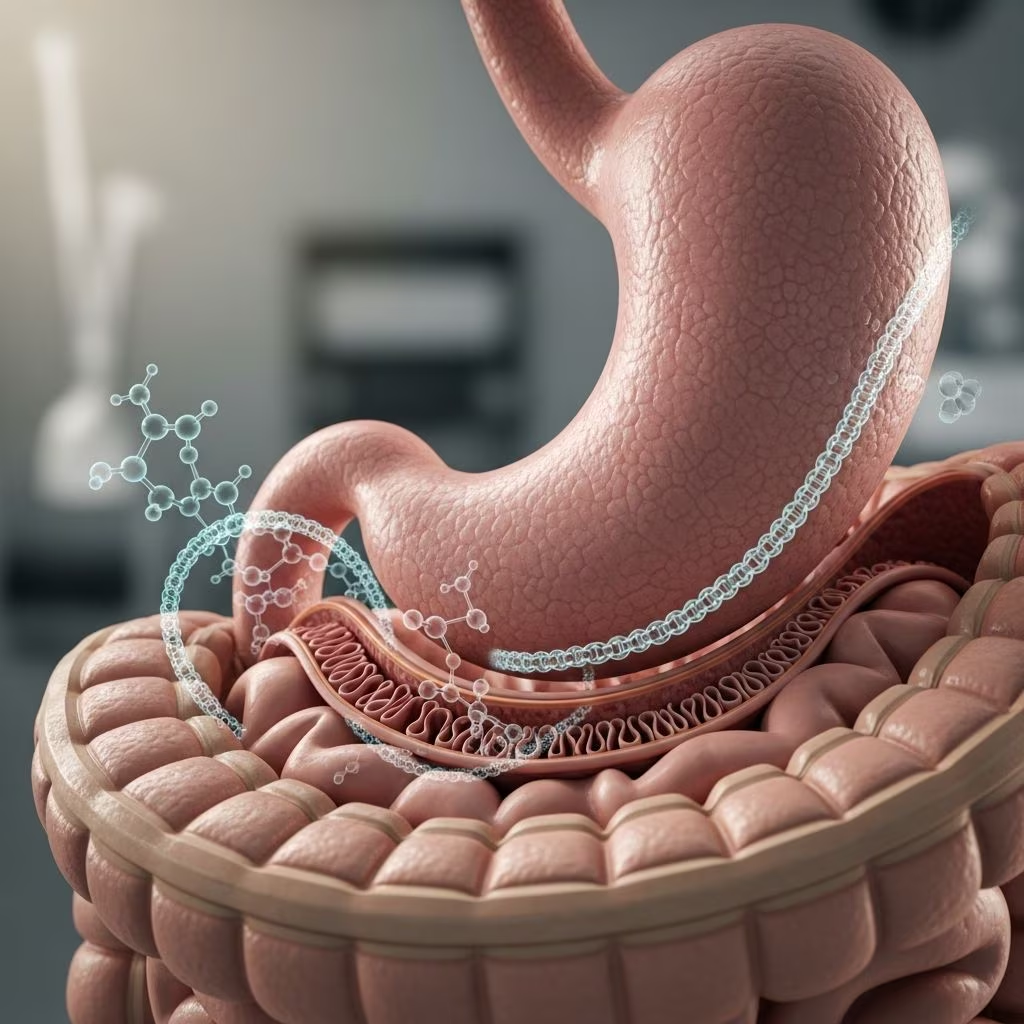
Carbohydrates play a complex role in canine nutrition, serving as an energy source and contributing to various metabolic processes within your dog’s body. However, the way dogs process these nutrients differs significantly from how humans handle them. Understanding these differences is essential for pet owners seeking to optimize their dog’s diet and prevent digestive complications.
The Fundamental Role of Carbohydrates in Canine Metabolism
When dogs consume carbohydrates, their bodies convert them into glucose, which fuels cellular energy production. Beyond energy provision, carbohydrates generate heat during metabolism and produce byproducts that support various bodily functions. This makes them a legitimate component of a balanced canine diet, though not in the quantities typically found in many commercial pet foods.
The key distinction between canine and human carbohydrate metabolism lies in enzymatic capacity. While humans produce substantial amounts of salivary amylase—an enzyme that begins breaking down starches in the mouth—dogs produce minimal quantities of this enzyme in their saliva. This fundamental difference shapes how efficiently dogs can process dietary carbohydrates from the very first stage of digestion.
Enzymatic Capacity: Where Dogs Fall Short
The digestive enzyme system represents one of the most critical differences between canine and human digestive physiology. Dogs rely heavily on their pancreas to produce carbohydrases, the enzymes responsible for breaking down complex carbohydrates into simpler sugars that the body can absorb and utilize.
Genetic factors play a substantial role in determining how many carbohydrases an individual dog can produce. Each type of carbohydrate is associated with specific genes that code for the enzymes needed to break it down. When a dog lacks sufficient genes for producing a particular carbohydrase, they will struggle to digest that specific carbohydrate, regardless of the quantity consumed.
The pancreas must compensate for the lack of salivary enzymes by producing larger quantities of carbohydrases. When dogs consume high-carbohydrate diets—particularly those containing processed grains common in kibble—the pancreas faces increased workload to produce enough enzymes for adequate carbohydrate breakdown.
Pancreatic Stress and Long-Term Health Implications
Research examining the relationship between dietary composition and pancreatic function has revealed concerning patterns in dogs consuming high-carbohydrate diets. Studies comparing raw diets to high-carbohydrate kibble diets demonstrated that dogs fed predominantly kibble showed elevated amylase levels, indicating pancreatic strain.
This elevation in amylase production isn’t merely an inconvenient adaptation; it represents genuine stress on the pancreatic tissue. When the pancreas continuously works at heightened capacity to produce digestive enzymes, the organ becomes increasingly vulnerable to inflammation and dysfunction. Over time, this chronic stress can progress to pancreatitis—a potentially serious condition where pancreatic enzymes are released inappropriately, causing inflammation and damage to the pancreas and surrounding tissues.
Understanding this mechanism helps explain why moderating carbohydrate intake becomes particularly important for certain dogs or those with predispositions to pancreatic issues. The pancreas represents a critical organ system, and its health directly impacts overall canine wellness.
Recommended Carbohydrate Thresholds for Optimal Health
While dogs possess the physiological capacity to digest some carbohydrates, the quantity matters significantly. Pet nutrition experts generally recommend limiting carbohydrate content to appropriate levels based on individual dog needs and health status.
- Dogs can typically tolerate moderate carbohydrate amounts in their diet
- Diets exceeding 30% carbohydrate content may compromise digestive efficiency
- High-carb diets increase risk for bloating, diarrhea, and vomiting
- Excessive carbohydrate consumption often converts to excess blood sugar and subsequent fat storage
- Individual tolerance varies based on genetic enzyme production capacity
The Distinction Between Carbohydrate Types
Not all carbohydrates affect dogs identically. The source and processing method significantly influence how these nutrients impact canine health.
Processed Carbohydrates: Grains that have undergone industrial processing, particularly the extrusion process used in kibble manufacture, become more rapidly digestible. This accelerated digestion causes sharp spikes in blood glucose and insulin levels. Over time, these metabolic peaks increase fat storage and elevate diabetes risk in susceptible dogs.
Whole Food Carbohydrates: Fruits and vegetables, particularly low-glycemic options like berries and leafy greens, provide carbohydrates with a slower digestion rate. These sources cause minimal blood sugar fluctuations and may actually support metabolic health by reducing post-meal glucose and insulin elevation.
The composition of processed carbohydrate sources also matters. Many commercial pet foods contain grain-based carbohydrates that evidence suggests may trigger inflammatory responses in dogs’ digestive systems. This inflammatory effect further stresses the pancreas and gut lining.
Impact on Gut Microbiota and Digestive Health
Beyond immediate digestive concerns, dietary carbohydrate ratios influence the bacterial populations inhabiting a dog’s gastrointestinal tract. Recent research examining how protein-to-carbohydrate ratios affect the canine microbiome revealed that high-carbohydrate diets increase certain bacterial populations while decreasing others.
These bacterial communities play critical roles in nutrient absorption, immune function, and overall digestive health. Diets rich in carbohydrates promote growth of specific bacterial types that excel at fermenting plant material, which can beneficially produce short-chain fatty acids. However, excessive carbohydrate fermentation in the colon may produce excessive gas, leading to bloating and discomfort.
The balance between beneficial fermentation and problematic gas production depends largely on individual tolerance and total carbohydrate quantity. Dogs with sensitive digestive systems or predispositions to gas-related issues may experience significant discomfort on high-carbohydrate diets.
Addressing Common Misconceptions About Pancreatic Health
One prevalent misconception suggests that carbohydrates inherently stress the pancreas, when the relationship is actually more nuanced. Veterinary guidance for dogs with acute pancreatitis typically involves reducing dietary fat while actually increasing carbohydrate proportions. This counter-intuitive recommendation reflects the pancreas’s different enzymatic requirements for processing various macronutrients.
During pancreatic inflammation, the organ’s enzyme-producing capability becomes compromised. The goal becomes reducing the demand for fat-digesting enzymes while working with the pancreas’s remaining capacity. In these therapeutic contexts, higher carbohydrate content supports recovery by reducing the pancreatic burden.
However, this therapeutic diet for acute pancreatitis differs fundamentally from maintenance nutrition for healthy dogs. Long-term high-carbohydrate feeding in healthy animals remains unnecessary and potentially problematic, particularly when excessive dietary carbohydrates exceed what individual dogs can efficiently process.
Genetic Evolution and Modern Dietary Challenges
Dogs possess approximately 10 times more copies of the amylase gene than their wolf ancestors, reflecting their evolutionary adaptation to life alongside humans who processed grains. This genetic change enabled domesticated dogs to extract nutritional value from plant-based carbohydrates far more efficiently than their wild relatives.
Despite this evolutionary advantage, modern commercial pet foods often contain carbohydrate percentages that exceed what selective breeding produced. While dogs can process moderate carbohydrate amounts more effectively than cats, they remain sub-optimally adapted for the extremely high carbohydrate content of many kibble formulations.
Optimizing Your Dog’s Diet: Practical Recommendations
Protein Priority: Ensure your dog’s diet emphasizes high-quality protein sources. Proteins require less enzymatic processing than carbohydrates and provide essential amino acids dogs cannot synthesize independently.
Healthy Fat Integration: Include appropriate fat levels to support nutrient absorption and hormonal function. Fat doesn’t require as much pancreatic enzyme production as excessive carbohydrates.
Carbohydrate Moderation: Keep overall carbohydrate content reasonable, ideally below 30% of total diet composition, unless your veterinarian recommends higher amounts for specific medical conditions.
Source Selection: When including carbohydrates, prioritize whole food sources like sweet potatoes, vegetables, and appropriate fruits over heavily processed grain-based ingredients.
Individual Variation and Personalized Feeding
Dogs vary significantly in their carbohydrate tolerance and enzyme production capacity. Factors influencing individual needs include genetic background, age, activity level, metabolic health, and any pre-existing digestive or pancreatic conditions.
Some dogs thrive on moderate carbohydrate amounts, while others demonstrate sensitivity through digestive upset. Observing your dog’s individual response to dietary changes provides valuable information for optimization. Signs of carbohydrate intolerance include chronic loose stools, excessive gas, bloating, weight gain despite appropriate calorie intake, or low energy levels.
Frequently Asked Questions
Can dogs completely digest all types of carbohydrates?
No. While dogs can digest properly cooked carbohydrates, their capacity varies by individual genetic enzyme production and carbohydrate type. Some dogs struggle with specific starches or grains depending on their enzymatic capabilities.
Is it harmful to feed dogs any carbohydrates?
Not necessarily. Moderate carbohydrate amounts within appropriate thresholds pose no inherent harm for most healthy dogs. Problems arise with excessive quantities or highly processed sources.
How do I know if my dog is having trouble digesting carbohydrates?
Common signs include diarrhea, vomiting, bloating, excessive gas, inexplicable weight gain, and variable energy levels. These warrant discussion with your veterinarian.
Should I eliminate carbohydrates entirely from my dog’s diet?
Complete elimination isn’t necessary for most dogs. Instead, focus on appropriate portions of high-quality carbohydrate sources balanced with adequate protein and healthy fats.
Does fiber content influence carbohydrate digestion?
Yes. Dietary fiber slows carbohydrate digestion and nutrient absorption, potentially supporting metabolic health and glycemic control in some dogs.
References
- Can Dogs Digest a Diet High in Carbohydrates? — Visionary Pet Foods. https://visionarypet.com/blogs/keto-news/can-dogs-digest-a-diet-high-in-carbohydrates
- The Impact of Carbs on Your Dog’s Pancreas: What You Need To Know — Wholesome Canine. https://wholesomecanine.ca/blogs/articles/the-impact-of-carbs-on-your-dog-s-pancreas-what-you-need-to-know
- Effects of the Dietary Protein and Carbohydrate Ratio on Gut Microbiome in Dogs with Different Body Conditions — PubMed Central (PMC). 2016. https://pmc.ncbi.nlm.nih.gov/articles/PMC5263242/
- Can Dogs Digest Carbohydrates? — NorthPoint Pets & Company. https://www.northpointpets.com/can-dogs-digest-carbohydrates/
- The Effects of Processed Carbohydrates on Your Dog — Big Dog Pet Foods. https://www.bigdogpetfoods.com/guides/the-effects-of-processed-carbohydrates-on-your-dog
- The Role of Carbohydrates in Canine and Feline Nutrition — PubMed Central (PMC). 2024. https://pmc.ncbi.nlm.nih.gov/articles/PMC11188962/
- Carb Confusion Part 1: The Role of Carbohydrate in Pet Foods — Tufts University Petfoodology. 2021. https://sites.tufts.edu/petfoodology/2021/07/07/the-role-of-carbohydrate-in-pet-foods/



