

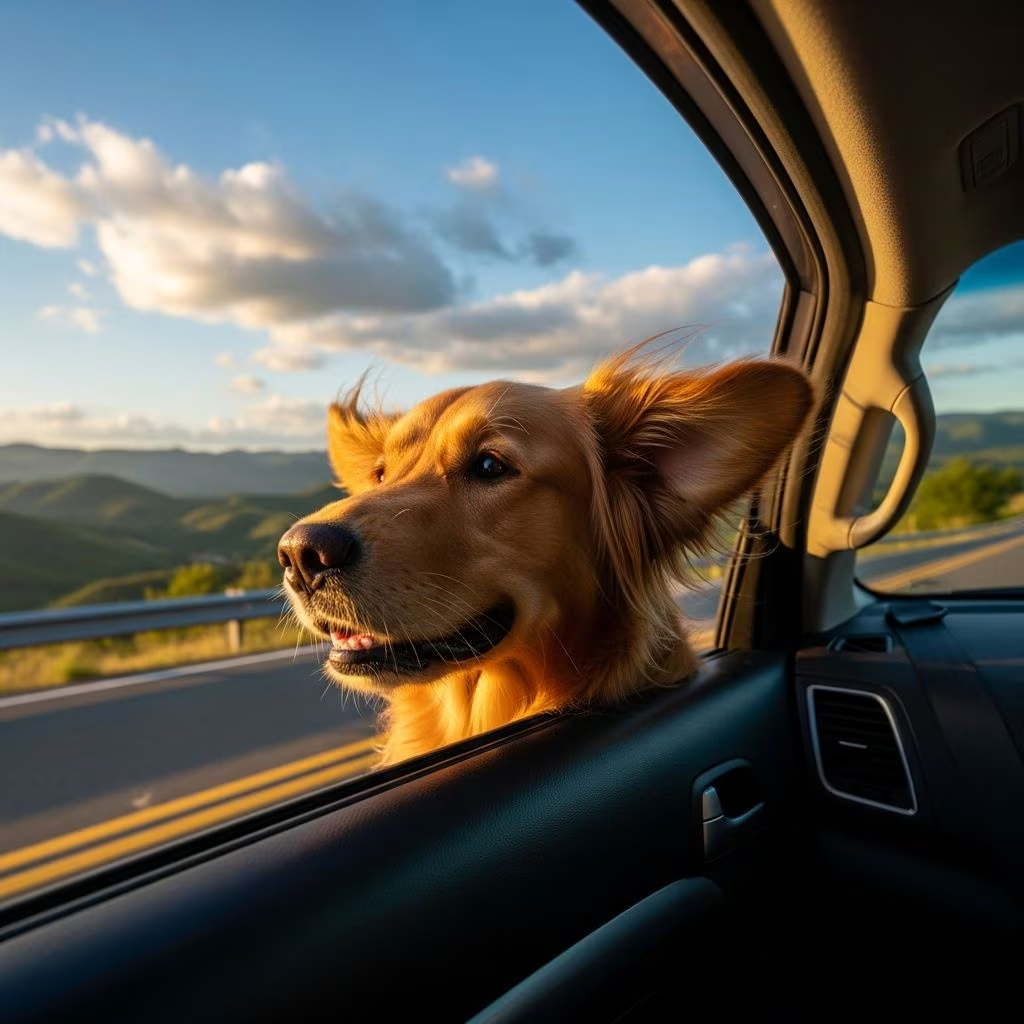
The Canine Experience Behind the Wheel
Dogs experience car travel in remarkably different ways than humans do. While some canines eagerly jump into vehicles at the first mention of a drive, others exhibit signs of anxiety or reluctance. Understanding these varying responses requires insight into how dogs perceive motion, sound, and environmental changes. The sensory experience of traveling inside a moving vehicle differs dramatically from the stationary environment where most dogs spend their daily lives. Dogs rely heavily on their sense of smell and hearing, both of which are heightened and potentially overwhelming in a moving car. The vibrations, engine noise, and constantly changing scents through the window create a unique sensory landscape that can be either exciting or distressing, depending on the individual dog’s temperament and past experiences.
Why Some Dogs Embrace Vehicle Journeys
Many dogs genuinely enjoy car rides, particularly when they associate the experience with positive destinations. A dog that has learned that car trips lead to the park, the beach, or a veterinary clinic for vaccinations rather than a checkup may develop positive anticipation. These dogs exhibit excitement through tail wagging, eager behavior when keys jingle, and a willingness to hop into the vehicle without hesitation. Their enthusiasm often stems from the novelty of new environments, the opportunity to experience different stimuli, and the time spent with their owners in a confined space.
The brain chemistry involved in pleasure-seeking behavior plays a role in this positive association. When a dog experiences rewarding outcomes following car rides, their neural pathways reinforce the connection between vehicles and good things happening. Over time, this conditioning can make the car itself a trigger for excitement and positive emotions. Additionally, some dogs may simply enjoy the adventure of traveling, the observation of passing scenery, and the overall stimulation that differs from their routine home environment.
Motion Sensitivity and Discomfort in Vehicles
Not all dogs experience car travel positively. Motion sensitivity, commonly referred to as car sickness in dogs, affects a significant portion of the canine population. Young puppies are particularly susceptible to motion sickness, as their inner ear and vestibular system—responsible for balance and spatial orientation—are still developing. This physiological reality means that puppies may experience genuine nausea during car rides, leading to drooling, whining, and in some cases, vomiting.
The symptoms of motion sensitivity extend beyond physical illness. Anxious dogs may exhibit panting, trembling, pacing, or attempts to escape confinement. These behavioral responses indicate genuine distress rather than behavioral misbehavior. Understanding that a dog’s negative response to car travel often stems from physical or emotional discomfort rather than willful disobedience helps owners approach the situation with appropriate compassion and solutions.
Anxiety and Psychological Factors
Beyond motion sensitivity, psychological factors significantly influence how dogs respond to car travel. Dogs with a history of negative experiences—such as a car accident, rough handling during transportation, or an unpleasant veterinary visit—may develop anxiety specifically associated with vehicles. This conditioned fear response can be as powerful as any positive conditioning, and it requires patient, systematic desensitization to overcome.
Additionally, dogs that spend limited time away from their owners or in unfamiliar environments may experience separation anxiety exacerbated by the car environment. The confinement of a vehicle, combined with the sensory overload of travel, can trigger anxiety in dogs predisposed to stress responses. These psychological factors are legitimate medical concerns that may require intervention from a veterinary behaviorist.
Building Positive Associations with Vehicle Travel
Creating positive experiences with car travel involves a gradual, patient approach that respects your dog’s current comfort level. Begin by allowing your dog to spend time in a parked vehicle without the engine running. This low-stress introduction helps familiarize your dog with the car’s interior environment. Follow this with short sessions with the engine running but the vehicle stationary, creating minimal sensory input beyond sound and slight vibration.
Once your dog demonstrates calm behavior in a stationary vehicle, begin very short drives—just a few minutes around the block. Keep these initial journeys brief enough that your dog doesn’t have time to develop significant anxiety or discomfort. Pair these early experiences with high-value rewards such as favorite treats or toys, but ensure rewards are given after the car experience concludes, establishing the connection between riding and positive outcomes.
Progressive exposure combined with consistent positive reinforcement can gradually shift your dog’s perspective on car travel. The key is moving at your dog’s pace rather than pushing too quickly toward longer trips. Some dogs may require weeks or months of gradual conditioning before they can comfortably tolerate standard car journeys.
Essential Safety Equipment for Vehicle Transport
Regardless of your dog’s enthusiasm for car travel, safety restraint is non-negotiable. An unrestrained dog in a moving vehicle poses serious risks to themselves and all passengers. According to research from safety organizations, a 60-pound dog in a vehicle traveling at 35 miles per hour can become a 2,700-pound projectile during sudden deceleration or impact. This physics-based reality makes proper restraint not merely a comfort issue but a critical safety requirement.
Several restraint options exist, each with distinct advantages:
- Crash-Tested Harnesses: These devices function similarly to human seatbelts, securing your dog to the vehicle’s seatbelt system while restricting movement. The Center for Pet Safety, a nonprofit organization evaluating pet products, recommends crash-tested harnesses as the most protective option. Quality harnesses feature padding, adjustable straps, and materials capable of withstanding impact forces.
- Vehicle Crates: Hard-sided crates, properly secured and tethered, provide containment for dogs in vehicle beds or cargo areas. These are particularly important if your dog must ride in a truck bed, as loose riding is extremely dangerous.
- Seat Belts and Tethers: These products allow more movement than harnesses while keeping dogs in the backseat, potentially reducing driver distraction. However, they provide less crash protection than full harnesses.
- Barriers and Nets: Physical separators between front and rear seating areas prevent forward movement and reduce distraction but offer limited crash protection compared to harnesses.
Positioning Your Dog Safely Within the Vehicle
The location where your dog sits significantly impacts safety during travel. The backseat is universally recognized as the safest position for dogs in vehicles. This positioning minimizes airbag-related injuries, which can be as deadly to dogs as to young children. Front seats should remain reserved exclusively for human passengers, particularly given that nearly 30% of drivers admit to distraction caused by their dogs.
If your dog rides in a pickup truck—ideally a temporary arrangement due to safety concerns—the dog must be secured in a tethered crate within the truck bed. Allowing dogs to ride loose in truck beds is extraordinarily dangerous, with risks of falling, jumping, or being struck by debris.
Temperature Control and Environmental Comfort
Maintaining appropriate temperature inside the vehicle is essential for your dog’s wellbeing. Dogs cannot regulate body temperature as efficiently as humans, making them vulnerable to heat stress in warm vehicles and cold stress in winter conditions. Never leave a dog unattended in a car, particularly in warm weather, where internal temperatures can reach dangerous levels within minutes.
During warm weather travel, ensure adequate ventilation or air conditioning. In cold conditions, provide blankets or heating to maintain comfortable temperature. Additionally, offer fresh water during longer journeys, though avoid excessive water intake immediately before travel, which can increase urination and discomfort.
Pre-Travel Preparation Strategies
Proper preparation before car travel can significantly enhance your dog’s experience and safety. Exercise represents a powerful tool for improving car behavior. A well-exercised dog is more likely to remain calm and settled during travel, as their physical energy has been expended rather than building toward restlessness. Provide a substantial workout—either physical exercise or mental stimulation through puzzle toys—before longer car journeys.
Feeding timing also matters. Avoid feeding your dog immediately before travel, as digestion combined with motion sensitivity increases the likelihood of nausea and vomiting. Allow several hours between the last meal and departure to minimize gastrointestinal discomfort.
Behavioral Training for Calm Travel
Teaching your dog to behave calmly during car travel involves establishing reliable commands and reinforcement patterns. Before integrating training into actual vehicle movement, practice foundational commands like “down” and “stay” in static environments. Once your dog demonstrates solid command compliance at home, practice these same behaviors inside a parked car with the engine off.
Initially, reinforce compliance with treats, but gradually transition to verbal praise as your dog becomes more reliable, since treat rewards become impractical while driving. This systematic approach builds reliable behavior patterns that your dog will transfer to moving vehicles once short drives begin.
Addressing Common Car-Related Problems
Several behavioral issues frequently emerge during car travel. Excessive barking, whining, and attempts to escape confinement indicate stress that requires systematic desensitization rather than punishment. Allowing your dog to hang their head out the window, while seemingly enjoyable to the dog, poses risks of debris injury to eyes and ears and should be discouraged.
If your dog experiences genuine motion sickness rather than anxiety, consult your veterinarian about potential pharmaceutical interventions. Some dogs benefit from anti-nausea medications during the conditioning period while they develop tolerance to motion.
Long-Distance Travel Considerations
When planning extended car journeys, break travel into manageable segments with regular stops for bathroom breaks, stretching, and fresh air. Plan rest stops approximately every two to three hours, allowing your dog to eliminate, hydrate, and move around safely. Never allow your dog to roam freely in parking areas without secure leashing, and always ensure your dog wears identification in case of accidental escape.
Pack essential supplies including water, collapsible bowls, waste collection materials, first-aid supplies, and any medications your dog requires. Maintain your dog’s regular routine as much as possible during travel, including meal times and sleep schedules, to minimize stress from routine disruption.
Legal and Safety Regulations
Regulations governing dog transportation vary by jurisdiction, though certain basic safety principles apply universally. Dogs should never be transported in closed truck trunks, as this creates serious risks of heat stress and suffocation. Dogs should not be transported loose in truck beds, as discussed previously. Handlers should never lead dogs outside vehicles while vehicles are moving, and dogs should not ride on a driver’s lap, as this creates distraction and eliminates the protective benefits of restraint systems.
Familiarize yourself with specific regulations in your state or region, as some jurisdictions impose fines for improper dog transportation or have specific requirements regarding restraint methods.
When to Seek Professional Help
If your dog exhibits severe anxiety, motion sickness, or behavioral problems that don’t improve with standard conditioning approaches, consultation with a veterinary behaviorist is appropriate. These specialists can diagnose underlying physiological issues and develop customized intervention plans, potentially including pharmaceutical support during the conditioning period.
Professional trainers experienced with car anxiety can also provide systematic desensitization protocols tailored to your dog’s specific concerns and temperament.
Creating a Positive Travel Culture
Ultimately, shaping your dog’s relationship with car travel requires patience, consistency, and genuine understanding of your individual dog’s needs and limitations. Not all dogs will develop enthusiasm for car journeys, but most can be conditioned to tolerate travel calmly with appropriate preparation and compassionate handling. The investment in proper safety equipment, environmental management, and behavioral conditioning pays dividends throughout your dog’s life, enabling convenient access to veterinary care, travel opportunities, and adventures while protecting both your dog and everyone sharing the road.
Frequently Asked Questions
What is the safest way to restrain a dog in a car?
Crash-tested safety harnesses attached to your vehicle’s seatbelt system provide the most protection during accidents and sudden stops. These harnesses are evaluated by safety organizations and feature materials designed to absorb impact forces.
Can puppies ride in cars safely?
Puppies can ride in vehicles, but they are particularly susceptible to motion sickness due to their developing vestibular system. Short, gradual introductions combined with proper restraint are essential for young dogs.
Why does my dog get sick in the car?
Motion sensitivity in dogs can result from physiological factors like inner ear development, anxiety about the car environment, or negative past experiences. Consulting your veterinarian can help identify whether the issue is physical or behavioral.
Should my dog sit in the front or back seat?
The backseat is significantly safer for dogs, as front-seat positioning increases airbag injury risk and driver distraction. Dogs should always be restrained in the backseat.
How can I help my anxious dog enjoy car rides?
Gradual conditioning beginning with a parked car, short low-stress drives, and positive reinforcement can help anxious dogs develop tolerance and even enjoyment of car travel over time.
References
- Dog Car Safety: A Comprehensive Guide for Pet Owners — Wholesome’s Pet Food. https://wholesomespetfood.com/dog-car-safety-a-comprehensive-guide-for-pet-owners/
- Traveling With Your Dog in the Car? Follow These 6 Safety Tips — Chewy Education. https://www.chewy.com/education/dog/general/keeping-dog-safe-car
- Dogs Riding Safely and Calmly in Cars — Whole Dog Journal. https://www.whole-dog-journal.com/training/dogs-riding-safely-and-calmly-in-cars/
- Keeping Your Dog Safe in the Car — Safe Ride 4 Kids. https://saferide4kids.com/blog/keeping-your-dog-safe-in-the-car/



