

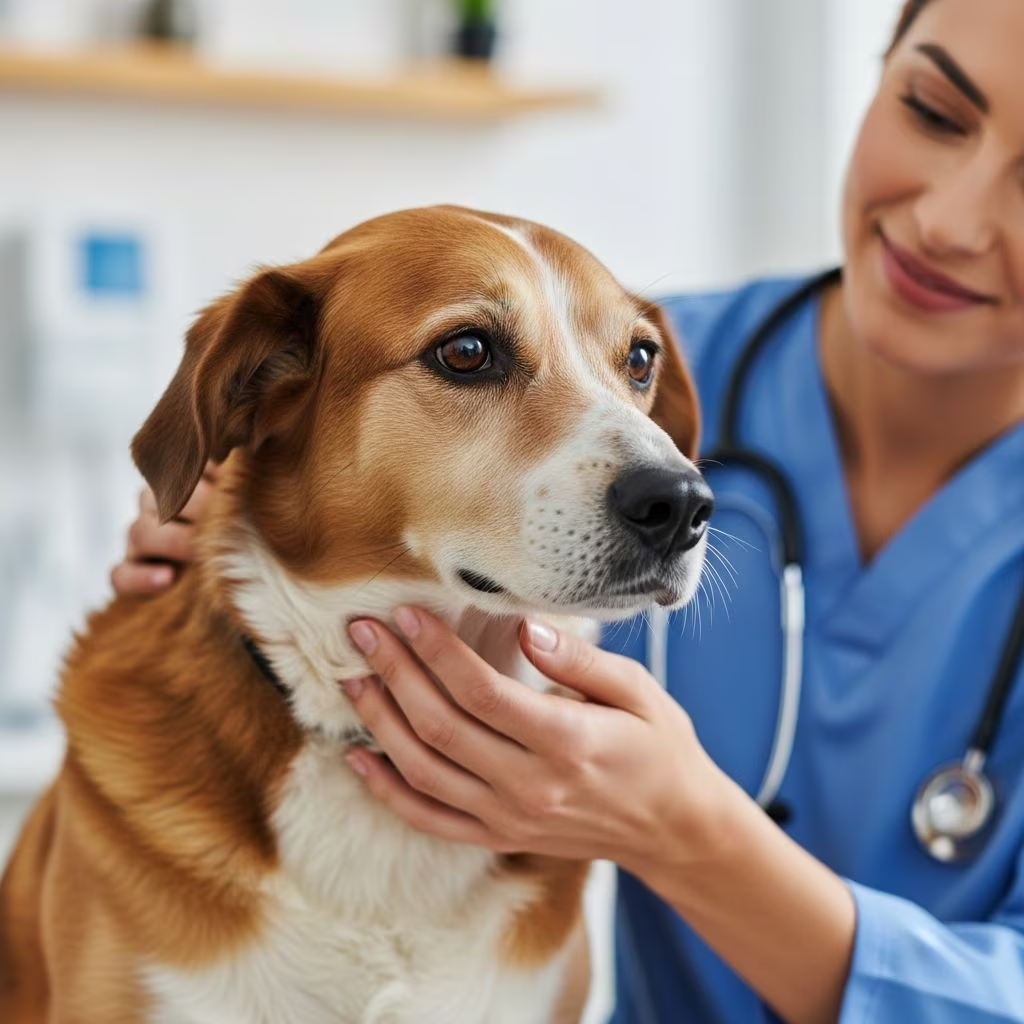
Canine cancer represents a significant health challenge for dogs, particularly those over 10 years old, affecting roughly one in four during their lifetime. Early recognition of symptoms and prompt veterinary intervention can dramatically influence prognosis and quality of life. This article explores the landscape of dog cancer, from subtle warning signs to advanced treatment strategies, empowering pet owners with knowledge to navigate this journey.
Recognizing the Early Warning Signals
Detecting cancer in dogs often hinges on observing changes that deviate from normal behavior. Owners play a crucial role in identifying these cues, as many symptoms overlap with less severe conditions.
- Unexplained lumps or bumps: Palpable masses on the skin or under it that grow, change shape, or ulcerate warrant immediate attention.
- Appetite shifts and weight loss: Sudden refusal of food or gradual thinning despite normal intake signals potential internal issues.
- Respiratory difficulties: Persistent coughing, labored breathing, or nasal discharge may indicate tumors in the lungs, chest, or nasal passages.
- Lethargy and exercise intolerance: Reduced energy, reluctance to play, or weakness points to systemic effects.
- Other red flags: Pale gums, vomiting, diarrhea, swollen lymph nodes, or neurological changes like seizures demand urgent evaluation.
These signs are nonspecific, but consistency or progression necessitates a veterinary exam, often starting with fine-needle aspiration or biopsy for confirmation.
Prevalent Forms of Cancer in Dogs
Dogs face diverse cancers, with some breeds predisposed due to genetics or size. Understanding common types aids in targeted vigilance.
| Cancer Type | Common Sites | Key Symptoms | Breed Risks |
|---|---|---|---|
| Lymphoma | Lymph nodes, organs | Swollen nodes, lethargy, weight loss | Golden Retrievers, Boxers |
| Mast Cell Tumors | Skin | Lumps that itch or fluctuate | Labradors, Bulldogs |
| Osteosarcoma | Bones (legs) | Lameness, swelling, pain | Great Danes, Rottweilers |
| Hemangiosarcoma | Spleen, heart, liver | Sudden collapse, weakness | Golden Retrievers, German Shepherds |
| Melanoma | Mouth, skin | Bad breath, bleeding gums | Scottish Terriers |
Lymphoma tops the list as one of the most frequent, responding well to therapy, while osteosarcoma aggressively invades bones in large breeds.[10]
Diagnostic Pathways for Accurate Assessment
Once symptoms arise, veterinarians employ a multi-step process to diagnose and stage cancer. Initial physical exams lead to imaging like X-rays, ultrasounds, or MRIs to locate tumors.
Cytology via needle aspirates provides quick insights, but biopsies offer definitive pathology. Blood work assesses organ function, and staging scans determine metastasis extent, guiding treatment plans.
For instance, lymphoma staging involves lymph node measurements and chest X-rays, while bone cancers require advanced imaging for surgical planning.
Conventional Treatment Approaches
Treatment selection depends on cancer type, stage, location, and your dog’s health. Multimodal strategies often yield the best results.
Surgical Interventions
Surgery removes localized tumors, potentially curative for low-grade mast cell tumors or early mammary cancers. In osteosarcoma, limb amputation preserves mobility via prosthetics or carts.
Chemotherapy Protocols
Veterinary chemotherapy prioritizes quality of life, with dogs experiencing fewer side effects than humans—mild nausea or temporary hair thinning at most. Protocols like CHOP (cyclophosphamide, doxorubicin, vincristine, prednisone) extend lymphoma remission to a year or more.
Radiation Therapy Applications
Radiation targets inoperable tumors, shrinking nasal or brain cancers precisely. Stereotactic methods deliver high doses accurately, minimizing damage to healthy tissue.
Emerging and Innovative Therapies
Advancements offer renewed hope beyond traditional methods.
- Immunotherapy: Stimulates immune responses via vaccines or checkpoint inhibitors, showing promise against melanoma and lymphoma.
- Targeted Drugs: Molecules like toceranib (Palladia) inhibit specific cancer pathways in mast cell tumors.
- Clinical Trials: Access experimental options through veterinary centers, potentially at reduced cost.
These therapies, often combined with standards, improve survival rates for previously challenging cases.
Enhancing Quality of Life During Treatment
Cancer care extends to comfort and daily joy. Pain management with tramadol, opioids, or gabapentin controls discomfort effectively.
Nutritional support via high-quality diets or appetite stimulants maintains strength. Alternative aids like acupuncture or cold laser therapy reduce inflammation and promote healing.
Palliative focus in advanced stages prioritizes happiness—gentle walks, favorite toys, and family time—over aggressive cures.
Financial and Emotional Navigation
Treatment costs vary: surgery $1,000–$5,000, chemo $3,000–$6,000 per course. Pet insurance, payment plans, or nonprofits like The Pet Fund assist.
Emotionally, join support groups via online forums or veterinary oncologists. Euthanasia discussions ensure dignified endings when suffering outweighs joy.
Prevention Strategies and Risk Reduction
While not all cancers are preventable, spaying before first heat cuts mammary risks by 99%. Sunscreen prevents skin cancers in light-coated dogs, and obesity control lowers overall odds.
Regular vet check-ups facilitate early detection, with senior wellness screens including cytology.
Frequently Asked Questions (FAQs)
How common is cancer in dogs?
Approximately 1 in 4 dogs develops cancer, rising with age.
Do dogs lose hair from chemotherapy?
Rarely; most retain coats, unlike humans.
Can cancer be cured in dogs?
Some early-stage cases yes, via surgery; others managed long-term.
What breeds are most prone?
Goldens, Labs, Rottweilers for lymphoma, bone, hemangiosarcoma.[10]
Is holistic therapy effective?
Supportive, but not standalone; consult vets for combinations.
Steps to Take After a Cancer Diagnosis
- Seek a veterinary oncologist for specialized staging.
- Discuss all options: curative, palliative, or hospice.
- Prepare financially and emotionally with family.
- Monitor progress closely, adjusting as needed.
Hope persists through science and care; many dogs thrive post-diagnosis with tailored plans.
References
- Cancer in Dogs: Signs to Look for and Common Treatments — LePar Vet. 2023. https://leparvet.net/blog/cancer-in-dogs/
- Cancer in Dogs: Symptoms, Types, and Treatment — PetMD. 2024. https://www.petmd.com/dog/conditions/cancer/cancer-dogs-symptoms-types-and-treatment
- Dogs with Cancer: Signs, Treatment, and What to Do Next — Bond Vet. 2023. https://bondvet.com/blog/pet-cancer-next-steps
- Common Types of Cancer in Dogs — UW Veterinary Care. 2024. https://uwveterinarycare.wisc.edu/common-types-of-cancer-in-dogs/
- Cancer in Dogs — OncoDaily. 2024. https://oncodaily.com/oncolibrary/cancer-in-dogs
- Cancer in Pets — American Veterinary Medical Association (AVMA). 2023. https://www.avma.org/resources/pet-owners/petcare/cancer-pets



