

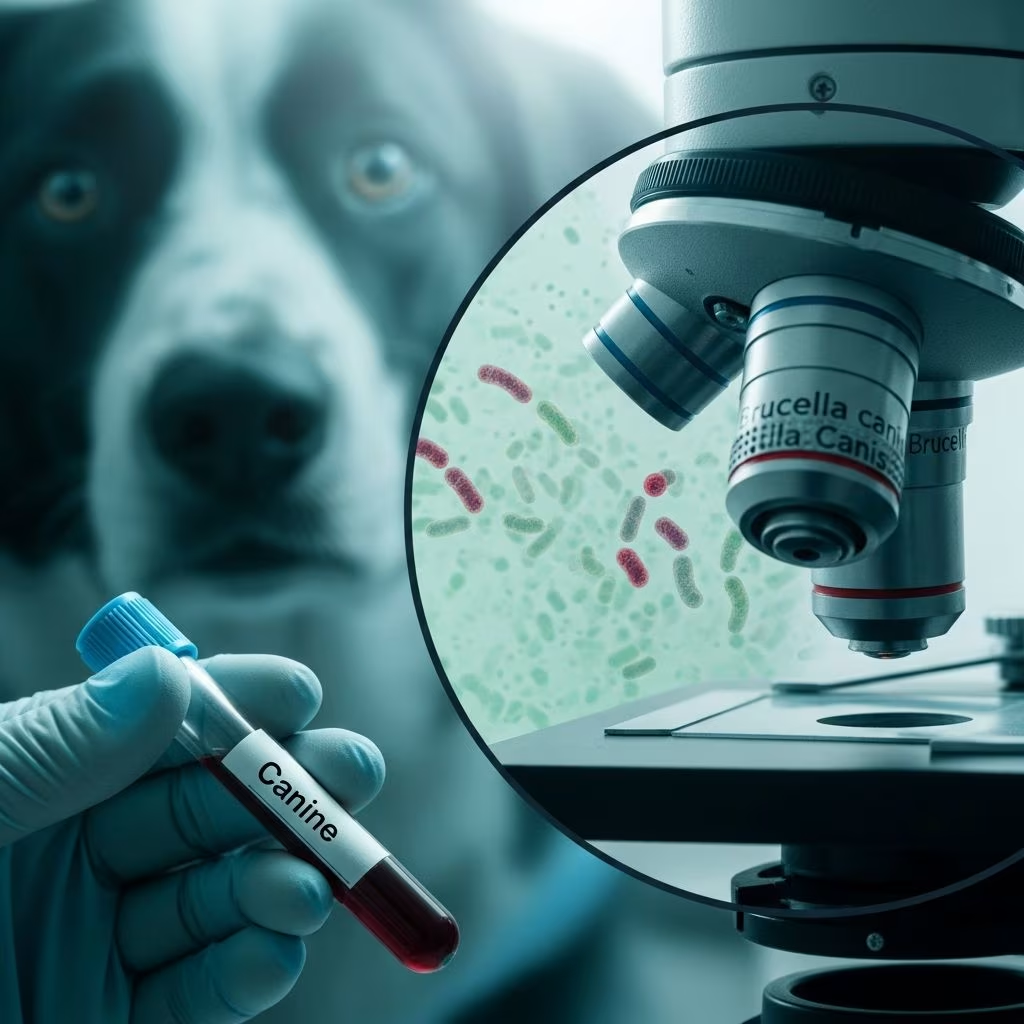
Understanding Canine Brucellosis
Canine brucellosis is a serious bacterial infection affecting dogs, caused by the bacterium Brucella canis. This disease represents a significant concern for dog owners, veterinarians, and public health professionals due to its impact on canine reproductive health and its potential zoonotic transmission to humans. The infection is particularly concerning because it can persist in infected dogs for their entire lifetime, making it one of the most challenging infectious diseases in veterinary medicine.
Brucellosis in dogs is classified as a venereal disease, meaning it is primarily transmitted through sexual contact and reproductive secretions. However, transmission can also occur through other routes including contact with infected urine, blood, or reproductive tissues. Understanding this disease is crucial for anyone involved in dog breeding, dog shows, or multi-dog households.
What Causes Canine Brucellosis?
The causative agent of canine brucellosis is the gram-negative bacterium Brucella canis. This pathogen has evolved to survive within the body of infected dogs, particularly in the reproductive organs and lymphoid tissues. The bacterium can survive in harsh environmental conditions and is shed intermittently through various body fluids, including reproductive secretions, urine, blood, and birthing materials.
The transmission occurs most commonly during mating when infected reproductive secretions come into contact with mucous membranes. However, the disease can also spread through:
- Contact with infected urine and feces
- Exposure to placental material or aborted fetuses
- Ingestion of contaminated food or water
- Contact with infected blood through wounds or scratches
Incubation Period and Early Detection
The incubation period for canine brucellosis is variable, with bacteremia typically occurring one to four weeks after initial infection. The average onset of clinical brucellosis signs develops within 2-4 weeks after exposure, though this timeline can vary significantly among individual dogs. In males, signs often manifest after five or more weeks of infection. This extended incubation period means that infected dogs may appear healthy while actively shedding the bacterium, making early detection through testing essential for preventing spread.
Signs and Symptoms of Brucellosis in Dogs
Canine brucellosis presents a complex array of clinical signs, with manifestations varying based on the dog’s sex and which organs are affected by the infection. Understanding these symptoms is critical for early identification and intervention.
Reproductive Signs in Male Dogs
Male dogs infected with brucellosis develop epididymitis, which is an infection in part of the testicle. Dogs with newly acquired infections often present with:
- Enlarged scrotum or enlarged testicles
- Skin rash on the scrotum
- Infertility or reduced fertility
- Testicular atrophy or shrunken testicles in chronic cases
In long-standing infections, permanent testicular damage may occur, resulting in permanent infertility.
Reproductive Signs in Female Dogs
Female dogs typically experience reproductive failure as a primary manifestation. The classical symptom is late-term abortion, occurring between 30-57 days of gestation, though abortion can occur at any stage of pregnancy. Female dogs may also experience:
- Stillbirths
- Birth of weak or non-viable puppies
- Placentitis (inflammation of the placenta)
- Metritis (uterine infection)
Systemic and General Signs
While reproductive signs are most common, brucellosis can affect multiple organ systems. During early infection stages, dogs may develop enlarged lymph nodes, though fever is uncommon in canine brucellosis, distinguishing it from many other bacterial infections. Some dogs may present with nonspecific clinical signs including lethargy, poor coat condition, generalized lymphadenopathy, and generalized inflammation.
In certain cases, B. canis will infect the intervertebral discs, eyes, kidneys, heart, or brain. When the bacteria spreads to these tissues, clinical signs become related to the affected organ system. For example, diskospondylitis (intervertebral disc infection) causes back pain and neurological problems, while eye involvement may result in uveitis or vision problems.
Asymptomatic Carriers
One of the most challenging aspects of canine brucellosis is that many infected dogs remain asymptomatic, showing no visible signs of illness despite harboring the bacterium. This makes the disease particularly dangerous in breeding programs and multi-dog households, as infected dogs can shed the pathogen without displaying any clinical indication of disease.
Diagnosis of Canine Brucellosis
Accurate diagnosis of canine brucellosis remains challenging, as no single test is 100 percent accurate. Veterinarians typically recommend multiple testing approaches to confirm infection, as results from routine laboratory work such as serum biochemistry, complete blood count, and urinalysis are typically normal.
Blood Tests and Serological Testing
The most common initial screening test is the rapid slide agglutination test (RSAT), which can detect infections after three to four weeks of illness. This test is widely used for screening breeding dogs, and negative results are generally reliable unless the dog has been recently exposed to the disease. However, false-positive results are relatively common with RSAT, so any positive test should be confirmed with more specific testing.
Additional serological tests include:
- Tube Agglutination Test (TAT): Provides measurement of antibodies against B. canis, useful for screening
- 2-Mercaptoethanol Rapid Slide Agglutination (2ME-RSAT): Helps differentiate between IgM and IgG antibodies
- Agar Gel Immunodiffusion (AGID): More specific test identifying infected animals between 12 weeks and 1 year post-infection
- Immunofluorescent Antibody Test (IFA): Specialized serological test with high specificity
- ELISA: Enzyme-linked immunosorbent assay offers reliable antibody detection
- Canine Brucella Multiplex Assay (CBM): Advanced multiplex testing platform
Direct Detection Methods
The gold standard for diagnosis remains demonstration of the causative organism itself. This includes:
- Bacterial Culture: Culturing B. canis from blood or tissue samples, though this is time-consuming and requires specialized laboratory facilities
- PCR Testing: Polymerase chain reaction can detect bacterial DNA in blood or other tissues
- Culture from Alternative Samples: Testing of birthing materials, fluid from joints, or reproductive secretions
Active infection is typically detected by culture of B. canis from blood or tissue, or culture of Brucella species with a positive result on AGID serologic assay.
Treatment Options for Canine Brucellosis
The treatment landscape for canine brucellosis presents significant challenges, as no treatment protocol has proven 100 percent effective in completely eliminating the infection. Antibiotics can be used to help control the infection and reduce clinical signs, but the bacteria can persist in tissues indefinitely.
Antibiotic Therapy
When treatment is attempted, antibiotics most commonly used include minocycline, doxycycline, or enrofloxacin. The most successful antimicrobial protocols typically include a tetracycline combined with an aminoglycoside, as these combinations appear to offer the best rate of success. Treatment typically requires a minimum of 2-3 months of continuous antimicrobial therapy.
However, even with aggressive antibiotic treatment, infected dogs are likely to relapse and periodically shed infectious bacteria, posing an ongoing risk of disease to both other dogs and people in the household.
Surgical Management
Surgical sterilization (neutering or spaying) is often recommended as part of treatment management to:
- Reduce bacterial shedding through reproductive tissues
- Eliminate the possibility of reproductive transmission
- Reduce reproductive organ inflammation and pain
However, surgical sterilization followed by months of antibiotic treatment does not reliably eliminate infection, and relapses often occur even after completing treatment protocols.
Lifelong Management and Monitoring
For dogs whose owners decline euthanasia, treatment and monitoring efforts are lifelong endeavors. This includes:
- Continuous or intermittent antimicrobial therapy
- Surveillance monitoring protocols with repeat testing
- Strict isolation requirements that vary by state and locality
- Regular veterinary monitoring for signs of relapse or systemic complications
It is crucial to understand that infected dogs are considered infected for life, and no cure exists for canine brucellosis.
Infection Control and Prevention
Preventing the spread of canine brucellosis requires strict management protocols for infected dogs. During treatment, the infected dog should be isolated from other dogs, including avoiding trips to dog parks, kennels, and doggy day care facilities.
To prevent disease transmission, owners must be careful about where their infected dog toilets, as the bacterium is shed through urine. Infected dogs may also need to have less contact with people, particularly those who are pregnant or have compromised immune systems due to the zoonotic potential of the disease.
Any dogs that have been in contact with an infected dog should be tested for brucellosis, and those showing signs such as fever, reproductive problems, eye problems, or diskospondylitis should be presented for veterinary evaluation.
Zoonotic Considerations
Canine brucellosis is a zoonotic disease, meaning it can be transmitted from infected dogs to humans. While the risk of human-to-human transmission is extremely low, individuals who have contact with infected dogs are at potential risk of infection. Symptoms of brucellosis in humans include fever, headache, joint pain, and general flu-like symptoms, with some individuals developing more serious complications.
Individuals who have potential contact with an infected dog should be informed of the dog’s brucellosis diagnosis, and those who may have contracted the disease should contact their healthcare provider or local health department for advice.
Management Recommendations and Outcomes
Because of their persistent animal and human health hazard, it is recommended that dogs with brucellosis be euthanized as the most humane and practical option. This recommendation is based on the inability to completely cure the infection, the lifelong nature of the disease, and the ongoing risks posed to other animals and humans.
For owners who choose not to pursue euthanasia, consultation with a veterinarian is essential to discuss realistic options for management and risk reduction. Owners must understand that their dog will remain infected for life and pose an ongoing infection risk, requiring strict isolation measures and lifelong monitoring.
Frequently Asked Questions
Q: Can canine brucellosis be cured?
A: No, there is no treatment that can completely and reliably cure canine brucellosis. While antibiotics can help manage symptoms and reduce bacterial shedding, the bacteria persists in tissues and infected dogs remain infected for life.
Q: How is canine brucellosis transmitted between dogs?
A: The primary transmission route is through sexual contact and reproductive secretions. However, the disease can also spread through contact with infected urine, blood, birthing materials, or feces.
Q: Is canine brucellosis dangerous to humans?
A: Yes, canine brucellosis is a zoonotic disease that can be transmitted to humans. People with potential exposure should be informed of the infected dog’s status and seek medical advice if symptoms develop.
Q: Should an infected dog be euthanized?
A: Euthanasia is strongly recommended as the most humane and practical option due to the disease’s incurable nature, lifetime persistence, and ongoing risks to other animals and humans.
Q: How is canine brucellosis diagnosed?
A: Diagnosis typically requires multiple tests, as no single test is 100 percent accurate. Blood tests such as RSAT, TAT, AGID, and ELISA are commonly used, along with bacterial culture or PCR testing for definitive confirmation.
Q: How long after infection do symptoms appear?
A: Clinical signs typically develop 2-4 weeks after exposure, though the timeline varies. In males, signs often manifest after five or more weeks of infection.
References
- Brucellosis in Dogs — VCA Animal Hospitals. https://vcahospitals.com/know-your-pet/canine-brucellosis
- Brucellosis in Dogs – Reproductive System — Merck Veterinary Manual. https://www.merckvetmanual.com/reproductive-system/brucellosis-in-dogs/brucellosis-in-dogs
- Veterinary Guidance for Brucellosis — Centers for Disease Control and Prevention (CDC). https://www.cdc.gov/brucellosis/hcp/animals/index.html
- IDB Guidance for Canine Brucellosis, February 2023 — California Department of Public Health (CDPH). https://www.cdph.ca.gov/Programs/CID/DCDC/Pages/Brucellosis.aspx
- Brucellosis in Dogs — Blue Cross. https://www.bluecross.org.uk/advice/dog/health-and-injuries/brucellosis-in-dogs
- Canine Brucellosis — University of Florida Small Animal Hospital. https://smallanimal.vethospital.ufl.edu



