
Canine Bordetella Vaccine: Protection Against Kennel Cough
Complete guide to Bordetella vaccination: protect your dog from kennel cough with informed decisions.
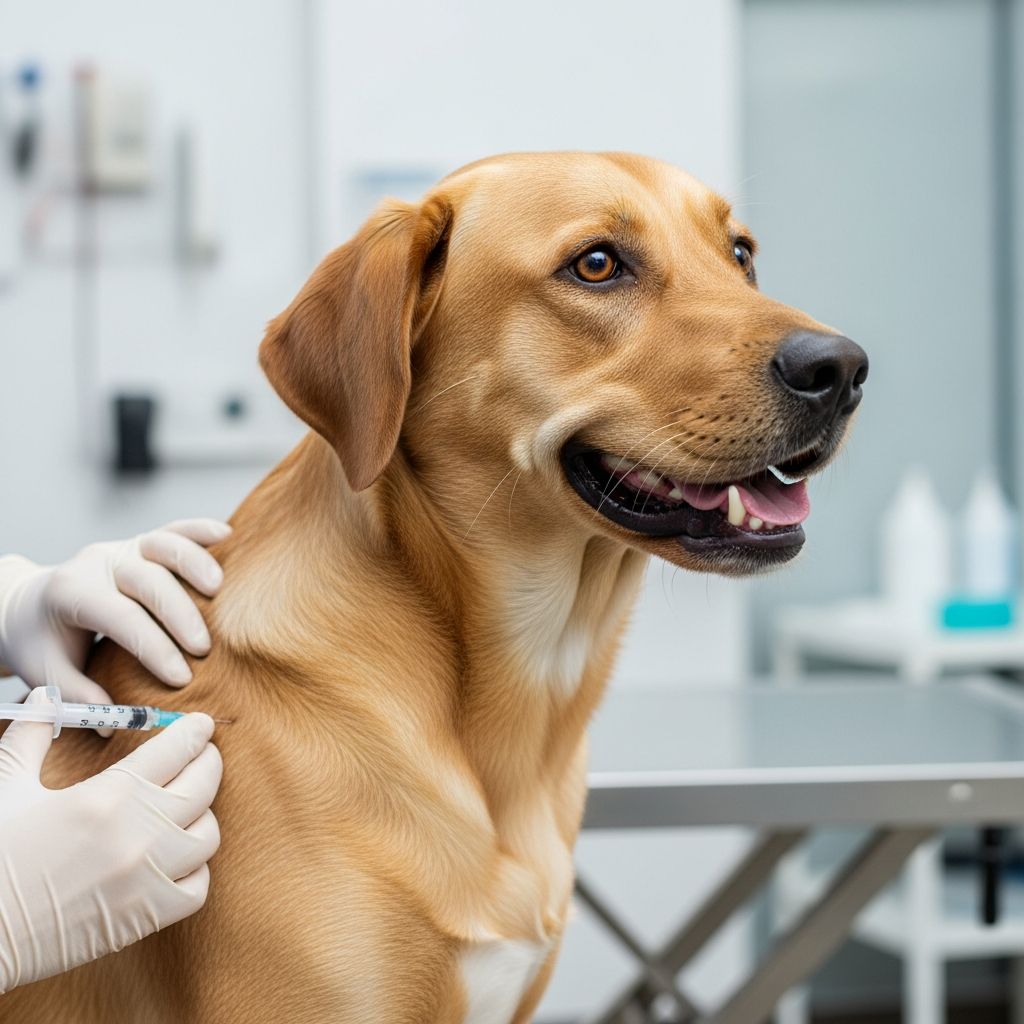
Understanding the Bordetella Vaccine for Dogs
The Bordetella vaccine is a crucial tool in preventing one of the most common and highly contagious respiratory diseases in dogs: kennel cough. Caused by the bacterium Bordetella bronchiseptica, kennel cough can significantly impact a dog’s quality of life and lead to serious complications if left untreated. Understanding this vaccine, its effectiveness, and whether your dog needs it is essential for responsible pet ownership.
Kennel cough, medically known as canine infectious tracheobronchitis, spreads rapidly among dogs in close contact with one another. The Bordetella vaccine provides an effective defense against this disease, particularly for dogs that spend time in social settings or boarding facilities. This guide explores everything pet owners need to know about the Bordetella vaccine.
What Is Kennel Cough and Why It Matters
Kennel cough is a highly contagious respiratory infection that affects dogs of all ages and breeds. The primary causative agent is Bordetella bronchiseptica, a bacterium that can be transmitted through airborne droplets when infected dogs cough or sneeze. The disease earned its common name because it spreads rapidly in kennels, shelters, and other facilities where dogs are housed in close proximity.
Dogs with kennel cough typically exhibit a distinctive dry, hacking cough that often sounds like a goose honk. Additional symptoms may include sneezing, nasal discharge, mild lethargy, and loss of appetite. While kennel cough is rarely fatal in healthy adult dogs, it can lead to serious complications in puppies, senior dogs, and immunocompromised animals. Untreated severe cases can progress to pneumonia or chronic bronchitis, making prevention through vaccination a sensible health strategy.
Research has shown that Bordetella bronchiseptica is a clinically significant pathogen, with approximately 78.7 percent of dogs showing acute respiratory signs testing positive for the bacteria. Interestingly, even clinically healthy dogs can carry the bacterium, making them potential sources of infection for susceptible animals.
How the Bordetella Vaccine Works
The Bordetella vaccine introduces a harmless form of the bacteria into your dog’s immune system, stimulating the body to produce protective antibodies. This process trains the immune system to recognize and fight off the actual pathogen if your dog is exposed to it in the future.
The vaccine works by creating a specific immune response against Bordetella bronchiseptica. When vaccinated, your dog’s immune system learns to identify the bacteria and mount a rapid defense, significantly reducing the likelihood of infection. If breakthrough infections occur despite vaccination, vaccinated dogs typically experience milder symptoms and recover more quickly than unvaccinated dogs.
The protection provided by the Bordetella vaccine is not absolute, and some vaccinated dogs may still develop kennel cough. However, vaccination substantially reduces the risk of severe illness and shortens the duration of symptoms. This partial protection is common among respiratory vaccines and reflects the complexity of the immune response to mucosal pathogens.
Vaccine Administration Methods
The Bordetella vaccine is available in multiple formulations, each with distinct advantages and considerations. Your veterinarian will recommend the most appropriate method based on your dog’s age, health status, and lifestyle.
Intranasal Vaccine
The intranasal vaccine is administered as a spray directly into the dog’s nasal passages. This method delivers the vaccine directly to the mucous membranes of the respiratory tract, where Bordetella bronchiseptica typically causes infection. The intranasal approach stimulates local immunity at the site most vulnerable to infection, providing rapid protection against kennel cough.
One advantage of the intranasal vaccine is that it may provide faster immunity compared to other forms. However, some dogs experience mild sneezing or nasal discharge following administration. Additionally, the intranasal vaccine contains live attenuated bacteria, which may be less appropriate for dogs in contact with immunocompromised individuals.
Oral Vaccine
The oral Bordetella vaccine is administered by mouth, typically placed in the dog’s buccal pouch (the space between the cheek and teeth). This method offers convenience and avoids the need for injection or nasal administration. Oral vaccines are generally well-tolerated by dogs with minimal side effects.
Injectable Vaccine
Injectable Bordetella vaccines, such as Canigen Bb, are administered via subcutaneous injection, typically under the skin between the shoulder blades. These inactivated subunit vaccines provide an excellent alternative when intranasal vaccination is not possible or preferred. Injectable vaccines are particularly useful for dogs with respiratory sensitivities, those receiving other vaccinations simultaneously, or when a non-live vaccine is preferred due to household immunocompromised individuals.
Canigen Bb, an inactivated subunit vaccine, reduces the clinical signs of upper respiratory tract disease while also reducing bacterial shedding post-infection. Dogs vaccinated with Canigen KC in the last 12 months can receive a single dose of Canigen Bb for extended protection. The injectable option is licensed for use in dogs from six weeks of age.
Vaccination Schedule and Recommendations
The appropriate vaccination schedule depends on your dog’s age, lifestyle, and exposure risk. Puppies typically begin Bordetella vaccination between 6 to 8 weeks of age, with boosters administered according to your veterinarian’s recommendations.
For adult dogs, the Bordetella vaccine is typically given annually or every 6 to 12 months to maintain immunity. Dogs with high exposure risks—such as those frequently boarded, attending daycare, visiting grooming facilities, or participating in dog parks—benefit from regular vaccination. In contrast, dogs with minimal exposure to other animals may not require annual boosters, though your veterinarian can assess your dog’s individual risk factors.
Many boarding facilities, grooming parlors, doggy daycares, and training classes require proof of current Bordetella vaccination. If your dog frequents these settings, vaccination is not merely a health recommendation but often a prerequisite for attendance.
Effectiveness of the Bordetella Vaccine
The Bordetella vaccine is highly effective at preventing kennel cough in vaccinated dogs. Research demonstrates that vaccination significantly reduces both the incidence of infection and the severity of symptoms in breakthrough cases. Even when vaccinated dogs develop kennel cough, the infection is typically milder and resolves more quickly than in unvaccinated dogs.
It is important to understand that no vaccine provides 100 percent protection against disease. Breakthrough infections can occur in vaccinated dogs, though these instances are relatively uncommon. When breakthrough infections do occur, vaccinated dogs mount a faster immune response and experience fewer complications than unvaccinated animals.
The vaccine’s effectiveness varies based on the specific formulation used, the dog’s immune status, and individual genetic factors. Intranasal and injectable vaccines may provide slightly different protection profiles, with intranasal vaccines often providing more rapid mucosal immunity while injectable vaccines offer broader systemic immune responses.
Benefits of Bordetella Vaccination
Vaccinating your dog against Bordetella offers multiple health and practical advantages:
–
Reduced infection risk
: Vaccination substantially decreases the likelihood your dog will contract kennel cough from infected animals.-Milder symptoms
: Vaccinated dogs that develop kennel cough experience less severe clinical signs compared to unvaccinated dogs.-Faster recovery
: Vaccinated dogs recover more quickly from kennel cough, returning to normal activity levels sooner.-Prevention of complications
: By reducing the severity of infection, vaccination helps prevent serious secondary complications such as pneumonia, chronic bronchitis, and bronchopneumonia.-Protection of other dogs
: Vaccinated dogs shed fewer bacteria, reducing transmission to susceptible animals in group settings.-Access to social activities
: Vaccination enables your dog to attend training classes, boarding facilities, grooming appointments, and doggy daycares without restrictions.-Peace of mind
: Pet owners gain confidence knowing their dog is protected against a common and contagious disease.Risks and Side Effects
The Bordetella vaccine is generally considered safe, with minimal adverse effects in most dogs. However, as with any medical intervention, certain risks and side effects should be considered.
Common Side Effects
–
Injection site reactions
: When given as a subcutaneous injection, mild redness, swelling, or soreness at the injection site may occur. These reactions typically resolve within a few days.-Mild sneezing
: Intranasal vaccines may cause temporary sneezing or nasal discharge immediately following administration.-Lethargy
: Some dogs appear more lethargic following vaccination as their immune system mounts a response. This typically resolves within 24 to 48 hours.-Mild fever
: Fever occasionally develops as part of the normal immune response to vaccination.Rare Complications
Severe allergic reactions to the Bordetella vaccine are uncommon but possible. Signs of anaphylaxis include facial swelling, difficulty breathing, vomiting, diarrhea, or collapse. If any of these signs develop following vaccination, contact your veterinarian immediately.
It is not well established whether the Bordetella vaccine poses additional risks to pregnant or lactating dogs. Your veterinarian can advise on whether vaccination is appropriate in these special circumstances based on individual risk factors.
Is the Bordetella Vaccine Right for Your Dog?
The Bordetella vaccine is classified as a non-core vaccine, meaning it is not universally recommended for all dogs but rather suggested based on individual risk factors. Your veterinarian will assess your dog’s lifestyle and exposure risk to determine whether Bordetella vaccination is appropriate.
Dogs That Benefit Most From Bordetella Vaccination
– Dogs frequently boarded at kennels or pet sitting facilities- Dogs attending doggy daycares or training classes- Dogs that visit grooming salons regularly- Dogs that frequent dog parks or other social settings with multiple dogs- Dogs that travel frequently or compete in shows- Puppies in high-risk environments- Dogs living in multi-dog households with frequent visitors
Dogs With Lower Risk
Dogs that remain primarily indoors, have minimal contact with other animals, and do not attend group settings generally have lower risk of Bordetella exposure. However, even these dogs may benefit from vaccination if they occasionally visit the veterinarian’s office, where they may be exposed to infected animals.
Frequently Asked Questions
How often does my dog need the Bordetella vaccine?
Most dogs require Bordetella vaccination annually or every 6 to 12 months to maintain immunity. Your veterinarian can recommend the appropriate interval based on your dog’s risk factors and local disease prevalence.
Can my dog get kennel cough even if vaccinated?
Yes, breakthrough infections can occur in vaccinated dogs, though they are uncommon. When vaccinated dogs develop kennel cough, symptoms are typically milder and resolve more quickly than in unvaccinated animals.
Is the Bordetella vaccine safe for puppies?
Yes, the Bordetella vaccine is safe for puppies starting at 6 to 8 weeks of age. Your veterinarian will develop an appropriate vaccination schedule based on your puppy’s risk factors.
What is the difference between intranasal and injectable Bordetella vaccines?
Intranasal vaccines deliver protection directly to respiratory mucous membranes and may provide faster immunity. Injectable vaccines offer an alternative when intranasal vaccination is not preferred or possible, particularly for immunocompromised households.
Can I vaccinate my dog if they already have kennel cough?
No, vaccination should be delayed if your dog currently has active kennel cough or is unwell. Consult your veterinarian about the appropriate timing for vaccination during or after illness.
Does the Bordetella vaccine provide lifelong immunity?
No, immunity from the Bordetella vaccine is not lifelong. Regular boosters are necessary to maintain protective immunity against this respiratory pathogen.
Conclusion
The Bordetella vaccine represents an important tool in preventing kennel cough, one of the most prevalent respiratory diseases in dogs. While classified as a non-core vaccine, it offers significant benefits for dogs with exposure to other animals in social settings. By understanding how the vaccine works, its effectiveness, administration methods, and potential side effects, pet owners can make informed decisions about their dog’s vaccination needs in consultation with their veterinarian.
Whether your dog needs Bordetella vaccination depends on lifestyle factors and exposure risk. Dogs that board frequently, attend daycare, visit grooming facilities, or participate in group activities benefit significantly from protection against this highly contagious disease. Discuss your dog’s individual risk factors with your veterinarian to determine the most appropriate vaccination strategy for your pet’s health and lifestyle.
References
- Effects of Intranasal and Oral Bordetella bronchiseptica Vaccination — National Center for Biotechnology Information (NCBI). 2022-07-06. https://www.ncbi.nlm.nih.gov/pmc/articles/PMC9159271/
- Bordetella Vaccine for Dogs — PetMD. 2024. https://www.petmd.com/dog/general-health/bordetella-vaccine-for-dogs
- Canine Distemper/Parvo/Bordetella and Rabies Vaccine — Vetstreet. 2024. https://www.vetstreet.com/care/canine-distemper-parvo-bordetella-and-rabies-vaccine
- What Is Bordetella Vaccines for Dogs — Cheyenne Mountain Veterinary Hospital. 2024. https://cheyennepets.com/blog/bortedella-vaccine-for-dogs/
- Bordetella Vaccine for Dogs: What to Know — American Kennel Club. 2024. https://www.akc.org/expert-advice/health/bordetella-vaccine-dogs/
- Canigen Bb: A New Injectable Canine Bordetella bronchiseptica Vaccine — Veterinary Practice Magazine. 2024-09-18. https://www.veterinary-practice.com/2024/canigen-bb-a-new-injectable-canine-bordetella-bronchiseptica-vaccine
- The Kennel Cough Vaccine: Risks, Benefits, and Everything In Between — Creedmoor Road Animal Hospital. 2024. https://creedmoorroadanimalhospital.com/pet-vaccinations-in-raleigh-nc/the-kennel-cough-vaccine-risks-benefits-and-everything-in-between/
Similar Articles








Read full bio of medha deb




