

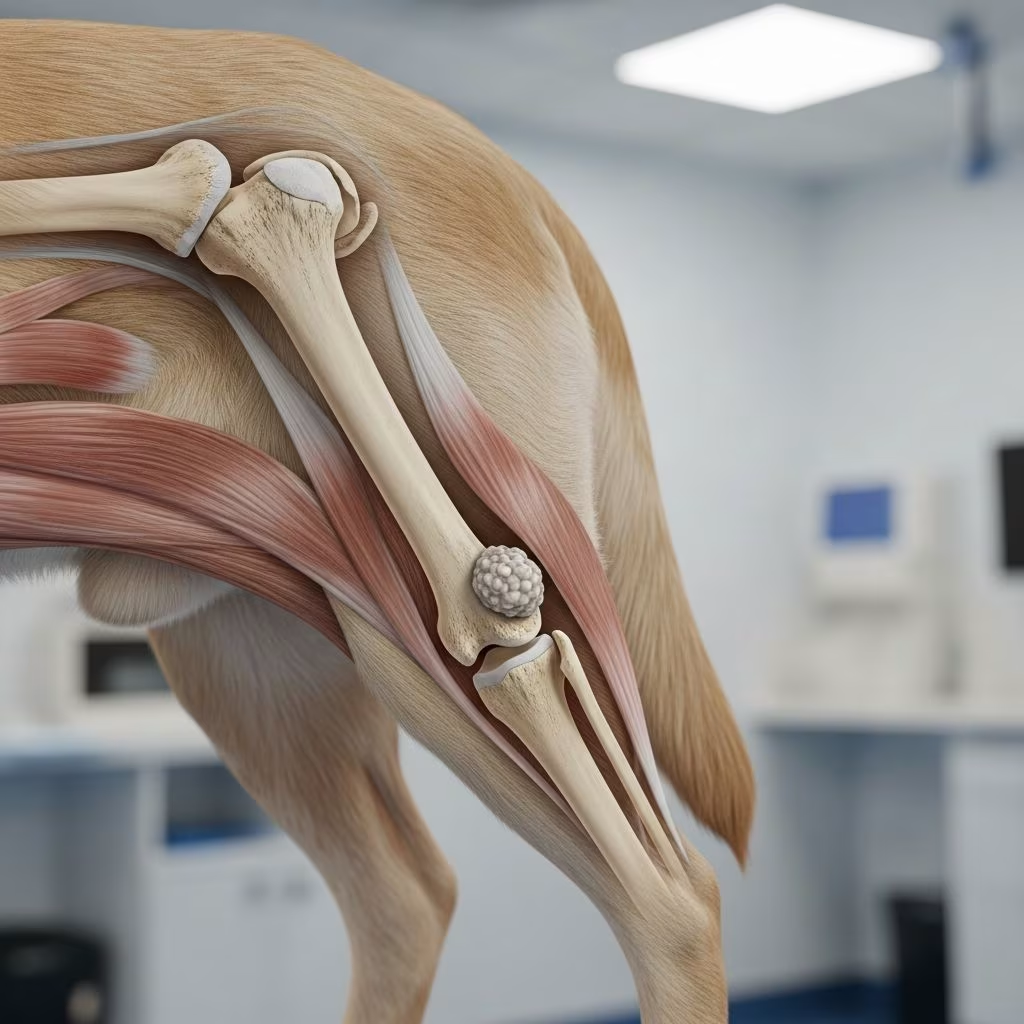
Bone cancer, particularly osteosarcoma, represents a significant health challenge for dogs, especially larger breeds. This aggressive disease often affects the long bones of the limbs and requires prompt attention to manage pain and extend life.
Risk Factors and Breeds Affected
Large and giant dog breeds face a higher risk of developing bone cancer. Breeds such as Rottweilers, Great Danes, St. Bernards, and Golden Retrievers are predisposed due to genetic factors. The condition typically strikes dogs around seven years old, though younger adolescents in certain breeds can also be affected.
Genetic predisposition plays a key role, with rapid bone growth in large dogs contributing to abnormal cell development. Other potential factors include early spaying or neutering in susceptible breeds and prior exposure to metal implants or radiation, which may cause chronic inflammation.
- High-risk breeds: Rottweilers, Great Danes, Golden Retrievers
- Age factor: Primarily middle-aged to older dogs
- Other contributors: Genetic makeup, rapid growth rates
Primary Types of Bone Tumors in Dogs
Osteosarcoma dominates as the most prevalent primary bone cancer, comprising about 95% of cases. It involves malignant growth of immature bone cells that rapidly destroy healthy bone tissue.
Less common types include chondrosarcoma, often located in the ribs or nasal cavity, and myeloma, which impacts bone marrow and white blood cells. Metastatic bone cancer spreads from other sites like the prostate or mammary glands.
| Type | Prevalence | Common Locations |
|---|---|---|
| Osteosarcoma | 95% | Long bones (limbs) |
| Chondrosarcoma | Second most common | Ribs, nasal cavity |
| Myeloma | Rare | Bone marrow |
Early Warning Signs to Monitor
Detecting bone cancer early hinges on recognizing subtle changes in your dog’s behavior and mobility. The initial indicator is often lameness or limping in one leg, progressing from mild reluctance to bear weight to complete refusal.
Owners may notice a firm, painful swelling near the affected bone. As the tumor weakens the structure, pathological fractures can occur suddenly, causing intense pain.
- Persistent limping or lameness
- Visible swelling or mass on limbs, ribs, jaw, or spine
- Severe pain indicators, like whining or guarding the area
- Lethargy and reduced appetite
- Respiratory issues or nasal discharge if spread occurs
These symptoms mimic other conditions, such as infections, underscoring the need for veterinary evaluation.
Diagnostic Approaches for Confirmation
Veterinarians employ a multi-step process to differentiate bone cancer from infections or injuries. Initial assessments include blood and urine tests to check for systemic involvement.
Radiographs of the affected bone and chest are crucial; osteosarcoma typically shows bone destruction without crossing joints, unlike infections. Chest X-rays detect lung metastasis, common in advanced cases.
A definitive diagnosis often requires a bone biopsy to examine tissue under a microscope, confirming the presence of cancerous cells.
- Bloodwork and urinalysis
- X-rays of bone and lungs
- Biopsy for cell analysis
Core Treatment Strategies
Treatment focuses on pain relief, tumor removal, and slowing metastasis. Amputation of the affected limb is the standard for osteosarcoma in limbs, as dogs adapt remarkably well to three legs, often regaining mobility quickly.
Post-amputation chemotherapy, using drugs like carboplatin administered every three weeks for four to five months, targets microscopic spread and extends survival.
For non-surgical candidates, radiation provides pain relief for months with minimal sessions, sometimes combined with chemotherapy.
Advanced and Emerging Therapies
Limb-sparing surgery preserves the leg by removing the tumor and reconstructing the bone, suitable for early-stage cases at specialized centers.
Emerging options include immunotherapy to harness the dog’s immune system, drug trials like losartan with toceranib, and targeted radiation protocols. These aim to improve long-term outcomes beyond traditional methods.
Pain management remains paramount throughout, with pre- and post-operative medications ensuring comfort.
Prognosis and Survival Expectations
Without intervention, osteosarcoma proves fatal within months due to rapid spread. Surgery alone yields about one year median survival, as 90% develop metastasis.
Combining amputation with chemotherapy boosts median survival to one to two years, with some dogs living longer. Factors like early detection and overall health influence outcomes.
| Treatment | Median Survival |
|---|---|
| No treatment | Weeks to months |
| Amputation only | ~1 year |
| Amputation + Chemo | 1-2 years |
Quality of Life After Diagnosis
Many dogs maintain an active life post-amputation, playing and exercising on three legs. Chemotherapy side effects are milder in dogs than humans, preserving appetite and energy.
Owners report improved demeanor once pain is controlled, emphasizing supportive care like weight management, physical therapy, and a nutrient-rich diet.
Prevention and Routine Screening
No guaranteed prevention exists, but regular veterinary check-ups for at-risk breeds enable early detection. Monitor for lameness and swelling, especially in middle-aged large dogs.
Research into genetic screening and vaccines continues, offering future hope.
Frequently Asked Questions
Can small dogs get bone cancer?
Yes, though far less common than in large breeds. Any dog can develop it, but risk correlates with size.
Is amputation always necessary?
No, alternatives like radiation or limb-sparing exist, depending on tumor location and dog health.
How do I know if my dog’s limping is cancer?
Only diagnostics confirm; persistent symptoms warrant X-rays and biopsy.
What diet helps dogs with bone cancer?
High-quality, anti-inflammatory diets support strength, but consult your vet.
Does chemotherapy hurt dogs?
Dogs tolerate it well with few side effects, maintaining quality of life.
References
- Signs of Bone Cancer in Dogs & How It’s Treated — Animal Hospital of Clemmons. 2021-01-15. https://www.animalhospitalofclemmons.com/site/veterinary-pet-care-blog/2021/01/15/signs-of-bone-cancer-in-dogs
- Osteosarcoma in Dogs: Symptoms & Treatment — VRA Vet. 2022-03-15. https://www.vravet.com/site/blog/2022/03/15/osteosarcoma-in-dogs-symptoms-and-treatment
- Understanding Bone Cancer in Dogs — Hill’s Pet. N/A. https://www.hillspet.com/dog-care/healthcare/understanding-bone-cancer-in-dogs
- Signs & Symptoms of Bone Cancer in Dogs — Carolina Veterinary Specialists. 2020-05-14. https://www.matthews.carolinavet.com/site/pet-health-blog/2020/05/14/signs-symptoms-of-bone-cancer-in-dogs
- Osteosarcoma in Dogs: Symptoms, Treatment & Research — Morris Animal Foundation. N/A. https://www.morrisanimalfoundation.org/article/osteosarcoma-in-dogs
- Osteosarcoma in Dogs — Cornell University College of Veterinary Medicine. N/A. https://www.vet.cornell.edu/departments-centers-and-institutes/riney-canine-health-center/canine-health-topics/osteosarcoma-dogs
- Bone Cancer in Dogs – Signs, Symptoms & Treatments — Whitesburg Animal Hospital. 2022-11-30. https://www.whitesburganimalhospital.com/site/blog/2022/11/30/dog-bone-cancer



