

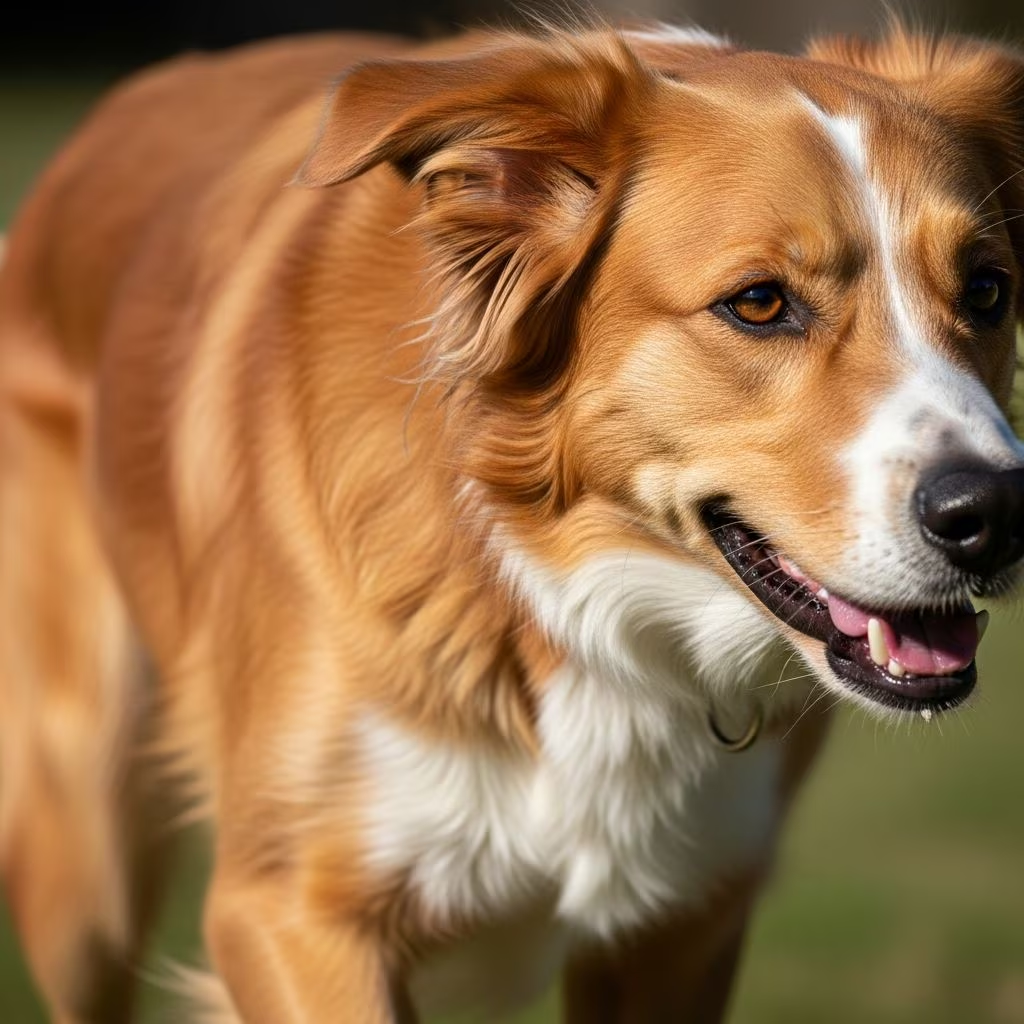
Your dog’s body operates at a noticeably higher temperature than yours. While a healthy human maintains a body temperature around 98.6°F (37°C), dogs typically run between 101°F and 102.5°F (38.3°C to 39.2°C). This elevated baseline isn’t a sign of illness—it’s a fundamental aspect of canine physiology that reflects their unique metabolic needs and evolutionary adaptation. Understanding this temperature difference and how dogs manage heat provides valuable insight into their health, behavior, and comfort requirements.
The Baseline Temperature Difference: What Makes Dogs Different
The higher body temperature in dogs compared to humans serves several biological purposes. Dogs, as mammals with higher metabolic rates than humans, naturally generate more internal heat during normal physiological functions. This elevated temperature supports their faster metabolism, which fuels their typically higher activity levels and energy requirements. Additionally, a dog’s internal temperature of approximately 38°C (100.4°F) represents an optimal operating point for their enzyme systems, cellular functions, and immune responses to function most efficiently.
This temperature range also reflects the thermoregulatory zone where dogs can maintain homeostasis with minimal energy expenditure. The thermoneutral zone for dogs—the temperature range at which they can maintain body temperature without actively producing or shedding heat—spans from approximately 20°C to 30°C (68°F to 86°F). Outside this comfortable range, dogs must engage active thermoregulation, expending energy to either generate or dissipate heat.
How the Canine Brain Controls Temperature
The hypothalamus, a small but critical structure nestled within the brain, serves as the body’s thermostat for dogs. This region continuously monitors internal body temperature through specialized temperature-sensing receptors distributed throughout the dog’s body—in the skin, spinal cord, and internal organs. These receptors constantly transmit signals to the hypothalamus, providing real-time data about the dog’s thermal status.
When the hypothalamus detects that body temperature has risen above the set point, it triggers a cascade of physiological responses designed to cool the body. Conversely, when temperature drops below the set point, it initiates heat-generating mechanisms. This sophisticated feedback system operates largely automatically, allowing dogs to maintain consistent internal temperatures despite fluctuating environmental conditions.
Mechanisms of Heat Loss in Canines
Radiation and Convection: Passive Heat Dissipation
Under normal circumstances, dogs rely heavily on passive heat loss mechanisms. Approximately 70% of a dog’s body heat dissipates through radiation and convection—the natural transfer of heat from the skin and coat surface into the surrounding air or to objects in direct contact. This passive process requires minimal physiological effort and occurs continuously when environmental temperatures remain below the dog’s body temperature.
The dog’s coat plays a surprisingly important role in this process. Many people mistakenly believe dog fur only provides insulation for warmth, but the coat structure also facilitates heat dissipation. The arrangement of hairs and the air spaces within the coat allow heat to escape efficiently when the dog isn’t overheating. However, thicker coats slow this heat loss process, which explains why heavily coated breeds require more active cooling strategies during warm weather.
Panting: The Primary Active Cooling Method
When passive cooling mechanisms prove insufficient, dogs employ their most efficient active cooling strategy: panting. Unlike humans who sweat across their entire body surface, dogs have evolved a fundamentally different approach to evaporative cooling. During panting, a dog inhales cool, dry air through the nose. This air travels across the moist surfaces of the nasal passages, throat, and lungs, where it becomes humidified. The dog then exhales warm, moisture-laden air, creating an evaporative cooling effect internally.
This internal evaporative cooling system proves remarkably effective at moderate to warm temperatures. When your dog pants after exercise or during warm weather, you’re witnessing a highly efficient physiological response that can significantly lower body temperature without requiring the massive fluid loss that surface sweating would demand. The moisture evaporating from the respiratory tract carries substantial thermal energy away from the body, making panting the primary mechanism dogs use when environmental temperatures approach or exceed their body temperature.
Vasodilation: Redirecting Blood to the Surface
Another crucial cooling mechanism involves vasodilation—the expansion of blood vessels, particularly those near the skin surface. When a dog’s core temperature rises, blood vessels dilate, bringing warm blood closer to the body’s surface where it can lose heat more efficiently to the environment. This is why you might notice your dog’s ears or face appearing flushed or redder during or after exertion. The increased blood flow to superficial vessels in these areas facilitates heat dissipation.
Conversely, during cold exposure, dogs vasoconstrict—their blood vessels narrow—to reduce blood flow to the skin and conserve core heat. This dynamic adjustment of blood vessel diameter represents an elegant physiological solution for maintaining homeostasis across varying environmental temperatures.
Sweating: A Supplementary Cooling Strategy
Contrary to the common belief that dogs don’t sweat, canines actually possess functional sweat glands, though they work differently than human sweat glands. Dogs have two types of sweat glands: eccrine glands located on the paw pads and nose, which open directly onto the skin surface, and apocrine glands distributed throughout the coat at the base of hair follicles. While the contribution of sweat to overall cooling is modest—accounting for approximately 20% of total heat loss at temperatures around 31°C (88°F)—it still represents a meaningful component of the thermoregulatory system.
You may have noticed damp paw prints on a tile floor when your dog has been active or anxious. This isn’t just moisture from the environment—it’s actually sweat from the eccrine glands. The apocrine sweat glands distributed across the body also contribute to cooling, though their output remains relatively minimal compared to the evaporative cooling achieved through panting.
Behavioral Thermoregulation Strategies
Beyond physiological mechanisms, dogs employ intelligent behavioral strategies to manage their temperature. When a dog senses overheating, it naturally gravitates toward cooler environments—seeking shade, water sources, or air-conditioned spaces. Dogs also instinctively adjust their posture and activity levels based on thermal perception. When overheated, a dog will typically sprawl out with extended limbs to maximize surface area exposure to cooler air or ground surfaces. Conversely, during cold conditions, dogs curl into tight balls, minimizing surface exposure and conserving heat.
Additionally, dogs demonstrate remarkable self-awareness regarding their thermal status. A dog experiencing overheating will voluntarily reduce activity levels, slowing down or stopping play to prevent further temperature elevation. This behavioral adaptation works synergistically with physiological responses to maintain safe body temperatures.
Factors Influencing Individual Temperature Regulation
Body Composition and Mass
Individual dogs vary significantly in their thermoregulatory capabilities based on body composition. Dogs with lower body mass, such as Chihuahuas and Miniature Pinschers, feel the effects of cold temperatures more intensely than larger-framed dogs. Similarly, dogs with minimal body fat experience greater difficulty maintaining warmth in cold environments. Muscle mass also plays a critical role; elderly dogs often struggle with temperature regulation due to age-related muscle loss, making them more vulnerable to both heat stress and hypothermia.
Coat Characteristics
The density, length, and structure of a dog’s coat profoundly influence thermoregulation efficiency. Dogs with thick, double coats—such as Huskies, Malamutes, and German Shepherds—have excellent insulation for cold weather but face greater challenges during heat. Their dense coats slow the passive radiation and convection heat loss that normally accounts for 70% of cooling. Short-coated breeds like Greyhounds and Boxer dogs more readily dissipate heat through passive mechanisms. Hairless breeds present unique thermoregulatory challenges, requiring additional environmental support in both extreme heat and cold.
Age and Physical Condition
Age significantly impacts a dog’s thermoregulatory capacity. Puppies haven’t fully developed their thermoregulatory systems, making them more vulnerable to temperature extremes. Senior dogs experience declining thermoregulatory efficiency due to reduced metabolic rates, decreased circulation, and diminished sweat gland function. Physical fitness also matters considerably—well-conditioned dogs tolerate temperature stress more effectively than sedentary dogs. Additionally, hydration status directly influences cooling capacity; dehydrated dogs cannot effectively utilize evaporative cooling mechanisms.
Adaptation and Acclimatization
Dogs possess impressive physiological adaptability regarding temperature extremes. Heat acclimation represents a time-dependent process through which dogs gradually expand their thermal tolerance range when regularly exposed to warm conditions. The body initiates a rapid heat shock response involving the production of specialized heat shock proteins that protect cells from thermal damage. These adaptive mechanisms make acclimated dogs more resilient to heat stress than animals without prior exposure to elevated temperatures.
However, this adaptation requires time—several days to weeks of gradual exposure. Immediately introducing an unacclimated dog to extreme heat without gradual conditioning significantly increases the risk of heat-related illness.
Understanding Heat-Related Illness
When environmental temperatures exceed a dog’s thermoregulatory capacity, heat-related illness can develop. Hyperthermia—abnormally elevated body temperature—represents the hallmark of heat stress. If thermal regulatory mechanisms become overwhelmed and body temperature continues rising unchecked, dogs may develop dangerous heat-related illness involving tissue damage and potentially fatal systemic effects. Early recognition of heat stress signs—excessive panting, drooling, lethargy, or collapse—allows for timely intervention before serious complications develop.
Practical Applications for Dog Owners
Understanding canine thermoregulation enables dog owners to provide appropriate environmental support. During warm weather, ensure dogs have access to shade, fresh water, and cooler resting areas. Avoid strenuous exercise during peak heat hours, and never leave dogs in unventilated vehicles. During cold weather, provide appropriate shelter and consider protective clothing for vulnerable breeds. Monitor dogs during temperature extremes, watching for signs of thermal stress in either direction.
Recognizing that your dog’s higher body temperature represents normal physiology—not fever—helps distinguish true illness from natural variation. A rectal temperature reading of 101°F to 102.5°F falls within the normal canine range and doesn’t necessarily indicate health problems.
Frequently Asked Questions
Is my dog’s high temperature a sign of fever?
Not necessarily. Dogs maintain a normal body temperature between 101°F and 102.5°F (38.3°C to 39.2°C), which is higher than human normal temperature. Only temperatures exceeding 103°F (39.4°C) typically indicate fever. However, always consult a veterinarian if you suspect illness, as fever can accompany serious conditions.
Why can’t dogs sweat like humans?
Dogs possess sweat glands, but they’re specialized for different purposes than human sweat glands. Their sweat glands concentrate on the paw pads and nose rather than distributing across the entire body surface. This anatomical difference reflects their evolutionary adaptation to rely on panting as the primary evaporative cooling mechanism, which proves more effective for their physiology.
Which dog breeds struggle most with heat regulation?
Brachycephalic breeds with shortened muzzles—such as Bulldogs, Pugs, and Boston Terriers—face greater heat regulation challenges because their shortened airways compromise panting efficiency. Additionally, thick-coated breeds and dogs with low body fat percentages struggle more with extreme temperatures.
Can dogs become too cold?
Absolutely. Small breeds, senior dogs, and those with minimal body fat experience hypothermia risk in cold environments. Prolonged cold exposure can dangerously lower body temperature, leading to lethargy, weakness, and potentially life-threatening conditions. Appropriate shelter and sometimes protective clothing become necessary for vulnerable dogs in winter conditions.
How can I tell if my dog is overheating?
Signs of heat stress include excessive panting, drooling, lethargy, reluctance to move, red or pale gums, and potential collapse. If you observe these signs, immediately move your dog to a cool environment, provide fresh water, and contact a veterinarian.
References
- How Do Dogs Regulate Temperature? — Voyagers K9 Apparel. Retrieved from https://k9apparel.com/blogs/resources/how-do-dogs-regulate-temperature
- How does panting cool dogs down? — ManyPets. Retrieved from https://manypets.com/us/blog/how-does-panting-cool-dogs-down/
- Temperature Regulation of the Dog — worksSOwell. Retrieved from https://www.workssowell.com/blogs/blog/temperature-regulation-dog
- Basics of Thermoregulation in Animals — Veterinary Kinetics Rehab. Retrieved from https://veterinarykineticsrehab.com/the-basics-of-thermoregulation-in-animals/
- Do Dogs Sweat? How Your Pet Stays Cool — Carey Animal Hospital. Retrieved from https://careyanimalhospital.com/blog/do-dogs-sweat/
- How Do Dogs Regulate Their Body Temperature and Is Sweating Important? — Ask Animal Web. Retrieved from https://askanimalweb.com/how-do-dogs-regulate-their-body-temperature-and-is-sweating-important/



