

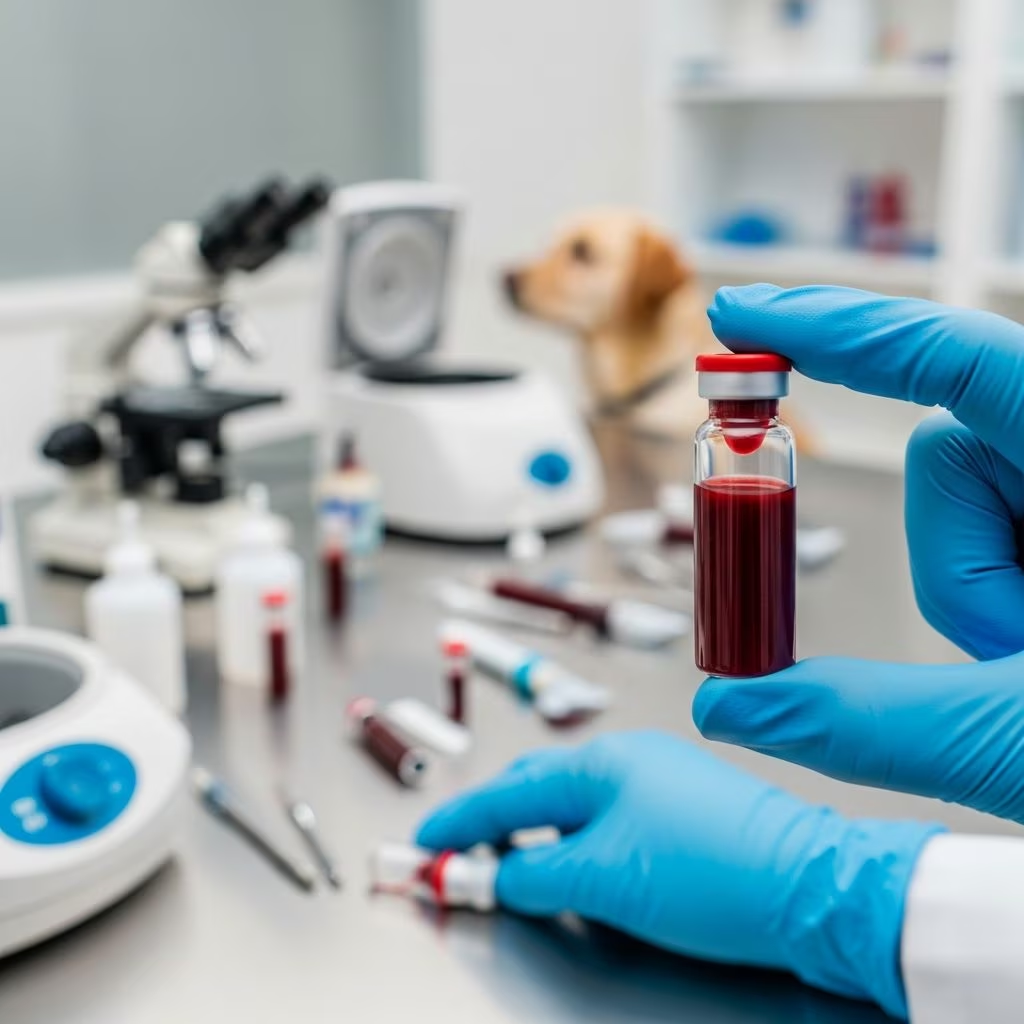
Blood work represents one of the most valuable diagnostic tools available in veterinary medicine, offering veterinarians a window into your dog’s internal health that physical examination alone cannot provide. While many pet owners associate blood tests with illness or emergency situations, routine blood work serves as a proactive health management strategy that can identify serious conditions before they become symptomatic. Understanding the purpose, components, and benefits of canine blood testing empowers you to make informed decisions about your dog’s healthcare.
The Foundation of Preventive Care
Preventive veterinary medicine has evolved significantly over the past two decades, with blood work becoming a cornerstone of comprehensive wellness programs. Dogs cannot communicate pain, discomfort, or subtle changes in how they feel the way humans can, making them particularly vulnerable to undiagnosed conditions that progress silently. A simple blood draw lasting only seconds provides veterinarians with extensive information that cannot be gathered through any other diagnostic method. This non-invasive procedure has become instrumental in detecting emerging health problems during their most treatable stages.
The shift toward preventive blood work reflects a fundamental principle in veterinary medicine: early intervention produces superior outcomes compared to treating advanced disease. When abnormalities appear in bloodwork before clinical symptoms manifest, treatment protocols can be implemented promptly, often preventing disease progression or significantly improving management outcomes.
Core Blood Work Components Explained
Veterinarians typically order two primary blood tests as part of routine screening:
Complete Blood Count (CBC)
The CBC examines three major cell types circulating in your dog’s bloodstream. Red blood cells transport oxygen throughout the body, white blood cells function as immune sentinels protecting against infection, and platelets facilitate blood clotting. This test provides crucial diagnostic information about infections, immune status, and oxygen-carrying capacity. Elevated white blood cell counts may suggest bacterial or viral infection, while reduced red blood cell numbers could indicate anemia or chronic disease. The CBC also helps identify certain cancers and blood disorders that might not produce obvious external symptoms.
Blood Chemistry Panel
The chemistry panel measures specific enzymes, proteins, glucose, and electrolytes circulating in the bloodstream. These measurements reflect how efficiently vital organs are functioning. Kidney enzymes reveal whether the kidneys are filtering waste products effectively, liver enzymes indicate hepatic function and potential liver damage, and glucose levels help diagnose or monitor diabetes. Electrolyte measurements—including sodium, potassium, and calcium—provide information about hydration status, nervous system function, and bone metabolism. Some panels also include thyroid hormone measurements, which help diagnose thyroid disorders affecting metabolism and energy levels.
Identifying Hidden Disease Early
One of the most compelling reasons veterinarians recommend routine blood work is the ability to detect disease in its earliest stages, before your dog exhibits noticeable symptoms. Many serious canine conditions progress silently for months or even years before causing visible signs that alert owners to a problem. By the time symptoms become apparent—such as excessive thirst, weight loss, or letharness—significant organ damage may have already occurred.
Kidney disease exemplifies this pattern. Early-stage kidney dysfunction produces no visible symptoms, yet blood work can detect rising kidney enzymes that indicate declining filtration capacity. Early detection allows veterinarians to recommend dietary adjustments, medications, and monitoring protocols that slow disease progression and maintain quality of life. Similarly, diabetes can be identified through elevated glucose levels before your dog experiences the polydipsia, polyuria, and weight loss characteristic of advanced disease. Liver disease, thyroid disorders, and hormonal imbalances all follow this pattern of silent progression followed by acute symptomatic deterioration.
Establishing Individual Health Baselines
Beyond detecting current disease, routine blood work establishes a personalized health baseline specific to your individual dog. Just as human blood values vary slightly between individuals based on genetics, breed, age, and metabolism, canine blood values show natural individual variation. What constitutes normal for one dog might represent a concerning change for another.
When veterinarians have multiple years of blood work results, they can compare current values against your dog’s personal baseline. A gradual increase in kidney values might appear normal when compared to general laboratory reference ranges, but when compared to your dog’s previous results from three years earlier, it reveals a concerning upward trend. This personalized approach to interpreting blood work enables detection of subtle changes that might otherwise go unnoticed until they progress to abnormal ranges. This capability becomes increasingly valuable as dogs age and various age-related conditions begin developing.
Tailoring Treatment and Monitoring Plans
For dogs diagnosed with chronic health conditions, routine blood work becomes essential for ongoing management and treatment optimization. Conditions like diabetes, thyroid disease, and kidney disease require regular monitoring to ensure medications are working effectively and dosages remain appropriate. Blood work performed before initiating new medications or anesthetic procedures helps veterinarians assess whether your dog’s body can safely tolerate these interventions. Electrolyte levels, kidney function, and liver function all influence medication metabolism and anesthetic risk.
Dogs requiring long-term medication benefit from periodic blood work that confirms the treatment is achieving desired results without causing unexpected side effects. For example, a dog prescribed thyroid hormone replacement needs periodic blood work to verify that hormone levels remain within the therapeutic range. Blood work can also identify secondary health problems that might have developed as a consequence of the primary condition, allowing comprehensive treatment approaches.
Age-Related Considerations
Blood work frequency recommendations vary based on your dog’s life stage. Young, apparently healthy dogs typically benefit from annual blood work that establishes baseline values and screens for breed-specific predispositions to certain conditions. Middle-aged dogs should continue annual screening as certain conditions become more prevalent during this stage. Senior dogs—generally considered those over age seven, though large breed dogs age faster than small breeds—should undergo blood work twice annually or more frequently if health conditions develop.
As dogs age, the risk of multiple concurrent health problems increases significantly. More frequent blood work helps catch emerging issues earlier and monitor how existing conditions progress. Senior dogs often benefit from blood work every six months rather than annually, though your veterinarian will make specific recommendations based on your individual dog’s health status.
Blood Work Frequency and Timing
| Dog Age/Status | Recommended Frequency | Primary Purpose |
|---|---|---|
| Young adults (1-6 years), good health | Annually | Baseline establishment, health screening |
| Middle-aged (6-7 years), good health | Annually | Screening, trend monitoring |
| Senior (7+ years), good health | Twice yearly | Early disease detection, condition monitoring |
| Any age, chronic disease present | 2-4 times yearly | Treatment monitoring, medication adjustment |
| Pre-surgical or pre-anesthetic | Before procedure | Risk assessment, safety clearance |
Interpreting Results and What Numbers Mean
Blood work results include measurements presented in specific units, with reference ranges indicating what laboratory considers normal. Your veterinarian interprets these numbers in context of your individual dog, considering breed, age, and previous results. Some breeds naturally have values slightly outside standard reference ranges due to genetic variation. For instance, some greyhounds have naturally lower hemoglobin levels than other breeds, yet remain perfectly healthy.
Abnormal results don’t automatically indicate disease. A single slightly elevated kidney value might result from dehydration, stress, or normal variation. Patterns across multiple values, consistency with clinical signs, and comparison to previous results provide a more complete diagnostic picture. Your veterinarian will discuss concerning findings and recommend appropriate follow-up testing, dietary changes, medications, or additional diagnostics as needed.
Special Scenarios Requiring Immediate Blood Work
Beyond routine preventive screening, blood work becomes essential when dogs exhibit signs of illness. If your dog experiences vomiting, diarrhea, lethargy, excessive thirst, inappropriate urination, loss of appetite, or any behavior suggesting discomfort, blood work helps identify the underlying cause. Emergency situations, such as suspected poisoning, trauma, or acute illness, require blood work to guide emergency treatment decisions.
Pre-surgical blood work helps anesthesiologists understand your dog’s organ function and ability to metabolize medications. Dogs with compromised kidney or liver function require anesthetic protocol modifications to prevent complications. Pre-operative blood work identifies bleeding disorders that might complicate surgery and recovery.
Addressing Common Concerns About Blood Testing
Many pet owners worry about stress or discomfort associated with blood draws. Modern veterinary practices emphasize minimizing patient stress through gentle handling and quick procedures. The actual blood draw typically causes minimal discomfort, lasting only seconds. Some dogs experience mild anxiety in the veterinary environment, but this stress resolves quickly once the procedure completes. The medical information gained far outweighs any temporary stress.
Cost concerns sometimes prevent owners from pursuing blood work. However, routine screening typically costs substantially less than treating advanced disease. A dog diagnosed with kidney disease at an early stage might live for years with appropriate management, whereas late diagnosis often results in rapid decline. Considering blood work as a health investment rather than an expense helps frame the decision appropriately.
The Role of Nutrition and Lifestyle in Blood Work Results
Blood work values reflect your dog’s overall health status influenced by diet, exercise, stress levels, and environmental factors. Dogs receiving high-quality nutrition, appropriate exercise, and mental stimulation typically show better blood work profiles than sedentary dogs fed lower-quality diets. If blood work reveals concerning trends, your veterinarian may recommend dietary adjustments, supplements, or lifestyle modifications alongside medical treatments.
Weight management significantly impacts blood work results. Overweight dogs often show abnormal glucose levels and lipid profiles. Similarly, dogs experiencing chronic stress may show elevated white blood cell counts. Addressing these underlying factors through lifestyle modification can sometimes normalize blood work values without requiring medication.
Creating a Blood Work Schedule
Work with your veterinarian to establish an appropriate blood work schedule for your dog based on age, breed, health status, and individual risk factors. Document when blood work is scheduled, request copies of results to maintain personal records, and note any changes your veterinarian discusses. This proactive approach to health management allows you to track your dog’s health trajectory and notice trends over time.
Make blood work appointments part of your dog’s routine preventive care, similar to vaccination schedules. Many veterinary practices send reminders when routine screening is due, helping ensure you don’t inadvertently skip important wellness checks. Consistent, scheduled blood work builds a comprehensive health history that guides clinical decision-making throughout your dog’s life.
Frequently Asked Questions
How often should I get my dog’s blood work done?
Healthy young to middle-aged dogs typically benefit from annual blood work. Senior dogs and those with chronic conditions should have blood work performed twice yearly or more frequently as recommended by your veterinarian.
Does my dog need to fast before blood work?
Most routine blood work can be performed without fasting. However, certain specialized tests, such as lipid panels, may require fasting. Your veterinarian will provide specific pre-appointment instructions.
What conditions can blood work detect?
Blood work can detect kidney disease, liver disease, diabetes, thyroid disorders, infections, anemia, cancer, blood clotting disorders, and numerous other conditions affecting organ function and overall health.
Why is blood work important if my dog seems healthy?
Many serious diseases progress without visible symptoms until advanced stages. Blood work detects these hidden conditions early, when treatment is most effective.
How much does blood work cost?
Routine blood work typically costs between $100-300 depending on which tests are performed and your geographic location. Specialized tests cost more, but remain significantly less expensive than treating advanced disease.
Is blood work safe for my dog?
Blood draws are extremely safe procedures. The brief discomfort is minimal, and serious complications are extraordinarily rare in veterinary practice.
Conclusion: Prioritizing Your Dog’s Health Through Blood Work
Routine blood work represents an essential component of responsible dog ownership and preventive veterinary care. By establishing baseline health values, detecting emerging diseases early, and enabling individualized treatment monitoring, blood work contributes significantly to your dog’s longevity and quality of life. The minimal cost, minimal stress, and substantial health benefits make routine blood work one of the highest-value health investments you can make for your canine companion. Discuss blood work recommendations with your veterinarian and commit to a consistent screening schedule appropriate for your dog’s age and health status.
References
- Why Blood Work Panels for Pets Are Important — Rutherford Veterinary Hospital. Accessed 2026. https://rutherfordvet.com/blood-work-panels-for-pets/
- Early Detection: The Benefits of Routine Blood Work for Dogs — Blue Springs Animal Hospital. Accessed 2026. https://www.bluespringsanimalhospital.com/services/dogs/blog/early-detection-benefits-routine-blood-work-dogs
- The Lifesaving Benefits of Annual Bloodwork for Your Pet — Bayview Pets. Accessed 2026. https://bayviewpets.com/the-lifesaving-benefits-of-annual-bloodwork-for-your-pet/
- The Benefits of Annual Bloodwork — Pilina Vet. Accessed 2026. https://pilina.vet/news/the-benefits-of-annual-bloodwork/
- Understanding Blood Tests for Dogs — Douglasville Veterinary Hospital. 2024-05-31. https://www.douglasvillevh.com/site/blog/2024/05/31/understanding-blood-tests-dogs
- Benefits of Annual Blood Tests for Your Dog — Penny Paws. Accessed 2026. https://pennypaws.com/blog/benefits-of-annual-blood-tests-for-your-dog/
- The ABCs of Dog Blood Work: What Those Results Really Mean — American Animal Hospital Association (AAHA). Accessed 2026. https://www.aaha.org/resources/the-abcs-of-dog-blood-work-what-those-results-really-mean/



