

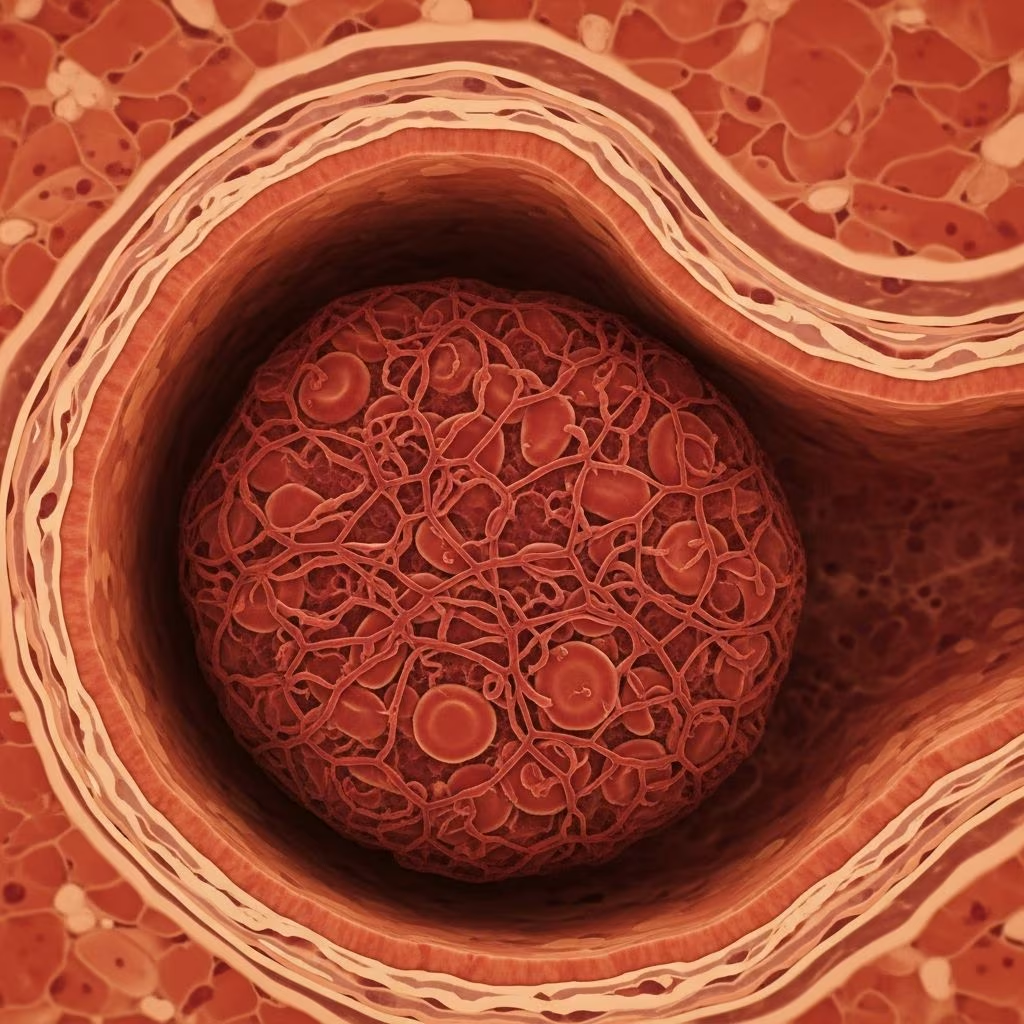
Introduction to Canine Thrombosis
Blood clots represent a serious medical concern for dog owners, as these potentially life-threatening conditions can develop suddenly and progress rapidly if left untreated. When blood clots form within a dog’s circulatory system, they can obstruct normal blood flow and deprive vital organs of oxygen and nutrients. Understanding the nature of these clots, their underlying causes, and the warning signs they present is essential for any responsible pet owner who wishes to protect their canine companion’s health and longevity.
The formation of blood clots in dogs is not a single disease but rather a symptom of various underlying conditions. Some clots form as part of normal healing processes, while others represent dangerous complications that require immediate veterinary intervention. The difference between a beneficial clot and a dangerous one lies in its location, size, and the underlying health conditions present in the dog.
What Triggers Clot Formation in Dogs
Multiple factors can precipitate the formation of blood clots in dogs, ranging from acute injuries to chronic systemic diseases. Pet owners should be aware of these potential triggers to better understand their dog’s individual risk factors and take appropriate preventive measures when possible.
Systemic Health Conditions
Certain chronic diseases significantly increase a dog’s susceptibility to developing blood clots. Kidney disease disrupts the body’s delicate balance of clotting factors and can compromise blood flow regulation. Heartworm disease, particularly in advanced stages, can damage blood vessels and create conditions favorable for clot formation in the pulmonary arteries. Diabetes mellitus alters blood vessel function and promotes abnormal clotting patterns.
Cushing’s disease, a condition involving excessive cortisol production by the adrenal glands, is associated with increased clotting risk through multiple mechanisms. Cancer poses a particular threat, as malignant tumors produce substances that enhance the body’s clotting tendency. Immune-mediated hemolytic anemia represents a life-threatening condition wherein the immune system attacks the dog’s own red blood cells, simultaneously activating abnormal clotting responses that can lead to fatal emboli.
Infectious and Inflammatory Triggers
Severe infections can initiate widespread inflammation throughout the body, creating conditions for dangerous clot formation. Sepsis, in particular, represents a medical emergency that activates the coagulation cascade. Bacterial infections of the heart lining can lead to blood clots in the lungs and secondary pneumonia. Pancreatitis, an inflammation of the pancreas, is associated with clotting abnormalities.
Traumatic Events and Vascular Damage
Physical trauma, such as being struck by a vehicle or experiencing significant falls, triggers an inflammatory response that promotes clot formation. Damaged blood vessels from any cause activate the body’s hemostatic mechanisms. These traumatic events can lead to both immediate complications and delayed clot formation as the body attempts to repair injured tissues.
Medication-Related Risk Factors
Long-term corticosteroid use is consistently associated with increased clotting risk in dogs. Estrogen supplements can similarly elevate the likelihood of abnormal clot formation. These medications alter the body’s natural anticoagulant mechanisms and should be used judiciously with veterinary oversight.
Additional Contributing Factors
Heart disease, particularly in certain breeds predisposed to cardiac conditions, creates blood pooling patterns that favor clot formation. High blood pressure can damage blood vessel walls, initiating the clotting cascade. Parasite infections disrupt normal blood flow and immune function. Aneurysms, though rare in dogs, weaken blood vessel walls and promote abnormal clotting. Protein-losing diseases of the kidneys and intestines deplete the clotting factors necessary for normal hemostasis, paradoxically increasing thrombotic risk.
Recognizing the Symptoms of Canine Blood Clots
The clinical presentation of blood clots in dogs varies dramatically depending on the clot’s location within the circulatory system. Early recognition of these symptoms is critical for obtaining timely veterinary care and improving treatment outcomes.
Pulmonary Manifestations
When blood clots lodge in the lungs, they obstruct pulmonary blood flow and compromise gas exchange. Affected dogs typically display labored breathing that may occur even at rest. Owners often notice unusual fatigue and reluctance to engage in normal activities. Dogs may experience difficulty sleeping due to respiratory distress and assume abnormal positions to facilitate breathing. The gums may appear pale or bluish due to inadequate oxygen circulation.
Peripheral Limb Involvement
Blood clots affecting the legs present with distinctive and alarming symptoms. The affected limb may become suddenly lame or completely non-functional. Pet owners frequently notice that the affected paw feels abnormally cold compared to unaffected limbs, indicating severely compromised blood flow. The paw pads may develop a blue or purple discoloration, signaling tissue hypoxia. Dogs typically demonstrate pain in the affected limb and may refuse to bear weight on it.
Gastrointestinal Involvement
Clots within the gastrointestinal tract produce symptoms that overlap with many other digestive conditions, making diagnosis challenging. Owners might observe vomiting, diarrhea, abdominal pain, or loss of appetite.
Sudden Collapse and Emergency Presentations
In some cases, blood clots cause sudden, dramatic presentations including collapse, severe weakness, or signs of shock. These acute presentations represent veterinary emergencies requiring immediate professional intervention.
The Diagnostic Process
Veterinarians employ a systematic diagnostic approach to confirm the presence of blood clots, as the symptoms can mimic numerous other conditions. The diagnostic process typically progresses through several stages of increasing specificity.
Initial Assessment
The diagnostic journey begins with a thorough physical examination, during which the veterinarian assesses the dog’s overall condition, vital signs, and specific clinical findings related to the suspected clot location. This examination often reveals localizing signs such as cold limbs, pain on palpation, or respiratory distress.
Laboratory Evaluation
Blood work provides essential information about the dog’s coagulation status and identifies underlying conditions that may have triggered clot formation. A urinalysis helps detect blood in the urine, which can indicate clotting abnormalities. These tests also assist in ruling out alternative diagnoses and revealing underlying diseases like kidney disease, diabetes, or immune-mediated hemolytic anemia.
Advanced Imaging Studies
When a veterinarian suspects a clot and has reasonable certainty about its location, advanced imaging becomes invaluable. Ultrasound can visualize clots in accessible vessels and the heart. CT (computed tomography) scans provide detailed cross-sectional images that precisely locate clots and assess their extent. MRI (magnetic resonance imaging) offers excellent soft tissue visualization for clots in complex anatomical locations.
Treatment Strategies for Canine Blood Clots
Treatment of blood clots in dogs requires a multimodal approach addressing both the clot itself and the underlying conditions that precipitated its formation. The specific treatment plan depends on the clot’s location, size, and the dog’s overall health status.
Anticoagulation Therapy
Anticoagulant medications prevent the formation of new clots and slow the progression of existing ones. Heparin and warfarin are commonly prescribed anticoagulants that interfere with the coagulation cascade. These medications require careful monitoring through periodic blood tests to maintain therapeutic levels without causing dangerous bleeding complications.
Clot-Dissolving Medications
Thrombolytic therapy employs medications such as streptokinase to actively dissolve existing clots by enhancing the body’s natural fibrinolytic processes. This approach works best when administered early in the clotting process, before the clot becomes firmly established. Thrombolytic therapy carries risks of bleeding complications but may be appropriate in life-threatening situations.
Platelet Inhibitors
Medications like clopidogrel (Plavix) and aspirin prevent platelet aggregation, reducing the likelihood of new clot formation. These agents may be used in combination with other anticoagulants or as single-agent therapy depending on the clinical situation.
Surgical Intervention
For large clots that are accessible and not responsive to medical therapy, surgical removal may be considered. Surgical approaches carry significant risks and are typically reserved for cases where medical management has failed or when the clot’s location makes it amenable to surgical extraction.
Supportive Care Measures
Beyond specific anticlotting therapies, dogs with blood clots benefit from comprehensive supportive care. Oxygen therapy addresses hypoxemia and improves tissue oxygenation. Pain relief makes the dog more comfortable and reduces stress-related complications. Fluid therapy maintains adequate perfusion and prevents dehydration. Hospitalization allows close monitoring during the critical early phases of treatment.
Management of Reperfusion Injury
When blood flow is restored to tissues deprived of oxygen, reperfusion injury can occur, sometimes causing additional damage. Veterinarians must carefully manage this process through gradual restoration of blood flow and administration of protective medications when appropriate.
Long-Term Management and Recovery
Successful treatment of blood clots extends far beyond the acute phase. Dogs require ongoing monitoring and management to prevent recurrence and address underlying causes.
Addressing Underlying Conditions
Long-term success depends critically on identifying and treating the disease that precipitated clot formation. This might involve managing diabetes with appropriate diet and insulin therapy, treating heart disease with cardiac medications, or addressing immune-mediated hemolytic anemia with immunosuppressive drugs. Without addressing root causes, recurrence rates remain unacceptably high.
Activity Restrictions
Veterinarians typically recommend limited activity during recovery to prevent stress on healing tissues and reduce the risk of new clot formation. Gradually increasing activity levels under veterinary guidance allows dogs to regain strength while minimizing complications.
Physical Rehabilitation
When clots affect limbs, physical therapy and controlled exercise facilitate functional recovery. Therapeutic swimming and massage can improve blood flow and prevent muscle atrophy while the affected limb heals.
Ongoing Medication Management
Many dogs require long-term anticoagulation or other protective medications following a clotting event. These medications necessitate regular veterinary check-ups and periodic blood tests to ensure therapeutic efficacy and monitor for adverse effects. Pet owners must administer medications exactly as prescribed to maintain consistent anticoagulation.
Prevention Strategies
While not all blood clots can be prevented, pet owners can reduce their dog’s risk through proactive health management. Regular veterinary examinations allow early detection of conditions associated with increased clotting risk. Maintaining appropriate weight reduces strain on the cardiovascular system. Prompt treatment of infections prevents progression to sepsis. Careful medication management, particularly with long-term corticosteroid use, minimizes drug-related clotting risks. Maintaining excellent dental health prevents bacterial infections that could lead to heart disease.
Special Consideration: Disseminated Intravascular Coagulation
Disseminated intravascular coagulation (DIC) represents a particularly severe form of abnormal clotting wherein multiple clots form throughout the body simultaneously. This condition constitutes a true medical emergency requiring immediate veterinary treatment, as DIC can rapidly become life-threatening. Dogs with DIC require aggressive anticoagulation and supportive care to prevent multiple organ failure.
When to Seek Emergency Care
Certain presentations warrant immediate veterinary attention. Sudden paralysis of the hind legs, acute respiratory distress, collapse, severe pain, or signs of shock should prompt emergency care. Blue or purple discoloration of paw pads indicates severe tissue hypoxia requiring urgent treatment. Any sudden lameness accompanied by a cold limb suggests a potential arterial clot requiring emergency intervention.
Conclusion
Blood clots in dogs represent serious medical emergencies with significant morbidity and mortality if untreated. However, prompt recognition of symptoms, comprehensive diagnostic evaluation, and appropriate multimodal treatment can improve outcomes substantially. Pet owners who understand the risk factors, recognize early warning signs, and maintain strong relationships with their veterinarians provide their dogs with the best possible chances for successful management of this serious condition.
References
- Blood Clotting in Dogs: Everything You Need to Know — Petcube. Retrieved 2026-01-29. https://petcube.com/blog/blood-clotting-in-dogs/
- Understanding Blood Clots in Dogs — Embrace Pet Insurance. Retrieved 2026-01-29. https://www.embracepetinsurance.com/waterbowl/article/canine-blood-clots
- Blood Clots and Aneurysms in Dogs — Merck Veterinary Manual. Retrieved 2026-01-29. https://www.merckvetmanual.com/dog-owners/heart-and-blood-vessel-disorders-of-dogs/blood-clots-and-aneurysms-in-dogs
- Pulmonary Thromboembolism (Blood Clots in the Lungs) in Dogs — VCA Animal Hospitals. Retrieved 2026-01-29. https://vcahospitals.com/know-your-pet/pulmonary-thromboembolism-blood-clots-in-the-lungs-in-dogs
- Investigating the Cause of Blood Clotting in Dogs with IMHA — Cornell University College of Veterinary Medicine. Retrieved 2026-01-29. https://www.vet.cornell.edu/hospitals/clinical-trials/investigating-cause-blood-clotting-dogs-imha
- DIC (Disseminated Intravascular Coagulation) In Dogs — PetMD. Retrieved 2026-01-29. https://www.petmd.com/dog/conditions/cardiovascular/dic-disseminated-intravascular-coagulation-dogs



